Moving a Deer Out of a CWD Zone
Hunting in Minnesota is a time-honored tradition, but increasingly, hunters are faced with new challenges that can feel frustrating and confusing. One of the biggest concerns on everyone's mind these days is Chronic Wasting Disease (CWD), and understanding the rules for moving your harvested deer, especially if you're hunting in a CWD-affected area, is absolutely critical. This guide is here to break down exactly what you need to know about Minnesota's CWD zones and how to legally and responsibly transport your deer, ensuring you protect the herd and stay on the right side of the law.
Understanding Minnesota's CWD Zones and Regulations
Let's be honest, trying to keep up with all the regulations can sometimes feel like trying to track a ghost buck through thick timber. But when it comes to Chronic Wasting Disease, these rules are in place for a really important reason: to protect Minnesota's deer herd from this devastating neurological disease. CWD is always fatal to deer, elk, and moose, and while there's no evidence it can spread to humans, the state takes its management incredibly seriously. This means you, as a hunter, play a vital role in preventing its spread.
The Minnesota DNR designates specific areas as CWD zones, which come with stricter rules for deer harvesting and carcass movement. These zones are constantly evaluated and can change, so it's always on us to check the most current information before heading out.
What Are CWD Management and Surveillance Zones?
Think of Minnesota's CWD strategy as a concentric circle approach. When CWD is detected in a wild deer, the DNR acts swiftly to establish boundaries to contain it.
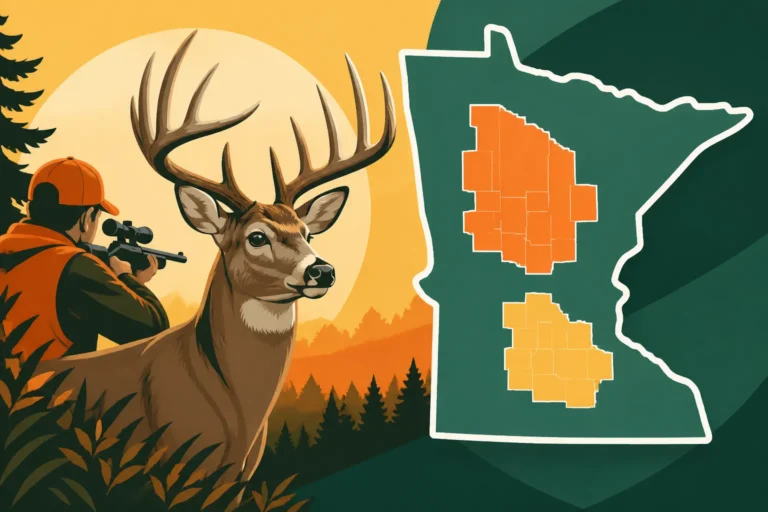
- CWD Management Zones: These are the areas where CWD has been confirmed in wild deer. The rules here are the most stringent. If you're lucky enough to harvest a deer in one of these zones, you'll find mandatory CWD testing often in effect for certain deer, and very strict rules about what parts of the deer can leave the zone. The aim is to prevent any high-risk parts of an infected animal from moving to other, healthy deer populations. It's a proactive measure to keep the disease from jumping counties or regions.
- CWD Surveillance Zones: These zones are typically adjacent to, or surround, a CWD Management Zone. They act as a buffer. While CWD might not have been detected within these specific surveillance zones yet, they are considered higher risk due to their proximity to an affected area. Hunters in these zones might face voluntary CWD testing requests or specific carcass movement restrictions, though often less strict than a management zone, depending on the current risk assessment. The DNR uses these zones for proactive monitoring, trying to catch any potential spread early.
It's super important to know which zone you're hunting in. Before you even pack your truck, pull up the Minnesota DNR website or use a reliable hunting app like GoHunt to overlay CWD zones onto your hunting maps. This way, you're not caught off guard after a successful hunt. You can also refer to our detailed guide on CWD Management Zones in Minnesota and CWD Surveillance Zones in Minnesota for more information on how these areas are defined and what they entail.
Why Carcass Movement Restrictions Matter
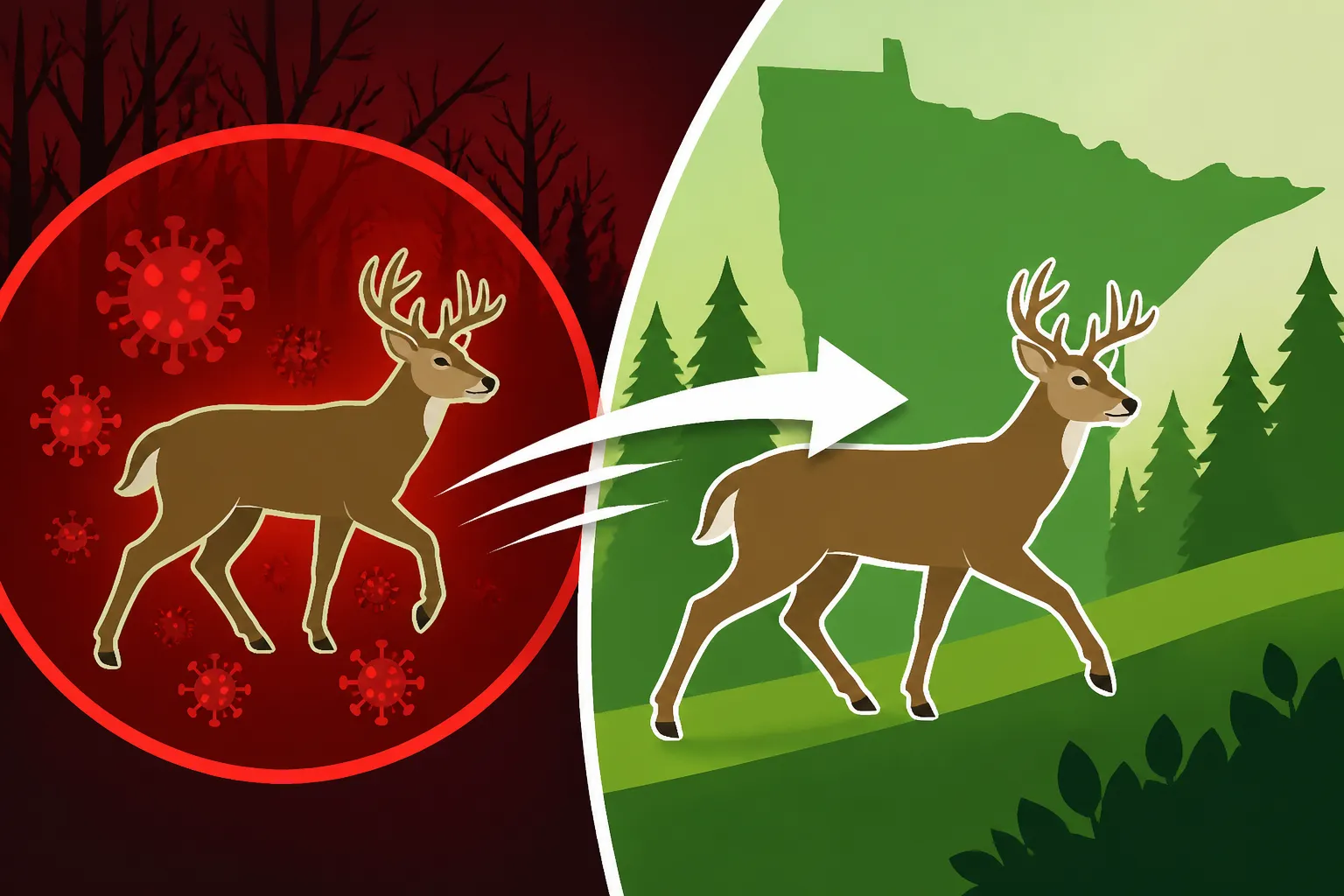
The reason for these rules isn't to make your life harder, even if it feels that way when you're tired and dragging a deer. CWD is spread through prions, which are abnormal proteins. These prions are highly concentrated in certain parts of a deer's body, especially the brain, spinal cord, lymph nodes, and spleen. If an infected deer's carcass, or parts of it, are moved out of a CWD zone and improperly disposed of, those prions can contaminate new soil or water, potentially infecting healthy deer populations in a new area.
Imagine you bag a deer in a CWD Management Zone, load it whole into your truck, and drive three hours north to your cabin in a CWD-free area. If that deer happens to be CWD positive, and you field dress it at your cabin, those high-risk parts could introduce the disease to deer that frequent your property. The restrictions are designed to limit the movement of these high-risk tissues, breaking the potential chain of transmission. It's a critical step in preserving the health of Minnesota's wild deer for future generations of hunters. This is why knowing Minnesota Carcass Movement Restrictions is so crucial.
Processing Your Deer Within a CWD Zone
Okay, you've done your homework, you know you're in a CWD zone, and you've just put down a beautiful Minnesota whitetail. Now what? The key is to prepare the carcass before you leave the zone. This typically means removing the parts that are considered "high risk" for CWD transmission right there in the field or at a designated processing site within the CWD zone.
Field Dressing and Initial Carcass Preparation
When you harvest a deer in a CWD zone, the first step is always to field dress it. This is standard practice anyway, but it takes on added importance here. Remove the internal organs as you normally would. However, the next steps are where the CWD rules really come into play.
The goal is to get the deer down to what the DNR considers "low risk" parts. This means:
- Deboning the meat: This is the most common and safest way to transport a deer out of a CWD zone. You'll need to separate all muscle tissue from the bone. This includes backstraps, tenderloins, hams, shoulders, and any other edible muscle. The bones, along with the brain, spinal cord, and lymph nodes, are considered high-risk material and must remain within the CWD zone.
- Removing the head and spinal column: These are definite no-gos for transport. If you want to keep the skull for a European mount or a taxidermy mount, you'll need to remove all brain tissue, eyes, and any attached lymph nodes, and clean the skull plate thoroughly. The skull cap (if attached to antlers) can be transported if cleaned of all tissue.
- Hides: Typically, hides are allowed to be transported as long as no brain or spinal cord tissue is attached. Most hunters roll up the hide after skinning and are good to go.
This might sound like a lot of work, and yes, it is more involved than just throwing a whole deer in the back of the truck. But with a good knife, some game bags, and perhaps a partner, it's totally manageable. Think of it as an opportunity to really refine your butchering skills! Our article on Field Dressing a Deer in Cold Weather can give you some practical tips, especially if you're hunting during Minnesota's later seasons.
Utilizing Local Processors and Designated Disposal Sites
Many hunters aren't set up for extensive field butchering, or maybe they just prefer to have a professional handle it. This is where local processors within CWD zones become invaluable.
- Commercial Processors: If you're hunting in a known CWD area, it's a great idea to research local deer processors within that zone before you even leave home. They will be familiar with the regulations and can process your deer in compliance with CWD carcass movement rules. They can debone the animal, handle the disposal of high-risk parts, and prepare your meat for transport. Always call ahead to confirm their services and CWD protocols.
- Designated Disposal Sites: The Minnesota DNR often establishes special dumpsters or collection sites within CWD zones specifically for high-risk deer parts. These are crucial if you're processing your own deer in the field or at a hunting camp within the zone. You absolutely must use these sites for proper disposal of heads, spinal columns, and other restricted parts. Never discard these parts in regular trash or in locations outside the CWD zone, as this defeats the entire purpose of the regulations.
Table: Permitted vs. Prohibited Carcass Parts for Transport Out of a Minnesota CWD Zone
Permitted for Transport (Low Risk) Prohibited for Transport (High Risk) Notes
: This is so incredibly relevant and a real point of confusion for so many Minnesota hunters, myself included! It's challenging enough to have a successful hunt, let alone navigate the constantly updated and critical regulations around Chronic Wasting Disease (CWD). The last thing anyone wants is to run into trouble with the DNR, or worse, inadvertently contribute to the spread of this devastating disease. We've all seen the headlines and heard the concerns, and it can feel like a minefield trying to do the right thing when you're just trying to get your harvest home.
This guide is designed to cut through the confusion and provide clear, actionable information about moving your deer out of a CWD zone in Minnesota. We'll dive deep into the "why" behind the rules, what parts you absolutely can and cannot transport, and the practical steps you can take to ensure you're compliant and doing your part to protect our wild deer herd.
Understanding Minnesota's CWD Zones and Regulations
Let's face it, keeping up with all the hunting regulations can sometimes feel like trying to track a ghost buck through a blizzard—it's tough, and the landscape is always shifting. But when it comes to Chronic Wasting Disease (CWD), understanding these rules isn't just about avoiding a ticket; it's about safeguarding the future of deer hunting in our beautiful state. CWD is a serious neurological disease that affects cervids—deer, elk, and moose—and is always fatal. While there's no evidence yet that it can transmit to humans, the Minnesota Department of Natural Resources (DNR) takes its management incredibly seriously. And as hunters, we're on the front lines, playing a crucial role in preventing its spread.
The DNR designates specific areas as CWD zones, and these zones come with additional rules that impact how you harvest and handle your deer. These boundaries aren't set in stone; they're constantly evaluated based on new detections and research, which means it’s always on us to check the most current information before we even air up our tires for a hunt.
What Are CWD Management and Surveillance Zones?
To truly grasp the movement restrictions, it helps to understand the two main types of CWD zones Minnesota utilizes. Think of them as different levels of a defensive perimeter around where CWD has been detected.
- CWD Management Zones: These are the areas where CWD has been confirmed in wild deer. When a positive case shows up, the DNR draws a boundary, and these zones become hotbeds for targeted management efforts. If you're fortunate enough to tag a deer here, you'll often find mandatory CWD testing requirements for certain deer, and very strict rules about what parts of your harvested animal can leave the zone. The fundamental goal here is to prevent any high-risk tissues from an potentially infected animal from being transported to other parts of the state where the disease might not exist yet. It's a critical, proactive measure to contain the disease and prevent it from becoming more widespread. For instance, in recent years, portions of southeastern Minnesota and specific areas near Bemidji have seen these designations. Staying informed on which CWD Management Zones in Minnesota are active is paramount.
- CWD Surveillance Zones: These zones typically encompass areas that are adjacent to, or surround, a CWD Management Zone. While CWD might not have been detected directly within these surveillance zones, they are considered higher risk due to their proximity to an affected area. For hunters, this might mean the DNR requests voluntary CWD testing for your harvest, or that specific carcass movement restrictions are in place, although these are often less stringent than what you’d find in a management zone. The exact rules depend on the current risk assessment and the permit area you're in. The DNR uses these zones for proactive monitoring, essentially casting a wider net to catch any potential spread early. If you're wondering if your hunting spot falls into one of these, checking the DNR's CWD maps is essential. Our guide on CWD Surveillance Zones in Minnesota offers a deeper dive into these areas.
Before you even step foot into the woods, knowing which type of zone you're hunting in is absolutely crucial. A quick check of the Minnesota DNR website or utilizing a mapping app like GoHunt, which often overlays CWD boundaries, can save you a lot of headache and ensure you're compliant.
Why Carcass Movement Restrictions Matter
I know, it can feel like just another hurdle when you're already exhausted from a successful hunt, but the reasoning behind carcass movement restrictions is incredibly important. CWD is caused by abnormal proteins called prions. These prions are highly concentrated in specific parts of a deer's body: the brain, spinal cord, lymph nodes, and spleen. These are considered the "high-risk" materials.
If an infected deer's carcass, or even just these high-risk parts, are moved out of a CWD zone and then improperly disposed of, those prions can contaminate new soil, water, or even feed sources. This contamination can then lead to healthy deer in a previously unaffected area becoming infected. Imagine the scenario: you harvest a deer in a CWD-positive area, load the whole animal onto your truck, and drive it a couple of hours away to your cabin. If that deer happens to be CWD-positive, and you process it at your cabin, the discarded parts could introduce the disease to the local deer population, potentially devastating that herd.
The carcass movement restrictions are specifically designed to break this chain of transmission. By requiring the removal and proper disposal of these high-risk tissues within the CWD zone, we significantly reduce the chance of spreading the disease to new regions. It's a critical, though sometimes inconvenient, step in preserving the health of Minnesota's wild deer for all of us, and for future generations of hunters. Understanding Minnesota Carcass Movement Restrictions fully is key to responsible hunting today.
Processing Your Deer Within a CWD Zone for Transport
Alright, you've done your homework, you know you're in a CWD zone, and you've just put down a beautiful Minnesota whitetail. Congratulations! Now comes the critical next step: preparing your deer for legal transport out of the zone. This isn't just about convenience; it's about adhering to regulations that protect the broader deer population. The primary directive here is to remove the "high-risk" parts of the deer right there in the field, at your hunting camp, or at a designated facility within the CWD zone.
Field Dressing and Initial Carcass Preparation
The first thing you’ll do is field dress your deer, just as you always would. This removes the internal organs and helps cool the animal down. But in a CWD zone, your preparation needs to go a bit further. The goal is to reduce the carcass to what the DNR deems "low-risk" materials. This means separating the muscle meat from the bone and other high-risk tissues.
Here’s a breakdown of what that entails:
- Deboning the Meat: This is the most common and safest method for transporting deer out of a CWD zone. You will need to carefully remove all muscle tissue from the bone. This includes the backstraps, tenderloins, hams, shoulders, and any other edible muscle. The bones, along with the brain, spinal cord, and all lymph nodes, are considered high-risk materials and must remain within the CWD zone. This process, while a bit more time-consuming in the field, ensures that only the safest parts of the animal are transported. Pack the deboned meat into game bags immediately to keep it clean and cool.
- Head and Spinal Column Removal: These parts are absolute no-gos for transport. If you plan to keep the skull for a European mount or want a taxidermy shoulder mount, you’ll need to skull-cap your deer or remove the entire skull. For a skull cap, ensure all brain tissue, eyes, and any attached lymph nodes are meticulously removed and the skull plate is thoroughly cleaned. The skull cap (with antlers attached) can then usually be transported. For a full skull mount, you’d typically need to bring the head to a taxidermist within the CWD zone who is equipped to handle the skull cleaning and disposal of high-risk tissues according to DNR regulations.
- Hides: Generally, hides are permitted for transport as long as no brain or spinal cord tissue is attached. Most hunters will skin the deer, roll up the hide, and are good to go. Just double-check that there's no visible tissue on the hide that falls under the restricted category.
This process might seem like a lot to do in the field, especially if it's cold or you're hunting solo. It definitely requires a sharp knife, a good game processing kit, and some sturdy game bags. But with practice, and perhaps the help of a hunting buddy, you'll become efficient. It's an excellent way to hone your butchering skills and feel even more connected to your harvest. If you're looking for tips on efficient field processing, our article on Field Dressing a Deer in Cold Weather can offer some valuable insights, particularly for those late-season hunts.
Utilizing Local Processors and Designated Disposal Sites
Not everyone wants to debone an entire deer in the field, especially after a long day of hunting. Thankfully, Minnesota offers solutions for hunters who prefer professional processing or need proper disposal options within CWD zones.
- Commercial Processors within CWD Zones: If you know you'll be hunting in a CWD-affected area, it's a smart move to research and contact deer processors located within that specific CWD zone beforehand. These local businesses are usually well-versed in the latest DNR regulations regarding CWD. They can process your deer in full compliance, handling the deboning, proper disposal of high-risk parts, and preparing your meat for safe transport. Always call ahead to confirm their current services, pricing, and specific CWD protocols, as these can vary. Using a local processor not only ensures compliance but also supports small businesses in the hunting community.
- Designated Disposal Sites: This is a crucial component of CWD management. The Minnesota DNR often establishes special dumpsters or collection sites within CWD zones specifically for high-risk deer parts (heads, spinal columns, lymph nodes, etc.). If you choose to process your own deer in the field or at your hunting camp within the zone, you must utilize these designated sites for proper disposal of restricted parts. Do not, under any circumstances, discard these high-risk parts in regular trash receptacles outside the CWD zone, or bury them on private land in an unaffected area. Doing so could lead to the very spread we're trying to prevent. These sites are typically well-marked, and the DNR will provide maps or addresses during hunting season. Knowing where Finding a Minnesota CWD Sampling Station is located can sometimes overlap with disposal sites, so it’s worth checking.
The planning here is paramount. Before you ever head out, check the CWD zone maps, identify local processors or disposal sites, and plan your post-harvest strategy. This preparation not only ensures legal compliance but also demonstrates your commitment to responsible hunting and wildlife conservation.
Transporting Approved Deer Carcass Parts Out of a CWD Zone
Once you’ve done the hard work of field processing or had your deer handled by a local processor within the CWD zone, you're ready to transport your harvest home. The key here is to stick strictly to the approved low-risk parts. It's all about minimizing that risk of spreading prions, even if it adds a layer of complexity to what used to be a straightforward trip.
Legal Carcass Parts for Movement
Let's reiterate what you can legally take out of a Minnesota CWD zone:
- Deboned Meat: This is the safest and most widely accepted form of transport. All muscle tissue that has been separated from the bone is good to go. Ensure it’s properly packaged, ideally in game bags or vacuum-sealed, and kept cool, especially if you have a long drive.
- Skull Plate (Antlers Attached): If you're keeping the antlers, the skull plate must be completely cleaned of all brain matter, eyes, and any attached lymphoid tissue. A perfectly clean skull cap with antlers is allowed. Taxidermists within CWD zones are your best bet if you want a shoulder mount, as they can handle the high-risk parts appropriately.
- Hides: A hide that is completely separated from the head and spinal column, with no visible brain or spinal cord tissue, is legal for transport. Many hunters will simply roll these up for the ride home.
- Teeth: Individual teeth can be transported, often for aging purposes, as long as they are cleaned of any tissue.
Any other part of the deer—especially the brain, spinal column, spleen, and lymph nodes—must remain within the CWD zone. This includes whole carcasses, even if field dressed, unless they are being transported directly to a CWD sampling station or a licensed processor within the designated zone.
Planning Your Route and Storage
Transporting your deer harvest needs a little extra thought when CWD zones are involved.
- Know Your Zones: Use a robust mapping app like GoHunt or onX Hunt, which often feature CWD zone overlays, to clearly understand the boundaries. Plan your travel route to ensure you're not inadvertently crossing into or out of CWD zones with restricted materials. Knowing your Minnesota Deer Seasons and Permit Areas will also help you identify if you're in a zone requiring special care.
- Proper Packaging: Invest in quality game bags if you're deboning in the field. Once the meat is deboned, get it into coolers with ice immediately. For longer trips, consider dry ice to maintain critical temperatures. The goal isn't just CWD compliance; it's also about preserving the quality of your hard-earned venison. If a commercial processor handles your deer, they will typically package it according to regulations.
- Documentation (if applicable): If you harvested your deer in an area requiring mandatory CWD testing, ensure you have any necessary documentation, such as proof of submission for testing. While you likely won't be stopped and asked for it, having it readily available demonstrates compliance. You can learn more about the process in How Long Minnesota CWD Results Take.
- No Discarding En Route: It's absolutely critical that you do not discard any restricted deer parts along your travel route once you've left the CWD zone. All high-risk parts must be disposed of at designated sites within the CWD zone. If you have any doubt about a specific part, err on the side of caution and leave it at a designated disposal site.
This careful planning and adherence to regulations aren't just bureaucratic red tape; they are vital actions that protect Minnesota's deer herd and the hunting opportunities we all cherish. Taking the extra steps demonstrates a true commitment to responsible hunting.
Practical Tips for Hunters in CWD Areas
Navigating CWD regulations can feel like a new frontier in hunting, adding layers of complexity to an already challenging pursuit. But with good preparation and a proactive mindset, you can successfully hunt in CWD zones while remaining compliant and contributing to conservation efforts. Here are some practical tips to help you manage the process smoothly.
Pre-Season Scouting and Information Gathering
The work truly begins before you even step foot in the woods. Knowledge is your most powerful tool when hunting in CWD areas.
- Stay Informed with the DNR: Make it a habit to check the Minnesota DNR's website for the most current CWD information. Boundaries, testing requirements, and disposal site locations can change from year to year, or even within a season. Don't rely on information from past seasons or word-of-mouth. The DNR's official CWD page is the definitive source. They often release press releases or updates, especially closer to the deer season opener, that are crucial to review.
- Utilize Mapping Applications: Modern hunting apps are indispensable. Tools like GoHunt or onX Hunt often include layers that show CWD Management and Surveillance Zones. Before your hunt, use these apps to visually confirm if your planned hunting area falls within a CWD zone. This allows you to plan your processing and transport strategy in advance, rather than scrambling after a successful harvest. These apps can also help you identify public land boundaries and access points, which can be useful when planning field processing locations or routes to disposal sites. For more general mapping advice, check out Scouting With the Minnesota Recreation Compass App or onX Layers for Minnesota Land Status.
- Identify Local Resources: If you anticipate hunting in a CWD zone, research the local area for resources. Look up licensed deer processors within the CWD zone who are experienced with CWD regulations. Find out where the nearest designated CWD carcass disposal sites are located. Having this information locked down before you leave home will alleviate a lot of stress if you tag a deer.
Gear for On-Site Processing and Storage
Your gear list might need a few additions or upgrades when hunting in CWD zones. Being prepared with the right tools makes field processing much more efficient.
- Quality Field Dressing Kit: Beyond your standard hunting knife, consider a dedicated field dressing kit with multiple sharp blades, a bone saw (if you plan to quarter in the field), and sturdy game shears. A sharpening steel or ceramic sticks are also key to maintaining a razor edge.
- Durable Game Bags: These are a must-have. High-quality game bags protect your deboned meat from dirt, insects, and contamination, especially important during warm early season hunts. Look for breathable, washable bags that you can reuse. For more on handling your harvest, our guide on Butchering a Deer at Camp offers excellent tips.
- Coolers and Ice/Dry Ice: Having sufficient cooler space is critical. If you're deboning in the field, you'll want to get that meat on ice as quickly as possible. For longer drives or warmer weather, consider bringing dry ice to ensure your meat stays below the critical temperature range for bacterial growth. Plan for enough capacity to hold all your deboned meat without crowding.
- Gloves and Cleaning Supplies: Always wear latex or nitrile gloves when field dressing and processing, regardless of CWD concerns. It’s good hygiene and adds a layer of protection. Bring plenty of water and soap, or hand sanitizer, for cleanup.
Educating Yourself and Others
Being a responsible hunter in the age of CWD means more than just following the rules yourself; it means understanding why those rules exist and sharing that knowledge respectfully with others.
- Understand the "Why": Take the time to understand how CWD spreads and why specific parts of the deer are considered high-risk. This understanding makes compliance less of a burden and more of a commitment to wildlife health. It helps you articulate the importance of these regulations to fellow hunters or curious non-hunters.
- Share Information Responsibly: If you're hunting with a group, ensure everyone is aware of the CWD regulations for your specific permit area. Share maps, discuss the processing plan, and ensure everyone knows where disposal sites are. A unified approach within your hunting party is much more effective.
- Be a Role Model: Others look to experienced hunters for guidance. By diligently following CWD regulations, you set a positive example and help reinforce the importance of these measures within the broader hunting community. It's about being an ethical steward of our natural resources.
Dealing with CWD regulations might not be the most exciting part of hunting, but it's an undeniable reality in modern wildlife management. By being prepared, informed, and diligent, Minnesota hunters can continue to enjoy their passion while actively contributing to the health and sustainability of our cherished deer herd.
Disclaimer
Please remember that hunting regulations, including those related to CWD, can change. While this guide provides comprehensive information, it is always your responsibility to consult the most current Minnesota Department of Natural Resources (DNR) regulations and guidelines before heading into the field. This article is for informational purposes only and should not be considered legal advice.