The 300B Late Firearm Zone
Navigating Minnesota's deer seasons can feel like trying to solve a puzzle, especially when you start looking at the later firearm opportunities. The 300B Late Firearm Zone is a prime example of this complexity, offering a unique chance to extend your deer season but often leaving hunters scratching their heads about specific rules, dates, and tactics. This guide aims to clear up the confusion, walking you through everything you need to know to make your 300B late-season hunt a resounding success.
Understanding Minnesota's Firearm Deer Seasons
Minnesota's deer hunting landscape is a diverse tapestry, split into distinct zones and seasons designed to manage the herd across varied habitats. While many hunters are familiar with the traditional November firearm openers, the 300B Late Firearm Zone offers a different rhythm, often extending into the colder, snowier days of December. This late season presents both challenges and unique rewards for those willing to brave the elements.
The Landscape of Deer Zones
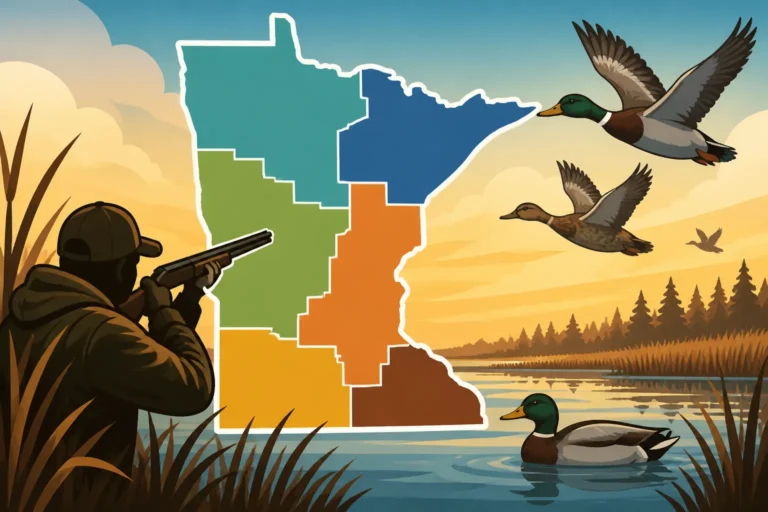
To truly appreciate the 300B zone, it helps to understand how it fits into the broader picture of Minnesota Deer Seasons and Permit Areas. The state is generally divided into several key firearm zones: the 100-series, which is primarily forest land in the north; the 200-series, a mix of forest and transition areas; and the 300-series, largely agricultural land in central and southern Minnesota. Each of these typically has its own opening weekend, usually in early or mid-November, providing a concentrated hunt period. Hunters often plan their deer camp around these dates, anticipating the rush of activity that comes with the main firearms season.
However, these zones are not monolithic. Within them, you'll find various permit areas, each with specific population goals and tag regulations—some are Intensive, allowing multiple antlerless deer; others are Managed, aiming for stable populations; and many are Lottery, requiring an application for an antlerless tag. This intricate system is how the Minnesota DNR fine-tunes deer management, responding to local conditions and harvest data. The early November firearm seasons are generally the most popular and often see the highest hunter density, especially on public lands.
Why the 300B Zone Stands Apart
The 300B Late Firearm Zone isn't just a simple extension of these earlier seasons; it's a distinct management tool with a specific purpose. It primarily encompasses permit areas in central and southern Minnesota, often where deer populations might be higher, and extending the season allows for greater harvest potential. The "B" designation often signifies a later period within the broader 300-series, kicking off after the initial firearm rush has subsided. This later timing means you're often hunting in colder weather, frequently with snow on the ground, which completely changes the dynamics of the hunt.
The later season also means deer behavior has shifted significantly. The rut is typically well past its peak, and bucks are no longer as focused on breeding. Instead, their priorities, and therefore their movements, revolve almost entirely around food and thermal cover. This fundamental shift requires hunters to adapt their strategies, moving away from rut-centric tactics like rattling and grunting towards more methodical still-hunting or stand hunting near known food sources. The landscape itself also looks different, with crops often harvested and deciduous trees bare, offering new sightlines but also less cover for both deer and hunters.
Key Regulations and Dates for the 300B Zone
Understanding the precise rules and timing for the 300B Late Firearm Zone is crucial for any hunter. This isn't a season where you can just show up; careful attention to dates, license requirements, and weapon restrictions is paramount to a legal and successful hunt. The late nature of this season brings its own set of considerations that differ from the earlier November firearm periods.
When the Late 300B Season Opens and Closes
The "late" in 300B is not just a suggestion; it defines the entire experience. Generally, the 300B season opens the Saturday after the Thanksgiving holiday and runs for about 16 days, typically closing in mid-December. This means you're hunting in a completely different environment than the balmy days some hunters experience in early November. This timeframe directly impacts deer behavior, hunter comfort, and even the type of gear you'll need. Hunters often find themselves navigating frozen ground, early morning frosts, and potentially significant snowfall.
The specific dates can vary slightly year to year, so always check the current Minnesota DNR hunting regulations. However, the consistent pattern is that it provides a post-rut, pre-winter opportunity. For many hunters, this period offers a second chance or an opportunity to fill an additional antlerless tag. The colder temperatures also mean that if you're successful, the meat care can be much simpler, as cold weather acts as a natural refrigerator, though you still need to be diligent.
License and Permit Requirements
Just like any other deer season, you'll need the appropriate Minnesota Hunting Licenses and What They Cost to participate in the 300B zone. This typically includes a base deer license. However, the most critical aspect for the 300B zone often revolves around antlerless permits. Many of the permit areas within 300B are designated as "Lottery" or "Intensive" (or sometimes "Managed"), and securing an antlerless tag is frequently tied to these designations. If your desired permit area is a Lottery zone, you must apply for an antlerless permit by the early September deadline. Without a valid antlerless tag for a Lottery area, you'll only be able to harvest an antlered buck.
Intensive Harvest areas, on the other hand, are often designed to reduce deer populations and usually allow hunters to purchase multiple antlerless permits over the counter, or may even be "Hunter Choice," meaning you can take an antlered or antlerless deer with your base license. Always verify the specific rules for your chosen permit area before heading out. Planning your hunt, especially understanding the permit area boundaries and regulations, can be streamlined with tools like the GoHunt app, which provides detailed map overlays and regulatory information that can be very helpful for confirming what tags are valid where.
Weapon Restrictions and Considerations
With Minnesota's recent changes to firearm regulations, hunters in the 300B zone now have more flexibility than ever. Historically, many of these central and southern permit areas were restricted to shotguns, muzzleloaders, or specific pistol cartridges. Now, with Minnesota's New Statewide Rifle Rules, straight-wall cartridge rifles are legal statewide, including in many 300B areas. This means hunters can often use popular cartridges like the .450 Bushmaster, .350 Legend, or .45-70 Government, which offer excellent performance for typical Minnesota deer hunting ranges.
However, it's crucial to remember that a few counties opted to retain their "shotgun-only" restrictions, so always double-check the local ordinances for your specific hunting location. Even if rifles are legal, many hunters still opt for their trusted slug guns or muzzleloaders, especially in dense cover where shots are close, or if they prefer the challenge. Whatever weapon you choose, ensure it's sighted in appropriately for the expected range and that you are proficient with it. The colder weather can sometimes affect firearm performance or user dexterity, so a familiar and reliable setup is always best.
Navigating Permit Area Nuances within 300B
The 300B Late Firearm Zone isn't a single, uniform entity; it's a collection of individual permit areas, each with its own specific management goals and rules. Understanding these nuances, especially the distinctions between Intensive, Managed, and Lottery areas, is absolutely critical for planning your late-season hunt and maximizing your chances of success. Ignoring these details can lead to frustration, or worse, a violation.
Intensive, Managed, and Lottery Permit Areas
Within the 300B zone, you'll encounter the familiar designations of Intensive, Managed and Lottery Permit Areas. Each of these signifies a different approach to deer population control.
- Intensive Harvest Areas: These are designed to reduce deer populations, often in areas where deer numbers are high, or agricultural damage is a concern. In these areas, antlerless tags are typically readily available, often over the counter, and hunters might even be able to harvest multiple antlerless deer. This provides a great opportunity for meat hunters or those looking to contribute to population management efforts. If your 300B hunt falls within an Intensive area, you'll likely have a very good chance to fill an antlerless tag, making it an excellent choice for a late-season effort.
- Managed Harvest Areas: These areas aim for stable deer populations. Tags for antlerless deer in Managed areas might be available but often with more restrictions than Intensive areas. Sometimes, a hunter's base license will allow for a "hunter choice" (antlered or antlerless) deer, or limited antlerless permits might be sold. The goal here isn't to drastically reduce the population but to maintain it at a healthy level that balances ecological and social factors.
- Lottery Permit Areas: These are the most restrictive. In Lottery areas, antlerless permits are limited, and hunters must apply through a lottery system before the early September deadline. If you draw a tag, you're good to go. If not, you're generally restricted to harvesting only an antlered buck during the firearm season, unless the area also falls under a "Hunter Choice" designation. For the 300B season, successfully drawing a lottery tag for an antlerless deer is often the key to participating fully. Planning your late-season hunt around a lottery draw adds an element of uncertainty, but the reward can be a less pressured hunt if you're successful.
Applying for the Antlerless Lottery Before September 10
For many parts of the 300B zone, especially those in Lottery permit areas, the ability to harvest an antlerless deer hinges on successfully navigating the antlerless lottery system. This isn't something you can decide on a whim; the deadline to apply for the antlerless lottery is typically around September 10th each year. Missing this deadline means you've forfeited your chance to legally take an antlerless deer in those specific permit areas during the firearm season, including the 300B late hunt. It's a critical date that often sneaks up on hunters amid other fall preparations.
The process for How the Antlerless Lottery Works involves selecting your preferred permit area(s) when you purchase your deer license. You'll then be entered into a draw for the limited antlerless tags available in those areas. Success rates vary wildly depending on the popularity and deer density of the permit area. Some areas are nearly guaranteed draws, while others are highly competitive. GoHunt often provides success rate data from previous years, which can be invaluable when making your application choices. Don't underestimate the importance of this step; it's the gateway to a more flexible and potentially more successful late-season hunt, especially if your primary goal is to fill the freezer.
Scouting and Planning for Late-Season Success
Once you've sorted out your tags and target permit areas, the real work of Scouting Minnesota Public Land Before Season or private land permission begins. Late-season hunting in the 300B zone demands a different kind of scouting. Forget about rubs and scrapes from the rut; those signs are old news. Instead, you're looking for fresh sign related to food and cover. Snow on the ground can be a huge asset here, revealing fresh tracks and well-worn trails leading directly to feeding areas and bedding thickets.
Deer in the late season are conserving energy and seeking warmth. This means finding south-facing slopes, dense conifer stands, or thick cattail sloughs that offer shelter from bitter winds and deep snow. Identifying these thermal sanctuaries and connecting them to reliable food sources – like standing corn, winter wheat, or browse in sheltered areas – is key. Using mapping tools, such as the GoHunt app with its aerial imagery and property line overlays, can help you pinpoint these critical habitat features from home. Then, boots on the ground (or skis, or snowshoes) are necessary to confirm sign, locate travel corridors, and identify potential stand or ground blind locations that allow for a quiet approach and a concealed vantage point.
Tactics for Late-Season Deer in the 300B Zone
Hunting in the 300B Late Firearm Zone means adapting your approach to fit the conditions. The deer have changed their priorities, the landscape has transformed, and often, the hunting pressure has shifted. Success in this late season relies on understanding these changes and employing strategies that capitalize on late-season deer behavior.
Focusing on Food Sources and Thermal Cover
As the temperatures plummet and snow accumulates, deer in the 300B zone become laser-focused on survival. Their primary concerns are finding sufficient calories and staying warm. This means your hunting efforts should revolve around identifying and intercepting deer movements between reliable Late-Season Food Sources for Minnesota Whitetails and dense thermal cover. Standing cornfields, if still available, become absolute magnets for deer, offering both food and some visual cover. Soybeans, if unharvested or with significant waste grain, can also draw deer. In more timbered areas, look for mast crops like acorns (if any remain), or focus on areas with ample woody browse.
Thermal cover is equally important. Think about areas that block the wind and hold heat: dense conifer stands (pines, spruces, cedars), thick brushy draws, or even the sunny side of a ridge. Deer will bed in these areas during the day, emerging late in the afternoon to feed. Your strategy should be to set up between these bedding and feeding areas, or even closer to the bedding areas if you can approach undetected. The colder it gets, the more predictable these movements become, as deer are less likely to expend energy wandering aimlessly.
Dealing with Hunting Pressure and Deer Movement
By the time the 300B season rolls around, many hunters have hung up their gear for the year, but those still out might be concentrated in accessible areas. This means Hunting Pressure on Minnesota Public Land can still be a significant factor, even if overall hunter numbers are lower than opening weekend. Deer that have survived the main firearm seasons are incredibly wary and will seek out refuge. Your best bet is to find areas that offer a sense of security, often slightly off the beaten path or in thick, undesirable cover that other hunters avoid.
Look for pockets of dense cover adjacent to food sources, or perhaps a hard-to-access corner of a standing cornfield. Deer will use these sanctuaries to lay up during daylight hours, only venturing into more open feeding areas under the cover of darkness or during the last sliver of legal shooting light. Still-hunting slowly through these cover patches, especially if you have fresh snow to muffle your footsteps, can be effective. If you're stand hunting, patience is key. Deer might not move until very late in the day, so a long sit, especially in bitter cold, is often required. Understanding how deer move under pressure, using terrain features and dense cover to their advantage, will help you predict their late-season travel patterns.
Cold-Weather Sitting Strategy in Minnesota
Hunting in Minnesota's 300B zone often means braving truly frigid temperatures, especially if you're out there for an all-day sit. A solid Cold-Weather Sitting Strategy in Minnesota is not just about comfort; it's about safety and effectiveness. First and foremost, proper layering (which we'll dive into next) is paramount. Beyond clothing, consider your treestand or ground blind setup. A well-brushed-in ground blind can offer significant protection from the wind, which is often a bigger factor in perceived cold than the ambient temperature. Portable heaters approved for blind use can also make an extended sit more bearable.
Movement on stand should be minimized to conserve heat and reduce scent. A Thermacell or other scent-control measures are still important, even in cold, as deer noses are always working. Packing hot liquids in a thermos, high-calorie snacks, and extra hand and foot warmers are non-negotiables. Plan your entry and exit routes carefully to minimize disturbance, especially in areas where deer are bedding close to food. The sound of crunchy snow underfoot can ruin a hunt quickly. Many hunters will plan to stay put for the entire day, as midday deer movements can occur as deer shift between bedding areas or take advantage of a brief warm-up.
Essential Gear and Preparation for the Cold
The late firearm season in Minnesota's 300B zone is not for the faint of heart, nor for the unprepared. The weather can be brutal, and having the right gear isn't just about comfort—it's about staying safe and effective in conditions that can range from merely chilly to outright dangerous. Your gear choices, from what you wear to how you handle a successful harvest, need to be carefully considered for sustained exposure to cold.
Layering for a Minnesota Deer Stand
When you're sitting for hours in a cold Minnesota deer stand, the importance of proper Layering for a Minnesota Deer Stand cannot be overstated. Forget bulky, single-piece suits; a well-thought-out layering system is far more effective and adaptable. Start with a moisture-wicking base layer against your skin. This is critical for drawing sweat away from your body, as dampness will chill you quickly. Merino wool or synthetic materials are excellent choices here.
Next, a warm mid-layer, or even two, for insulation. Fleece or wool garments work wonders, trapping body heat. Finally, your outer layer needs to be windproof, waterproof (or at least highly water-resistant for snow), and quiet. Heavy insulated jackets and pants, often with features like large pockets for hand warmers and reinforced knees, are ideal. Don't forget a warm hat that covers your ears, insulated gloves or mittens (with finger access for shooting), and a neck gaiter or face mask. Being able to add or shed layers allows you to regulate your body temperature as you walk to the stand, sit, and potentially track a deer.
Boots for Minnesota Swamps and Snow
Your feet are often the first part of your body to get cold, and cold feet can quickly make an otherwise great hunt miserable. Investing in quality Boots for Minnesota Swamps and Snow is a game-changer for the 300B season. You'll want boots that are heavily insulated, typically rated for extreme cold (e.g., -40°F), and completely waterproof. Rubber boots are often favored for their waterproof qualities, especially if you're navigating late-season swamps, slushy snow, or frozen cattail sloughs. Many brands, like Lacrosse or Irish Setter, offer excellent insulated rubber options designed for these conditions.
The fit is also crucial. You want enough room for thick wool socks without your foot swimming around, which can lead to blisters. Too tight, and your circulation will be cut off, making your feet colder. Consider boots with aggressive tread for traction on icy or snowy terrain. Carry an extra pair of dry socks to change into if your feet get damp, and utilize chemical foot warmers for extended sits. Your ability to stay put and remain focused directly correlates to how warm and dry your feet are.
Handling a Deer After the Shot in Frigid Conditions
A successful shot in the 300B zone means you now face the task of field dressing and recovering your deer in potentially frigid conditions. While the cold weather is great for meat preservation, it also presents challenges. You'll want to Field Dressing a Deer in Cold Weather quickly and efficiently. The cold helps chill the carcass, but it can also make the task itself harder, as your hands get numb and tools get slippery. Having a sharp, reliable knife and a pair of surgical gloves is essential.
Dragging a deer in deep snow can be incredibly arduous. This is where gear like deer sleds or heavy-duty drags come into play. A deer sled can make a significant difference, especially if you're solo or on public land where vehicle access is limited. Once the deer is field-dressed, it's vital to get it back to camp or a processing facility as soon as possible. Even in cold weather, proper air circulation around the carcass is important to ensure it cools evenly and quickly, preventing spoilage. Finally, don't forget the legal requirement to Registering a Minnesota Deer Online or at a registration station within 24 hours of harvest. The DNR makes it fairly convenient now with online and phone options, which is a blessing when you're tired and cold after a late-season hunt.
| Permit Area Type | Management Goal | Antlerless Tag Availability (300B Zone) | Key Consideration |
|---|---|---|---|
| Intensive | Reduce deer population | Readily available (over-the-counter) | Great for filling multiple antlerless tags, higher harvest potential. |
| Managed | Maintain stable population | Limited availability, sometimes Hunter Choice | Balanced approach, may require specific permits. |
| Lottery | Balance with habitat/other factors | Requires application by early Sept. | Must draw a tag to harvest antlerless, can be competitive. |
Disclaimer
Please note that hunting regulations are subject to change. Always consult the official Minnesota Department of Natural Resources (DNR) hunting regulations for the most current and accurate information before planning any hunt. This guide is for informational purposes only and should not be considered a substitute for official DNR regulations.