Reading Cuttings Under an Oak
It's incredibly frustrating when you're out in the woods, trying to piece together the puzzle of deer movement, and you spot what looks like feeding sign but can't quite tell what made it. That uncertainty can cost you valuable hunting time. This guide is all about honing your woodsman's eye, specifically focusing on how to read acorn cuttings under oak trees to confidently pinpoint deer activity in Minnesota's diverse landscapes.
Understanding Acorn Cuttings and Their Importance
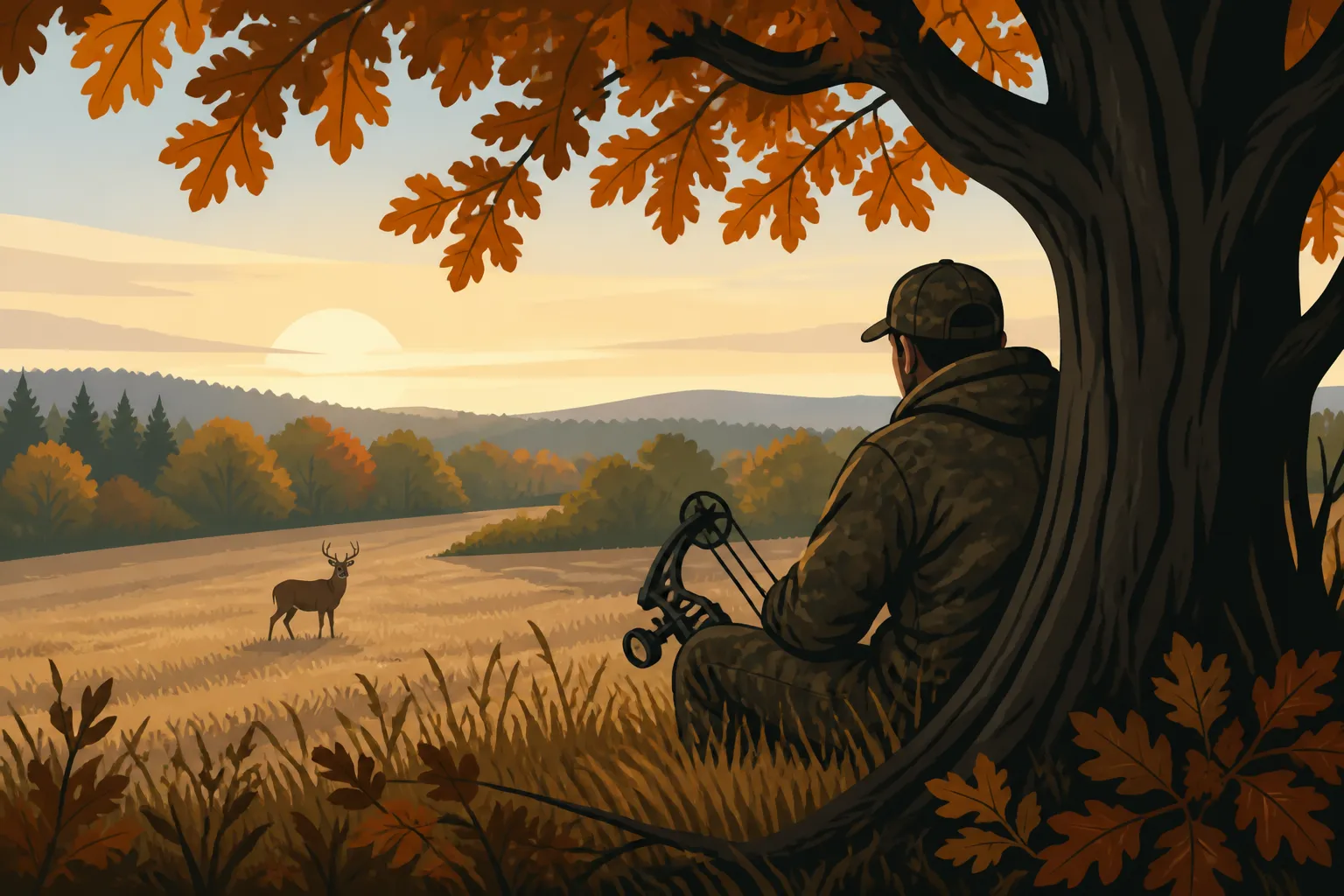
There's a reason seasoned hunters spend so much time under oak trees: they're food magnets. When acorns drop, especially after a good mast year, deer become incredibly focused on these fatty, nutritious morsels. But it's not enough to just see acorns on the ground; you need to know who's eating them.
What Exactly Are Acorn Cuttings?
Acorn cuttings are simply the remnants of acorns that have been eaten by various critters. When an animal consumes an acorn, it often leaves behind distinct evidence of its meal. This could be a tiny pile of shell fragments, a neatly gnawed-out cup, or even just a discarded cap. These seemingly small details are actually huge clues, like breadcrumbs leading you directly to where deer are spending their time feeding. Think of it like a detective scene – each fragment tells a story about the diner and how recently they were there. Without learning to read these, you're missing a critical piece of the deer hunting puzzle, especially here in Minnesota where oak timber is abundant.
Why Cuttings Signal Prime Deer Activity
For whitetail deer, acorns are a powerhouse food source, especially in the crucial pre-rut and early rut periods. They're packed with carbohydrates and fats, providing essential energy for antler growth, fawn production, and building up reserves for the long Minnesota winter. When you find an area with a lot of fresh acorn cuttings, you've stumbled upon a whitetail hotspot. It means deer are actively feeding there, not just passing through. They might be spending hours under those trees, methodically cleaning up the fallen mast.
This active feeding draws deer in like a magnet, concentrating them in specific areas that might otherwise seem unremarkable. It's often the difference between seeing a deer just cruising through and catching one with its head down, thoroughly committed to a food source. Especially as the season progresses and other food sources dwindle, those productive oak stands become even more critical. Knowing how to identify these areas can dramatically increase your chances, whether you're planning a quiet still-hunt or thinking about Deer Drives With Three or Four Hunters later in the season.
Differentiating Between Deer and Other Critters
The biggest challenge with acorn sign is discerning who made the cuttings. Squirrels, turkeys, and even bears will feast on acorns. The key is to learn the tell-tale signs that point specifically to a whitetail deer. This isn't just about identification; it's about understanding behavior.
The Distinctive Sign of a Whitetail Meal
Deer are not dainty eaters when it comes to acorns. They'll typically pick up an acorn, crush it with their molars, and swallow it, shell and all. This process leaves behind very specific evidence:
- Crushed Fragments: You'll find larger, often flattened or coarsely broken pieces of shell. These fragments will look like they were crushed rather than neatly gnawed.
- No Clean Edges: Unlike a squirrel, a deer isn't meticulously picking the nut meat out of the shell. There won't be fine, shredded pieces or a perfectly hollowed-out shell. It's more of a general pulverization.
- Location: Deer often leave cuttings in small, concentrated piles where they've stood and fed. You might even see tracks in the soft leaf litter right around these piles. If you find multiple piles of these crushed fragments, spread out over a small area, that's a very strong indicator of deer activity.
- Freshness: Fresh deer cuttings will look moist and might still have some green tint if the acorns were recently fallen. Older cuttings will be dry, brittle, and faded. The freshest sign, often within the last 24 hours, is what you’re really looking for to tell you where deer are now.
Recognizing Squirrel, Turkey, and Other Foragers
While deer sign is distinctive, other animals also leave their mark. Misidentifying these can lead you down the wrong path.
- Squirrels: These bushy-tailed bandits are the masters of acorn consumption, and their sign is the most easily confused with deer. Squirrels meticulously gnaw through the shell to get to the nut meat. You'll typically find:
- Fine, Shredded Pieces: Often a pile of very small, shredded shell fragments, sometimes looking like sawdust.
- Cleanly Gnawed Edges: The edges of the shell pieces will often show distinct chew marks, like tiny chisel cuts.
- Hollowed Shells: Sometimes you'll find an almost perfectly hollowed-out acorn shell, with a small hole where the squirrel extracted the nut.
- Caps Attached: Squirrels often leave the acorn cap still attached to a piece of the shell, whereas deer are less precise.
- Turkeys: Wild turkeys will also eat acorns, but their method is generally less messy. They might swallow smaller acorns whole or crush larger ones in their gizzard. You might find:
- Minimal Fragments: Fewer, larger fragments compared to squirrels or deer, as much of it is ingested.
- Scratches in Leaf Litter: Turkeys are notorious for scratching and raking through leaf litter to find food, leaving distinct fan-shaped scratch marks in the leaves around the base of the oaks.
- Bears: While less common, especially in southern Minnesota, bears in the northern forests will definitely eat acorns. They're more likely to consume vast quantities, often crushing them entirely and leaving very little identifiable cutting. If you're in bear country, look for more generalized disturbance, scat, and perhaps claw marks on the trees, along with any crushed acorn remnants.
Here’s a quick reference table to help you keep these distinctions straight:
| Animal | Acorn Cutting Characteristics | Other Key Sign |
|---|---|---|
| Deer | Coarsely crushed, larger fragments; flattened pieces; no clean gnaw marks; often in small piles. | Hoof prints, droppings (pellets), rubs, scrapes. |
| Squirrel | Fine, shredded pieces; clean, chiseled gnaw marks; hollowed-out shells; often leaves cap attached. | Squirrel tracks, bark rub marks on trees, chattering sounds. |
| Turkey | Minimal, larger fragments if crushed; many whole acorns may be consumed. | Distinct fan-shaped scratch marks in leaf litter, turkey tracks, droppings (J-shaped for gobblers, coiled for hens). |
| Bear | Generally few distinct fragments, more generalized consumption; possible large piles of crushed shells. | Bear scat, track impressions, claw marks on trees, disturbed ground. |
Knowing this difference is crucial. You don't want to set up your stand over a squirrel feeding frenzy when you're after a buck.
Locating Productive Oak Stands in Minnesota
Once you know what to look for, the next step is finding the right trees. Not all oaks are created equal, and their location within the landscape can dramatically affect how deer use them. This is where scouting, both virtual and on-the-ground, really pays off.
Identifying Key Oak Species for Deer Food
Minnesota is home to several oak species, and understanding which ones are most attractive to deer, and when, is vital.
- White Oaks (e.g., White Oak, Bur Oak): These are often the deer's first choice. White oak acorns generally have lower tannin content, making them less bitter and more palatable. They also tend to drop earlier in the fall. If you find a stand of white oaks or bur oaks, especially after a good mast crop, you’ve likely found a primary food source. Deer will often prioritize these until they're gone. A mature bur oak can drop an incredible amount of large, sought-after acorns.
- Red Oaks (e.g., Northern Red Oak, Pin Oak, Scarlet Oak): Red oak acorns have higher tannin levels, making them more bitter. They also typically mature and drop later in the fall, sometimes well into late November or even December. While deer prefer white oaks first, red oaks become a critical food source when white oak acorns are depleted or in years when white oak production is low. This makes red oak stands excellent locations for late-season hunting. When you're considering a Cold-Weather Sitting Strategy in Minnesota, a productive red oak stand can be the key to success.
- Pin Oaks: A type of red oak, pin oaks often grow in wetter, low-lying areas, which can be less accessible but highly attractive once the ground freezes. Their smaller acorns are still a valuable food source.
Using a mapping tool like GoHunt can be incredibly helpful here. You can often identify different tree types based on their canopy shape and color in high-resolution aerial imagery, helping you pinpoint potential oak stands even before you lace up your boots. Once you're on the ground, confirm the species by looking at the leaves and bark.
Terrain and Habitat That Holds Acorns
Acorn production isn't random; it's heavily influenced by soil, sunlight, and moisture. Deer also prefer to feed in certain types of terrain.
- Ridge Tops and Slopes: Many productive oak stands are found on well-drained ridge tops or south-facing slopes. These areas often receive more sunlight, which can lead to better acorn production. Deer also feel more secure feeding on higher ground, with good visibility, allowing them to detect predators. When you're Reading a Ridge for Northern Minnesota Deer, always be on the lookout for oak concentrations.
- Transitional Zones: Look for oak stands located near bedding areas or thick cover. Deer don't want to travel far from safety, especially when they're focused on feeding. An oak flat or ridge that transitions into a thick cedar swamp, a dense clear-cut, or a conifer bedding area is a goldmine. This proximity allows deer to quickly move between feeding and secure cover. You'll often find these types of areas on public land in places like the Chippewa National Forest.
- Water Sources: While not directly related to acorn production, oaks near a reliable water source can concentrate deer further. After a big meal of dry acorns, deer will often seek water.
- Soil Type: Oaks generally prefer well-drained, slightly acidic to neutral soils. Areas with good topsoil will typically have healthier, more productive oak trees.
- Historical Knowledge: Don't underestimate local knowledge or your own past experiences. If a certain oak flat produced well for you a few years ago, it's worth checking again, even if it was a Hunting After a Poor Acorn Year recently. Mast production runs in cycles, and a good year can pop up unexpectedly.
Scouting these areas before the season begins is paramount. Using your GoHunt app, you can mark potential oak stands, identify terrain features, and plan your approach routes, helping you efficiently check multiple locations for fresh cuttings and other deer sign like tracks, rubs, and scrapes. This strategic planning can save you countless hours of wandering aimlessly.
Translating Cuttings into Hunting Strategy
Finding acorn cuttings is one thing; using that information to put a deer in your sights is another. This requires understanding deer behavior, timing, and intelligent stand placement. It's about taking those pieces of evidence and turning them into a cohesive plan.
Timing Your Hunt Based on Acorn Drop
The timing of the acorn drop significantly influences when and where deer will be feeding.
- Early Fall (Late September/Early October): This is often when white oak acorns begin to drop. If you have active white oak stands, this can be a fantastic time for early archery season hunting. Deer will be hammering these desirable acorns, making them predictable. Your focus should be on finding the freshest sign under these trees. This timing is perfect for Bowhunting Minnesota's Long Archery Season.
- Mid-Fall (Mid-October/Early November): As white oak acorns dwindle, deer might shift their focus to red oaks or other food sources. However, in good red oak years, these trees will now be dropping their mast. This period often coincides with the pre-rut and early rut, and deer still need those calories. Active red oak stands can be incredibly productive during this crucial time. When you're Hunting the Rut in Late October, don't overlook a good acorn crop.
- Late Fall/Early Winter (Late November/December): Red oak acorns, due to their higher tannin content, are often still available and edible even after heavy frosts and snow. They can be a vital food source when other options, like agriculture fields, are covered in deep snow or harvested. Finding fresh cuttings under red oaks during the muzzleloader season or late firearm season can be a game-changer. These late-season food sources can concentrate deer that are trying to pack on calories for the winter.
The key is constant scouting. Acorn crops can vary wildly from year to year and even from ridge to ridge. What was hot last year might be barren this year, or vice-versa. Regularly check your known oak stands, looking for fresh cuttings and observing the overall mast crop.
Setting Up Near Active Feeding Areas
Once you've identified an active oak stand with plenty of fresh deer cuttings, your next move is critical. Stand placement and approach need to be carefully considered to capitalize on the deer's predictable feeding patterns.
- Wind is King: Always play the wind. Deer will often approach an acorn flat with the wind in their favor, or circle downwind before committing. Your stand needs to be positioned so that your scent blows away from their likely approach and feeding areas. If you're hunting a ridge, understanding Wind and Thermals on a Minnesota Ridge is absolutely essential, as thermals can shift throughout the day.
- Identify Entry/Exit Routes: Deer usually have preferred paths to and from feeding areas. Look for well-worn trails leading from thick cover (bedding areas) to the oaks. Set up your stand along these trails, but slightly off to the side, giving you a shot opportunity without being directly in their line of travel. A well-placed stand in a transitional zone can intercept deer moving to and from the oaks. For more ideas, consider proven Treestand Setups in Minnesota Hardwoods.
- Concealment and Cover: Whether you're in a treestand or a ground blind, concealment is crucial. Use the natural cover around the oak trees to break up your silhouette. Make sure you have a clear shooting lane to the most active feeding spots, but don't over-trim to the point of exposing yourself.
- Patience: Deer often feed for extended periods under productive oak trees, especially during daylight hours if they feel secure. Once you're set up, be patient and allow time for deer to arrive. Early morning and late afternoon are generally prime times, but during the rut, deer can be up and moving anytime.
- GoHunt Mapping for Stand Placement: Use your GoHunt app to mark the exact locations of fresh cuttings, primary trails, and potential bedding areas. You can then use the app's wind direction overlay to help determine the best stand locations for different wind scenarios. Mark your potential stand sites and plan your entry and exit routes to minimize disturbance. This mapping capability allows you to visualize the entire hunting puzzle from a strategic perspective. Don't forget that scouting with GoHunt can help you to efficiently find Finding Sign in Minnesota Big Woods.
By meticulously reading the cuttings under an oak, understanding the nuances of different oak species, and then applying this knowledge to your hunting strategy, you're not just hoping for luck—you're actively making informed decisions that dramatically increase your odds of success in the Minnesota deer woods.
Disclaimer
Hunting is an inherently dangerous activity. Always prioritize safety, adhere to all Minnesota hunting regulations, and ensure you have the proper licenses and permits before heading into the field. This guide provides general information and recommendations, but conditions and regulations can change. Always consult the latest Minnesota Department of Natural Resources (DNR) guidelines and local ordinances.