Hunting the Mississippi River Backwaters
The Mississippi River backwaters in Minnesota are a true gem, offering some of the most diverse and challenging hunting opportunities in the state. If you’ve ever felt overwhelmed by the sheer scale of the river, the fluctuating water levels, or simply where to even begin, you're not alone. This guide aims to cut through that confusion, helping you unlock the incredible potential of these unique habitats for waterfowl, deer, and small game.
Understanding the Mississippi River Backwaters Ecosystem
The Mississippi River is more than just a waterway; it's a vast, interconnected system of channels, sloughs, lakes, and islands, particularly in the pooled sections of southeastern Minnesota. This complex environment can be daunting, but understanding its dynamics is the first step toward successful hunting. The constant ebb and flow of water, driven by rainfall, snowmelt, and the lock and dam system, profoundly shapes the habitat and dictates where game animals will be found.
The Dynamic Nature of the River System
Imagine a landscape that changes with the seasons, sometimes even week to week. That's the Mississippi backwaters. Water levels are constantly shifting, affecting everything from boat access to the availability of food sources for ducks and deer. High water might flood timber and expose new pockets of still water, creating temporary havens for dabblers, while low water can expose vast mudflats, drawing in shorebirds and offering new areas to scout for deer sign. Hunters often experience frustration when their favorite honey hole from last year is either bone dry or under ten feet of water the next season. It takes constant scouting and adaptability to stay on top of these changes. Paying attention to river forecasts and historical water levels is crucial for planning your trips and understanding what to expect when you arrive.
The lock and dam system, particularly from Pool 4 near Lake City down to the Iowa border, creates distinct "pools" of water. These pools are designed for navigation, but they also create unique ecological zones. Upstream of a dam, the water often spreads out, forming wide, lake-like expanses with extensive backwater complexes. Downstream, the river becomes more channelized, with strong currents and fewer sprawling backwaters, though hidden sloughs still exist. Each pool has its own character, influencing the type of hunting available and the species that thrive there. For example, Pool 8 near La Crosse/La Crescent is renowned for its vast waterfowl marshes, while other pools might offer more timbered islands attractive to deer.
Key Habitat Types and What They Offer
The sheer variety of habitat within the backwaters is what makes it so rich for hunting. You're not just looking at one type of cover; you're looking at a mosaic of environments, each supporting different species and requiring different hunting approaches. From vast open expanses of emergent vegetation to dense river bottom timber, the opportunities are endless if you know where to look.
One of the most prominent features of the backwaters are the extensive stands of emergent vegetation. Think cattails, wild rice, smartweed, and various sedges. These areas are absolutely critical for waterfowl, providing both food and cover. Ducks will use these dense patches for loafing, feeding on seeds, and seeking refuge from hunting pressure. Setting up in these areas, particularly on points or within natural openings, can be incredibly productive for duck hunting. Often, the challenge is simply finding a spot thick enough to conceal your Layout Blinds and Marsh Boats while offering good visibility. These vegetated areas also act as natural travel corridors and bedding areas for deer, especially the thicker, drier sections.
Beyond the marshes, you'll find islands and river bottoms dominated by hardwoods like silver maple, cottonwood, and willow. These timbered areas are prime deer habitat, especially when they offer higher ground during fluctuating water levels. Bucks will often cruise these islands during the rut, and acorns from oaks (where present on higher ground) can be a significant food source. Even during high water, deer will find ways to move through these areas. For hunters interested in Hunting the La Crescent River Bottoms or other timbered sections, understanding how deer use these islands is key. Furthermore, these dense woods can hold a surprising number of squirrels and rabbits, providing additional small game opportunities for those willing to explore.
Species You Can Hunt in the Backwaters
When people think of Mississippi River hunting, waterfowl usually comes to mind first, and for good reason. But the backwaters offer far more than just ducks and geese; they hold thriving populations of deer and a variety of small game and furbearers that often go overlooked.
Waterfowl: The Primary Draw
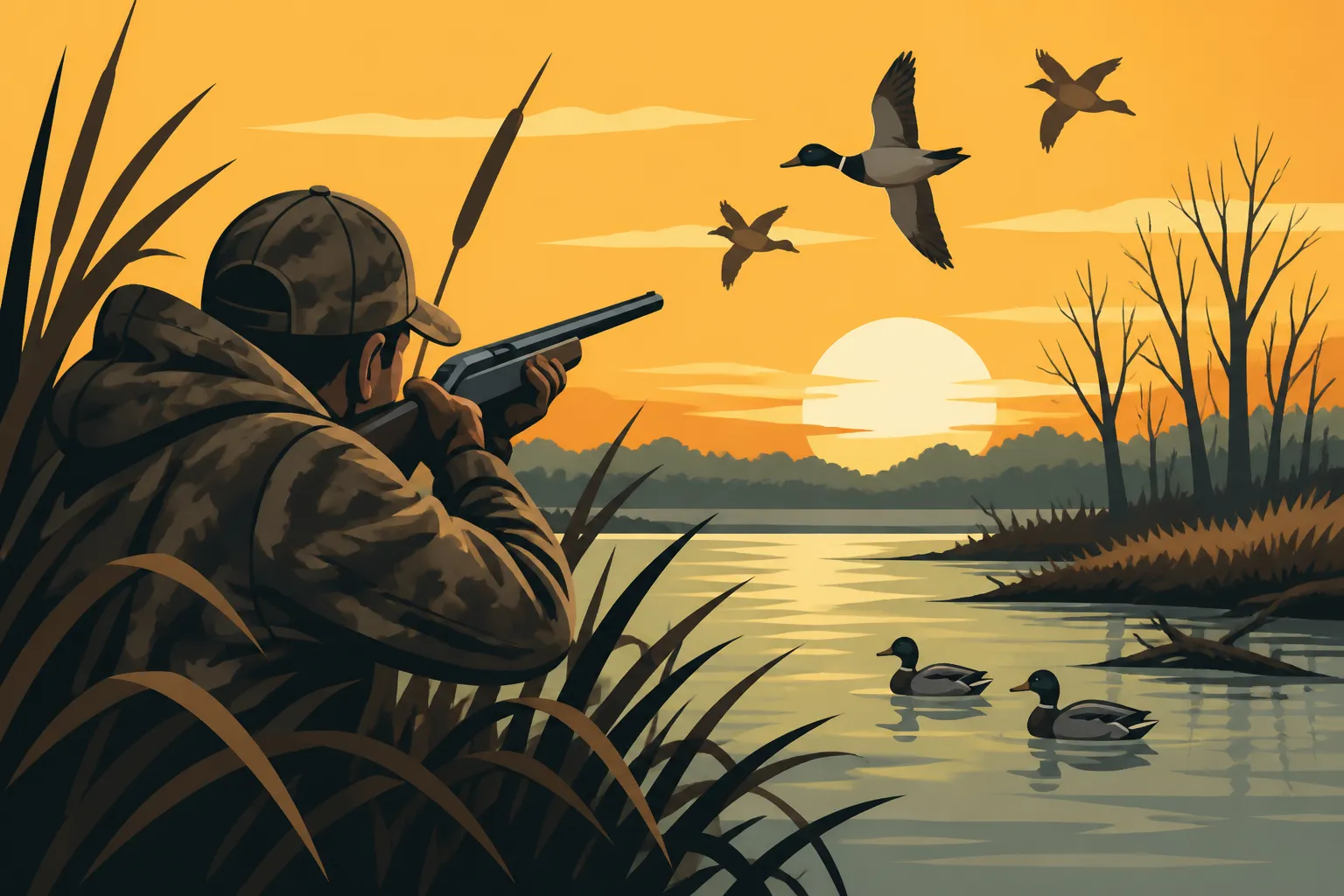
For many, the Mississippi River backwaters are synonymous with waterfowl hunting. The river is a major artery of the Minnesota Waterfowl Zones and Seasons and the entire Mississippi Flyway, funneling millions of ducks and geese through Minnesota each fall. It's a truly spectacular migration, and being out on the water, watching the dawn break over a marsh, is an experience like no other. From early teal season to the late-season divers, there's a constant flow of new birds.
You'll encounter a wide variety of ducks, including mallards, wood ducks, pintails, gadwall, wigeon, and various diving ducks like canvasbacks, redheads, and bluebills. Early in the season, wood ducks and local mallards are abundant, often found in flooded timber or smaller, protected sloughs. As the season progresses and colder weather pushes birds south, the big flights of northern mallards, teal, and divers start to arrive. Hunting these birds often requires different tactics and decoy spreads. For instance, dabblers might prefer shallow water and feed on emergent vegetation, while divers often congregate in deeper, more open water areas, feeding on submerged aquatic plants. It's crucial to know your Minnesota Duck Daily Bag Limit and species identification before you go. Remember your Minnesota Federal Duck Stamp Requirement as well!
Deer: Overlooked Opportunities
While most hunters focus on the upland forests or farmlands for deer, the Mississippi River backwaters offer fantastic, often less-pressured, deer hunting. The islands and river bottom timber provide excellent cover, food, and natural travel corridors. Deer here are often accustomed to human activity on the water, but they can be incredibly elusive in the thick cover. Hunting these areas requires a different mindset than typical big woods or farmland hunting.
Deer will use the islands and higher ground within the backwaters as core bedding areas, moving to adjacent agricultural fields (where available) or feeding on browse and mast within the river bottom itself. During the rut, bucks will actively cruise these islands, looking for does. A common frustration is finding deer sign on an island but struggling to figure out their travel patterns between islands, especially with fluctuating water. However, with careful scouting, especially using mapping tools like GoHunt to identify higher ground and potential crossings, you can pinpoint excellent ambush locations. These areas fall under the general Minnesota Deer Seasons and Permit Areas guidelines, so ensure you understand the specific rules for your chosen permit area.
Small Game and Furbearers
Don't overlook the potential for small game and furbearers in the backwaters. The same dense cover that makes for great deer and duck hunting also harbors squirrels, rabbits, and a variety of furbearers. Squirrels, particularly gray and fox squirrels, are abundant in the hardwood islands, especially where oaks and other mast-producing trees are present. A quiet morning hunt for squirrels can be a fun way to enjoy the river when duck activity is slow, or to scout new areas. Rabbits and snowshoe hares (further north) also thrive in the thick brush and tanglefoot found along slough edges and on brushy islands.
For those interested in Minnesota Trapping Seasons and Tagging, the backwaters are a furbearer paradise. Muskrats are incredibly common, building their characteristic houses throughout the marshes. Mink, otter, and even raccoons frequent the water's edge, offering good trapping opportunities. Coyotes can also be found on the larger islands and adjacent shorelines, especially in winter. Pursuing these species adds another layer of outdoor enjoyment to the already rich backwater experience.
Essential Gear and Equipment for Backwater Hunts
Hunting the Mississippi River backwaters isn't like hunting a simple pond or a deer stand near a field. The unique environment demands specialized gear, primarily centered around water travel, concealment, and safety. Cutting corners here can lead to frustrating, even dangerous, situations.
Boats, Motors, and Transportation
Your boat is arguably the most critical piece of equipment for backwater hunting. Accessing many prime locations is impossible without a reliable vessel. Flat-bottomed john boats or specialized duck boats are often preferred due to their stability, shallow draft, and ability to navigate through thick vegetation and over submerged obstacles. A heavy-duty aluminum boat, perhaps 14 to 16 feet, with a durable hull, is ideal. Many hunters swear by brands like Alumacraft or Lowe for their robustness in tough conditions.
The motor choice is equally important. A reliable outboard motor, typically 15-30 horsepower, is standard for getting across larger stretches of water and through the main channels. However, a shallow-water drive motor (like a mud motor or surface drive) can be a game-changer for navigating through dense weeds, shallow mudflats, and over submerged logs where a traditional prop would foul or get stuck. These specialized motors, from brands like Gator-Tail or Go-Devil, allow access to areas traditional boats simply can't reach, opening up new hunting grounds. Always carry enough fuel, paddles or an oar for backup, and essential tools for minor repairs. For longer paddles into remote sloughs, a sturdy canoe, like those from Wenonah Canoe, can also be invaluable, allowing stealthy access for waterfowl or even to reach deer islands.
Decoys, Blinds, and Concealment
Effective concealment is paramount in the open nature of many backwater environments. Whether you're targeting ducks or deer, you need to blend seamlessly into your surroundings. For waterfowl, a good spread of decoys is essential. Depending on the species you're targeting, you'll want a mix of mallards, teal, wood ducks, and possibly divers. Don't be afraid to experiment with numbers; sometimes a smaller, realistic spread works better, while other times a large "power spread" is needed to attract high-flying birds. Motion decoys, like spinning wing teal or flapping mallards, can also significantly increase your drawing power, especially on calm days.
Blinds can range from simple natural cover to elaborate permanent structures or portable pop-up blinds. For most backwater hunting, portable options are key due to the dynamic nature of water levels and bird movements. Layout blinds (like those from Avery Outdoors) are excellent for field edges or hidden mudflats, allowing hunters to remain low profile. Boat blinds that attach to your john boat, often constructed with natural vegetation like cattails or raffia grass, offer mobile concealment. Many hunters will even use a simple camouflaged tarp and some local vegetation to brush in a blind quickly. No matter your choice, ensure it's well-brushed in and blends perfectly with the background, keeping your silhouette broken up.
Clothing and Safety Gear
The Mississippi River can be an unforgiving environment, particularly during the colder hunting months. Layering is critical for staying warm and dry. Start with a moisture-wicking base layer, add insulating layers (fleece or wool are excellent), and top it off with a waterproof and windproof outer shell. Wool is a fantastic choice for insulation because it retains its warmth even when wet. Think about high-quality brands like Sitka Gear or First Lite for their specialized hunting apparel.
Waders for Minnesota Marsh Hunting are non-negotiable for waterfowl hunters. Chest waders, preferably insulated neoprene or breathable GORE-TEX, are essential for setting decoys, retrieving birds, and maneuvering through shallow water. For colder weather, insulated rubber boots are a must to protect against numb feet. Don't forget durable, waterproof gloves that still allow for dexterity. Given the variable conditions, it's also a good idea to bring extra clothing in a dry bag, just in case.
Safety on the water cannot be overstated. A U.S. Coast Guard-approved life vest or PFD is mandatory and should be worn, especially when running your boat or operating in strong currents. Carry a whistle, a powerful headlamp (like those from Fenix or Coast), and a fully charged cell phone. A waterproof VHF radio is also a smart addition for communicating with other hunters or emergency services, especially in areas with spotty cell service. A basic first-aid kit, a tow rope, and a knife are also essential items for any backwater adventure.
Navigating Access and Regulations
Hunting the Mississippi River backwaters involves a unique blend of state and federal regulations, given that much of it falls within federal refuge systems. Understanding where you can go, what you can hunt, and the specific rules is paramount to a successful and legal hunt. Don't just assume; always verify the rules for your specific hunting location.
Public Access Points and Boat Ramps
One of the great advantages of the Mississippi River is the extensive public access. There are numerous boat ramps managed by local municipalities, the Minnesota DNR, and the U.S. Fish and Wildlife Service (USFWS) along its length, especially in the southeastern pools. Towns like Lake City, Wabasha, Winona, and La Crescent offer convenient points to launch your boat. These ramps often lead directly into the main river channel, from which you can then navigate into the backwater sloughs and marshes.
Before heading out, it's always wise to consult detailed maps or mapping applications like GoHunt. These tools can show you public access points, river depths, and the boundaries of different management areas. For example, if you're targeting the highly productive Weaver Bottoms Waterfowl Access area, knowing the nearest and most convenient ramp (often near Weaver or Kellogg) is essential. Parking can also be a challenge on busy weekends, so arrive early. Be aware that some backwater areas may require a longer boat ride through the main channel before reaching huntable marshes, so factor in travel time and fuel.
Understanding Waterfowl Zones and Rules
The Mississippi River is a critical part of Minnesota's waterfowl hunting framework, falling within specific zones that dictate season dates and bag limits. It's vital to know which Minnesota Duck Zone Boundaries you're in, as regulations can vary. For instance, most of the Mississippi River within Minnesota is part of the state's South Zone for ducks.
Beyond state regulations, a significant portion of the backwaters falls within the Upper Mississippi River National Wildlife and Fish Refuge. This federal designation means additional rules apply. The refuge has specific zones (e.g., open hunting, closed hunting, retrieve-only areas, closed refuges within the refuge) and sometimes different shooting hours or boat motor restrictions. Many areas are closed to hunting until specific dates or entirely, serving as vital sanctuaries for migrating birds. For example, some parts of the Upper Mississippi Refuge Hunting have delayed openers or specific regulations regarding when you can set decoys or access certain areas. Always check the annual USFWS refuge brochure for the Upper Mississippi River, as these rules are critical and strictly enforced. Failure to comply can result in substantial fines and loss of hunting privileges.
Deer and Other Species Regulations
While waterfowl often takes center stage, don't forget the regulations for deer and other game. Deer hunting in the backwaters generally follows the statewide Minnesota Deer Seasons and Permit Areas and weapon-specific rules (archery, firearm, muzzleloader). However, deer hunting within the federal refuge boundaries can have unique restrictions. Some refuge areas may have different season dates, special permits, or restrictions on methods of take. Always consult the specific refuge regulations alongside the Minnesota DNR regulations for the permit area you intend to hunt. For example, if you plan to hunt deer on an island within the refuge, verify that deer hunting is permitted in that specific unit.
For small game like squirrels and rabbits, the statewide Minnesota Small Game and Upland Bird Seasons apply. Similar to deer, if you are hunting within the federal refuge, ensure that small game hunting is permitted in your chosen area. Furbearer trapping is also regulated by statewide Minnesota Trapping Seasons and Tagging and requires proper licenses and adherence to set-back distances from roads and dwellings. Always be mindful of land ownership (state, federal, private) within the backwaters; while much is public, pockets of private land exist, and trespassing laws are strictly enforced.
Effective Hunting Strategies for Different Species
Hunting the Mississippi River backwaters demands a flexible approach. What works for ducks in a cattail marsh might not work for deer on a timbered island. Understanding the specific behaviors of each species and tailoring your tactics accordingly is key to consistent success.
Waterfowl Tactics: Decoys, Calls, and Scouting
Waterfowl hunting in the backwaters is an art form. It begins with relentless scouting. You can't just pick a spot on a map; you need to find where the birds are actually feeding and loafing. This means spending time before the season and between hunts observing bird movements, identifying key feeding areas, and noting preferred roosting spots. Use tools like GoHunt to mark potential areas and track water levels. Pay attention to wind direction, as birds almost always land and take off into the wind, which will dictate your blind placement.
Decoy spreads are crucial, but the "best" spread varies. For dabbling ducks (mallards, wood ducks, teal), a spread that mimics a feeding flock in shallow water is often effective. Use a mix of active feeders, resting birds, and perhaps a few motion decoys. Place some decoys within easy shooting range, with an open landing zone directly in front of your blind. For divers (canvasbacks, redheads), larger, more spread-out rigs in deeper water, often with "J" or "V" patterns, can be more effective at pulling in fast-moving flocks. Use good quality decoys that look realistic, and keep them clean to prevent unnatural glare.
Calling is another critical skill. Learn to make realistic quacks, greetings, and feeding chuckles for mallards. For wood ducks, a sharp whistle can often get their attention. Don't overcall, especially on pressured birds. Sometimes, less is more. A soft chuckle or a single quack is all you need to finish birds already committed to your spread. Calling can be particularly effective on foggy or overcast days when birds are flying lower and looking for guidance. Always ensure your blind is well-hidden and provides excellent shooting lanes. Accessing your chosen spot quietly in the dark is also vital; use a trolling motor or paddle as much as possible to avoid spooking birds with a loud outboard. Consider getting a Dog Vests for Cold Water Retrieves for your retriever, as the cold river water can be dangerous for them.
Deer Hunting Strategies in River Bottoms
Deer hunting in the backwaters can be incredibly rewarding, offering a wilderness feel even close to civilization. The key here is understanding deer movement in a constantly changing environment. Look for high ground, even subtle rises, on islands that provide dry bedding during fluctuating water levels. These areas will concentrate deer. Identifying natural funnels created by sloughs, dense vegetation, or changes in water depth can lead to excellent stand locations. Deer will often follow the path of least resistance.
Scouting for deer sign, such as rubs, scrapes, and trails, is essential. However, realize that some sign might be quickly washed away by rising water. Look for older, established rubs on mature trees that indicate consistent use. Pay particular attention to transition areas – where timber meets marsh, or where thick cover meets a more open island edge. These are natural travel corridors. Using a portable treestand or a ground blind (brushed in heavily) can be effective. Consider hunting during periods of stable or slightly falling water when deer are more predictable. If you're targeting deer during the early archery season, consider Bowhunting Minnesota's Long Archery Season in these areas, as the thick cover can allow for close encounters. Remember that during the firearm season, you'll need to wear How Much Blaze Orange Minnesota Requires.
One effective tactic is to use your boat for access, then slip into an island on foot, much like a still-hunter. This minimizes disturbance and allows you to cover ground quietly. Hunting the edges of known bedding areas at first light or last light can be productive. Also, don't overlook pinch points between islands or along the main river channel where deer might swim across, especially during the rut.
Tips for Small Game and Trapping
Small game hunting in the backwaters, particularly for squirrels, offers a relaxed yet engaging experience. Head to the hardwood islands, especially those with mature oak, hickory, or other mast-producing trees. Early mornings are best when squirrels are most active, feeding on the forest floor. A small gauge shotgun (like a .410 or 20 gauge) or a .22 rifle is ideal. Move slowly and quietly, stopping often to scan the trees and listen for their chatter. Remember that leaves on the ground can be very noisy, so pick your steps carefully.
For rabbits and hares, focus on the thickest brush, briar patches, and tangled undergrowth along the edges of islands and sloughs. These areas provide both food and escape cover. Hunting with a small game dog, like a beagle, can be incredibly effective, pushing rabbits out of dense cover. Otherwise, a slow, methodical push through the thickets with a partner can often flush game.
Trapping furbearers in the backwaters requires a good understanding of animal behavior and trap placement. Muskrats are often found along the edges of cattail marshes and around their lodges. Mink and otter frequent logjams, undercut banks, and narrow channels. Raccoons will forage along any water's edge. Set traps discreetly and in accordance with all state regulations, checking them regularly. Trapping in these areas can be a challenging but rewarding way to connect with the river's abundant wildlife during the colder months.
Disclaimer
Please note: Hunting regulations, permit area boundaries, and specific refuge rules can change annually. Always consult the official Minnesota Department of Natural Resources (DNR) regulations and any relevant U.S. Fish and Wildlife Service (USFWS) refuge brochures before planning your hunt. It is your responsibility to know and follow all applicable laws.