First Aid Kits for Remote Northwoods Ground
There's nothing quite like the solitude of hunting deep in Minnesota's Northwoods, miles from the nearest road or even a faint cell signal. The crunch of frost-covered leaves underfoot, the crisp scent of pine, the absolute quiet broken only by a raven's call – it's pure magic. But that peaceful isolation, as beautiful as it is, can turn frighteningly fast if you or someone in your hunting party faces an unexpected injury or medical emergency. This guide is all about helping you prepare for those "what if" moments, ensuring you have the right tools and knowledge to handle emergencies when you're far off the beaten path, where help is hours, not minutes, away.
The Unique Risks of Remote Northwoods Hunting
Venturing into the vast, wild landscapes of Minnesota's Northwoods comes with an undeniable allure, but also a distinct set of challenges that can amplify the severity of any medical issue. It's not like tweaking an ankle on a city sidewalk where an ambulance is minutes away. Out here, every minor incident has the potential to become a major ordeal.
Distance from Medical Care and Communication Issues
The most obvious, and often most overlooked, risk factor in the Northwoods is simply the sheer distance. When you're miles into a state forest or deep within the Superior National Forest, you're not just a short drive from the nearest clinic. We're talking about hours, sometimes even a full day, to get to a paved road, let alone an emergency room. A simple cut that might need stitches in town becomes a much more serious concern when infection could set in days before you reach help. Then there's the communication black hole. Cell service in the deep woods? Forget about it. You might get lucky on a high ridge, but for the most part, your phone is a camera and a map viewer, not an emergency contact device. This means you can't just call for help; you have to be the help, or at least be prepared to self-rescue or signal for assistance over a long period. This reality underscores why your first aid kit isn't just a precaution, but a critical piece of survival gear. When you're planning your trip, consider using tools like the Minnesota Recreation Compass App to scout for potential emergency rendezvous points or areas with slightly better chances of a signal, even if it's just a whisper.
Environmental Hazards and Common Hunting Injuries
Beyond the isolation, the Northwoods itself presents its own array of hazards. The terrain can be rugged and unforgiving – uneven ground, slippery rocks near streams, fallen timber, and thick underbrush all contribute to a higher risk of trips, falls, and sprains. And let's be honest, we're often carrying heavy packs, firearms, or bows, which only adds to the potential for injury. Think about the common injuries specific to hunting:
- Cuts and Lacerations: Field dressing game can lead to knife slips. Setting up a treestand can involve sharp tools. Even just walking through dense brush can result in nasty scrapes.
- Sprains and Fractures: Twisted ankles are probably the most common hunting injury, especially when navigating uneven terrain in the dark or under load. A fall from a treestand, while less common, can be catastrophic.
- Environmental Exposure: Hypothermia is a real threat, even in early fall, if you're caught in a cold rain and can't get dry and warm. Heat exhaustion can occur in warmer early-season hunts. Frostbite becomes a concern during Muzzleloader Tactics in December Cold or late-season sits.
- Puncture Wounds: Broadheads, sharp sticks, or even antler tines can cause deep wounds.
- Gunshot Wounds: While rare, they are obviously life-threatening and require immediate, specialized attention.
- Allergic Reactions: Bee stings, certain plants, or even food allergies can become critical if you're hours from epinephrine or antihistamines.
- Medical Emergencies: Beyond injuries, someone in your group could have a pre-existing condition, like diabetes or heart issues, that could flare up unexpectedly.
Understanding these specific threats helps you tailor your first aid kit to address the most probable and dangerous scenarios you might face. It's not about being paranoid, it's about being prepared for the realities of hunting in truly remote country.
Essential Components of a Northwoods First Aid Kit
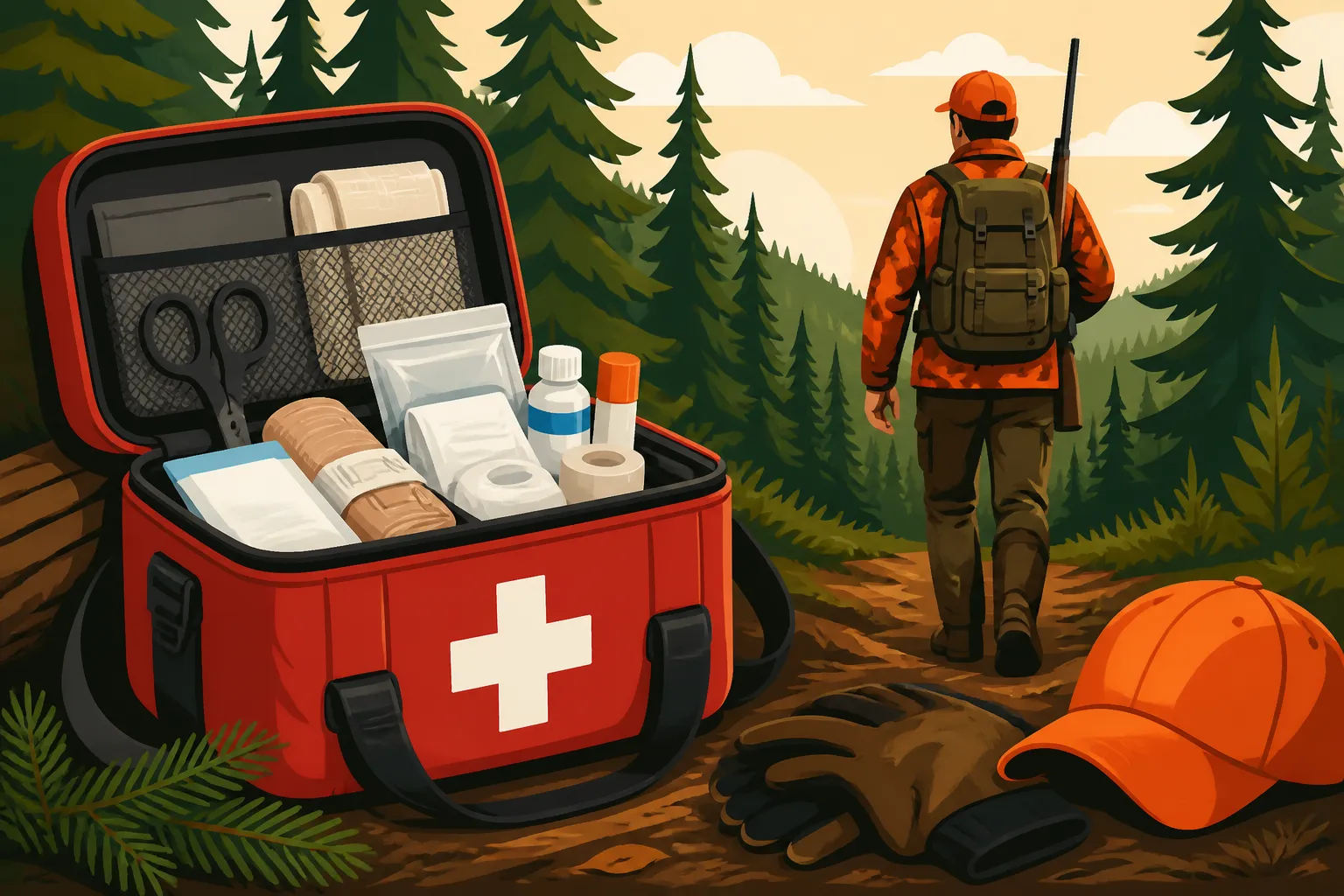
Building a first aid kit for remote hunting isn't about tossing a few band-aids into your pack. It's about a thoughtful assembly of items designed to stabilize, treat, and even prolong life until professional help can be reached. Think of it as your portable emergency room, scaled for the wilderness.
Basic Wound Care and Trauma Supplies
These are the core items for dealing with cuts, scrapes, and more serious bleeding. You'll want more than just a few sterile pads.
- Assorted Band-Aids: From small finger cuts to larger abrasions, a variety is key. Make sure some are waterproof.
- Gauze Pads and Rolls: Crucial for managing larger wounds. You'll want both sterile pads (4×4 inches is a good general size) and a roll of gauze to wrap and secure dressings.
- Medical Tape: Look for durable, waterproof medical tape that will hold dressings in place even in damp conditions.
- Antiseptic Wipes/Solution: Alcohol wipes or small bottles of povidone-iodine or chlorhexidine can help clean wounds and prevent infection, which is paramount when far from modern medicine.
- Wound Closure Strips (Steri-Strips): For smaller, clean cuts that might gape open, these can help keep the edges together, promoting better healing and reducing scarring.
- Moleskin or Blister Pads: Anyone who's spent a long day walking in heavy boots knows the misery of blisters. These are lifesavers.
- Trauma Dressings/Pressure Bandages: For serious bleeding, a large trauma dressing or a pressure bandage is essential. These can apply direct pressure to help control hemorrhage. Consider an Israeli bandage for its integrated pressure bar.
- Tourniquet: For severe, life-threatening arterial bleeding in a limb that can't be stopped by direct pressure, a reliable tourniquet (like a CAT or SOF-T Wide) is an absolute must-have. Make sure you know how to apply it correctly.
Medications and Personal Items
Beyond treating injuries, managing pain, allergies, or chronic conditions is vital.
- Pain Relievers: Over-the-counter options like ibuprofen (Advil, Motrin) or acetaminophen (Tylenol) are important for general aches, pains, and reducing fever.
- Antihistamines: Diphenhydramine (Benadryl) can treat allergic reactions, from insect bites to mild plant rashes. If someone in your party has severe allergies (to bee stings, for example), they absolutely need to carry their prescribed epinephrine auto-injector (EpiPen) and know how to use it.
- Anti-Diarrhea Medication: Nothing ruins a hunt faster than an unexpected gastrointestinal issue. Loperamide (Imodium) can be a godsend.
- Antacids: For heartburn or indigestion, especially after a long day of camp cooking.
- Prescription Medications: Anyone with chronic conditions (diabetes, heart conditions, asthma, etc.) must carry their personal medications in sufficient quantities, plus an extra day or two's supply. This also applies to things like inhalers or insulin.
- Personal Hygiene Items: Small hand sanitizer, sunscreen, and insect repellent. Mosquitos and ticks are more than just annoying; they can carry diseases.
Emergency Tools and Signaling Gear
These are the items that help you deal with the wider scope of a wilderness emergency, beyond just immediate medical treatment. They're about survival and making yourself found.
- Emergency Blanket (Mylar): Lightweight and compact, these can provide crucial warmth for someone in shock or suffering from hypothermia.
- Small Scissors and Tweezers: For cutting tape, gauze, or removing splinters. Essential for detailed wound care.
- Nitrile Gloves: Always wear gloves when treating wounds to protect both yourself and the injured person from potential contamination.
- Headlamp with Extra Batteries: Absolutely non-negotiable for working in low light or signaling after dark. You'll thank yourself when Blood Trailing After Dark in Minnesota.
- Whistle: A loud emergency whistle can travel much further than your voice for signaling for help.
- Fire Starter: Waterproof matches, a lighter, or a ferro rod. Being able to start a fire for warmth, signaling, or boiling water for sanitation is a critical survival skill.
- Satellite Messenger/PLB (Personal Locator Beacon): This is where modern technology truly shines in remote areas. Devices like a Garmin inReach or a SPOT device can send pre-programmed messages, track your location, and, most importantly, send an SOS signal with your exact coordinates to emergency services when you have no cell service. For any serious Northwoods adventure, this is arguably the single most important piece of safety gear you can carry. It provides a direct lifeline to the outside world, drastically reducing the "distance from medical care" problem. When planning a remote hunt, check out a topo map on an app like GoHunt to mark potential high ground for a satellite signal or the quickest egress route if you need to use your PLB.
Here’s a quick overview of categories and key items:
| Category | Basic Kit Items | Advanced Kit Additions (for remote/multi-day) |
|---|---|---|
| Wound Care | Band-Aids, antiseptic wipes, gauze pads, tape | Trauma dressing, wound closure strips, elastic bandage, irrigation syringe, splinting material, topical antibiotic ointment |
| Medications | Pain relievers, antihistamines | Anti-diarrhea, antacids, allergy meds (EpiPen if needed), personal prescriptions, hydrocortisone cream |
| Tools & Misc. | Scissors, tweezers, gloves, emergency blanket | Headlamp, whistle, fire starter, satellite messenger/PLB, water purification tablets, safety pins |
| Environmental Protection | Sunscreen, insect repellent | Lip balm, tick removal tool, instant cold/hot packs |
Customizing Your Kit for Your Hunt and Crew
A generic, off-the-shelf first aid kit is a great starting point, but it's rarely sufficient for the specific demands of a remote Northwoods hunting trip. You need to tailor it to your group, your destination, and the duration and intensity of your hunt.
Assessing Group Needs and Medical Histories
Before you even start packing, have an honest conversation with everyone in your hunting party about their medical history. This isn't about being nosy, it's about being responsible.
- Allergies: Does anyone have severe allergies to insect stings, certain foods, or medications? If so, ensure they carry their EpiPen or other prescribed allergy meds, and that at least one other person knows where it is and how to administer it.
- Chronic Conditions: Who has diabetes, asthma, heart conditions, or other ongoing medical issues? Make sure they have their medications, clearly labeled, and that you understand what to do in case of a flare-up. For example, knowing if a diabetic needs sugar or insulin in an emergency can be life-saving.
- Known Injuries: Is anyone nursing an old ankle sprain or a bad knee? Extra elastic bandages or support wraps might be wise.
- Training and Skills: Who in your group has first aid, CPR, or even advanced wilderness first aid training? This person should be designated as the primary responder, and their skills should influence the complexity of the kit.
This collective knowledge allows you to add specific medications or equipment that might be vital for your particular group. It’s also a good idea to keep a laminated card in your kit with each person’s name, relevant medical conditions, allergies, and emergency contact numbers (for home, not for the woods, since you might be using a satellite device to relay this information).
Considering Trip Duration, Terrain, and Weather
The Northwoods is a big place, and a day hunt for grouse near a gravel road is vastly different from a week-long deer camp in the Boundary Waters. Your kit needs to reflect these variables.
- Duration: A single-day hunt might get away with a more compact kit, focused on immediate stabilization. A multi-day expedition requires more supplies – extra bandages, more pain relievers, and enough personal medications to last the entire trip plus a buffer. Consider factors like How Long a Minnesota License Stays Valid to judge your commitment to a longer hunt and thus your medical preparedness needs.
- Terrain: Are you hunting steep bluffs in Southeast Minnesota or navigating dense cedar swamps up north? Rugged, uneven ground (common when Reading a Ridge for Northern Minnesota Deer) means a higher risk of sprains and falls, so include ankle braces or more robust splinting materials. If you're near water, like hunting Diver Hunting on Mille Lacs Open Water, waterproof containers for your kit are essential.
- Weather: Minnesota weather can turn on a dime. Early fall can be warm, requiring sun protection and hydration supplies. Late fall or winter hunts mean a much higher risk of hypothermia or frostbite. Ensure your kit includes appropriate items like Mylar blankets, chemical hand warmers, and extra layers of clothing (stored separately, but part of your emergency thinking). Cold-Weather Sitting Strategy in Minnesota will emphasize the importance of warmth, and your kit should support that.
- Activity: Are you still-hunting, doing deer drives, or sitting in a blind? The activity level and potential for specific injuries change. Someone climbing a tree for a stand needs different considerations than someone walking a flat field edge. When you're Treestand Setups in Minnesota Hardwoods, the risk of falls is very real, so having proper trauma supplies is paramount.
A good rule of thumb is to pack for the worst-case scenario you can reasonably imagine for your trip. It's better to have it and not need it than to need it and not have it, especially when you're hours from any kind of help.
Beyond the Band-Aid: Crucial Skills and Contingency Plans
Having a well-stocked first aid kit is only half the battle. The other, equally crucial half, is knowing how to use it, and what to do when things go really wrong. Think of your kit as a tool chest; without the skills to wield the tools, it's just a box of stuff.
Wilderness First Aid Training and Practice
I can't stress this enough: formal training is invaluable. A basic Red Cross first aid and CPR certification is a fantastic start, but for true Northwoods adventurers, a dedicated Wilderness First Aid (WFA) or even Wilderness First Responder (WFR) course is a game-changer.
- WFA Courses: These courses are specifically designed for people who spend time in remote areas. They teach you how to improvise splints, manage severe bleeding when professional help is delayed, deal with environmental emergencies like hypothermia and heatstroke, and make difficult decisions about evacuation. The emphasis is on long-term care and stabilization until you can self-evacuate or external help arrives.
- Hands-on Practice: Don't just take the course and forget it. Practice applying bandages, splints, and tourniquets. Familiarize yourself with every item in your kit. Can you apply a pressure bandage effectively under stress? Can you start a fire with cold, wet hands? These are skills that need to be drilled, not just read about. Imagine having to Field Dressing a Deer in Cold Weather with an injured hand – dexterity matters.
- Scenario Drills: With your hunting partners, run through hypothetical emergency scenarios. "Okay, John just twisted his ankle badly two miles in. What do we do?" or "Mary is having an allergic reaction and her EpiPen is deployed. What's next?" These discussions solidify plans and reveal gaps in your kit or knowledge.
The investment in time and money for a WFA course is minimal compared to the peace of mind and, potentially, life-saving knowledge it provides.
Emergency Communication and Evacuation Strategy
Even with the best kit and training, some emergencies will require external help. Having a plan for how to call for that help, and how to get the injured person out, is paramount.
- Satellite Messenger/PLB Plan: If you carry a satellite device (and you absolutely should for remote hunting), ensure everyone knows how it works. Discuss when you would hit the SOS button versus sending a non-emergency message. Confirm your subscription is active and that your emergency contacts are up-to-date. When using mapping applications like GoHunt, identify potential landing zones for helicopters or access points for ATVs/snowmobiles that could be relayed to rescuers if you ever need to use that SOS button.
- Leave a Trip Plan: Always, always, always tell a trusted person back home your detailed trip plan. This includes your exact hunting location, anticipated return time, who is with you, and what to do if you don't check in. This simple step is your most basic safety net. If you're heading out to hunt Hunting the Boundary Waters Canoe Country Deer, this becomes even more critical given the extreme isolation.
- Evacuation Routes: Before you even leave home, use your maps (both paper and digital like onX Hunt or GoHunt) to identify the quickest and safest evacuation routes from your hunting area to the nearest road or designated rendezvous point. Note terrain features, water crossings, and any potential obstacles. Knowing these routes ahead of time, especially in areas where you might be Finding Ground Others Walk Past, can save precious hours.
- Improvisation for Transport: In a true emergency, you might need to improvise a stretcher or a travois to move an injured person. Think about how you could use trekking poles, tarps, or sturdy branches to create a makeshift transport device. This is where creative problem-solving, learned through practice, comes into play.
Ultimately, a first aid kit for remote Northwoods hunting isn't just about what's inside the bag; it's about the comprehensive approach you take to safety. It's the gear, the knowledge, the skills, and the proactive planning that truly make you prepared for whatever the Minnesota wilderness might throw your way. Be safe out there, and happy hunting!
Disclaimer
This article is for general informational purposes only and does not constitute professional advice. Laws, prices and regulations vary by location and change over time. Consult a qualified professional for guidance on your specific situation.