Rubber Boots for Swamp Walking
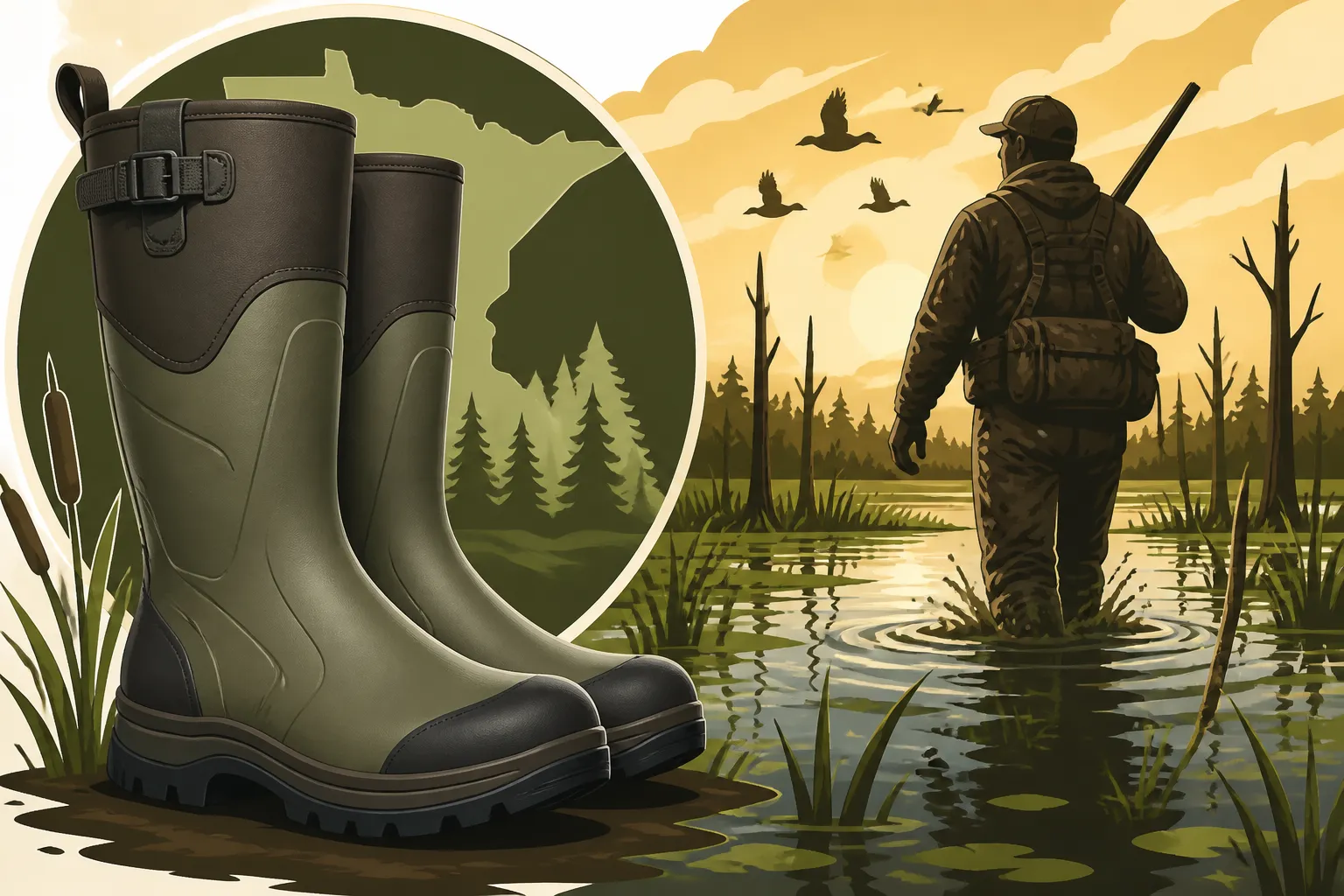
Navigating Minnesota's incredibly diverse and often notoriously wet hunting grounds can be a real challenge. You've probably experienced it: that sinking feeling, both literally and metaphorically, as cold swamp water or thick, gooey mud breaches your seemingly "waterproof" leather boots, leaving you with cold, squishy feet and a hunt that's cut short. This guide will walk you through why specialized rubber boots are your best friend in these conditions, what features truly matter, and how to make them work for you, ensuring your feet stay dry and your focus stays on the hunt.
The Harsh Reality of Minnesota's Wet Hunting Grounds
Minnesota is a land of 10,000 lakes, countless rivers, endless cattail sloughs, and low-lying forested areas that can turn into mucky quagmires after a good rain or during freeze-thaw cycles. Hunting in these conditions isn't just uncomfortable; it can be downright miserable and even dangerous if you're not properly equipped.
Why Your "Waterproof" Boots Still Let You Down
You've invested good money in those high-tech, GORE-TEX lined, insulated leather or synthetic boots, and they might perform admirably in a light drizzle or through damp grass. But let's be honest, Minnesota's wetlands are a different beast. The problem often isn't the "waterproof" membrane itself; it's everything else. Seams, stitching, gussets, and even the natural porosity of some materials can eventually fail under sustained submersion.
Think about it: when you're slogging through a cattail slough during Minnesota Waterfowl Hunting on Lakes and Potholes or pushing through knee-deep muck to access a stand in the Big Woods, water pressure is relentless. Even a tiny pinhole, a compromised seam, or simply topping out over the cuff of your boot means an immediate influx of icy water. Once that water gets in, it saturates the insulation and lining, and those boots that were supposed to keep you dry quickly become waterlogged sponges, taking forever to dry out back at camp. It's a frustrating cycle that many of us have been through, ruining more than one perfectly planned morning.
The Real Impact of Soggy Feet on Your Hunt
Beyond the obvious discomfort, cold, wet feet are a major detractor from a successful hunt. First, there's the distraction: every squish, every chill, pulls your focus away from scouting for sign, listening for game, or remaining still. It becomes an unbearable sensation that makes you constantly think about getting back to the truck. This shortens your effective hunting time significantly. Who wants to sit on a deer stand or still-hunt a ridge when your feet feel like ice blocks?
More seriously, wet feet increase the risk of frostbite and trench foot, especially during the colder periods of Muzzleloader Deer Hunting in Minnesota or when chasing late-season pheasants. Your body loses heat much faster when wet, and blood circulation to the extremities is compromised. This isn't just an old-timer's tale; it's a genuine health concern. Staying warm and dry is paramount to hunter safety and endurance, making proper footwear a non-negotiable part of your gear strategy.
Choosing the Right Rubber Boots for Minnesota Swamps
When it comes to tackling truly wet conditions, rubber boots stand in a class of their own. Their design inherently addresses the weaknesses of other footwear types, offering a robust barrier against water and mud.
Understanding True Waterproofing and Boot Construction
The primary advantage of rubber boots is their monolithic construction. Unlike boots with multiple layers of fabric, leather, and membranes that are stitched together, quality rubber boots are often molded as a single, seamless unit or have vulcanized seams that are incredibly strong and truly impervious to water. This means no tiny holes for water to seep through, no weak points where mud can work its way in.
You'll typically find rubber boots made from natural rubber, neoprene, or blends of the two. Neoprene, the same material used in wetsuits, adds significant insulation properties and flexibility. The height of the boot is also crucial. For serious swamp tromping, you'll want boots that come up at least to your mid-calf, if not knee-high. This extra height provides a critical buffer against deep mud and water, allowing you to confidently step into areas that would immediately overtop a shorter boot. Think about crossing a low spot in a creek bottom or working through a flooded timber stand – that extra few inches of boot shaft can mean the difference between dry feet and a soaked hunt.
Critical Features: Insulation, Traction, and Fit
Just saying "rubber boots" isn't enough; you need the right rubber boots for Minnesota.
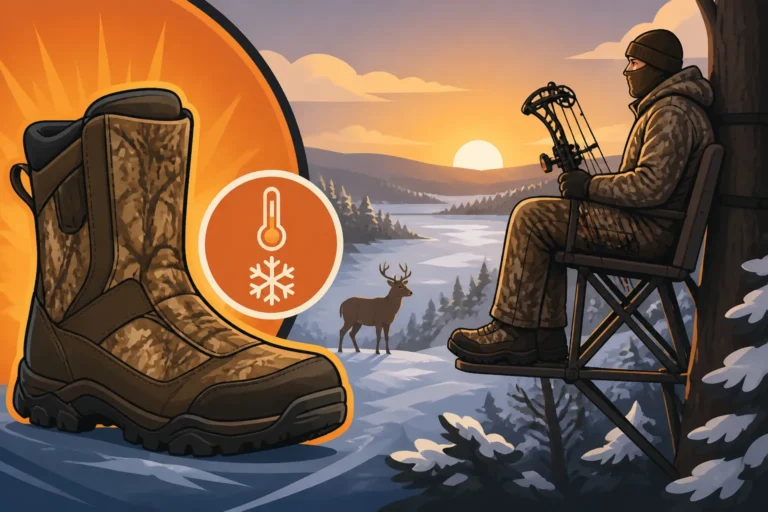
- Insulation: This is paramount for hunting in our climate. Neoprene is usually measured in millimeters (e.g., 3mm, 5mm, 7mm). For early season archery or waterfowl hunts on warmer days, 3mm might suffice. But for late fall deer seasons or serious cold-weather sits, 5mm or even 7mm of neoprene is a game-changer. Some boots also incorporate internal fleece linings or other synthetic insulators. Don't rely solely on a manufacturer's "comfort rating"; those are often optimistic. Instead, consider your own tolerance for cold and the actual temperatures you'll be hunting in, especially when sitting still in a blind for hours during Muzzleloader Tactics in December Cold.
- Traction and Outsole Design: Our wetlands aren't just wet; they're often slippery with slick mud, decaying leaves, hidden roots, and sometimes even icy patches. An aggressive, self-cleaning lug pattern on the outsole is absolutely essential. Look for deep, widely spaced lugs that can bite into soft terrain and shed mud easily, preventing it from building up and turning your sole into a slick platform. This is especially important when you're trying to stay quiet and stable while Still-Hunting Minnesota Big Woods or navigating uneven terrain around a frozen cattail slough.
- Fit and Comfort: Older rubber boots were notorious for being clunky and causing blisters. Modern designs have come a long way. Look for boots that offer good ankle support – crucial for uneven ground – and a contoured footbed for arch support. While they won't feel like hiking boots, a proper fit prevents excessive heel slip (a blister creator) and allows for a more natural stride. Some boots offer adjustable calf gussets, which are fantastic for accommodating different calf sizes or for tucking in thick layers of hunting pants. You want a snug but not restrictive fit to prevent chafing during long walks to Finding Ground Others Walk Past.
Scent Control: An Underrated Benefit for Deer Hunters
Here's a subtle but significant advantage of rubber boots, especially if you're a whitetail hunter: scent control. Unlike porous leather or synthetic fabrics that readily absorb and retain human odors, rubber is much less permeable. This means your rubber boots will pick up and broadcast significantly less of your scent profile as you walk through the woods.
When you're trying to slip into a treestand unnoticed or navigate a tricky wind to approach a bedding area, minimizing your ground scent trail is critical. Rubber boots create less of a scent highway than other footwear. Combine this with careful wind planning, and you've got another edge against a wary buck, particularly if you're planning on Hunting a Funnel Between Two Sloughs or trying to get into position near a feeding area without alerting every deer in the area. It's not a magic bullet, but every little bit helps in the chess match against a deer's incredible nose.
Field-Tested Strategies for Rubber Boot Success
Having the right pair of rubber boots is only half the battle. How you use and maintain them will significantly impact your comfort and their lifespan.
Preparing Your Feet and Boots for the Bog
It’s not just about slipping on your boots and going. A little preparation goes a long way.
- Layering Socks: This is crucial. Start with a thin, synthetic or merino wool liner sock that wicks moisture away from your skin. Over that, wear a thicker, high-quality merino wool sock. Wool insulates even when damp, which is essential if any moisture does get in (from sweat or overtopping). Avoid cotton at all costs; it holds moisture and loses all insulating properties. Proper sock layering helps prevent blisters and maximizes the warmth provided by your insulated boots.
- Breaking Them In (Kind Of): While rubber boots don't "break in" like leather, wearing them around the yard or on short walks before a serious hunt will help you identify any rubbing spots or discomfort. This also allows you to adjust your sock layering for the best fit. Don't wait until opening morning to discover your boot choice isn't ideal for a long trek.
- Waterproofing Spray (for boot exteriors): While the rubber itself is waterproof, some boots might have fabric cuffs or non-rubber elements that can absorb water. A good quality waterproof spray can help those areas shed water more effectively and prevent them from soaking up moisture, making the boots feel lighter and drier overall.
Navigating Wet Terrain Smartly
Even with the best rubber boots, you need to hunt smart.
- Test the Depth: Before plunging into a seemingly shallow pool of water or a questionable mud pit, use a stick or your foot (carefully!) to gauge the depth. It's amazing how quickly a "puddle" can turn into a hip-deep trench, especially in older logging roads or low areas of a WMA. Knowing the limits of your boots (and your waders, if you're using them) is key. Don't be afraid to detour if a crossing looks too risky for dry feet.
- Mind Your Step: Uneven bottoms, submerged logs, and hidden rocks can be tripping hazards. Walk deliberately and slowly, especially when you can't see the bottom. Aggressive outsoles help, but careful placement of your feet prevents falls and unexpected splashes that could send water over the top of your boots.
- Carry a Backup: It sounds simple, but throwing an extra pair of dry wool socks in your pack can be a lifesaver. If you do manage to overtop your boots, being able to change into dry socks immediately can make a huge difference in comfort and preventing cold injuries. This is especially true if you're venturing deep into public land areas where the walk back to the vehicle is a significant distance.
Extending the Life of Your Hard-Working Rubber Boots
Rubber boots are an investment, and proper care will ensure they last for many seasons.
- Clean Them Immediately: As soon as you're done hunting, spray off the mud and grime. Dried mud can actually become abrasive and slowly degrade the rubber. A simple hose-off is usually sufficient. For stubborn dirt, a soft brush and mild soap will do the trick.
- Dry Them Properly: This is critical. Never dry your rubber boots near a direct heat source like a campfire, wood stove, or radiator. Extreme heat can dry out and crack the rubber, ruining its waterproof integrity. Instead, let them air dry in a cool, well-ventilated area. You can stuff them with newspaper to absorb internal moisture and help them hold their shape. Boot dryers, specifically designed for footwear, are a great investment and will gently circulate air to dry the insides without damaging the material.
- Store Them Right: When not in use, store your boots upright in a cool, dark place. Avoid leaving them in direct sunlight or extreme temperatures for extended periods, as UV light and temperature fluctuations can degrade rubber over time.
Having a reliable mapping tool can also help you avoid some of the nastiest wet spots entirely, or at least anticipate them. Services like GoHunt allow you to layer aerial imagery and topographical maps, helping you identify low-lying areas, creek bottoms, and potential sloughs before you even set foot on the ground. This kind of pre-hunt scouting, especially when Scouting Minnesota Public Land Before Season, can help you plan an approach that minimizes your time in the deep water and maximizes the effectiveness of your rubber boots. A little planning with tools like GoHunt means less time slogging and more time hunting.
| Feature | Recommended for Minnesota Swamps | Why It Matters |
|---|---|---|
| Material | Full rubber or Neoprene/Rubber Blend | True, seamless waterproofing; neoprene adds insulation and flexibility. |
| Height | Mid-Calf to Knee-High (15-18+ inches) | Prevents overtopping in deep mud and water, crucial for Hunting a Standing Cornfield in Farm Country. |
| Insulation | 5mm or 7mm Neoprene (or equivalent rating) | Keeps feet warm during prolonged exposure to cold water and air, especially late season. |
| Outsole | Aggressive, Self-Cleaning Lug Pattern | Superior traction on slippery mud, roots, and uneven swamp bottoms. |
| Fit & Support | Snug ankle fit, contoured footbed, optional adjustable gusset | Prevents heel slip, reduces fatigue on long walks, accommodates thick socks. |
| Scent Control | Inherently low scent retention | Reduces human scent trail, a subtle advantage for Where Big Woods Bucks Bed in Minnesota. |
Disclaimer
This article is for general informational purposes only and does not constitute professional advice. Laws, prices and regulations vary by location and change over time. Consult a qualified professional for guidance on your specific situation.