Insulated Boots for All-Day Sits
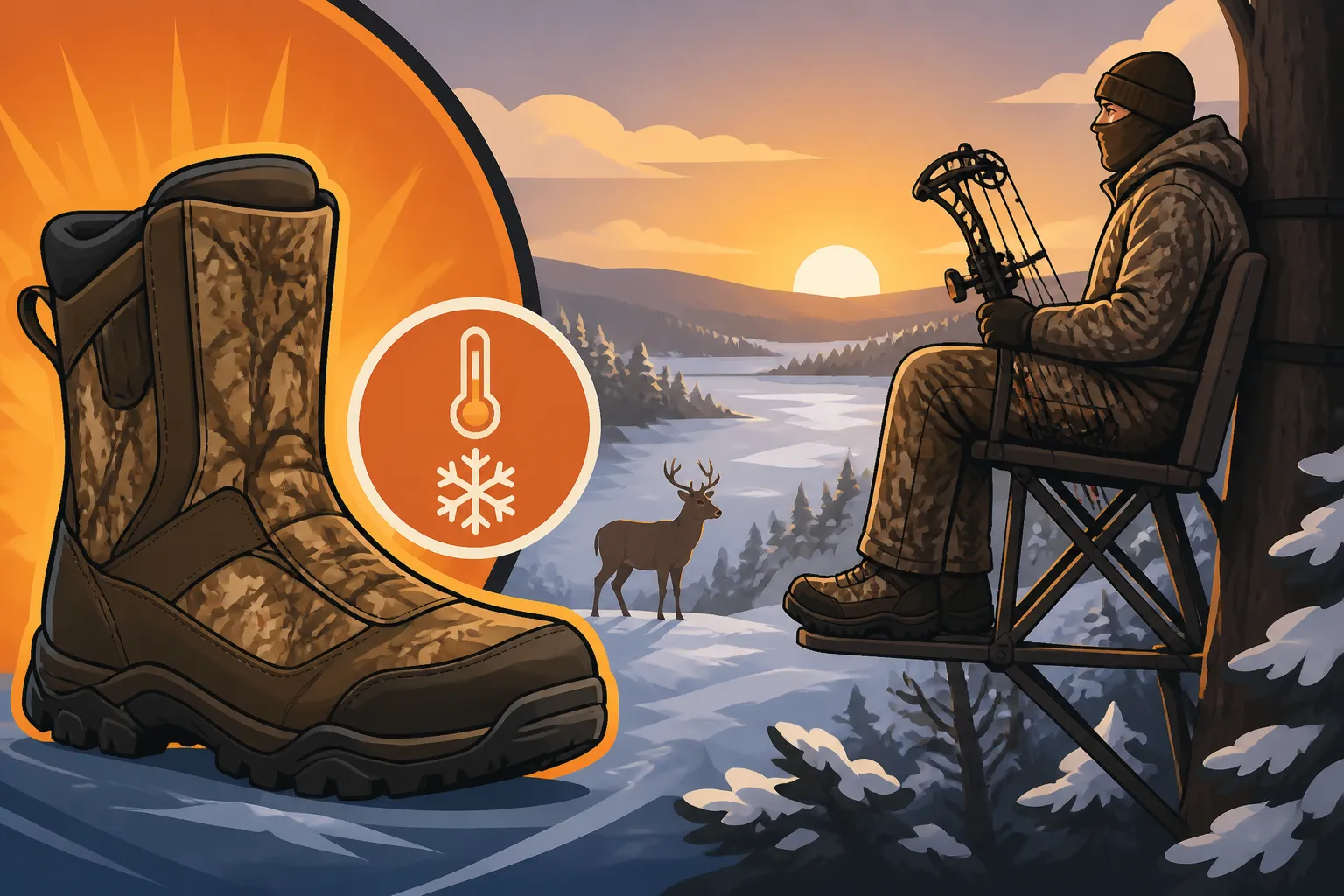
There's nothing quite like that crisp Minnesota autumn air, the vibrant colors of the hardwoods, and the hopeful silence of a deer stand at dawn. But as that autumn chill deepens into the biting cold of late November and December, that hope can quickly turn into misery if your feet aren't properly protected. Trying to sit motionless for hours, scanning the timber, only to have your toes go numb with cold, is a truly miserable experience that can cut any hunt short. This guide is all about helping you understand what makes a great pair of insulated boots for those long, all-day sits in Minnesota, ensuring your feet stay warm and comfortable so you can focus on the hunt, not the frostbite.
The Frustration of Frozen Toes on Stand
We've all been there. You bundled up, layered correctly, grabbed your warmest coat, but somehow, no matter what you do, your feet feel like blocks of ice after the first hour in the stand. It’s a common frustration among Minnesota hunters, and it’s not just about comfort; it impacts your focus, your endurance, and ultimately, your success. That shivering you can't control because your feet are screaming can transmit right through your body, making you tense and less alert.
Why Minnesota's Cold is Different
Minnesota cold isn't just "cold." It's often a damp, penetrating chill that seems to suck the warmth right out of your bones, especially when you're sitting still. Add in a biting wind, perhaps a little wet snow or slush, and you've got a recipe for frozen extremities. Our seasons transition quickly, too. What works for an early October archery hunt won't cut it for a late-season muzzleloader sit in December. The ground itself can be a giant heat sink, drawing warmth from your feet if your boots aren't up to the task. When you're in a treestand, you're elevated, often exposed to more wind, and your feet aren't getting any insulating warmth from the ground or from movement. It’s a unique challenge that demands specific gear. For more on late-season tactics, check out Muzzleloader Tactics in December Cold.
The Misconceptions About "Warm" Boots
Many hunters fall into the trap of thinking "more insulation" automatically equals "warmer feet." While insulation is crucial, it's only one piece of the puzzle. You might grab a boot with a high gram rating, only to find your feet still cold. Why? Often, it comes down to fit, circulation, and moisture management. A boot that's too tight will restrict blood flow, defeating the purpose of the insulation. If your feet sweat, that moisture gets trapped, and as it cools, it draws heat away from your skin. You can have 2,000 grams of insulation, but if your feet are clammy and compressed, you're going to get cold. There's also a big difference between a boot designed for active hunting (walking, stalking) and one for static hunting (sitting in a stand). The former might be too bulky or less insulating than what you need for an all-day sit.
Understanding Insulation Ratings and Materials
When you're staring at a wall of boots, the insulation rating, often expressed in "grams," is usually the first thing that jumps out. But what does that number really tell you, and what other factors are at play?
Grams of Thinsulate: What Do They Mean?
Thinsulate is a popular synthetic insulation material often used in hunting boots, but other brands offer similar synthetic alternatives. The gram rating (e.g., 400g, 800g, 1200g, 2000g) refers to the weight of insulation per square meter of fabric. Essentially, a higher gram rating means more insulation, and generally, more warmth.
- 400-800 grams: These boots are often suitable for early to mid-season hunts where temperatures hover around freezing or slightly below, and you're doing a fair amount of walking. They offer good warmth without excessive bulk.
- 1000-1200 grams: This range starts to get serious for static sits in colder weather. Many hunters find this sufficient for typical November firearm season sits, especially if paired with good socks and proper fit.
- 1600-2000+ grams: When the mercury really drops, or you're committing to those all-day stands in late season, this is the zone you want to be in. These boots are designed to provide maximum warmth for minimal activity in severe cold. Think December muzzleloader season or late-season antlerless hunts.
It's important to remember that these are guidelines. Your personal circulation, the length of your sit, and environmental factors like wind and moisture will all influence how warm your feet actually feel.
Beyond Synthetic: Exploring Other Options
While synthetic insulations like Thinsulate are dominant due to their effectiveness even when damp, other materials offer excellent warmth:
- Wool/Felt Liners: Some traditional hunting boots or pac boots feature removable wool or felt liners. Wool is exceptional at retaining warmth, even when wet, and it breathes well. These liners can be pulled out to dry, which is a huge advantage for multi-day hunts. The trade-off is often bulk and weight, but for extreme cold, they are incredibly effective.
- Aerogel: A newer, high-tech insulation, aerogel is incredibly lightweight and provides exceptional warmth for its thickness. It's often used as an additional layer in strategic areas like the footbed or toe box in premium boots to boost thermal performance without adding significant bulk. While you might not find boots fully insulated with aerogel, its presence indicates a high-performance design.
- Proprietary Blends: Many boot manufacturers use their own blends of synthetic fibers, sometimes incorporating reflective materials to bounce heat back towards your foot. These can be very effective, so don't rule out a boot just because it doesn't explicitly state "Thinsulate." Always look for independent reviews and warmth ratings from other hunters.
Waterproofing: A Non-Negotiable
In Minnesota, waterproofing isn't a luxury; it's a necessity. Whether you're slogging through damp leaves, crossing a shallow creek, or navigating slushy snow, wet feet will quickly become cold feet, regardless of insulation. Most quality hunting boots will feature a waterproof membrane, like Gore-Tex or similar proprietary technologies.
This membrane creates a barrier that prevents external moisture from entering while allowing internal moisture (sweat) vapor to escape, ideally keeping your feet dry. However, no membrane is perfect, especially if your feet sweat excessively. Look for boots that are fully seam-sealed. Also, consider the height of the boot; a taller boot will protect you better when walking through deeper snow or standing in puddles. You want that waterproof barrier to extend well above the expected water line. A wet boot, no matter how insulated, will chill you to the bone.
Finding the Right Fit and Style for Your Hunt
Choosing the right insulation is a great start, but if the boot doesn't fit properly or isn't designed for your specific hunting style, you're still going to be battling cold feet.
Rubber Boots vs. Leather/Synthetic Hybrids
The material and construction of the outer boot play a significant role in comfort, scent control, and overall warmth.
- Rubber Boots: Often favored for their excellent scent control and complete waterproofness, rubber boots are a popular choice, especially in wet conditions or when crossing muddy terrain. Many modern rubber hunting boots come with impressive insulation ratings, often exceeding 1600 grams. Their seamless construction means fewer potential leak points, and they tend to be easy to clean. However, rubber doesn't breathe as well as other materials, so sweat can be a bigger issue. They can also be heavier and less supportive for long walks. For still-hunting or sitting in a blind, they can be excellent. When Hunting Minnesota Cattail Sloughs for Deer, rubber boots are often indispensable.
- Leather/Synthetic Hybrid Boots: These boots offer a blend of durability, support, and breathability. They are typically lighter than rubber boots and provide more ankle support, which is great if you're covering miles of uneven terrain. The uppers are often a mix of durable leather and synthetic panels, backed by a waterproof membrane and insulation. They breathe better than pure rubber, which can help manage sweat. The downside is that while waterproof, repeated exposure to deep water or heavy saturation can eventually compromise their water resistance, and they may take longer to dry if they do get wet inside. These are often a great all-around choice for varied terrain and weather.
Sizing for Warmth and Circulation
This is probably one of the most overlooked aspects of warm feet. It seems counter-intuitive, but a boot that's too tight can be just as bad, if not worse, than one with insufficient insulation.
- Allow for Air Space: Insulation works by trapping air. If your boot is packed tight with a thick sock and your foot, there's no room for that insulating air layer. You need a little wiggle room, especially in the toe box. This space creates an insulating air pocket around your foot.
- Avoid Restricted Circulation: A tight boot compresses your blood vessels, reducing blood flow to your feet. Cold blood circulation means cold feet, no matter how many grams of insulation are wrapped around them. When trying on boots, wear the type of socks you intend to hunt in. You should be able to comfortably wiggle your toes. If you're on the fence, consider going up half a size, especially if you plan on using heavier socks or foot warmers.
- Try Them On: The best advice is to try boots on in person, preferably at the end of the day when your feet are slightly swollen. Walk around, squat down, and ensure there are no pressure points. This is where a resource like GoHunt might help, by offering reviews or comparing options before you head to the store.
Socks: The Unsung Hero of Warm Feet
Don't skimp on socks! They are absolutely vital for foot comfort and warmth. Think of them as the first layer of insulation, and a critical component for moisture management.
- Material Matters:
- Wool: Merino wool socks are practically a miracle material for hunting. They insulate incredibly well, even when damp, and are naturally odor-resistant. They wick moisture away from your skin, moving it to the outer layers where it can evaporate. You can wear a thinner liner sock made of synthetic material or merino wool, then a thicker outer wool sock.
- Synthetics: Performance synthetic socks (polyester, polypropylene) also excel at wicking moisture. They dry quickly, but don't offer the same warmth-when-wet properties as wool.
- Avoid Cotton: Cotton is your enemy in cold weather. It absorbs moisture and holds it against your skin, losing all insulating properties when wet, and making your feet clammy and cold. Just say no to cotton socks for hunting.
- Layering Socks: A common and effective strategy is to wear a thin, wicking liner sock (either synthetic or merino wool) directly against your skin, followed by a thicker, insulated outer sock (merino wool is ideal). The liner wicks moisture, and the outer sock provides bulk insulation. Just ensure this combination doesn't make your boots too tight and compromise circulation. This concept is similar to Wool Versus Synthetics in Wet Snow for your body layers.
| Insulation Level (Grams) | Typical Use Case (Minnesota) | Best for | Considerations |
|---|---|---|---|
| 400 – 800 | Early-mid season (October-early November) | Active hunting, moderate cold | May be too cold for static sits below 20°F |
| 1000 – 1200 | Mid-late season (November, early December) | Static sits, typical firearm season | Good balance of warmth and mobility |
| 1600 – 2000+ | Late season (December, extreme cold) | All-day static sits, severe cold | Bulky, less ideal for long hikes, ensure proper fit |
Real-World Considerations for Minnesota Hunters
Beyond the technical specs, how do these boots perform when you're actually out there in the Minnesota wilderness, waiting for that deer to appear? Your specific hunting style and environment will dictate the best choice.
Static vs. Active Hunting
Your activity level is paramount in determining your boot needs.
- Static Hunting (Treestands, Ground Blinds): If you're primarily sitting for extended periods, especially in exposed treestands, maximum insulation is key. You're generating almost no body heat through movement, so your boots need to do all the work. Look for boots with 1200 grams of insulation or more, focusing on overall warmth and ample toe room. This applies to those long hours spent waiting, similar to the strategies discussed in Cold-Weather Sitting Strategy in Minnesota.
- Active Hunting (Still-hunting, Drives, Tracking): If you're covering significant ground, stalking through the woods, or participating in deer drives, you'll be generating a lot more body heat. Too much insulation can lead to sweaty feet, which then get cold when you stop moving. Here, a boot in the 800-1200 gram range might be more appropriate, offering a better balance of warmth, breathability, and mobility. Prioritize good ankle support and lighter weight for comfort over miles.
Treestand vs. Ground Blind Environments
The structure you hunt from also impacts your boot choice.
- Treestand Hunting: When you're elevated, you're more exposed to wind chill, which can rapidly penetrate footwear. You also have less insulating material (like the ground) beneath you. Treestand hunters often benefit most from the highest insulation ratings available, paired with foot warmers and layered socks. Some hunters even use specialized insulated boot covers that go over their existing boots for an extra layer of warmth. For more on setting up, check out Treestand Setups in Minnesota Hardwoods.
- Ground Blind Hunting: While still static, a ground blind offers some protection from the elements, especially wind. The ground beneath you can also provide a bit of thermal mass, and you might have room for a small heater or insulated mat. This means you might get away with slightly less insulation than in a treestand, but still prioritize warmth for those long, motionless hours. If you're Using a Ground Blind on Minnesota Public Land, you'll appreciate any extra warmth you can get.
Prepping Your Boots for the Season
Getting the right boots is only half the battle. Proper preparation and maintenance will extend their life and ensure they perform when it counts.
- Break Them In: Never wear brand-new boots on opening day for an all-day sit. Break them in by wearing them around the house, on short walks, and then on longer scouting trips. This helps them mold to your feet and reveals any potential hot spots or rubbing issues.
- Waterproof Treatment: Even if your boots are advertised as waterproof, consider reapplying a waterproofing spray or wax, especially to leather areas, before the season. Pay attention to seams and where the sole meets the upper. Reapply throughout the season, especially after they've been through a lot of wet weather.
- Drying and Storage: After each hunt, especially in wet conditions, make sure your boots dry thoroughly. Remove insoles and pull out any removable liners. Use a boot dryer (forced air, not heat) or stuff them with newspaper to absorb moisture. Never store them wet, as this can lead to odor, mildew, and breakdown of materials. Store them in a cool, dry place away from direct sunlight.
- Scent Control: For rubber boots, a simple wash with scent-eliminating soap can help. For other materials, airing them out and using scent-control sprays can reduce odors that might spook wary deer.
Choosing the right insulated boots is an investment in your comfort, your endurance, and your overall hunting experience. By understanding insulation, fit, and how different boot types perform in Minnesota's unique conditions, you can make an informed decision that keeps your feet warm and your mind on the hunt.
Disclaimer
This article is for general informational purposes only and does not constitute professional advice. Laws, prices and regulations vary by location and change over time. Consult a qualified professional for guidance on your specific situation.