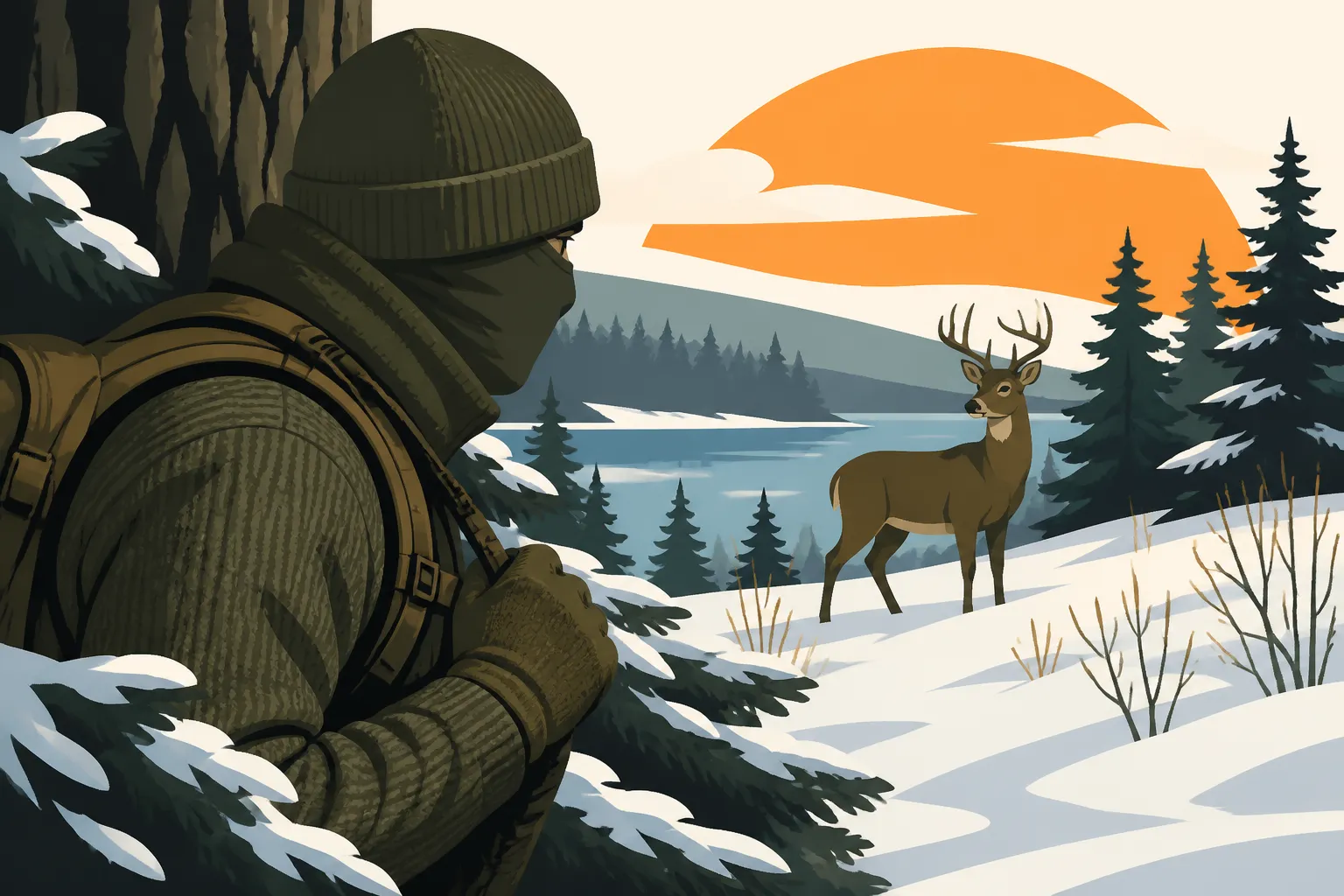
Wool for Wet Snow and Quiet Movement
There's nothing quite like that crisp Minnesota morning, the world hushed under a fresh blanket of snow, the air biting cold. You've been up since before dawn, carefully layering, grabbing your gear, and now you're finally headed into the timber. But then that beautiful, pristine snow starts to get heavy, turning to a wet, clingy mess, or worse, you break a sweat hiking in only to stand still for hours. That's when synthetic fabrics betray you, turning clammy, noisy, and chilling you to the bone. This guide is all about embracing the timeless wisdom of wool, and why it's truly the superior choice for staying warm, dry, and most importantly, silent when hunting Minnesota's unpredictable winter landscape.
The Unbeatable Advantages of Wool in Minnesota's Wet and Wild Winters
Minnesota winters are a beast of their own. One minute you're crunching through dry, cold powder, the next it's a damp, heavy snowfall that clings to everything, or a freezing rain turns your clothes into icy shells. Through all this, you still need to be able to move, sit, and wait in absolute silence. This is where wool truly separates itself from other hunting apparel options, offering a trifecta of benefits that synthetics just can't match when the conditions turn ugly.
The Magic of Wool: Warmth Even When Wet
One of the most frustrating experiences for any hunter is getting wet and then getting cold. Synthetic materials, while great at shedding light moisture, tend to lose nearly all their insulating properties once they're truly saturated. That damp feeling against your skin quickly turns into a dangerous chill, especially if you're stationary for long periods. Think about slogging through a cattail slough during a late-season deer hunt or sitting in a stand as a surprise afternoon snowfall turns into freezing rain.
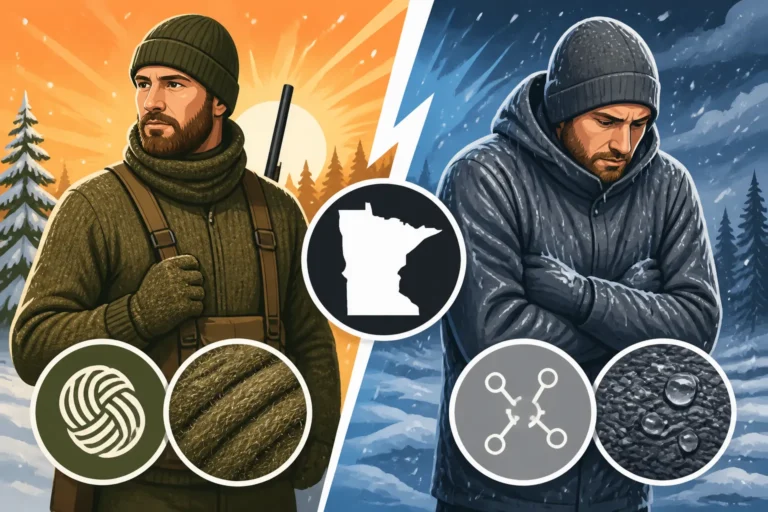
Wool, on the other hand, is a remarkable natural fiber. Its unique crimped structure creates countless tiny air pockets, and even when the fibers absorb a significant amount of moisture—sometimes up to 30% of their weight—those air pockets remain largely intact. This means wool continues to insulate, keeping you warm even when it feels damp to the touch. It’s not just a comfort factor; it’s a critical safety feature when you're miles from the truck and the temperature drops. This is especially vital when you consider Muzzleloader Tactics in December Cold or if you're caught out during a sudden change in conditions while Hunting Deer in Deep Northern Minnesota Snow.
Silence is Golden: Wool's Unmatched Quietness
Picture this: A big mature buck, antlers polished and heavy, is slowly making its way along a ridge, just out of range. You need to subtly adjust your position for a better shot, but every movement in your crunchy synthetic jacket sounds like a dozen crinkling potato chip bags. Sound travels incredibly well in cold, still air, and nothing will blow a hunt faster than noisy clothing.
Wool is inherently quiet. Its natural fibers have a soft, almost felted texture that moves silently. There's no swishing, no crinkling, no tell-tale nylon rub that alerts every deer, grouse, or turkey within a hundred yards to your presence. Whether you're carefully drawing your bow on a wary whitetail, crawling through thick brush, or simply turning your head to scan the woods, wool allows for stealthy, fluid movement. This is a game-changer for situations requiring ultimate stealth, like Still-Hunting Minnesota Big Woods or trying to get close to pressured animals.
Breathability and Temperature Regulation
Hunting in Minnesota often involves periods of high activity followed by long stretches of motionless waiting. Think about the strenuous hike to your favorite treestand spot deep in a WMA, or the exertion of dragging a deer out of a thick cedar swamp. During these active phases, your body generates a lot of heat and sweat. If your clothing doesn't breathe, that sweat gets trapped, leading to a clammy feeling that quickly turns cold once you stop moving.
Wool excels at managing moisture vapor and regulating temperature. It actively wicks sweat away from your skin, moving it to the outer layers where it can evaporate. This evaporative cooling helps prevent overheating during exertion, while the retained warmth helps prevent chilling during periods of rest. This dynamic performance means you can comfortably transition from an active walk-in to a static sit, making it much easier to maintain focus and avoid discomfort. This ability to adapt to varying activity levels is crucial for a successful hunt, especially when you're implementing a Cold-Weather Sitting Strategy in Minnesota and need to avoid sweating on the way in.
Deciphering Wool Types for Your Minnesota Hunt
Not all wool is created equal, and understanding the differences between popular types can significantly impact your comfort and effectiveness in the field. From ultra-fine base layers to rugged outer shells, each kind of wool has its strengths, making certain types better suited for specific applications in your hunting system.
Merino Wool: The Lightweight, Next-to-Skin Champion
Merino wool has revolutionized hunting apparel, moving beyond the scratchy wool sweaters of generations past. Sourced from Merino sheep, these fibers are incredibly fine and soft, making them comfortable enough to wear directly against your skin. This is its superpower for hunting. Because it's so fine, merino wool doesn't cause that itchy sensation often associated with traditional wool, which means you're more likely to actually wear it as your critical base layer.
Merino's properties are ideal for active hunting scenarios. It's exceptional at wicking moisture away from your body, crucial for staying dry and warm when you're Still-Hunting Minnesota Big Woods or covering ground during a rabbit hunt. Furthermore, merino wool naturally resists odor-causing bacteria, meaning you can wear it for multiple days in the field without the scent buildup that often plagues synthetic base layers. This is a huge advantage for multi-day trips or simply maintaining a lower profile in the woods. When you're searching for specific weights or blends, resources like GoHunt's gear reviews can often provide valuable valuable insights into how different wool products perform in the field.
Traditional Wool: Durability and Outer Layer Protection
When we talk about traditional wool, we're often referring to coarser, thicker wools that are incredibly durable and offer robust protection. Think of the classic wool coats and pants that grandfathers wore – often made from sheep breeds like Rambouillet or Shetland. These wools are typically heavier than merino, offering superior wind resistance and excellent insulating qualities, even when wet.
While not as soft for next-to-skin contact, traditional wool shines as an outer or heavy mid-layer. Its dense weave makes it very quiet, perfect for those final, crucial movements on a stand. It stands up to abrasion from brush and thorns much better than many synthetics, making it ideal for busting through thick cover or dragging a deer. For those bitter cold, static sits in a Treestand Setups in Minnesota Hardwoods during late season, a heavy traditional wool outer layer can be the difference between shivering all day and comfortably waiting out a deer. Its density also adds a natural wind-blocking property, which is vital when that notorious Minnesota wind starts to cut through the timber.
Blended Wools: Combining Strengths
In the ever-evolving world of hunting gear, you'll also find various wool blends. These often combine wool (usually merino) with synthetic fibers like nylon, polyester, or spandex. The idea behind blends is to marry the best qualities of both worlds: wool's natural warmth, moisture management, and odor resistance, with synthetics' enhanced durability, stretch, or faster drying times.
For example, a merino-nylon blend might be used in base layers to increase their abrasion resistance, making them last longer through rough use. A wool-spandex blend could offer more stretch and freedom of movement, beneficial for active pursuits. While blends can be excellent, it's important to pay attention to the wool percentage. The higher the wool content, generally the more you'll benefit from wool's core advantages. Always consider the primary function of the garment and how the blend contributes to or detracts from that purpose. When considering blends, a deeper dive into Clothing for a Minnesota November might help you understand how different fabrics perform in varying conditions.
Crafting Your Wool Layering System for Success
The true power of wool for Minnesota hunting lies not just in a single garment, but in a carefully constructed layering system. This approach allows you to adapt to changing temperatures, activity levels, and weather conditions throughout your hunt, ensuring you remain comfortable, warm, and quiet no matter what the North Star State throws your way.
The Base Layer: Your First Line of Defense
The base layer is arguably the most critical component of your system, as it's directly against your skin and responsible for managing moisture. For this, high-quality merino wool is the undisputed champion. A lightweight or mid-weight merino top and bottom will wick sweat away from your skin, preventing that clammy, cold feeling that often leads to hypothermia in damp conditions.
Think about a typical morning: You're walking a mile or two to your stand, maybe crossing a couple of frozen marsh edges. You're working up a sweat. Your merino base layer pulls that moisture away, allowing it to move to the outer layers and evaporate. Once you reach your stand and settle in for a long sit, that same merino layer continues to insulate, keeping you warm even if it's slightly damp from your hike. A snug fit is essential for a base layer to work effectively, maximizing contact with your skin for optimal wicking. If you're pondering how to set up your entire system, Layering for a Minnesota Deer Stand provides an excellent overview.
Mid-Layers: Insulating Core Warmth
Mid-layers are your primary insulation pieces, designed to trap warm air close to your body. For Minnesota hunting, this is where heavier merino wool or traditional wool sweaters and jackets truly shine. A thick merino fleece or a traditional wool pullover can provide substantial warmth without excessive bulk. The beauty of these layers is their versatility – you can add or subtract them as conditions dictate.
For example, on a relatively mild late-season morning, you might only need a mid-weight merino base and a substantial wool mid-layer under your outer shell. As the day progresses and the temperature drops, or if you're engaging in less active hunting like Sitting a Field Edge in Late Season, you might add another wool sweater. These layers are also quiet and breathable, ensuring that your core warmth doesn't come at the expense of stealth or comfort during varied activity levels. Many hunters consult platforms like GoHunt for reviews and comparisons of top-tier wool outerwear before making a significant investment.
Outer Layers: Silent, Weather-Resistant Armor
Your outer layer is your shield against the elements – wind, snow, and light precipitation – while also providing additional insulation and, critically, maintaining your stealth. This is where dense, traditional wool outerwear excels, especially when dealing with wet snow and the need for quiet movement. A high-quality wool jacket and pants are often naturally water-resistant due to the lanolin in the fibers and the tight weave, causing light rain or wet snow to bead up and roll off.
Unlike many synthetic outer shells that can be stiff and loud in cold temperatures, a good wool outer layer remains pliable and silent. This means you can raise your binoculars, draw your bow, or shoulder your rifle without making a sound that alerts game. Imagine a scenario where you're set up on a logging trail, waiting for deer to cross. A soft, wet snow begins to fall, covering your stand and gear. Your wool outer layers absorb some moisture but continue to insulate, and every movement you make remains undetectable in the hushed woods. This quiet resilience is especially important when you're trying to sneak into position during Deer Drives With Three or Four Hunters or while Scouting Minnesota Public Land Before Season where you might bump into game.
Maintaining Your Wool Investment for Years of Hunting
High-quality wool hunting gear is an investment, but with proper care, it will serve you faithfully for many, many seasons. Unlike some synthetics that might wear out or lose their efficacy after a few years, well-maintained wool can last for decades. Taking the time to care for your garments ensures they retain their insulating, wicking, and silent properties.
Gentle Washing and Drying Techniques
The biggest fear with wool is shrinkage, and rightfully so. However, modern wool garments, especially merino, are often machine washable. Always check the care tag first! For most wool items, cold water and a gentle cycle are key. Avoid harsh detergents; instead, opt for wool-specific cleaners that are designed to preserve the natural lanolin and integrity of the fibers.
When it comes to drying, absolutely avoid high heat from a tumble dryer. The high heat is the primary culprit for shrinking wool. Instead, gently reshape your garments and lay them flat to air dry. This might take a bit longer, but it will prevent shrinkage and maintain the garment's shape and performance. For heavier items like traditional wool coats, hand washing or professional dry cleaning might be the best option to preserve their structure and water resistance. Taking care to Keep a Muzzleloader Dry in Lake-Effect Snow also applies to your wool gear.
Storage and Pest Prevention
The off-season is a crucial time for wool care, mainly to protect it from pests like moths. Moths are attracted to natural fibers, especially those that might have residual human scent or organic matter. Before storing your wool gear for the summer, ensure it is thoroughly cleaned and completely dry.
Store your wool garments in airtight containers, garment bags, or cedar chests. Cedar is a natural moth deterrent. You can also use mothballs or lavender sachets, but ensure they don't come into direct contact with the fabric, as some can leave an unpleasant odor. Proper storage prevents pests from turning your prized hunting jacket into a moth-eaten relic. Even the best gear, like those often highlighted by GoHunt, benefits from diligent care to ensure it performs season after season.
Field Repairs and Longevity
Despite wool's inherent durability, snags and tears can happen in the rough and tumble world of hunting. Catching a branch while navigating thick Rabbit Hunting Thick Minnesota Brush or rubbing against a barbed wire fence can result in a small hole. Don't despair! Many minor damages can be easily repaired, extending the life of your expensive wool garments.
Small holes or tears can often be hand-stitched with a needle and thread, or patched with a small piece of matching wool fabric. For larger repairs or if you're not confident in your sewing skills, a local tailor or outdoor gear repair specialist can often perform miracles. Addressing these issues promptly prevents them from worsening and compromising the garment's performance. Investing in wool is a long-term commitment, and a little proactive maintenance and repair will ensure your gear is ready for every adventure, from Finding Ground Others Walk Past to the deepest corners of the big woods.
| Feature | Merino Wool | Traditional Wool | Blended Wool |
|---|---|---|---|
| Fiber Diameter | Very fine (15-25 microns) | Coarser (25-40+ microns) | Varies based on blend |
| Feel Against Skin | Extremely soft, non-itchy | Can be slightly itchy if worn directly next-to-skin | Softness depends on wool percentage and blend fibers |
| Warmth (wet/dry) | Excellent, maintains warmth when damp | Superior, excellent warmth even when saturated | Good, performance varies with blend |
| Quietness | Excellent, very silent | Excellent, very silent | Good, can have slight noise from synthetics |
| Weight | Lightweight to mid-weight | Mid-weight to heavy-weight | Varies from lightweight to heavy |
| Durability | Good, but can be prone to snags | Excellent, very rugged and durable | Can be enhanced by synthetic components |
| Odor Resistance | Excellent, naturally anti-microbial | Good, less prone to odor than synthetics | Good, but may be reduced by synthetic components |
| Best Use Case | Base layers, active mid-layers | Outer layers, heavy mid-layers, rugged use | Versatile, can fill various layering needs |
| Breathability | Excellent | Good | Varies, usually good |
Disclaimer
This article is for general informational purposes only and does not constitute professional advice. Laws, prices and regulations vary by location and change over time. Consult a qualified professional for guidance on your specific situation.