Locator Calls for Minnesota Gobblers
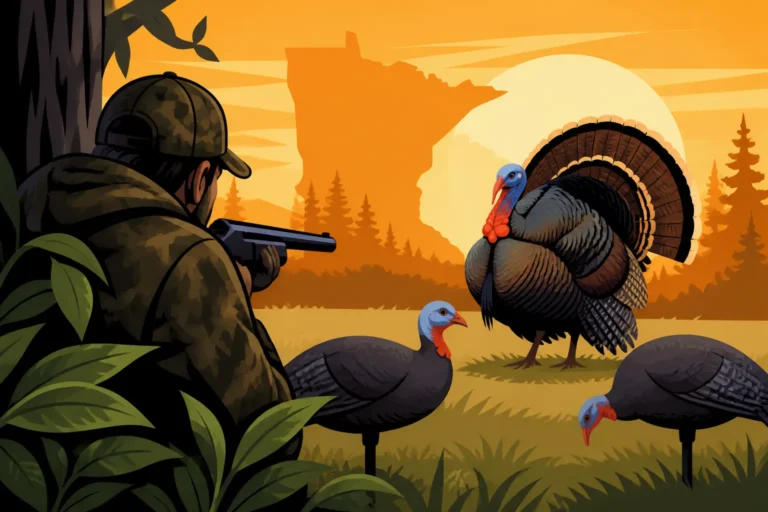
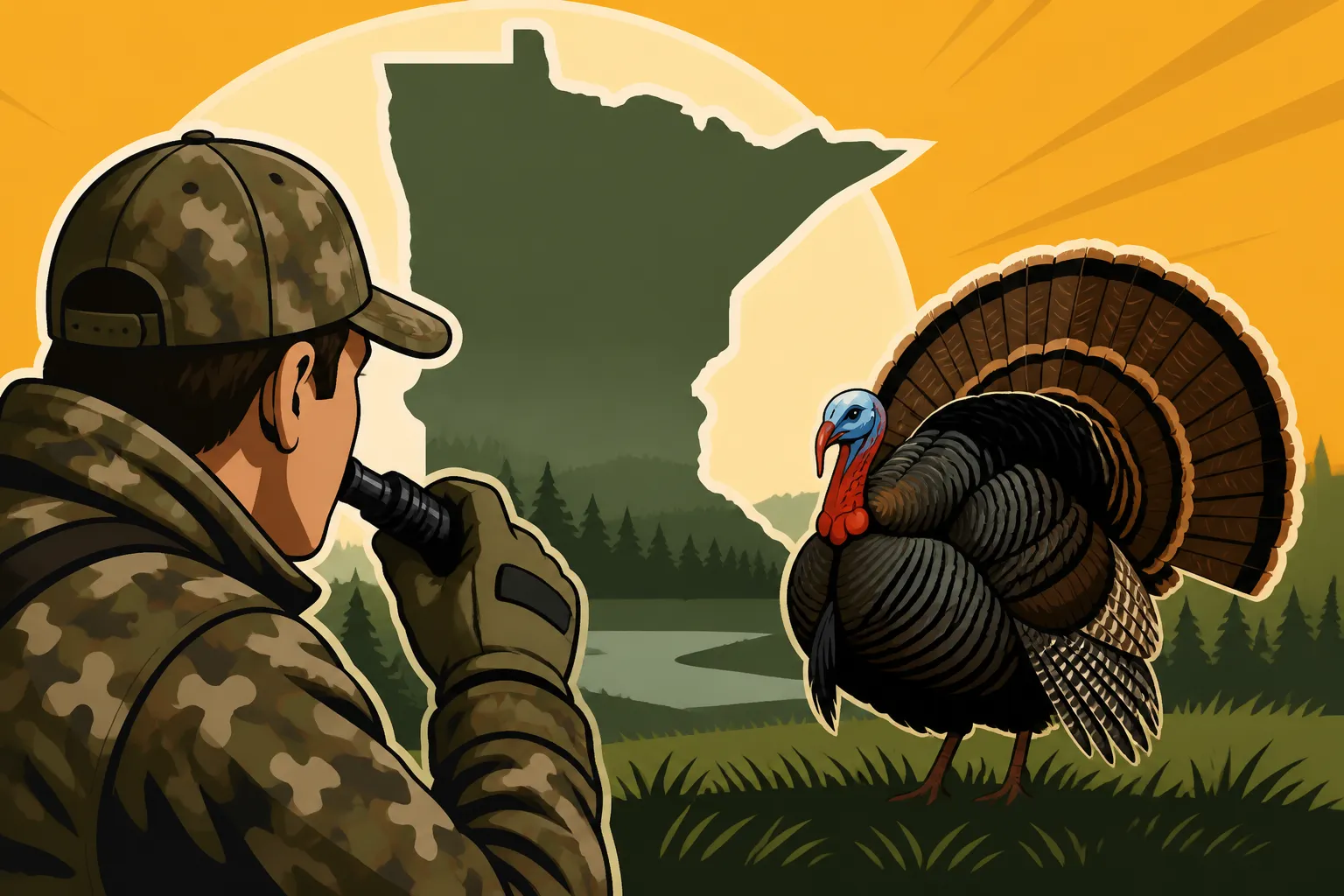
There’s nothing quite like the silence of a frosty Minnesota spring morning in the turkey woods. It’s beautiful, sure, but if you’re a turkey hunter, that silence can quickly turn to frustration when the gobblers just aren't talking on their own. We’ve all been there, scratching our heads, wondering if the birds even exist in this piece of timber. This guide will dive deep into the world of locator calls, showing you how these often-underestimated tools can unlock the secret locations of those tight-lipped Minnesota longbeards and give you a serious edge in your spring pursuits.
Understanding Locator Calls and Their Purpose
Let's be clear: a locator call isn't designed to sound like a turkey. That's a common misconception. Instead, these calls imitate other birds and animals found right here in Minnesota's diverse landscapes, creating a loud, often startling sound that can provoke a "shock gobble" from a tom. It's a natural reaction for a gobbler to announce his presence when he hears another dominant sound in his territory, whether it's an owl hooting on the roost or a crow cawing aggressively in the mid-morning. It's not about fooling him into coming closer; it's about forcing him to reveal his general location without giving away yours.
The beauty of locator calls in Minnesota lies in their versatility. Our state offers everything from dense northern hardwoods and popple forests to expansive farm fields and rolling bluff country in the southeast. A soft tree yelp might get lost in a heavy spring breeze across a cornfield, but a sharp crow call will cut right through it. Similarly, an owl hoot echoes perfectly through the quiet pre-dawn timber, giving you an idea of exactly where that tom is still perched on the limb. Knowing when and where to deploy different locator calls is a crucial skill that can save you hours of aimless wandering and significantly increase your chances of putting boot leather on the path to a hot bird. It's about working smarter, not just harder, and making those gobblers do some of the work for you.
Why Gobblers Respond to Locator Calls
Think about it from a turkey's perspective. A gobbler's world revolves around dominance, breeding, and self-preservation. When he hears a sudden, loud, or territorial sound from another animal, his instinct is to assert himself. It’s like a reflex. He doesn't necessarily think, "Oh, an owl! I should gobble." Instead, it's an ingrained response to an intrusion or a challenge in his perceived domain. This shock gobble is pure adrenaline, an involuntary announcement of his presence. That's precisely what we're trying to exploit.
The effectiveness of this "shock gobble" can vary based on the time of day, the tom's mood, and even the pressure he's received from other hunters. An undisturbed tom on the roost, full of vinegar and ready to breed, is often quick to gobble at an owl hoot. The same bird, once he's on the ground and has been bumped or called to by several hunters, might become much more tight-lipped. That's why having a variety of locator calls in your vest is so important, allowing you to switch things up and try different sounds until you find one that strikes a nerve. It’s all about finding that magic key that unlocks his voice, even if it's just for a moment.
Popular Locator Calls for Minnesota Turkeys
Minnesota offers a wide range of habitats, and fortunately, the game birds and animals we share the woods with provide us with a natural symphony of sounds to mimic. Matching your locator call to the environment and time of day can make a huge difference. You wouldn't use a loud coyote howl in a small, dense woodlot right at dawn, just as a soft barred owl hoot might be useless across a wide-open ag field at noon. Understanding the common residents and their vocalizations is key.
Having a few different options means you're not stuck if your first choice doesn't get a rise out of a stubborn tom. Maybe the birds in one area are used to hearing crow calls all day, so an owl call might be more surprising. Or perhaps it's a windy day, and a sharper, higher-pitched hawk scream will cut through the gusts better than a low-frequency coyote howl. It's about being adaptable and persistent.
The Reliable Owl Hoot
The barred owl hoot is arguably the most classic and widely used locator call, especially during those pre-dawn and post-dusk hours. Barred owls are common across much of Minnesota, particularly in the timbered areas where turkeys love to roost. Their distinctive "Who cooks for you? Who cooks for you all?" call is a natural sound that gobblers are accustomed to hearing, making it a non-threatening way to provoke a gobble while they're still on the limb. It’s perfect for pinpointing a Calling a Minnesota Gobbler Off the Roost.
When using an owl call, it’s best to be subtle at first. Start with a softer series of hoots, waiting a minute or two between calls. If you don't get a response, gradually increase your volume and intensity. Remember, you’re listening for the gobbler, so make sure you're in a quiet spot where you can hear even a distant, muffled gobble. The best practice is to move a bit between calls, perhaps 50-100 yards, to cover more ground and present the sound from different angles. You might get a faint response that gives you just enough direction to make your move.
The Versatile Crow Call
Crow calls are incredibly effective throughout the entire day, but they really shine once turkeys are on the ground and moving. Crows are everywhere in Minnesota, from deep forests to farmland edges, and their raucous cawing is a constant backdrop to the woods. This familiarity means a crow call sounds completely natural to a gobbler, and their territorial nature often elicits a shock gobble. This call is a great choice when hunting near Turkey Tactics for Farmland Field Edges.
Unlike the owl call which is primarily for the roost, a crow call can be used anytime you suspect a gobbler is nearby but silent. I like to use a series of sharp, urgent caws, not just one or two, to mimic a group of crows chattering. Vary your rhythm and volume. If you get a response, mark the location on your map or GPS (I often use a digital mapping tool like GoHunt to mark potential hot spots as I go), then move to get closer and try another series of calls to confirm the direction. Crow calls are particularly useful when you're doing a Run-and-Gun Turkey Tactics on Public Land strategy and need to quickly cover ground and locate birds.
Coyote Howls and Hawk Screams
For hunters dealing with extremely pressured birds or trying to cut through windy conditions, coyote howls and hawk screams can be surprisingly effective. Coyotes are prevalent across Minnesota, and their howls are a familiar, albeit sometimes unsettling, sound. A sharp, high-pitched hawk scream, particularly a red-tailed hawk, also carries a long way and can startle a quiet gobbler into barking back. These are generally higher-volume calls and can be heard from a greater distance.
These calls are best used sparingly, as they are more aggressive than an owl or crow call. A series of two or three sharp hawk screams or a short, sharp coyote "yip-howl" can be just the ticket when other calls fail. These are excellent choices for later in the morning or mid-day when turkeys might be less inclined to gobble at softer sounds. They can also work wonders in open country or across larger timber blocks where sound needs to travel far. Just be ready for an immediate response and know which direction it came from!
The Unique Pileated Woodpecker Call
Often overlooked, the distinct, loud cackle of a pileated woodpecker can be a fantastic locator, especially in the big timber found in many parts of Minnesota. These large woodpeckers have a call that really carries through the forest, and because they are always present, it's a natural sound that won't alarm a turkey. It's a different sound than many hunters use, which can sometimes be the key to triggering a response from a call-shy gobbler.
The pileated woodpecker call mimics their loud, rhythmic cackle. It's not as piercing as a hawk, nor as deep as an owl, but it has a unique cadence that can be very effective in dense woods. I like to use this call when I've tried the more common crow and owl calls and the birds are still silent. It’s especially good for those situations where the woods are relatively quiet, and you need a sound that will stand out without being overly aggressive. Give it a try next time you're in some mature Minnesota timber; you might be surprised by the results.
Here's a quick comparison of popular locator calls:
| Call Type | Primary Use | Best Time of Day | Volume | Notes |
|---|---|---|---|---|
| Barred Owl Hoot | Pinpointing roosted birds | Pre-dawn, dusk | Low-Med | Classic, non-threatening, great for quiet mornings. |
| Crow Call | Mid-morning, all-day locating | Mid-morning to afternoon | Med-High | Very versatile, good in open areas, familiar to turkeys. |
| Coyote Howl/Yip | Pressured birds, long-distance locating | Anytime, especially mid-day | High | Aggressive, cuts through wind, can be very effective when other calls fail. |
| Red-tailed Hawk Scream | Long-distance, cutting through noise/wind | Mid-morning to afternoon | High | Sharp, startling, can shock gobblers into responding. |
| Pileated Woodpecker | Dense timber, call-shy birds | Mid-morning to afternoon | Med | Unique, natural sound, can be a secret weapon in certain woods. |
Mastering the Art of Locator Calling
It’s one thing to own a locator call; it’s another entirely to use it effectively. There's a subtle art to locator calling that goes beyond just making noise. It involves listening intently, understanding the rhythm of the woods, and knowing when to push and when to back off. Many hunters make the mistake of overcalling or not moving enough, which can lead to missed opportunities or spooked birds. The goal is to get a reaction, not to have a conversation.
The weather and terrain also play a massive role. A blustery day means you'll need a louder call that cuts through the wind, while a calm, foggy morning might allow you to use a softer hoot. Understanding how sound travels in different environments – dense timber versus open fields, across water or up and down bluff country – will greatly improve your success. This skill really comes into its own when you're scouting Finding Sign in Minnesota Big Woods or exploring new public land.
Timing Your Calls for Maximum Effect
Timing is everything when it comes to locator calls. The most popular time, and often the most productive, is during the pre-dawn hours when gobblers are still on the roost. A well-placed owl hoot just as the woods start to lighten can make a tom declare his position before he even hits the ground. This gives you precious minutes to plan your approach and get into a Setting Up Against a Big Oak or another strategic position before he flies down. However, don’t limit yourself to just dawn.
Locator calls can also be highly effective later in the morning or even mid-day, especially if the woods have gone quiet. Sometimes, turkeys will gobble aggressively off the roost but then fall silent once they’re on the ground with hens. A well-timed crow or hawk call can break that silence and tell you exactly where they've moved to. In the evening, an owl hoot can again be used to locate birds as they fly up to roost, setting you up for the next morning. Knowing When Minnesota Gobblers Go Quiet can cue you to deploy a locator.
Volume and Cadence: Less is Often More
A common mistake new hunters make is calling too loudly or too frequently. When using a locator call, start with moderate volume, especially in the quiet dawn hours. You want to surprise the turkey, not scare him off his limb. If there’s no immediate response, wait a minute or two, then try again with slightly more volume or a different cadence. It's a process of trial and error.
Varying your cadence is also important. For a crow call, don't just hit a single "caw." Mimic a series of caws, perhaps three or four sharp ones, then a slight pause, and another two. For an owl, change up the rhythm of the hoots. The goal is to sound natural, like a real animal, not a mechanical repetition. Remember, you're not trying to call the turkey to you with these sounds; you're trying to get him to gobble. Once he gobbles, go silent and make your move.
Reading the Response and Planning Your Approach
Getting a gobble is only half the battle; knowing what to do with that information is the real skill. When a gobbler responds, immediately try to triangulate his position. Did it sound faint and far off? Or was it a booming shock gobble that seemed to shake the trees? This will tell you how aggressively you need to move. If he's a long way off, you might be able to move quickly and aggressively to cut the distance. If he's close, a more cautious, slow approach is needed.
Once you have a general direction, move purposefully but quietly. Try to use terrain features like ridges, creek beds, or dense brush to conceal your movement. As you get closer, stop periodically and use a softer locator call or even a soft tree yelp to confirm his position. Be mindful of your entry route and try to pick a path that minimizes your disturbance. You want to arrive at your calling setup unheard and unseen, ready to deploy your actual turkey calls, knowing precisely where the bird is located. A tool like GoHunt can be incredibly helpful here, allowing you to quickly mark the gobble location and plan your approach using topo maps and satellite imagery.
Integrating Locator Calls into Your Hunt Plan
Locator calls aren't just a random act; they are an integral part of a comprehensive turkey hunting strategy in Minnesota. They allow you to be proactive rather than reactive, enabling you to find birds that might otherwise remain silent and undiscovered. Whether you're exploring vast tracts of Public Hunting Land in Minnesota or working smaller private parcels, these calls help you cover ground efficiently and intelligently.
Consider the amount of ground you can cover by listening for a gobble versus blindly walking. A well-placed series of locator calls can allow you to effectively scout hundreds of acres without taking a single step into potential turkey bedding or feeding areas, minimizing your pressure on the birds. This kind of calculated approach is essential for consistent success throughout Minnesota's Spring Turkey Hunting in Minnesota season.
Scouting and Pre-Season Planning
Even before the season opens, locator calls can be invaluable scouting tools. Take an evening drive or walk along the edges of prime turkey habitat a week or two before the opener. As dusk settles, use an owl hoot or a crow call from strategic vantage points to try and elicit a "shock gobble" from a roosted tom. This helps you confirm turkey presence and pinpoint general roosting areas without putting any direct pressure on the birds. You can then mark these spots on your GoHunt app or physical map for future reference.
This pre-season scouting with locator calls allows you to build a database of potential turkey hotspots, giving you multiple starting points for opening day. Knowing where a few birds are likely to roost means you can strategize your opening morning approach, decide which Minnesota Spring Turkey Zones and Periods you want to focus on, and potentially avoid areas with no birds at all. It also allows you to analyze access points and choose the quietest routes into your preferred setup.
Run-and-Gun Tactics
For the mobile hunter, particularly on larger tracts of public land, locator calls are an absolute necessity for effective run-and-gun tactics. Imagine working a large block of Minnesota Wildlife Management Areas where you know turkeys exist but aren't hearing much. Instead of slowly calling blind, you can move efficiently, stopping every few hundred yards to unleash a locator call. If a gobbler responds, you instantly have a direction to pursue.
This strategy is all about covering ground and eliminating dead space. You're not waiting for a turkey to come to you; you're actively seeking him out. Once you get a response, you transition from "locating" to "hunting," making a calculated move to get into position and then switching to traditional turkey calls. This dynamic approach keeps you engaged and dramatically increases the amount of ground you can effectively hunt in a day. It's a high-energy, high-reward method for the hunter who doesn't like to sit still.
Dealing with Pressured Birds and Silent Days
We've all experienced those days in the Minnesota spring woods when the turkeys are just plain quiet. Maybe it's post-cold front, or perhaps they've been hammered by other hunters, and they just won't gobble on their own or respond to soft hen calls. This is where locator calls truly shine as a last resort or a tactic to break the silence. When all else fails, a loud, unexpected locator call might just be the spark you need.
Sometimes, a tom that won't respond to a hen yelp will gobble aggressively at a coyote howl. It's a different stimulus, one that doesn't scream "hunter" to him. These are the situations where having a diverse range of locator calls in your vest—from an aggressive hawk scream to a unique pileated woodpecker cackle—can make all the difference between a silent, frustrating hunt and finding that one responsive longbeard. Don't give up on silent days; just change your tactics and use a locator call to shock him into revealing his presence. The more tools you have in your arsenal, the better prepared you'll be for whatever Minnesota's gobblers throw at you.
Disclaimer
This article is for general informational purposes only and does not constitute professional advice. Laws, prices and regulations vary by location and change over time. Consult a qualified professional for guidance on your specific situation.