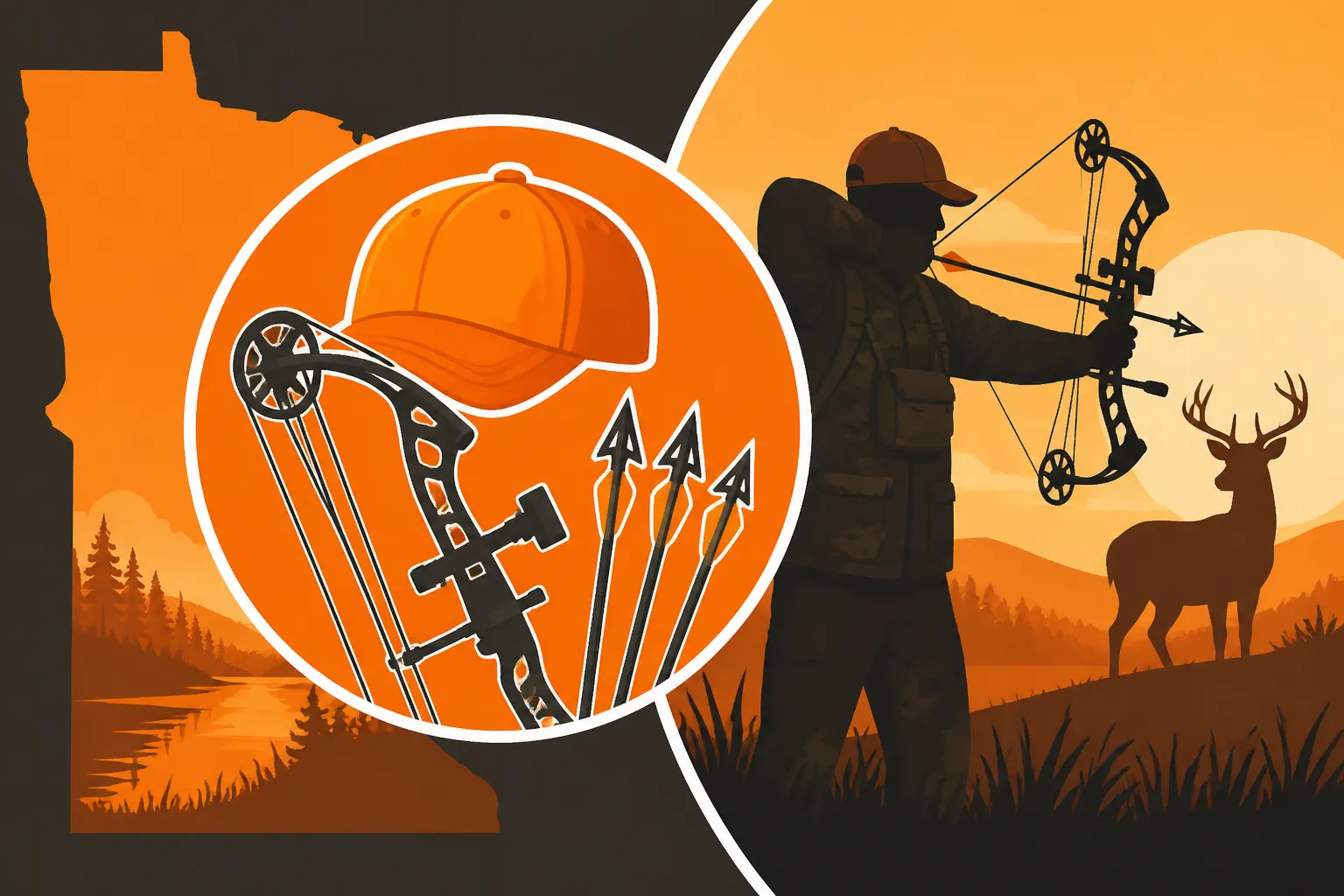
Orange Requirements for Archery Hunters
There's often a lingering question in the minds of Minnesota archery hunters, especially as the seasons shift and different weapons become legal: "Do I really need to wear blaze orange?" It's a common source of confusion, leading to moments of doubt in the field or even worrying if you're breaking the law. You see firearm hunters decked out in bright orange from head to toe, and it's easy to wonder if you, quietly tucked into a treestand with your bow, should be doing the same. This guide is here to clear up that often-muddy water, giving you a crystal-clear understanding of Minnesota's blaze orange requirements specifically for archery deer hunters, ensuring you stay safe and compliant throughout the season.
Understanding Minnesota's General Blaze Orange Law
Before we dive specifically into archery, it helps to understand the foundational principle behind Minnesota's blaze orange law. It's not just a fashion statement; it's a critical safety measure designed to prevent hunting accidents. The idea is simple: make hunters highly visible to each other, especially in dense cover or low light, reducing the chance of someone being mistaken for game or being in the line of fire.
The Foundation: What the Law Aims to Achieve
The primary goal of blaze orange is to differentiate a human from an animal. Deer, for instance, are colorblind to the red-orange spectrum, so to them, a hunter in blaze orange just looks like another shade of gray or brown, not a glaring beacon. But to another human hunter, that bright, unmistakable color shouts "human!" It's all about increasing situational awareness in the woods, preventing tragic mistakes that can happen when visibility is poor or excitement runs high. This law has been instrumental in dramatically reducing accidental shootings in the field, making our Minnesota woods safer for everyone enjoying the outdoors.
Who Must Wear Blaze Orange, and When
Generally speaking, anyone who is afield during a firearms deer season in Minnesota, whether they are hunting deer, small game, or just hiking, is usually required to wear blaze orange or blaze pink. This typically means an outer garment, above the waist, that is at least 50% blaze orange or blaze pink and plainly visible from all sides. Think jackets, vests, or even hats. The key is visibility. If you're walking through the woods during the general firearm season, you need to be seen. This applies to deer hunters, bear hunters (if hunting during a firearm deer season), and even grouse hunters who might be out during the firearm deer season. The law is quite broad in its scope when firearm hunting is underway, as it seeks to protect all individuals in the field. This also includes people like shed hunters or photographers who might be enjoying the outdoors when deer firearms are active.
Exceptions to the Rule
Now, like almost any rule, there are exceptions. Waterfowl hunters, for example, are usually exempt while hunting from a blind or stationary position, as their camouflage is essential to their method of hunting ducks and geese. Likewise, trappers or those engaged in certain predator hunting methods might have different requirements. However, these exceptions are specific and generally tied to hunting methods where concealment is paramount and the risk profile is different. For general deer hunting, especially with firearms, the rule is pretty ironclad. It’s always smart to double-check the current regulations each year, as things can sometimes be updated or clarified, especially with modern changes like Hunting Minnesota Now That Rifles Are Legal Statewide.
Blaze Orange During the Archery-Only Season
Here's where the specific question for bowhunters comes into play. When Minnesota's archery season opens, often stretching for months from September well into December, the rules around blaze orange are different than during the firearm seasons.
The Archery-Specific Exemption: When It Applies
During the archery-only portion of Minnesota's deer season, hunters pursuing deer with a bow or crossbow are not required to wear blaze orange or blaze pink. This is a critical distinction and often a relief for bowhunters who rely heavily on camouflage and concealment to get within effective range of a deer. If it's September, and only archery season is open, you can wear your full camouflage pattern without worrying about being out of compliance with blaze orange laws. This allows you to blend into your surroundings, which is absolutely essential for closing the distance on a wary whitetail. You can learn more about the structure of the season in Bowhunting Minnesota's Long Archery Season and Minnesota Archery Season Dates.
Why Bowhunters Are Different
The rationale behind this exemption is rooted in the nature of bowhunting itself. Archery is a short-range discipline. To make a clean, ethical shot with a bow, you need to get much closer to your target than you would with a rifle or even a shotgun slug. This often means being practically invisible to the deer, blending perfectly with trees, brush, or ground cover. Requiring blaze orange during these archery-only periods would severely hinder a bowhunter's ability to remain undetected, making successful hunting incredibly difficult, if not impossible. The risk of an accidental shooting by another firearm hunter is also significantly lower when only bows are allowed in the field. Bowhunters are aiming at specific, close targets, not taking longer shots across open fields where another hunter might inadvertently be. For those wondering about equipment, the considerations are the same whether you're using a traditional vertical bow or a crossbow, as covered in Crossbow Versus Vertical Bow in Minnesota.
The Catch: When You Might Still Consider It
While you're not legally required to wear blaze orange during the archery-only season, there's always a "but" to consider. Even when it's archery-only, you might encounter other outdoor enthusiasts. Think about hikers, mushroom foragers, photographers, or even other bowhunters moving through the woods. While the legal requirement isn't there, exercising a bit of caution and self-preservation can still be a good idea, especially if you're actively moving through thick cover or expect to be crossing trails. Some archers will wear a blaze orange hat on the walk into their stand in the dark, then stow it once they're settled. It’s a personal choice, but one worth considering for maximum safety.
Navigating Overlap: Archery During Firearm Seasons
This is where the waters get truly murky for many archers, and it's the source of most confusion. Minnesota's hunting seasons are designed to offer a variety of opportunities, but this means there are periods when archery season runs concurrently with a firearm deer season. When this happens, the blaze orange rules shift for archers.
The Critical Juncture: Archery Season Overlap
Minnesota's archery season is famously long, often starting in mid-September and running through December 31st. This means that for a significant portion of its duration, it overlaps with various firearm deer seasons, including the general firearm season, the late 300B zones, and the muzzleloader season. When you, as an archer, are hunting in an area where a firearm deer season is also open, you are generally required to wear blaze orange or blaze pink. This is a crucial distinction and one that many archers overlook or misunderstand. It doesn't matter that you're carrying a bow; what matters is that you're afield during a time when firearms are being used for deer hunting in that specific area.
What Counts as a "Firearm Season"?
It's not just the main November gun season you need to worry about. A "firearm season" includes:
- The General Firearm Deer Season: This is the big one, typically starting the first weekend in November. Whether it's the 100 series, 200, or 300A zones, if firearms are legal for deer, you need to be wearing orange. You can find detailed information on these zones in Minnesota's Firearm Deer Season by Zone.
- The Late Firearm Season (300B): Some areas, particularly in southeast Minnesota, have a later firearm season. If you're archery hunting in one of these areas during this period, orange is a must.
- Muzzleloader Season: This season usually runs for a couple of weeks in late November and early December. Even though muzzleloaders are a different type of firearm, they are still considered a "firearm season." So, if you're out with your bow during the muzzleloader season, Muzzleloader Deer Hunting in Minnesota, you must wear orange. You'll want to be especially careful during this cold time of year, especially as How Minnesota's Archery Season Runs Into Winter often places archers in the woods alongside muzzleloader hunters.
It's vital to check the specific permit area and county regulations each year. The "Which Zone a Minnesota County Falls In" tool on the GoHunt app or the DNR website can be incredibly helpful for this, allowing you to quickly determine if a firearm season is active in your hunting spot. This app also helps with Scouting With the Minnesota Recreation Compass App and understanding public land boundaries where rules might differ.
The "Carry Rule": When Carrying Archery Gear Requires Orange
The essence of the overlap rule is simple: if you are carrying archery equipment in a location where a firearms deer season is open, you must adhere to the blaze orange requirements. This means if you have your bow in hand, slung over your shoulder, or even strapped to a pack as you walk to or from your stand, you need to be visible.
Let's imagine a scenario: It's November 10th. The general firearm season is in full swing across much of the state. You're heading to your favorite treestand, bow in hand, hoping to catch a buck cruising during Hunting the Minnesota Rut in Early November. Even though you're an archer, because a firearm season is open, you absolutely need that blaze orange vest or jacket. If you get checked by a conservation officer and aren't wearing it, you're out of compliance, and nobody wants that. This isn't about what weapon you're using; it's about what weapons are legally allowed in the woods around you.
Remember, the goal is safety for everyone. On public land, especially, during the busiest parts of firearm season, there will be increased Hunting Pressure on Minnesota Public Land. Making yourself visible is not just a legal obligation; it's a common-sense safety practice.
Here’s a quick reference table to help clarify:
| Scenario | Weapon Carried | Other Seasons Open | Blaze Orange Required? | Notes |
|---|---|---|---|---|
| Early Archery Season (Sept-Oct) | Bow/Crossbow | None (Archery Only) | NO | Focus on concealment. Be aware of other non-hunters. |
| Archery Season Overlapping General Firearm | Bow/Crossbow | Firearm Deer Season | YES | Critical for safety when other hunters are using rifles/shotguns. |
| Archery Season Overlapping Muzzleloader | Bow/Crossbow | Muzzleloader Season | YES | Muzzleloaders are firearms; treat as such. Consult Minnesota Muzzleloader Season Dates. |
| Archery Hunter Not Actively Hunting Deer | Bow/Crossbow | Firearm Deer Season | YES | If you have your bow, even if scouting or checking cameras, you must wear orange. |
| Firearm Deer Season (any weapon) | Rifle/Shotgun | N/A | YES | Standard requirement for all firearm deer hunters. |
| Small Game Hunter During Firearm Deer Season | Shotgun/Rifle | Firearm Deer Season | YES | Applies to anyone afield during firearm deer season, even if not hunting deer. |
Practical Safety and Strategic Choices for Archery Hunters
Beyond just knowing the letter of the law, there are practical considerations and strategic choices that can further enhance your safety and peace of mind as an archery hunter in Minnesota.
Beyond the Law: Prioritizing Your Visibility
Even in situations where blaze orange isn't legally mandated, thinking about your visibility can still be a smart move. When you're walking into your stand well before daylight, or heading out after dark, it’s a good idea to wear an orange hat or vest, even during the archery-only portion of the season. You can always take it off once you're settled in your stand. This small act significantly increases your visibility to other early-bird or late-staying hunters, or even just people walking dogs on public trails, reducing the chance of an unexpected encounter.
Consider the terrain you're hunting, too. If you’re navigating dense cattail sloughs or thick stands of popple, it’s sometimes harder for others to see you, even when it’s archery-only. Being "unseen" is part of the archery game, but being "unseen" by another human can be dangerous. Your personal safety is always paramount, and sometimes that means going beyond the minimum legal requirement.
Strategic Use of Blaze Orange
So, how can an archer effectively use blaze orange without compromising their hunting strategy? It's all about timing and placement.
- On the Move: As mentioned, when you're walking to and from your stand, especially in low light, wearing a blaze orange hat or vest is a wise choice. It signals your presence to anyone else in the woods. Once you're in your stand or ground blind, you can remove it.
- During Overlap Seasons: When a firearm season is open, this isn't a suggestion; it's a requirement. Invest in a comfortable, quiet blaze orange vest or jacket. You might even consider a reversible jacket that has camo on one side and blaze orange on the other for versatility. Some hunters opt for blaze pink, which is also a legal option in Minnesota, and often just as visible, as detailed in Blaze Pink Options Under Minnesota Law.
- While Tracking: If you've shot a deer with your bow and are tracking it, especially if it's getting dark or a firearm season is open, make sure you're wearing blaze orange. You're moving through the woods, potentially off-trail, and you want to be as visible as possible to anyone else. It's often the most vulnerable time to be in the woods, focused on the track, not your surroundings.
- Public vs. Private Land: While the laws generally apply across the board, public land tends to see more diverse use and higher hunting pressure. On public ground, where you might not know who else is out there, being extra cautious with visibility is never a bad idea. Tools like GoHunt can show you public land boundaries, helping you understand where you might encounter more diverse activity.
GoHunt and Planning for Different Scenarios
Mapping applications like GoHunt can be an invaluable asset for Minnesota archers trying to navigate the complexities of blaze orange requirements and season overlaps. By using the app, you can easily pull up parcel information, identify public land boundaries, and even layer on season dates (though always double-check with the official DNR regulations).
Let's say you're planning a late-season archery hunt in December. With GoHunt, you can quickly verify if the area you intend to hunt is open to muzzleloader hunting during that specific timeframe. If it is, you'll know unequivocally that blaze orange is required, even though you're only carrying your bow. This kind of proactive planning, leveraging technology, helps eliminate doubt and ensures you're compliant and safe. It's a great way to verify Finding Your Minnesota Deer Permit Area and know exactly what rules apply to your hunting spot.
You can use GoHunt to scout areas from home, looking at logging trails, clear-cut edges, or cattail sloughs that might be holding deer. But just as importantly, it helps you understand the context of your hunt. Knowing the presence of other hunters, whether they are also archers or firearm users, fundamentally changes your safety strategy. Planning your entry and exit routes, especially when others might be present, can be crucial. This is particularly important when considering things like Entry Routes Through a Cattail Slough or Setting Up on a Clear-Cut Edge.
Staying Informed: Checking Current Regulations
The most important advice for any hunter, especially when it comes to legal requirements like blaze orange, is to always consult the current Minnesota Department of Natural Resources (DNR) Hunting and Trapping Regulations Handbook. Seasons, dates, and sometimes even specific requirements can see minor adjustments from year to year. While this guide provides a solid framework, the official DNR regulations are the final word. Don't rely solely on what you think you remember from last season or what someone else told you at deer camp. Take the few minutes to review the official document online or grab a physical copy. It's your responsibility as a hunter to know and follow the law.
Staying informed isn't just about avoiding a citation; it's about being a responsible, ethical, and safe hunter. By understanding when and where blaze orange is required for archery hunters in Minnesota, you contribute to a safer environment for everyone enjoying our incredible outdoor resources.
Disclaimer
This article is for general informational purposes only and does not constitute professional advice. Laws, prices and regulations vary by location and change over time. Consult a qualified professional for guidance on your specific situation.