Layering for a Minnesota Deer Stand
There's nothing quite like the crisp, biting air of a Minnesota deer stand, but that picture-perfect scene can quickly turn miserable if you're not dressed right. Many of us have felt that creeping chill deep in our bones, wishing we'd added one more layer or chosen a different material, ruining what should have been an incredible morning or evening hunt. This comprehensive guide is all about mastering the art of layering for hunting in Minnesota, ensuring you stay warm, dry, and focused, no matter what the unpredictable North Star State weather throws your way.
Understanding Minnesota's Dynamic Hunting Weather
Minnesota's weather during hunting season isn't just varied; it's notoriously unpredictable, often swinging wildly from one extreme to another within a single day, let alone across the entire season. You might start your archery hunt in September feeling the warmth of Indian summer, only to be hit with a surprise snowfall by mid-October. The rifle opener in November could be balmy and wet, or it could plunge into single-digit temperatures with a wicked wind chill. This incredible variability is precisely why a rigid, one-size-fits-all approach to hunting clothing is a recipe for discomfort and, frankly, cutting your hunt short.
The Unpredictable Nature of Fall and Early Winter
Think about those crisp September mornings where the breath frosts in the air as you walk to your stand, but by noon, the sun is high, and you're sweating through your light jacket. Or the dread of a mid-November cold front that sweeps through, dropping temperatures twenty degrees in a matter of hours, bringing with it a biting northwest wind. We've all been there, shivering uncontrollably even with what felt like plenty of clothes on, or conversely, overheating so much that every movement feels like a sauna, making us shed layers and risk spooking deer. It’s a constant battle, and one that proper layering is designed to win. The goal isn't just to be warm, but to be comfortably warm, adaptable to whatever comes next.
How Temperature Swings Impact Layering Choices
These wild temperature swings aren't just an inconvenience; they dictate every layering choice you make. If you bundle up too much for your walk in, you'll sweat, and that moisture will turn into a chilling enemy once you stop moving. If you underdress, you'll be cold from the moment you sit down. The key is to acknowledge that the ambient temperature, wind, and precipitation will change, and your clothing system needs to change with it. This means having versatile pieces that can be easily added or removed, packed away silently, and offer varying degrees of insulation and protection. Checking the forecast on your favorite weather app is a good start, but having a contingency plan for unexpected shifts is what separates a comfortable hunter from a miserable one.
The Core Principles of Layering for Hunting
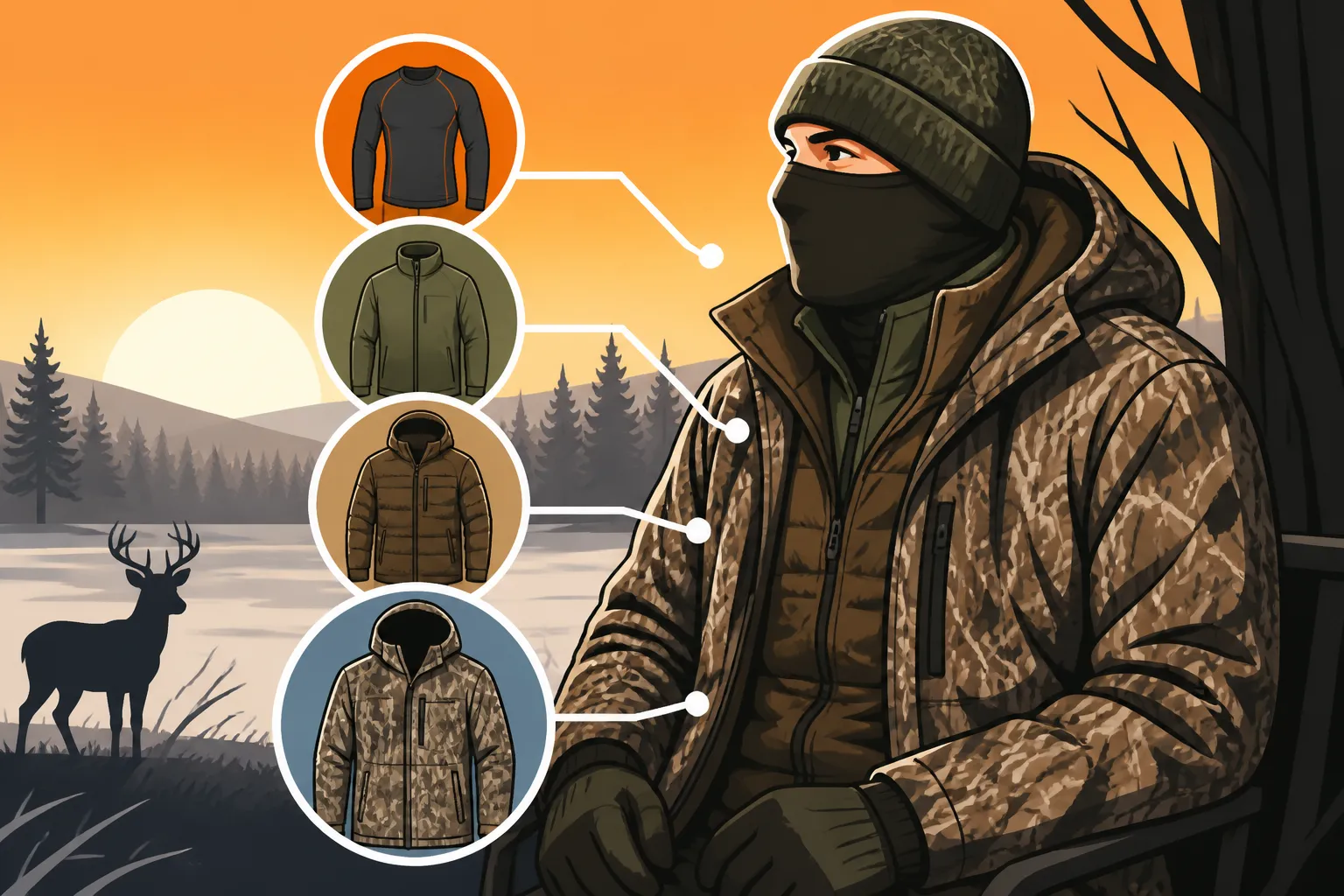
At its heart, layering is about creating an adaptive insulation system that manages your body temperature and protects you from the elements. It's not just about piling on clothes; it's about choosing the right clothes for each specific function. This strategy involves three primary layers: a base layer, mid-layers, and an outer layer. Each plays a distinct and crucial role in keeping you warm, dry, and stealthy in the field. Ignoring one of these components or choosing the wrong material for a layer can compromise the entire system, leading to discomfort and potentially cutting your hunt short.
The Wicking Base Layer: Your First Line of Defense
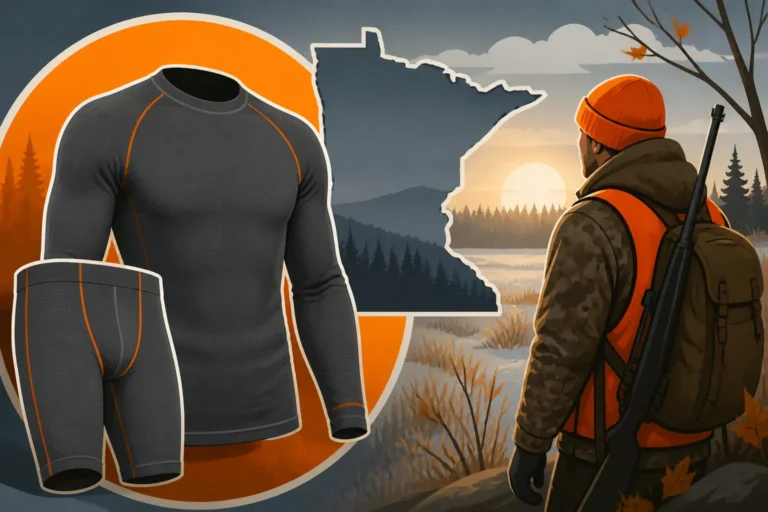
This is arguably the most critical layer, yet often the most overlooked. Your base layer sits directly against your skin, and its primary job is to wick moisture (sweat) away from your body. When you walk to your stand, climb a tree, or drag a deer, you're going to sweat. If that sweat stays against your skin, it will cool rapidly once you stop moving, leading to a profound chill that's incredibly difficult to shake. Cotton is the absolute enemy here; it absorbs moisture and holds it, acting like a cold, wet sponge. Instead, you need materials like merino wool or synthetic fabrics (polyester, polypropylene) that are designed to move moisture to the outer surface of the fabric, where it can evaporate. A good base layer keeps you dry, which in turn keeps you warm. Think of it as your personal climate control system. Base Layers for a Minnesota November are a crucial part of this.
The Insulating Mid-Layers: Trapping Warmth
Once your base layer is managing moisture, your mid-layers step in to provide the bulk of your insulation. Their purpose is to trap warm air close to your body, creating a thermal barrier against the cold. This is where you might employ fleece jackets, insulated vests, or lightweight puff jackets filled with down or synthetic insulation. The beauty of mid-layers is their versatility. On a milder day, you might only need one light mid-layer over your base. As temperatures drop, you can add multiple mid-layers, creating more air pockets and therefore more warmth. The key is to use multiple thinner layers rather than one bulky one, as this allows for finer temperature regulation. You can strip off a layer during a strenuous walk and put it back on when you're static on the stand.
The Protective Outer Layer: Shielding from Wind and Wet
Your outer layer, often called your shell, is your shield against the external environment. Its primary functions are to block wind and repel precipitation – rain, sleet, or snow. A good outer layer should be windproof and water-resistant or waterproof, depending on the conditions you expect. While some outer layers offer insulation, their main role is protection. If wind can cut through your outer layer, it will strip away the warm air trapped by your mid-layers, making you cold very quickly. Similarly, if rain soaks through, it will wet your insulating layers, drastically reducing their effectiveness and leading to rapid heat loss. Look for durable, quiet fabrics that won't rustle and give away your position when you shift in your stand.
Essential Base Layers for Cold-Weather Hunting
Choosing the right base layer isn't just a matter of picking something labeled "thermal." It's a strategic decision that directly impacts your comfort and, ultimately, your ability to stay on stand when the mercury drops. The fabric, weight, and fit all play critical roles in how effectively your base layer performs its moisture-wicking and warmth-retaining duties. This is the foundation upon which your entire layering system is built.
Material Matters: Merino Wool vs. Synthetics
When it comes to base layer materials, the two titans are merino wool and synthetic fabrics. Merino wool is a natural fiber renowned for its exceptional warmth-to-weight ratio, incredible softness (no itch!), and natural odor-fighting properties. It's also unique in that it retains a significant amount of its insulating ability even when wet, which is a huge advantage if you get caught in a drizzle or sweat heavily. Many hunters, including myself, swear by merino for its comfort and performance on long sits.
Synthetic base layers, typically made from polyester or polypropylene, are also fantastic performers. They excel at wicking moisture, dry very quickly, and are often more durable and less expensive than merino wool. Modern synthetics are engineered with advanced treatments to reduce odor, though they might not quite match merino's natural resistance over multi-day hunts. The choice often comes down to personal preference, budget, and the specific conditions you anticipate. Some hunters prefer merino for its warmth and feel, while others opt for synthetics for their quick-drying nature and ruggedness. For a deeper dive, check out Wool Versus Synthetics in Wet Snow.
Weight and Fit for Optimal Performance
Base layers come in various weights – lightweight, midweight, and heavyweight – designed for different temperature ranges.
- Lightweight base layers are great for active hunts in mild to cool weather, providing minimal insulation but excellent wicking. You might wear these for early archery season or during a brisk walk to the stand.
- Midweight is the versatile workhorse, suitable for a wide range of cold conditions, offering a good balance of warmth and moisture management. This is often my go-to for general Minnesota rifle season hunting.
- Heavyweight base layers are for extreme cold, providing maximum insulation. These are essential for those late-season muzzleloader hunts when you know you'll be sitting still in single-digit temperatures.
Beyond weight, fit is crucial. A base layer should be snug against your skin, but not constricting. This close contact allows it to effectively pull moisture away from your body. If it's too loose, there will be air gaps, and it won't be able to wick efficiently. You don't want it to feel like compression gear, but rather like a second skin that moves with you freely. This proper fit also helps ensure it doesn't bunch up uncomfortably under your subsequent layers.
Odor Control and Hunter's Advantage
Let's be real: deer have an incredible sense of smell. Anything you can do to minimize your human odor is a significant advantage. This is where a good base layer can really shine. Merino wool, with its natural anti-microbial properties, is excellent at resisting odor buildup over extended wear, which is a blessing if you're on a multi-day hunt without access to laundry facilities. Synthetic base layers often incorporate silver ions or other treatments to combat odor-causing bacteria. While not always as effective as merino over the long haul, they are still far superior to untreated cotton. Choosing a base layer specifically designed for odor control can help you stay undetected longer, giving you a better chance at success.
Mid-Layers: Insulation for the Long Haul
Once you've got your moisture-wicking base in place, it's time to build out your thermal engine with mid-layers. These are the workhorses of warmth, trapping air and keeping your body heat where it belongs. The right combination of mid-layers allows you to fine-tune your insulation for everything from a chilly morning to a brutal, all-day cold front, making all the difference between a successful long sit and an early retreat to the truck.
Fleece, Down, and Synthetic Fill Options
The world of mid-layers offers a fantastic array of materials, each with its own strengths.
- Fleece is a perennial favorite for good reason. It's relatively inexpensive, durable, and provides excellent warmth even when slightly damp. Modern fleeces come in various weights, from thin microfleece (great for active movement) to heavy, wind-resistant options. They breathe well, making them a solid choice for layering, especially if you anticipate some walking.
- Down insulation, typically from ducks or geese, offers the best warmth-to-weight ratio. A lightweight down puffy jacket can pack an incredible amount of warmth into a tiny, compressible package. The main drawback is that down loses most of its insulating power when wet, so it's best kept dry under a good outer shell.
- Synthetic fill insulation (like PrimaLoft, Thinsulate, etc.) aims to mimic the warmth of down while retaining insulating properties even when wet. It's often bulkier and heavier than down for the same warmth, but its wet-weather performance makes it a reliable choice, particularly in areas prone to dampness or unexpected precipitation. Many hunters find synthetic insulated jackets and vests to be extremely versatile for Minnesota's variable conditions.
Often, a combination works best. You might have a fleece jacket as a core mid-layer and then pack a lightweight down or synthetic puffy jacket to throw on once you're settled in your stand and the temperature starts to drop.
The Importance of Strategic Layering for Movement
One common mistake hunters make is putting on all their warm layers before they start walking to their stand. This inevitably leads to sweating, and as we discussed, sweat is the enemy of warmth. The trick with mid-layers is to be strategic. Start your walk with fewer layers, maybe just your base layer and a light fleece. Carry your bulkier, warmer mid-layers in your pack. Once you arrive at your stand location, cool down, and then methodically add your mid-layers before you start to feel cold. This "dress for the stand, not the walk" philosophy is paramount. It means that while you might feel a bit chilly on the hike in, you'll be dry and ready to layer up for comfort during your sit. A good pack, like those you might explore from GoHunt, can make carrying these extra layers easy and quiet.
Managing Bulk Without Sacrificing Warmth
The challenge with mid-layers, especially as you add more of them for colder weather, is managing bulk. Too much bulk can restrict your movement, interfere with your shooting form, and make you feel cumbersome. This is where high-quality, compressible materials like down or advanced synthetic fills really shine. They provide significant warmth without excessive volume. Opt for mid-layers that are designed for hunting – meaning they have athletic cuts that allow for a full range of motion, especially important when drawing a bow or shouldering a rifle. Look for features like zippered pockets for essentials, and silent zippers that won't clang or snag. The goal is to be warm, yes, but also nimble and ready to react when that trophy buck steps out.
Outer Layers: Protection Against the Elements
Your outer layer is your shield against the unpredictable forces of nature. It’s the final barrier between you and the wind, rain, snow, and whatever else the Minnesota woods throw at you. Choosing the right outer layer isn't just about staying dry; it's about maintaining the integrity of your entire layering system and staying comfortable enough to endure long periods exposed to the elements.
Waterproof and Windproof Shells
When the wind howls or the rain starts to fall, your outer layer becomes paramount. A truly windproof shell will prevent convection, where cold air penetrates your clothing and strips away your body heat. Look for fabrics that explicitly state "windproof" or incorporate wind-stopping membranes. For rain and snow, you'll want something water-resistant at a minimum, but ideally fully waterproof. This usually means a durable outer fabric treated with a DWR (Durable Water Repellent) coating, backed by a waterproof/breathable membrane (like Gore-Tex, eVent, or proprietary brand technologies).
The "breathable" part is important; it allows some of the moisture vapor (sweat) from your body to escape, preventing you from feeling clammy inside your waterproof shell. This is a critical distinction from old-school rain gear that kept water out but also trapped all your sweat in. Remember, Rain Gear for a Minnesota Downpour can make or break a hunt. The material should also be quiet – a crinkly rain jacket can ruin a stealthy stalk or a careful draw. Test it by moving around in the store; if it sounds like a bag of chips, it's not going to cut it in the deer woods.
Insulation in the Outer Layer: When to Choose It
Some outer layers come with built-in insulation, typically synthetic fill. These are often referred to as "parkas" or "insulated jackets." They combine the protective shell with a mid-layer's warmth into a single garment. These can be excellent for extremely cold, sedentary hunting situations where you need maximum warmth and minimal fuss. For example, a late-season sit in a ground blind might benefit from an insulated outer layer.
However, an insulated outer layer reduces the versatility of your layering system. You can't easily shed insulation if you get too warm from walking or if the temperature rises unexpectedly. For this reason, many experienced Minnesota hunters prefer a non-insulated (or lightly insulated) waterproof/windproof shell and rely on their mid-layers for warmth. This "shell-only" approach allows for maximum adaptability to changing conditions and activity levels. If you're planning a long hike to a stand you located on GoHunt, you'll appreciate being able to shed that insulation for the walk.
Quietness and Durability in the Field
Beyond weather protection, the best hunting outer layers are designed with stealth and longevity in mind. The fabric should be soft and quiet, especially as you move or brush against branches. Many hunting-specific outer layers use brushed polyester or other silent materials. You don't want to sound like a rustling leaf bag every time you adjust your position or reach for your binoculars.
Durability is also key. Hunting involves pushing through brush, climbing stands, and generally putting your gear through its paces. Your outer layer needs to stand up to snags, abrasions, and repeated exposure to the elements without tearing or losing its protective qualities. Reinforced elbows, shoulders, and other high-wear areas are a definite plus. Remember, this is an investment in your comfort and success, so choosing a quality, durable outer layer that will last through many seasons is worth it. For firearm hunters, don't forget your How Much Blaze Orange Minnesota Requires – it's often incorporated into the outer layer.
Head, Hands, and Feet: Often Overlooked but Critical
You've got your core layering system dialed in, but don't stop there! Many hunters make the mistake of neglecting their extremities, and that's where the cold truly sets in and steals your focus. Your head, hands, and feet are crucial areas for heat regulation, and keeping them properly insulated and protected is just as important as your torso.
Headwear: Preventing Heat Loss
It’s an old adage, but true: you lose a significant amount of body heat through your head. Your brain needs a consistent temperature to function, so your body prioritizes sending warm blood there, leading to heat escaping if your head is uncovered.
- Beanies and stocking caps made from wool or fleece are excellent for trapping heat. On colder days, consider a heavier wool beanie that covers your ears fully.
- Balaclavas or neck gaiters are fantastic for extreme cold, protecting your face, neck, and ears from biting winds and frostbite. They can be pulled up or down as needed, offering great versatility.
- Hats with a brim are still useful for keeping rain or snow out of your eyes, or for shading you from the sun on a brighter day. Many hunters will layer a beanie under a ball cap, especially if it's raining or snowing.
- For firearm seasons, remember that your blaze orange requirements often extend to headwear. A blaze orange beanie or cap is a common choice.
Having multiple options to choose from, or even carry a spare in your Packs for a Day on Public Land, allows you to adjust as conditions change throughout your sit.
Gloves and Mittens: Dexterity vs. Warmth
This is often the trickiest balance to strike. You need warmth, but you also need to be able to manipulate your rifle, draw your bow, use your binoculars, and potentially access gear in your pack.
- Thin Liner Gloves: These are your first line of defense, providing a light layer of warmth and moisture-wicking while maintaining excellent dexterity. They're great for early season or as a base under heavier gloves.
- Midweight Gloves: Often fleece or insulated synthetics, these provide more warmth but still allow for reasonable finger movement. Many have "shooter" fingers that can fold back, or touch-screen compatible fingertips.
- Mittens or "Glomitts": For truly bitter cold, mittens are superior at trapping heat because your fingers share warmth. "Glomitts" (mitten-glove hybrids) are a fantastic compromise, offering the warmth of a mitten but with a fold-back cover that exposes fingers for shooting or other tasks.
- Hand Muffs: Often overlooked, a hand muff that clips around your waist is a game-changer for severe cold. You can keep Hand Warmers That Last a Full Sit inside, giving you a warm place to tuck your hands between periods of activity. This allows you to use lighter gloves for better dexterity when you need it, then quickly warm your hands back up.
The key is to use a system: thin gloves for dexterity, and heavier mittens or a muff to put your hands into when you're not actively doing something.
Footwear and Socks: The Foundation of Comfort
Cold feet can ruin a hunt faster than almost anything else. Good footwear is an absolute necessity.
- Insulated Boots: For deer season, you'll generally want well-insulated, waterproof boots. Look for boots with specific gram ratings for insulation (e.g., 800g, 1200g, 2000g) appropriate for the expected temperatures. Ensure they are roomy enough to accommodate thick socks without being so tight that they cut off circulation, which can make your feet colder. Many hunters choose Insulated Boots for All-Day Sits.
- Waterproof Protection: Whether it's slush, mud, or crossing a shallow creek, your boots need to keep your feet dry. Rubber boots are excellent for wet conditions and keeping human scent down, and many come insulated. Rubber Boots for Swamp Walking are indispensable in some areas.
- Socks: Just like base layers for your torso, your socks should be made of merino wool or synthetic materials, never cotton. Cotton socks absorb sweat and then become cold, wet sponges.
- Layering Socks: For colder weather, consider layering socks: a thin merino or synthetic liner sock (to wick moisture) under a thicker, insulated wool sock. Again, ensure your boots are roomy enough to accommodate this without compressing your foot, which restricts blood flow. Always pack a spare pair of dry socks in your pack; there's no better feeling than changing into fresh, dry socks on a cold day.
Investing in quality footwear and a smart sock system will pay dividends in comfort and longevity on the stand.
Adapting Your Layers for Specific Minnesota Scenarios
Minnesota's hunting calendar offers a wide array of opportunities, each presenting its own unique set of weather challenges. What works for a mild September archery hunt won't cut it for a bone-chilling December muzzleloader season. Being able to adapt your layering strategy to these distinct periods is crucial for maximizing your time and comfort in the field.
Early Season Archery: Managing Warmth and Mosquitoes
The early archery season in Minnesota, particularly during Minnesota Archery Season Dates, can be a real mixed bag. You might have days that feel like summer, with temperatures in the 60s or 70s, or you could experience a sharp cold front bringing temps down to the 40s. The biggest challenge often isn't just the cold, but managing sweat and mosquitoes.
For these conditions, your layering strategy should focus on breathability, moisture-wicking, and protection from insects. A lightweight merino wool or synthetic base layer is essential to manage sweat during your walk in. Avoid anything heavy. Your mid-layer might be a very light fleece vest or even just a long-sleeved shirt that can be shed easily. The outer layer should be quiet, lightweight, and perhaps offer insect repellent properties if mosquitoes are still active. Packing a heavier, packable insulated vest or jacket is a good idea for when you stop moving in the stand and the evening chill sets in. You might start your hunt with minimal layers, carrying your heavier options in your pack, then quietly adding them as you cool down.
The Rifle Opener: Dealing with Crowds and Cold Snaps
The Minnesota firearm deer season opener, especially in zones like the Minnesota 100 Series Firearm Opener, is often characterized by significant hunting pressure and famously unpredictable weather. One year it's shirt-sleeve weather, the next it's a full-blown blizzard. This period demands a more robust and versatile layering system.
You'll definitely want a midweight or heavyweight base layer, depending on the forecast. Multiple mid-layers are key here – think a combination of a substantial fleece jacket and a packable synthetic insulated puffy. Your outer layer needs to be fully windproof and waterproof, capable of shedding rain, sleet, or heavy snow while still being quiet for shooting. Consider insulated bibs or pants instead of just insulated trousers for added core warmth when sitting still for long hours. And of course, your blaze orange must be prominently displayed over your outer layers. The ability to shed or add layers quickly and quietly when you're in the stand is crucial, as you might start shivering at dawn but warm up considerably by late morning if the sun comes out.
Late Season Muzzleloader: Extreme Cold and Stationary Hunts
By the time Minnesota Muzzleloader Season Dates roll around, you're often dealing with the most brutal conditions of the year: deep snow, bitter cold, and howling winds. This is when your layering system is truly tested, and sacrificing warmth for mobility is a dangerous game.
Heavyweight merino or synthetic base layers are non-negotiable. For mid-layers, you'll likely want multiple substantial pieces – a thick fleece, possibly a heavy synthetic puffy, and even a down vest. Your outer layer should be a heavy-duty, insulated, waterproof, and windproof parka or jacket paired with insulated bibs or pants. This is one scenario where an integrated insulated outer layer can make sense, as movement is often minimal. Focus on creating as many dead-air spaces as possible. Your head, hands, and feet absolutely cannot be an afterthought; wear the warmest mittens, a full balaclava, and heavily insulated boots with proper wool sock layering. This is when you bring the hand warmers, the foot warmers, and maybe even a small insulated seat cushion. Every piece of gear is about trapping every last bit of warmth to stay on stand as long as possible.
| Layer Type | Primary Function | Best Materials (Examples) | Key Benefits | Considerations |
|---|---|---|---|---|
| Base Layer | Moisture Wicking | Merino Wool, Polyester, Polypropylene | Keeps skin dry, odor control, some warmth | Snug fit essential, avoid cotton |
| Mid-Layers | Insulation | Fleece, Down, Synthetic Fill | Traps warm air, adjustable warmth | Multiple thinner layers better than one bulky |
| Outer Layer | Wind/Water Protection | Gore-Tex, eVent, DWR-treated fabrics | Blocks wind, repels rain/snow, durable | Must be quiet, breathable, and waterproof/resistant |
| Headwear | Heat Retention | Wool, Fleece, Synthetics | Prevents heat loss from head, protects face | Balaclavas for extreme cold, blaze orange for rifle season |
| Handwear | Warmth & Dexterity | Wool, Synthetics, Down | Keeps hands warm, allows for tasks | Mittens for warmth, thin gloves for dexterity, muffs for extreme cold |
| Footwear | Insulation & Dryness | Insulated Rubber/Leather, Synthetics | Keeps feet warm & dry, support | Adequate insulation, waterproof, proper sock system, spare socks |
Ultimately, mastering layering for a Minnesota deer stand isn't about buying the most expensive gear (though quality helps), but understanding how each piece functions together. It's about being prepared for anything our incredible state can throw at you, ensuring you can enjoy every minute of your time in the woods, focused on the hunt, not the cold. Plan your movements, plan your sits, and use tools like GoHunt to scout areas that might demand specific protection from wind or water.
Disclaimer
This article is for general informational purposes only and does not constitute professional advice. Laws, prices and regulations vary by location and change over time. Consult a qualified professional for guidance on your specific situation.