Roseau River Wildlife Area Access
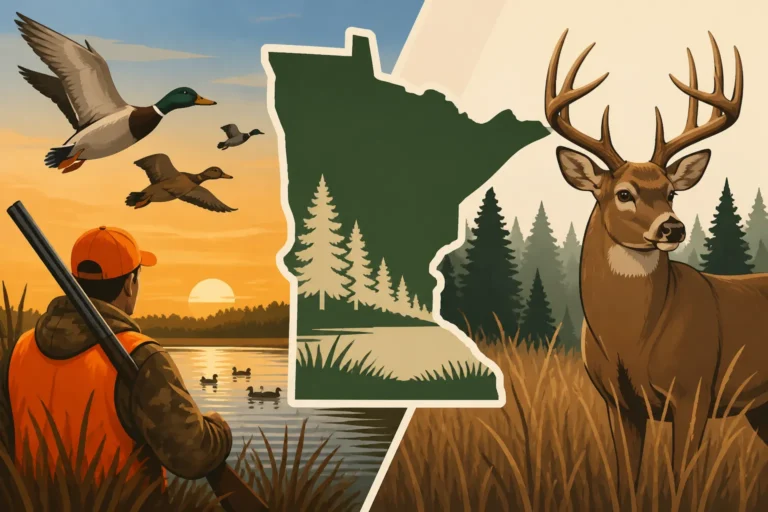
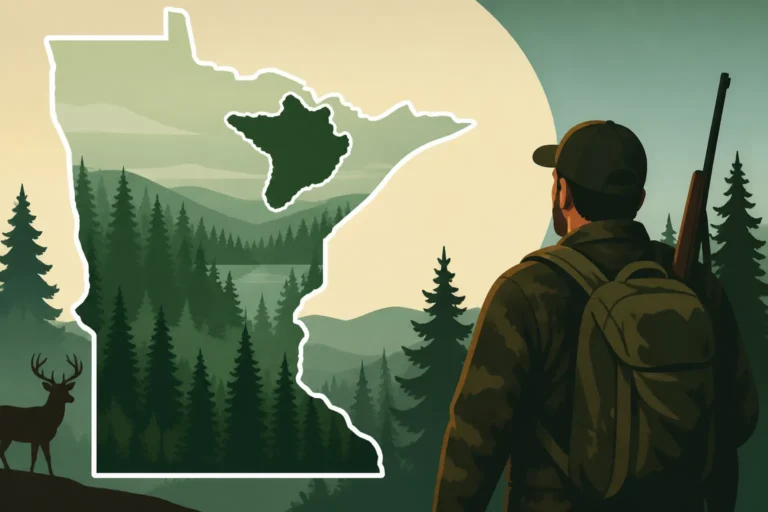
For many Minnesota hunters, the thought of vast, wild public land conjures images of the Northwoods, but there's an incredible gem up in the far northwest corner of our state: the Roseau River Wildlife Area. Finding and effectively hunting a massive public tract like this can feel overwhelming, especially if you're used to smaller, more accessible spots. This guide is here to break down how to get into, navigate, and make the most of the incredible hunting opportunities at the Roseau River WMA, helping you turn those "where do I even start?" questions into "I'm heading out!" confidence.
Getting Your Bearings: Location and Access to Roseau River WMA
The Roseau River Wildlife Area is a beast, spanning tens of thousands of acres in northern Roseau County, right on the Canadian border. It’s not just a small patch of woods; it’s a mosaic of wetland, timber, and grassland that feels truly wild. Getting there usually means a bit of a drive, often up Highway 89 or 310, north of Roseau, Minnesota. The sheer size of this area means there isn't just one "main entrance." Instead, you'll find numerous access points dotting its perimeter, ranging from well-maintained gravel roads to more primitive two-track trails that might require a sturdy vehicle.
Navigating the Approaches to Roseau River
When you’re planning your trip, consider the time of year. In the dry fall, many of the gravel and dirt roads that spiderweb through the WMA are perfectly navigable for most vehicles. However, a late-season snow or a particularly wet spring can turn those same roads into muddy, impassable bogs. It’s not uncommon to find yourself needing to back out if you push too far down a lesser-used trail. That's why having a solid understanding of the road conditions, or at least being prepared to turn around, is essential.
You'll often find parking areas, sometimes just pull-offs, where you can leave your vehicle. From there, your feet, or perhaps an ATV if allowed on designated trails, become your primary mode of transport. This is not the kind of place where you park and shoot; it requires dedication and a willingness to walk. Remember, you're competing with a lot of natural obstacles out here, and the land itself can be a formidable challenge. Checking with local conservation officers or the DNR office in Roseau for current road conditions, especially after heavy rains or snow, can save you a lot of grief.
Unique Terrain Challenges and Opportunities
The topography of Roseau River WMA is relatively flat, but don't let that fool you. It's dominated by vast expanses of cattail marsh, interspersed with stands of aspen, willow thickets, and some areas of more open grassland. This creates a challenging but incredibly diverse hunting environment. The marshes, while tough to traverse, are prime duck and goose habitat, attracting birds using the Mississippi Flyway. The higher ground, often pockets of aspen or willow, provides cover and food for deer, grouse, and even moose. Knowing this diverse terrain, and understanding that you might be slogging through water in one section and pushing through dense brush in another, helps you prepare both mentally and with the right gear.
Prime Hunting Opportunities at Roseau River WMA
Roseau River Wildlife Area truly shines as a multi-species hunting destination, offering a breadth of experiences that can keep a hunter busy from early fall well into winter. It's not just a deer spot or a duck spot; it's a wild land that supports a variety of game.
Waterfowl Hunter's Paradise
For waterfowl hunters, the Roseau River WMA is legendary. Its extensive marshlands, fed by the Roseau River itself, create an ideal habitat for migrating ducks and geese. You'll find everything from mallards and wood ducks in the timbered sloughs to divers out on the larger, more open water bodies. Early season can be fantastic for teal and wood ducks, while later in the fall, larger mallard flights and Canada geese become the main targets. Minnesota Waterfowl Hunting on Lakes and Potholes is a must-read if you're new to the state's waterfowl scene, and much of that advice translates directly to Roseau.
Getting to your spot usually involves waders, or even a small boat or canoe, especially if you want to reach the prime, less-pressured areas. Decoy spreads can be critical, as can understanding the flight patterns that often follow the river's winding path or the edges of the vast cattail stands. Blinds might need to be built on-site from natural materials, or you could utilize portable layout blinds on higher, drier spots adjacent to water. The challenge of access, while sometimes frustrating, often leads to less competition and more undisturbed birds, which is a huge draw for dedicated waterfowlers.
Deer and Upland Game Potential
While waterfowl often takes center stage, Roseau River WMA also holds a healthy population of white-tailed deer. These deer thrive in the dense cover provided by the willow thickets, aspen stands, and the edges of the cattail marshes. Hunting here often means still-hunting or methodical drives through dense pockets of cover, much like Still-Hunting Minnesota Big Woods, but with the added element of navigating wetlands. Finding deer sign can be tough in such vastness, but focusing on areas where different habitat types meet—like a strip of aspens bordering a marsh—can pay dividends.
Upland bird hunters will also find opportunities, particularly for ruffed grouse in the aspen regeneration areas and woodcock along the alder runs near water. Though not as well-known for pheasants as some southern WMAs, you might flush a few in the grassy uplands. Grouse and Woodcock Hunting in Minnesota provides excellent general tactics that apply well to the cover found here. The key is to cover ground, often following old logging trails or game trails through the thicker stuff, keeping an eye out for flushes. Small game like rabbits and squirrels also call this area home, providing year-round hunting options for those looking to explore.
A Unique Moose Encounter Zone
While moose hunting is not currently allowed in the Roseau River WMA or elsewhere in Minnesota (except for a very limited tribal hunt), the area is part of Minnesota's remaining moose range. Encountering one of these majestic animals while deer or waterfowl hunting is a truly unforgettable experience. It's a testament to the wild character of the WMA and a reminder of the unique ecosystems we have in our state. Even without a tag, knowing they're there adds to the magic of the hunt.
Navigating the Wilderness: Tools for Success
The sheer scale of the Roseau River WMA means that having reliable navigation tools isn't just a convenience—it's a necessity. You can quickly become disoriented in the endless cattails or dense willow thickets, especially if the weather rolls in or if you're tracking a deer in diminishing daylight.
The Indispensable Role of Mapping Apps
Forget vague paper maps and basic compass skills as your only reliance; modern technology has revolutionized how we hunt vast public lands. This is where apps like onX Hunt and GoHunt become absolutely invaluable. These digital mapping tools allow you to:
- Pinpoint your exact location: No more guessing which side of the slough you're on.
- Identify public/private land boundaries: Critical for staying legal and avoiding trespassing. The Roseau River WMA borders private agricultural land in many spots, and these apps clearly delineate where the public land ends and private property begins.
- Mark waypoints: You can drop pins for your vehicle, a promising funnel, a hot feeding area, or the last known location of a downed animal. This is especially helpful when Tracking a Deer in Fresh Minnesota Snow or trying to find your way back to camp after dark.
- Scout from home: Before you even leave, you can pour over satellite imagery to identify potential access points, habitat transitions, hidden pockets of timber, or dense marsh edges that might hold game. You can literally plan your entire hunt from your couch.
Having your phone or GPS unit fully charged, and ideally a portable power bank, is crucial. Service can be spotty in some remote parts of the WMA, so downloading offline maps ahead of time is a non-negotiable step.
Traditional Navigation and Backup
While technology is fantastic, don't completely abandon the classics. A physical compass and a waterproof paper map of the WMA can be a lifesaver if your electronics fail due to cold, water, or battery drain. Understanding how to use them is a skill worth maintaining. Many hunters also carry a whistle, not just for emergencies, but to signal hunting partners in thick cover. When you're deep in the Roseau River WMA, self-reliance is key. Always tell someone your hunting plan, including your expected return time and the specific area you intend to hunt. Scouting Minnesota Public Land Before Season is always a good idea, but using those mapping tools to get a lay of the land will save you valuable hunting time.
Rules, Regulations, and Responsible Hunting
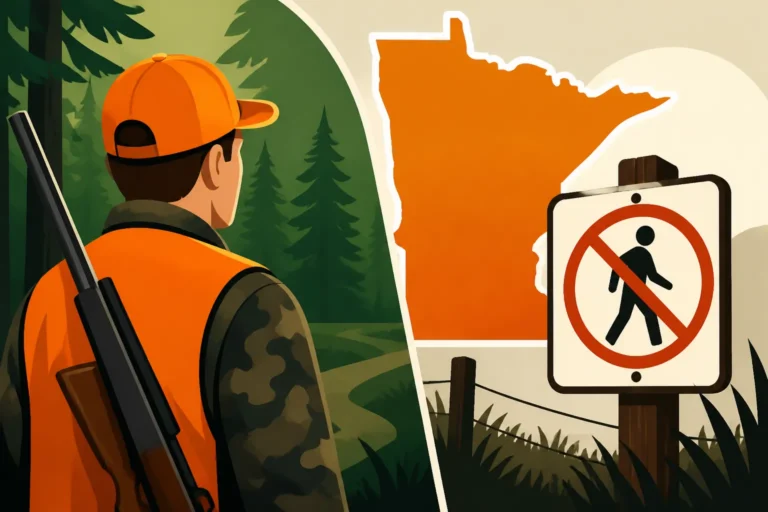
Hunting the Roseau River Wildlife Area, like any public land in Minnesota, comes with specific rules and regulations designed to ensure safety, conservation, and fair chase. It's your responsibility as a hunter to know and abide by these.
General WMA Guidelines
Wildlife Management Areas like Roseau River are managed specifically for wildlife habitat and public hunting/recreation. While this is great news for hunters, it also means there are often specific rules that might differ from state forests or national forests. Always look for signage at major access points or check the Minnesota DNR website for the latest regulations pertaining to WMAs.
Common WMA rules include:
- Vehicle restrictions: While some gravel roads might be open to licensed vehicles, many two-track trails are restricted to ATVs on designated routes, or completely closed to motorized access. Always know before you go.
- Permanent stands/blinds: Generally, permanent treestands or ground blinds are prohibited on WMAs. Portable stands must be removed daily or within a certain timeframe (often after the season closes), and they must be clearly tagged with your identification.
- Baiting: Baiting deer is prohibited in many areas of Minnesota, especially those within CWD management or surveillance zones. Always check current regulations for Roseau County. This is a critical point that can lead to significant penalties.
- Blaze Orange: Minnesota has strict Blaze Orange Requirements during firearm seasons. Even during archery season, if you're moving through an area where other seasons are open, wearing blaze orange is a smart safety practice.
License Requirements and CWD Awareness
Before you even step foot in the WMA, make sure your licenses are in order. This includes your general Minnesota hunting license, specific deer or turkey tags, and any stamps like the Minnesota Pheasant Stamp or Federal Duck Stamp and HIP certification for waterfowl. You can typically purchase licenses through the Minnesota DNR eLicense system. For deer hunters, be aware of specific permit area rules for the Roseau area, including any antlerless lottery requirements. Minnesota Hunting Licenses and What They Cost will give you a detailed breakdown.
Additionally, pay close attention to Chronic Wasting Disease (CWD) regulations. While Roseau County is generally outside the primary CWD management zones in Southeast Minnesota, the statewide CWD plan means regulations can change. Be informed about carcass movement restrictions and any mandatory or voluntary CWD testing that might be in effect for your permit area. This helps protect our deer herd and preserve hunting opportunities for future generations.
Respecting the Resource
Hunting the Roseau River WMA is a privilege. Practice ethical hunting, clean up after yourself, and leave no trace. Pack out everything you pack in. Be considerate of other users, whether they are hunters, birdwatchers, or hikers. The wild character of the Roseau River Wildlife Area is one of its greatest assets, and it's up to all of us to ensure it remains a pristine and productive habitat for wildlife.
| Game Species | Primary Habitat in Roseau River WMA | Best Hunting Method | Season Focus |
|---|---|---|---|
| White-tailed Deer | Aspen groves, willow thickets, marsh edges | Still-hunting, slow drives, stand hunting (near cover) | Archery, Firearm, Muzzleloader |
| Mallards, Teal | Cattail marshes, open water, timbered sloughs | Decoy spreads, jump shooting | Early to Late Fall |
| Canada Geese | Open water, adjacent agricultural fields | Decoy spreads (field/water), blinds | Early to Late Fall |
| Ruffed Grouse | Young aspen stands, dense brush | Dog hunting, walking old trails | Early to Late Fall |
| Woodcock | Alder runs, wet thickets | Dog hunting, walking moist cover | Fall Migration (brief window) |
| Snowshoe Hare | Dense willow thickets, conifer stands | Still-hunting, running beagles | Late Fall, Winter |
| Cottontail Rabbit | Brush piles, field edges, denser thickets | Still-hunting, running beagles | Late Fall, Winter |
Disclaimer
This article is for general informational purposes only and does not constitute professional advice. Laws, prices and regulations vary by location and change over time. Consult a qualified professional for guidance on your specific situation.