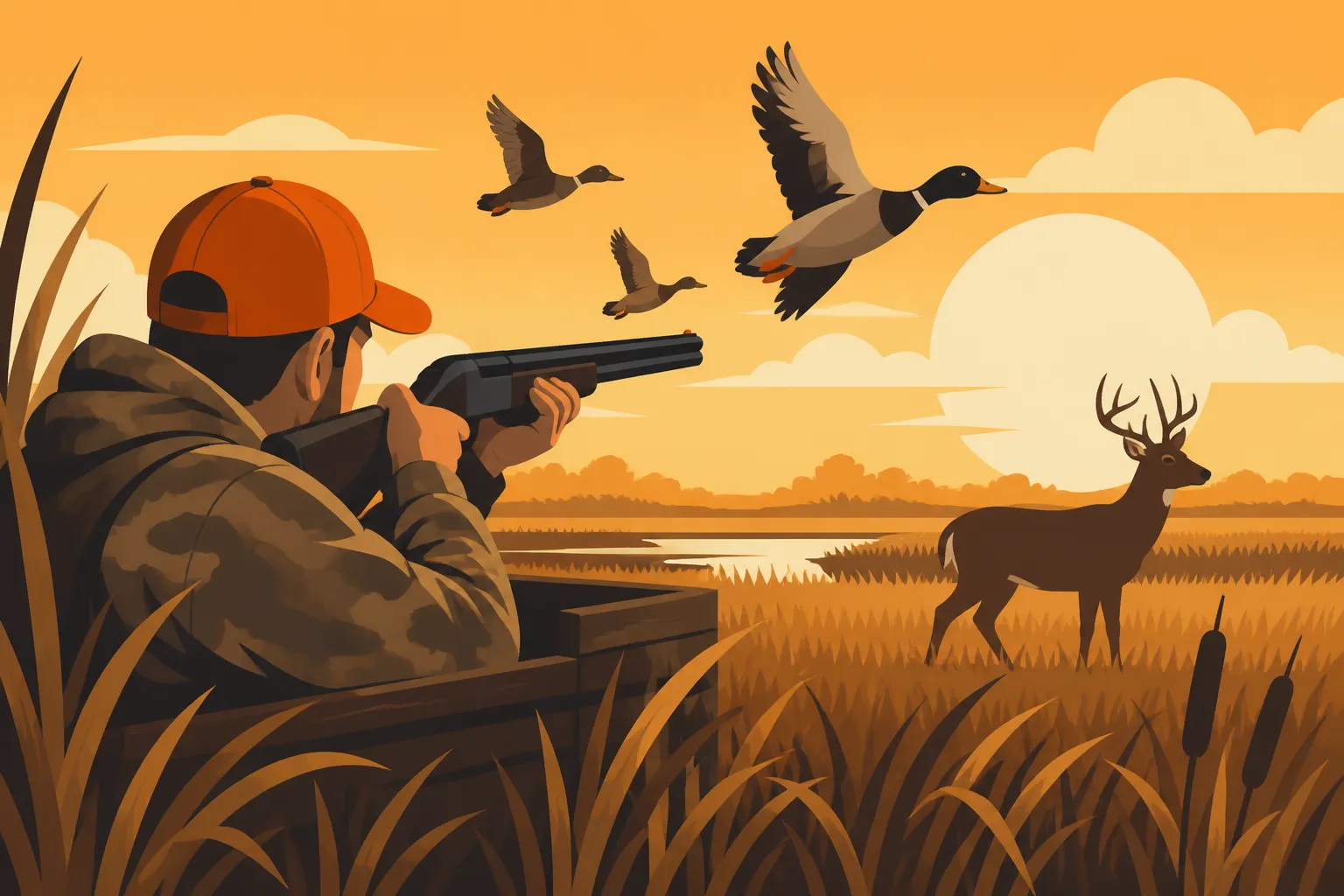
Lac qui Parle Wildlife Area Hunting
Hunting public land can often feel like searching for a needle in a haystack, especially when you're hoping for diverse opportunities beyond just deer. Many hunters get frustrated with overcrowded spots or areas that only offer one type of game. This comprehensive guide is here to alleviate that frustration by detailing the incredible and often overlooked hunting potential of Lac qui Parle Wildlife Area in western Minnesota, helping you navigate its unique landscape and maximize your chances for a successful outing.
Understanding the Landscape of Lac qui Parle Wildlife Area
Lac qui Parle Wildlife Area, or LqP as many locals call it, isn't just another patch of public ground; it's a sprawling, dynamic ecosystem that stands out in western Minnesota's predominantly agricultural landscape. Its sheer size and strategic location along major migratory routes make it a prime destination for hunters seeking a diverse array of game. But truly understanding and appreciating LqP means getting to grips with its geography and the specific habitats that make it tick.
Location and Geographic Significance
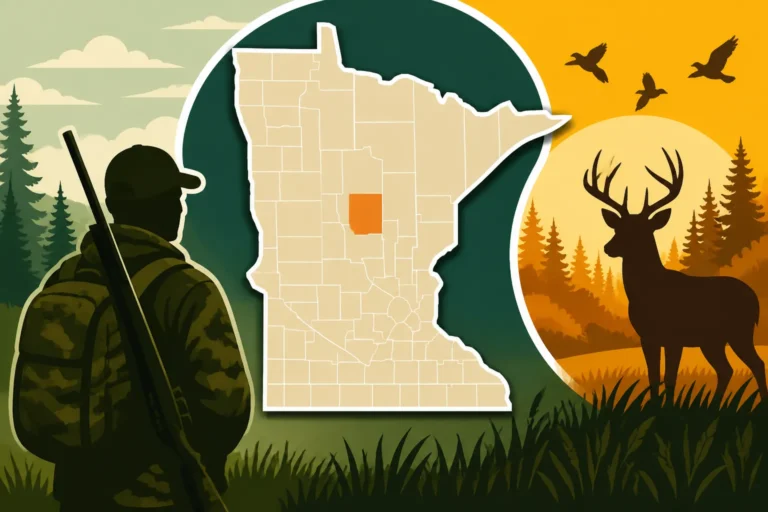
Situated in the western part of Minnesota, primarily within Lac qui Parle and Chippewa counties, the wildlife area encompasses a significant portion of the Lac qui Parle River valley and its confluence with the Minnesota River. This isn't the Northwoods with its endless timber; instead, you're looking at a landscape shaped by water and prairie. The Lac qui Parle Lake, a large reservoir formed by a dam on the Minnesota River, acts as a massive magnet for migratory birds, making the surrounding wildlife area critically important for waterfowl. The river valleys themselves create natural corridors and diverse terrain, from marshy wetlands to upland prairie and pockets of riparian timber. For any hunter looking at Minnesota Waterfowl Zones and Seasons, Lac qui Parle falls squarely into a key region.
The area's geographical position means it’s a critical stopover point on the Mississippi Flyway. Thousands upon thousands of ducks and geese utilize the lake and surrounding wetlands during their migration, creating an incredible spectacle and unparalleled hunting opportunities. But it's not just about the birds; the mosaic of habitats supports healthy populations of pheasants, deer, and other small game, offering a multi-species hunting experience that's hard to find elsewhere on public land.
Habitat Diversity and Management Goals
The Minnesota Department of Natural Resources (DNR) manages Lac qui Parle Wildlife Area with a clear focus on enhancing habitat for waterfowl, upland birds, and other wildlife. This isn't a hands-off approach; active management creates the rich diversity you’ll find. You'll encounter vast stretches of native prairie grass and dense cattail marshes, essential for pheasants, ducks, and various small game. The DNR also plants food plots, primarily corn and soybeans, which are left standing through winter, providing crucial forage and cover, especially for deer and pheasants when other food sources become scarce.
Along the river bottoms, you'll find timbered areas, predominantly hardwoods like oak, elm, and cottonwood. These pockets offer different hunting experiences, from deer stand locations to cover for pheasants seeking refuge from harsh weather. Water levels in the managed pools and ditches are often manipulated to create optimal conditions for migrating waterfowl, which means conditions can change season to season, or even week to week. Understanding these habitat types and how they're managed is key to developing effective hunting strategies, whether you're chasing a ringneck rooster or setting up for a flock of Canada geese. The sheer scale and variety of terrain within LqP is one of its biggest assets, setting it apart from smaller, more uniform parcels of public ground.
Prime Hunting Opportunities at Lac qui Parle
Lac qui Parle Wildlife Area truly shines when it comes to the sheer variety of hunting experiences it offers. While it's particularly renowned for its waterfowl and upland bird populations, many hunters overlook the solid opportunities for deer and small game. If you're looking to fill multiple tags or just experience different types of hunting without traveling across the state, LqP provides an excellent playground.
Waterfowl Hunting: Ducks and Geese Galore
Without a doubt, Lac qui Parle is a waterfowl mecca, especially for geese. The sheer numbers of Canada geese that stage here during the fall migration are astounding. The wildlife area manages various pools and agricultural fields specifically for these birds, creating prime feeding and resting areas. You'll find everything from open water hunting on the main lake and larger pools to field hunting adjacent to these water bodies. Hunters often utilize Layout Blind Hunting Minnesota Farm Fields tactics in the surrounding agricultural land, or set up large decoy spreads in pits or portable blinds near managed water.
Ducks are also present in good numbers, with mallards, wood ducks, teal, and various divers frequenting the wetlands and the Lac qui Parle and Minnesota Rivers. Early in the season, before the major goose migration, you can find excellent duck hunting, particularly in the smaller marshes and sloughs. Later in the fall, as colder weather pushes more birds south, the larger bodies of water become critical. Be prepared for robust competition, especially on weekends and during the peak migration. For success, scouting before your hunt is crucial to understand current bird movements and preferred feeding areas. Don't forget your Waders for Minnesota Marsh Hunting – you'll need them!
Upland Birds: Pheasants and Other Game
While the waterfowl draw gets most of the attention, Lac qui Parle offers some of the best public land pheasant hunting in western Minnesota. The extensive prairie grass, cattail sloughs, and dense food plots provide ideal habitat for ringnecks. Unlike some areas where pheasants are pressured into tiny pockets, LqP offers enough cover for birds to spread out and for hunters to work significant ground. Pheasant Hunting Minnesota Grassland requires a good strategy, whether you're still-hunting the edges of dense cover, blocking off corners of food plots, or walking in lines with a group.
If you have a pointing dog or flushing dog, this is a fantastic place to let them work. Dogs can be incredibly effective at finding and holding birds in the thick cover. Running Pointing Dogs on Minnesota Pheasants is a classic approach here. Beyond pheasants, you might encounter other upland species. While not a primary target, doves can offer fast-paced action in September in areas with sunflower or millet fields. Always check the specific regulations for the units you plan to hunt, as some areas might have special considerations or be designated as refuge areas at certain times.
Deer and Small Game Potential
It's easy for deer hunters to overlook Lac qui Parle Wildlife Area, given its reputation as a bird hunter's paradise. However, LqP holds a healthy deer population, especially within the river bottoms and along the timbered edges that border agricultural fields. These deer benefit from the abundant food sources in the surrounding farm country and the thick cover within the WMA. While you might not find the vast, uninterrupted "Big Woods" habitat of northern Minnesota, the patchwork of timber, sloughs, and CRP fields creates excellent opportunities.
Archery hunters can find success by identifying natural funnels and pinch points along the rivers or setting up near food plots. Firearm hunters can focus on the heavier cover that deer use for bedding during the day, especially once the crops are out and pressure increases. Hunting a Standing Cornfield in Farm Country can be incredibly effective around LqP. Don't expect huge tracts of unpressured timber, but with careful scouting and understanding deer movement patterns in a mixed agricultural-wetland environment, you can absolutely fill a tag. Small game, such as rabbits and squirrels, also thrive in the thicker riparian timber and brushy areas. For hunters with a Minnesota Small Game License Requirements, LqP offers consistent action for these often-overlooked species.
Navigating and Accessing Lac qui Parle WMA
A wildlife area as vast and diverse as Lac qui Parle can feel overwhelming if you don't have a solid plan for navigation and access. This isn't a place you just show up to and wander. Knowing how to use mapping tools, understanding the specific access points, and being prepared with the right equipment can make all the difference between a frustrating search and a successful hunt.
Utilizing Maps and Digital Tools
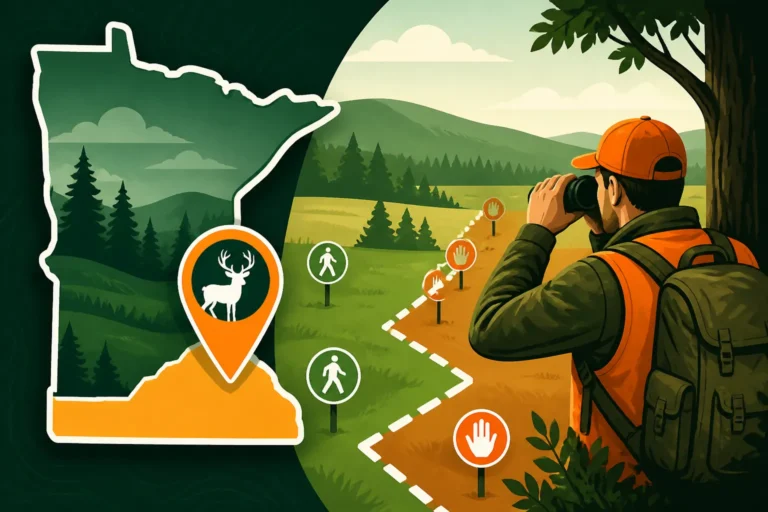
The key to unlocking LqP's potential lies in its mapping. You absolutely need detailed maps to understand the WMA boundaries, public access points, and, critically, the various refuge and no-entry zones. Apps like onX Hunt are invaluable here. They allow you to overlay public and private land boundaries, identify specific WMA units, and locate potential parking areas or walk-in access points. When you're standing on the ground, having that real-time GPS tracking on your phone (even without cell service, if you download maps beforehand) helps you stay on public land and avoid inadvertently trespassing.
Don't underestimate the power of the Minnesota DNR's Recreation Compass map tool online. While it might not have all the bells and whistles of a paid app, it provides essential information about WMA units, habitat types, and designated access. Spend time with these tools before you even leave home. Zoom in, identify potential hunting spots, mark parking areas, and plan your entry and exit routes. You'll quickly see that LqP is not one contiguous block but a collection of units, some separated by private land or roads. Using the Recreation Compass Map Tool will be your best friend for a successful outing.
Specific Access Points and Regulations
Lac qui Parle WMA has numerous access points, from main roads to smaller gravel paths and designated parking lots. However, not all access points are created equal, and some areas are strictly managed. Many units have parking lots along county roads, but others require true walk-in access. Pay close attention to signage; it will clearly mark WMA boundaries, refuge areas (where hunting or entry might be restricted, especially during certain times or seasons), and specific regulations for that unit. For example, some waterfowl areas might only allow hunting from designated blinds or have specific shooting hours that differ slightly from statewide rules.
It's also worth noting that the core area around the main Lac qui Parle Lake, particularly the refuge portions, are designed to give migratory birds a safe haven. Hunting is typically concentrated in the surrounding managed pools, fields, and river bottoms. Before heading out, always consult the most current Minnesota hunting regulations and specifically check for any special rules pertaining to Lac qui Parle WMA. A platform like GoHunt, while often focused on Western states, can sometimes provide high-level overviews or news that might lead you to specific DNR updates more quickly. Local knowledge from checking with the WMA office or area conservation officers can also provide invaluable, up-to-the-minute details about water levels, bird movements, or temporary closures.
Equipment and Logistics for a Successful Hunt
The diverse hunting opportunities at Lac qui Parle mean you might need a diverse set of gear. For waterfowl hunting, especially if you're hitting the marshes or larger pools, quality chest waders are essential. You might also consider a decoy bag, a layout blind, or even a small marsh boat or canoe to access more remote areas. For field hunting geese, a comfortable layout blind and a good spread of decoys are critical. When it comes to upland hunting for pheasants, durable brush pants or chaps are a must to protect against thorns and dense cover. Comfortable, waterproof boots for covering many miles of grassland are equally important.
Regardless of what you're hunting, safety is paramount. During firearm seasons, remember Minnesota's How Much Blaze Orange Minnesota Requires rules. Carry a first-aid kit, plenty of water, and a way to communicate, even if cell service is spotty. If you're hunting larger game like deer, consider how you'll retrieve your animal, especially from marshy or thick cover. A deer cart can be a lifesaver on established trails, but in rougher terrain, you might be looking at a much more strenuous drag. Plan for success, and have the logistics of game retrieval mapped out before you ever pull the trigger.
Maximizing Your Lac qui Parle Hunting Experience
Hunting at a popular and productive public land area like Lac qui Parle Wildlife Area isn't just about showing up with a gun and a license. It requires strategy, adaptation, and an understanding of the dynamics at play, from scouting to managing interactions with other hunters. Getting the most out of your time at LqP means thinking ahead and being prepared for various scenarios.
Scouting and Seasonal Considerations
Successful hunting, especially on public land, starts long before opening day. Scouting is absolutely critical at Lac qui Parle. For waterfowl, this means driving the perimeter, observing flight patterns, identifying staging areas on the lake, and noting where birds are feeding in fields or resting in smaller pools. Water levels can change significantly throughout the season, so what was a prime spot one week might be dry or too deep the next. For pheasants, look for dense cover—cattail sloughs, thick switchgrass, and the edges of standing food plots—and identify travel corridors they might use.
Deer scouting at LqP will focus on the river bottom timber, identifying bedding areas, rub lines, and trails leading to the ample food sources in adjacent agricultural fields. Pay attention to how the agricultural rotation impacts available food from year to year. A field that was corn last season might be soybeans this year, altering deer patterns. Scouting Minnesota Public Land Before Season is not just a recommendation; it's a necessity. Use aerial photos on your onX Hunt app or the Recreation Compass to identify potential spots, and then put boots on the ground to confirm your suspicions and find fresh sign.
Managing Hunter Pressure and Ethics
Lac qui Parle is a well-known and highly-regarded hunting area, which means you're going to encounter other hunters. This is especially true on opening weekends for waterfowl and pheasants. While this can sometimes be a frustration, it's also a reality of hunting popular public land. Instead of letting it deter you, integrate it into your strategy. If you're hunting pheasants, other groups walking fields can push birds your way. For waterfowl, knowing where other groups are set up can sometimes inform your own decoy spread or calling strategy.
To find quieter spots, be willing to walk further than most. Explore units that require a longer hike from the road or areas that are less obvious on a map. These often hold less pressured game. Ethical conduct is paramount: always give other hunters ample space, never sky-bust birds, and be mindful of your shooting lanes. Communication with other groups, even a simple wave or friendly chat, can go a long way in ensuring everyone has a safe and enjoyable experience. Understanding Opening Weekend Crowds on Minnesota Public Land can help you plan your visit to avoid the busiest times or to strategically use the pressure to your advantage.
Beyond the Harvest: Regulations and Best Practices
Finally, a successful hunt at Lac qui Parle extends beyond the moment of the shot. Always, and I mean always, double-check the most current Minnesota DNR regulations for the current hunting season. These can change year to year, and LqP often has specific rules for certain units or species that differ from statewide general regulations. Pay close attention to registration requirements for deer and geese, and make sure you have all necessary licenses and stamps, including your Minnesota HIP Certification for Bird Hunters if you're chasing migratory birds.
Proper game care is also vital, especially during warmer early season hunts. Knowing how to field dress and cool your game quickly will ensure high-quality meat. Beyond regulations, practice responsible land use. Pack out everything you pack in, leave no trace, and report any illegal activity you witness. By being a respectful, informed, and ethical hunter, you contribute to the conservation efforts that make places like Lac qui Parle Wildlife Area such an invaluable resource for all Minnesotans.
| Species | Primary Habitat | Key Seasons | Hunting Strategies |
|---|---|---|---|
| Canada Geese | Managed pools, agricultural fields, main lake | Early September, Regular season (fall) | Layout blinds, large decoy spreads, field hunting |
| Ducks | Wetlands, marshes, Lac qui Parle & MN Rivers | Early Teal, Regular season (fall) | Decoy spreads, marsh blinds, jump shooting |
| Pheasants | Prairie grass, food plots, cattail sloughs | Fall season | Walking cover with dogs, blocking fields, driving |
| White-tailed Deer | River bottom timber, field edges, sloughs | Archery (fall), Firearm (fall), Muzzleloader (Dec.) | Stands near food plots/funnels, still-hunting, drives |
| Rabbits/Hares | Thick brush, timbered river bottoms | Fall/Winter seasons | Walking cover, working with beagles |
| Squirrels | Riparian timber (oak, cottonwood) | Fall season | Still-hunting, spotting and stalking, focusing on oaks |
Disclaimer
This article is for general informational purposes only and does not constitute professional advice. Laws, prices and regulations vary by location and change over time. Consult a qualified professional for guidance on your specific situation.