Spring Turkey Hunting in Minnesota
The electrifying gobble of a spring tom echoing through Minnesota's awakening woods is an experience unlike any other, yet consistently bringing one into range can often feel like a frustrating game of cat and mouse. Our state's unique spring turkey season offers abundant opportunities, but navigating its specific permit areas, hunting periods, and the birds' notoriously wary nature can leave even seasoned hunters scratching their heads. This comprehensive guide is designed to equip you with the insights and tactics necessary to confidently pursue and successfully harvest spring gobblers across Minnesota's diverse and beautiful landscapes.
Understanding Minnesota's Spring Turkey Season Structure
Minnesota's spring turkey season is a finely tuned system, designed to manage turkey populations while providing ample hunting opportunities. It’s not a free-for-all; understanding the regulations is the absolute first step to a successful and legal hunt. If you don't grasp these basics, you could end up in the wrong place at the wrong time, or worse, without a valid tag.
Permit Areas and Application Process
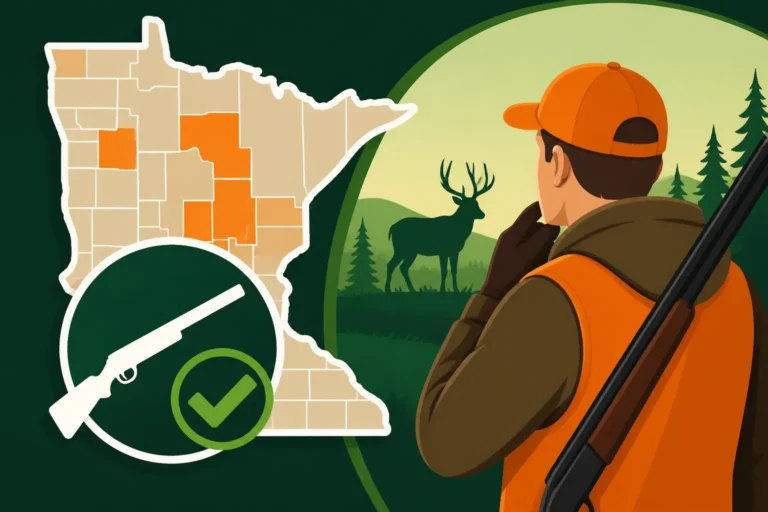
Unlike some states where you can just buy a tag and go, Minnesota divides its turkey hunting opportunities into specific permit areas. These areas, typically defined by county lines or other geographical features, help the DNR manage hunter pressure and distribute success more evenly across the state's expanding turkey range. For popular areas, securing a permit often involves an application and lottery process. This can be nerve-wracking, especially if you have a favorite spot in mind. You'll need to apply well in advance of the season, usually by mid-February, specifying your preferred permit area and hunting period. The results are then drawn, and lucky hunters receive their tags. If you're new to this, or simply want to check past drawing odds, resources like the Minnesota DNR website or digital scouting tools such as GoHunt can offer valuable data to help you strategize your application. Understanding your odds can help you choose a less pressured zone if getting a tag is your top priority.
There are also no-quota areas, typically in the far northern reaches of the state where turkey populations are still establishing or less dense. For these zones, licenses are often available over the counter, meaning you don't have to go through the lottery. This provides a great option for hunters who missed the lottery deadline or prefer a more flexible hunting schedule. Always double-check the current year's regulations to confirm which areas are lottery-only and which are over-the-counter, as these can change annually based on population assessments and harvest data. The key takeaway here is planning; procrastination is a turkey hunter's worst enemy when it comes to permits.
Hunting Periods and Timing Your Hunt
Minnesota's spring turkey season is further broken down into distinct hunting periods, typically lettered A through G, spanning from mid-April through the end of May. Each period lasts for about a week, and your permit is valid only for the specific period you drew for your permit area. This staggered approach helps spread out hunter traffic, particularly on public lands, and also accounts for the varying stages of the turkey breeding cycle throughout the spring. Early periods (A, B) often coincide with peak breeding activity, when gobblers are most vocal and aggressive, but foliage can be sparse, offering less cover. This is often when you'll hear the most intense gobbling from the roost and see birds more readily strutting in open fields.
As the season progresses into later periods (D, E, F, G), gobblers might become more "henned up," meaning they spend more time with hens that are now nesting, making them harder to call away. The woods also green up significantly, providing more cover for both turkeys and hunters, but also making visual scouting more challenging. Sometimes, late-season birds can be easier to fool because they've bred most of the hens and are searching for the last available receptive females. Each period presents unique challenges and opportunities, so understanding the nuances of when the season opens and closes, as well as the behavior of turkeys throughout, is crucial. You can find detailed information on The Seven Minnesota Turkey Firearm Periods on the DNR's website, which is essential for maximizing your chances.
Here's a general overview of the typical Minnesota Spring Turkey Periods:
| Period | Typical Dates (Approximate) | General Gobbler Behavior | Key Hunting Considerations |
|---|---|---|---|
| A | Mid-April | Peak breeding, highly vocal | Less foliage, good visibility, can be cold |
| B | Late April | Strong breeding, still vocal | Increasing foliage, moderate weather |
| C | Early May | Hens nesting, gobblers still active | Good foliage, often pleasant weather |
| D | Mid-May | Gobblers "henned up," less vocal | Dense foliage, visual hunting challenging |
| E | Mid-to-Late May | Seeking last receptive hens, inconsistent | Call less, listen more, patience is key |
| F | Late May | Post-breeding, scattered | Hardest period, focus on food sources |
| G | End of May | Post-breeding, very scattered | Opportunistic hunting, rarely vocal |
Note: Specific dates vary annually. Always consult the current Minnesota DNR regulations for precise dates.
License Requirements and General Rules
Beyond the permit for a specific area and period, you'll need a valid Minnesota turkey hunting license. This isn't just a formality; it's how the state funds conservation efforts and manages wildlife. If you're a resident, the cost is typically quite reasonable, while non-residents will pay a bit more. First-time hunters, or those born after December 31, 1979, must also have a firearms safety certificate. This is a crucial safety measure to ensure everyone in the woods understands responsible gun handling.
When it comes to the hunt itself, there are a few general rules that everyone must abide by. Only male turkeys (gobblers) or turkeys with visible beards are legal to harvest in the spring. This protects the hens and allows them to nest and reproduce, ensuring future turkey populations. Shotguns are the most common weapon choice, but bows and crossbows are also legal. However, be aware of specific rules regarding Minnesota Crossbow Rules During Archery Season, as they might differ from firearms rules. Blaze orange is not required when actively hunting turkeys during the spring firearms season, as the goal is to be camouflaged. However, it's always a good idea to wear blaze orange when walking to and from your hunting spot, especially on public lands where other hunters might be present. Always carry your license and permit, and be prepared to register your turkey as soon as possible after harvest, either online or at a registration station. Neglecting any of these seemingly small details can quickly turn a successful hunt into a costly lesson.
Scouting for Spring Gobblers: Before and During the Season
Scouting is, without a doubt, the most critical element of spring turkey hunting. You can have the best calls, the fanciest gear, and the steadiest aim, but if you're not where the birds are, it's all for naught. Turkeys are creatures of habit, yet they can also be incredibly unpredictable. Successful scouting is about understanding their general patterns and adapting to their daily whims.
Pre-Season Scouting: Locating Roosts and Travel Routes
Long before opening day, perhaps even in late winter or early spring before the full green-up, you should be out in the woods. This is your chance to find the turkeys' home turf without the pressure of a tag in your pocket. Look for classic turkey sign: tracks in muddy creek beds or snow, droppings, and shed feathers. More importantly, try to pinpoint active roosting areas. Turkeys prefer to roost in large, mature trees, often near water or on a high ridge where they feel safe from predators. These trees will show evidence of consistent use, like heavy droppings piled up at the base. Learning to use tools like the Minnesota Recreation Compass App or satellite imagery from services like GoHunt can really help you identify potential roosting habitat from the comfort of your home, saving valuable boots-on-the-ground time.
Beyond roosts, pay close attention to potential travel routes. Where are they likely to go after flying down from the roost? Are there open fields nearby for strutting? Creek bottoms or logging roads that funnel movement? Do they cross a particular fence line or ridge? Identifying these routes helps you anticipate where they'll be and where to set up. Think like a turkey: Where would you feel safe, find food, and be able to see and hear what's going on? Knowing Where Minnesota Gobblers Roost is a game-changer, as it allows you to get in position before they even hit the ground, providing a crucial advantage for that first morning setup.
In-Season Reconnaissance: Listening and Locating
Once the season starts, scouting shifts from pre-season observation to active reconnaissance. This often means "run-and-gun" style scouting, especially on public land where you might not know the exact whereabouts of birds. Get out before dawn and listen. Roost gobbling is your absolute best friend. Try to triangulate the sound to get a general idea of where the birds are. Don't be afraid to use a locator call – an owl hooter, a crow call, or even a coyote howl – to try and provoke a shock gobble without giving away your exact location as a turkey. Turkeys will often gobble back at these sounds, giving you a chance to pinpoint them.
Listen not just for gobbles, but also for hen yelps, clucks, and cutting. Sometimes, a gobbler might be quiet, but his hens are giving away his position. As the day progresses, if the birds move off the roost and you haven't closed the distance, continue to move and listen. If you hear a distant gobble, try to get closer without busting the bird. This might involve long walks, carefully navigating terrain, and using natural cover to conceal your approach. Knowing how to efficiently cover ground using Run-and-Gun Turkey Tactics on Public Land can be the difference between a silent morning and a successful harvest.
Reading the Landscape: Food Sources and Cover
Turkeys, like all wildlife, are driven by their basic needs: food, water, and cover. In spring, their priorities shift towards breeding, but these fundamental needs still dictate their daily movements. Food sources change throughout the spring. Early in the season, turkeys might be drawn to fields of winter wheat, greening pastures, or areas with exposed insects. As the season progresses and the woods green up, they'll forage for tender shoots, insects, and any leftover mast from the previous fall. Identifying these changing food sources can help you predict where birds will be throughout the day.
Cover is equally important. Turkeys need dense cover for nesting hens, but gobblers also seek open areas for strutting where they can be seen and heard. Look for the edges where these habitat types meet – a field edge bordering a mature timber stand, or a brushy draw next to an open oak ridge. These transition zones are often high-traffic areas. Understanding how to read aerial photos to identify these features is key. A service like GoHunt is excellent for this, allowing you to layer different maps and truly visualize the terrain before you ever step foot in it. Look for funnels, pinch points, and natural travel corridors that could concentrate turkey movement. Setting up on a Turkey Tactics for Farmland Field Edges can be highly effective, as turkeys love to use these areas to strut and display, especially in the mornings.
Essential Gear for Minnesota Spring Turkey Hunting
While you don't need to break the bank to hunt turkeys, having the right gear can significantly improve your comfort, effectiveness, and ultimately, your chances of success. Turkey hunting often involves long waits, sudden movements, and variable weather, so being prepared is crucial.
Shotguns, Chokes, and Ammunition Choices
Your shotgun is arguably the most important piece of gear. Most hunters opt for a 12-gauge, but 20-gauge and even .410 shotguns have become increasingly popular with the advent of super-dense turkey loads. The key is patterning your gun with your chosen ammunition and choke. "Patterning" means shooting your specific loads at a target from various distances (e.g., 20, 30, 40 yards) to see how tightly the pellets group. You want a dense, consistent pattern with enough pellets in the head and neck area to ensure a clean kill.
Chokes are vital for tightening your shot pattern. A "full" or "extra-full" choke is usually the minimum for turkey hunting, but specialized "turkey chokes" are designed to create even denser patterns at longer ranges. Brands like Carlson's, Indian Creek, and Jeb's often make excellent aftermarket turkey chokes.
Ammunition choices have exploded in recent years. Traditional lead loads are effective, but Tungsten Super Shot (TSS) has revolutionized turkey hunting. TSS pellets are incredibly dense, allowing smaller shot sizes (like #7 or #9) to carry more energy and deliver more pellets to the target, extending effective range. Bismuth is another excellent lead-free option, offering performance superior to lead without being quite as expensive as TSS. When patterning, it's not about the "brand" as much as it is about your gun and your choke liking a particular load. What patterns well in one gun might scatter terribly in another. Be prepared to shoot several different types of loads and chokes to find the combination that delivers the best pattern for your setup. Always ensure you're using lead-free shot if hunting on certain federal lands where it's required.
Decoys and Their Strategic Placement
Decoys are powerful tools for luring in a wary gobbler, but they must be used correctly. The market offers a vast array of options: full-strutting gobblers, jake decoys, submissive hens, feeding hens, and even breeding pair setups. Your choice should depend on the situation and the temperament of the birds you're hunting. A common and effective setup is a single submissive hen or a jake decoy paired with a hen. This often triggers a dominant gobbler's territorial instincts, drawing him in to challenge the jake or breed the hen.
Placement is critical. Always place decoys where they are clearly visible to an approaching gobbler but also where you have a clear shot at his head and neck when he gets within range, typically 20-30 yards. If you're hunting in a field, placing them near a treeline can be effective. When setting up, consider where the gobbler is likely to approach from and face your decoys towards him. This makes the setup appear more natural. In wooded areas, decoys can be tricky due to limited visibility, but a single hen placed where she can be seen can still be effective. Be mindful of potential safety concerns when using gobbler or jake decoys, especially on public land. Always be certain of your target before you shoot.
Calls and Calling Strategies
Calling is the art and science of turkey hunting, and it's where many hunters find their greatest joy and frustration. There are many types of calls, each with its own advantages:
- Box calls: Easy to learn, produce loud, realistic yelps and cuts. Great for covering distance.
- Slate/Pot calls: Versatile, produce a wide range of soft to loud sounds. Excellent for realistic clucks, purrs, and yelps.
- Mouth/Diaphragm calls: Hands-free, allowing you to keep your gun ready. Takes practice but can produce incredibly realistic and varied sounds.
- Locator calls: Owl hoots, crow calls, coyote howls. Used to provoke a shock gobble without sounding like a turkey.
The key isn't necessarily how many calls you have, but how well you use a few. Start with soft, subtle calls. A simple series of clucks and soft yelps can be enough to pique a gobbler's interest. If he responds, mimic his cadence. If he's hot and gobbling aggressively, you can be more aggressive with your calls. If he's hesitant, back off and be patient. Sometimes, the best call is no call at all. Knowing Grunt Calls in Mature Minnesota Timber for deer can be useful for understanding sound projection, but turkey calls require a different touch.
One common mistake is over-calling. If a gobbler is heading your way, resist the urge to keep calling. Let him come. If he hangs up out of range, then a few soft calls might be all it takes to close the distance. Understanding When Minnesota Gobblers Go Quiet and how to adapt your calling accordingly is a mark of an experienced turkey hunter.
Clothing, Blinds, and Comfort Considerations
Being completely concealed is paramount in turkey hunting. Turkeys have incredible eyesight, distinguishing even the slightest movement or unnatural shape. Full camouflage, from head to toe, is essential. This includes a face mask or face paint and gloves. Layering is key for Minnesota's unpredictable spring weather. Mornings can be freezing, but afternoons can quickly warm up, so being able to shed or add layers is vital. Brands like Sitka, First Lite, or inexpensive options from Bass Pro Shops or Cabela's offer effective camo patterns.
Many hunters prefer using a ground blind, especially when hunting open fields or with less mobile hunters. A good pop-up blind provides excellent concealment and protection from the elements. Just make sure to brush it in naturally with local vegetation to help it blend in. If you're not using a blind, you'll need to set up against a tree trunk wider than your shoulders, providing a solid backdrop for concealment and safety. Learning to choose the right tree and effectively Setting Up Against a Big Oak can make all the difference in a close encounter.
Beyond camo, think about comfort. A comfortable seat cushion can make hours of sitting much more bearable. A good pair of waterproof boots will keep your feet dry in damp spring conditions. Don't forget bug spray, especially later in the season when ticks and mosquitoes become active. A small backpack to carry calls, water, snacks, and any harvested game is also a must.
Mastering Spring Turkey Hunting Tactics in Minnesota
Once you have your gear and have done your scouting, it's time to put it all into practice. Turkey hunting is a dynamic sport, requiring a blend of patience, aggression, and adaptability. There's no single "magic" tactic, as every bird and every day is different.
Roost Hunting: The Morning Dance
The absolute best time to catch a gobbler is often right after he flies down from the roost. He's full of energy, eager to find hens, and hasn't yet been pressured by the day's activities. Your goal for roost hunting is to get as close as possible to his roost tree before he wakes up and starts gobbling, without spooking him. This means a pre-dawn hike, navigating in the dark, and setting up silently. Ideally, you want to be within 100-150 yards, positioning yourself where he's likely to fly down or strut.
Once you're set, wait for the first gobble. As light breaks, he'll likely start hammering. Respond with soft, reassuring hen calls, perhaps some tree yelps, to make him think there's a hen waiting for him. The critical moment is when he flies down. Often, he'll fly straight to your calls, especially if you have a hen decoy visible. If he flies down with hens, it becomes more challenging, as he'll likely follow them. In this scenario, you might need to adjust tactics, either by trying to call the hens away or repositioning to intercept them. This often involves carefully Calling a Minnesota Gobbler Off the Roost. Patience is paramount; rushing this crucial phase often leads to busted birds.
Run-and-Gun Tactics: Covering Ground
While roost hunting is effective, turkeys don't always cooperate by flying to your calls. Sometimes they're silent, or they fly down and immediately head in another direction with hens. This is where "run-and-gun" tactics come into play. This strategy involves actively moving through the woods, stopping frequently to call, and listening for a response. It's particularly effective on public lands where birds might be more scattered or where you're unsure of their precise locations.
When executing a run-and-gun approach, move slowly and deliberately, using terrain and cover to your advantage. Stop every 100-200 yards in a spot with good visibility and acoustics (like a ridge top or a field edge) and make a series of calls – perhaps a few loud yelps and cuts – then listen intently for a gobble. If you hear one, quickly try to close the distance, always staying concealed. If nothing responds, move to the next promising spot. This can be physically demanding but often pays off by helping you locate birds that might not have been vocal from the roost. Just be mindful of other hunters, especially when moving aggressively. A digital mapping tool like GoHunt can be invaluable for identifying prime calling locations and safe travel routes.
Setting Up on Field Edges and Openings
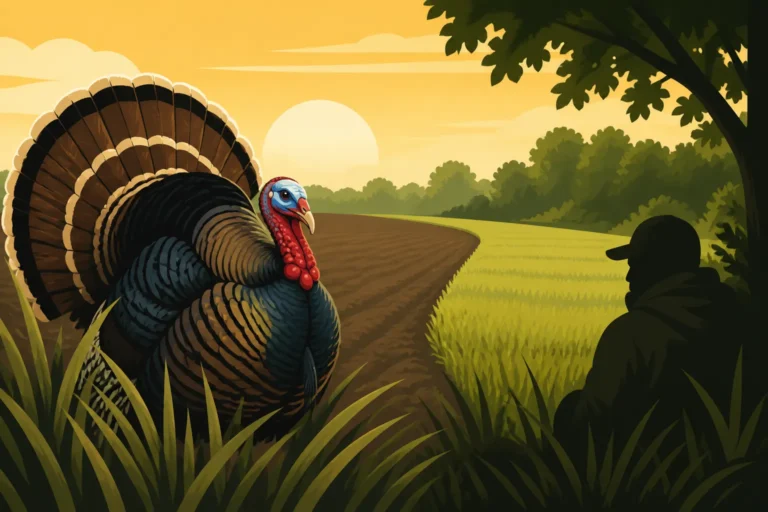
Minnesota's landscape includes a lot of agricultural land, and turkeys absolutely love field edges and open clearings. These are prime locations for gobblers to strut and display, showing off for hens. Setting up strategically on a field edge can be incredibly effective, especially after the birds have left the roost and are looking to feed or strut.
When setting up, position your blind or yourself against a solid backdrop with good visibility into the field. Think about the sun's position – you want the sun at your back, making it harder for the turkey to see you. Place your decoys 15-25 yards out into the field, facing the direction you expect the gobbler to approach. Once set, be patient. Gobblers might take their time approaching, often strutting back and forth before committing. Sometimes, a subtle call is all it takes to bring them in, but other times, letting the visual of the decoy do the work is best. Always be prepared for a long wait and be ready to adapt if the birds don't approach as expected. For more specific insights into these scenarios, check out Turkey Tactics for Farmland Field Edges.
Dealing with Hung-Up Gobblers
The "hung-up" gobbler is the bane of many turkey hunters' existence. This is the bird that gobbles his head off, sounds super interested, but just won't come into range. He often stays 60-100 yards out, strutting and drumming, expecting the "hen" (you) to come to him. This usually happens when he already has hens with him, or he's been pressured and is wary of approaching too close.
There are several strategies to try with a hung-up bird:
- Silence: Sometimes, going completely silent is the best move. If he thinks the hen is leaving, his curiosity or territorial instincts might kick in, forcing him to investigate.
- Aggression: Conversely, sometimes aggressive, loud cutting and yelping can challenge him enough to come in. This is a gamble, but sometimes it works.
- Fanning/Reaping: This highly effective but controversial tactic involves using a full-strut gobbler fan (or a fan decoy) to mimic an encroaching tom. The hunter moves slowly towards the hung-up bird, concealing themselves behind the fan. This can provoke an aggressive charge from the gobbler, bringing him quickly into range. Extreme caution is advised with this method, especially on public land, due to safety concerns. Always be absolutely certain of your target and surroundings.
- Circumventing: If terrain allows, you might try to circle around the bird, using natural cover to get ahead of him or to another position where you can cut off his path if he decides to move. This is often the most difficult but can be the most rewarding strategy.
- Patience: Often, the best strategy is simply to wait him out. If he's alone, he'll eventually get lonely and might just come in. If he's with hens, he might drop off later in the day.
Hunting Public and Private Lands for Turkeys
Minnesota offers a wealth of diverse hunting opportunities, from vast public forests to private agricultural lands. Each presents its own set of challenges and rewards when it comes to chasing spring gobblers. Understanding how to navigate these different landscapes is key to consistent success.
Accessing Minnesota's Wildlife Management Areas WMAs
Minnesota's Wildlife Management Areas (WMAs) are incredible resources for public land hunters. Managed by the DNR, these areas are specifically acquired and developed for wildlife production and public hunting. They offer fantastic opportunities for spring turkey hunting, often boasting healthy turkey populations, especially in the central and southeastern parts of the state. Many WMAs contain a mix of habitat types that turkeys thrive in, including mature hardwoods for roosting, brushy edges for nesting, and open fields for strutting and feeding.
Before heading out, it's crucial to scout online using the DNR's Recreation Compass or mapping apps to identify WMAs in your chosen permit area. Pay attention to parking areas, access points, and interior trails. While WMAs are public, some might have specific rules regarding vehicle access or temporary closures for habitat work. Always check the individual WMA regulations. Remember that WMAs can see significant hunting pressure, especially during peak periods. Be prepared to walk further than most hunters, or consider hunting mid-week when crowds are thinner. The success of How Minnesota WMAs Are Managed directly impacts the quality of hunting opportunities, so understanding their purpose can help you locate prime areas.
Securing Private Land Permission
Private land can offer some of the best turkey hunting in Minnesota, often harboring less pressured birds and prime habitat. However, gaining access requires respect, effort, and sometimes a bit of luck. The most common way to secure permission is simply by knocking on doors. Farmers and landowners are often receptive to polite, well-mannered hunters, especially if turkeys are causing any sort of nuisance or eating crops.
When approaching landowners, always be respectful of their property and time. Dress neatly, introduce yourself, and clearly state your intentions. Offer to share some of your harvest, help with a chore, or simply pick up trash you find. Be specific about when and where you want to hunt. Carrying a liability waiver (which many hunting organizations offer templates for) can also reassure landowners. If you get permission, treat the land as if it were your own. Close gates, don't damage crops or fences, and leave no trace. A great resource for general access strategies is Knocking on Doors in Minnesota Farm Country, even though it targets deer, the principles apply perfectly to turkey hunting. Building a good relationship can secure you access for years to come.
Navigating Crowds on Popular Public Spots
Let's face it: spring turkey hunting on public land can sometimes feel like Grand Central Station, especially during early periods or on weekends. Hunter pressure is a real challenge in Minnesota, but it doesn't mean you can't find success. The key is to hunt smarter than the crowds.
First, avoid the obvious access points. Most hunters will park at the first pull-off and only walk a few hundred yards. Be willing to go further. Use mapping apps to identify remote corners of public land that require a longer hike or more difficult access. Often, just a half-mile further than anyone else will go can put you on unpressured birds. Secondly, consider hunting mid-week if your schedule allows. Weekday pressure is significantly lower than on weekends. Thirdly, focus on areas with challenging terrain, such as steep ravines, dense swamps, or thick brush. Many hunters will avoid these spots, creating pockets of sanctuary for turkeys. Don't be afraid to try scouting with Reading Aerial Photos for Big Woods Deer to locate those overlooked areas which may also hold turkeys. Finally, listen to the pressure. If you hear multiple calls or shots from different directions, it might be time to pack up and try a different part of the WMA, or even a different WMA altogether. Patience and adaptability in the face of crowds will serve you well.
After the Shot: Tagging, Field Dressing, and Regulations
Successfully harvesting a turkey is a moment of triumph, but the hunt isn't over until the bird is properly processed and legally registered. Knowing what to do immediately after the shot is crucial for both legal compliance and ensuring quality meat.
Immediate Post-Harvest Procedures
Once your gobbler is on the ground, the very first thing to do is ensure it's deceased and dispatched humanely, if necessary. Approach cautiously from behind the head. Once you're certain, immediately attach your valid Minnesota turkey tag to the bird. This tag, which comes with your license, must be filled out accurately with the date of harvest and attached to the turkey's leg or beard. This is a legal requirement and signals to wildlife officials that the bird was legally taken. Do not move the bird or leave the kill site until this step is complete.
After tagging, take a moment to admire your bird and take some photos. This is the reward for all your hard work! Then, begin to plan for extraction. Consider the distance back to your vehicle and the terrain. If you're deep in the woods, you might need to carry the bird out. If you're close to a vehicle, a turkey tote or even just carrying it by the feet can work. Always be mindful of safety, especially if you're still on public land; carrying a visible bird could draw attention from other hunters.
Field Dressing and Meat Care in the Spring
Field dressing a turkey isn't as critical for meat quality as it is for deer, but it's still a good practice, especially on warmer spring days, to cool the carcass. The simplest method is to remove the entrails. Make a small incision near the vent, being careful not to puncture the intestines, and reach in to remove the internal organs. This reduces internal heat and can prevent spoilage. You can also pluck the breast and legs in the field if you prefer to just take the meat.
Alternatively, many hunters choose to simply transport the whole bird back to their vehicle and process it there or at home. If you're going this route and it's a warm day, try to get the bird into a cooler with ice as quickly as possible. Turkeys can spoil quickly in warm temperatures, and you've worked too hard to let that happen. The breast meat is often the most prized, but the legs and thighs, while tougher, can be excellent when slow-cooked or braised. Knowing how to efficiently field dress can also minimize weight if you have a long pack out. For more ideas on how to prepare your harvest, consider the article on Cooking a Wild Turkey Breast.
Minnesota's CWD Rules and Carcass Movement
Minnesota has ongoing concerns regarding Chronic Wasting Disease (CWD) in its deer herd, and while turkeys are not susceptible to CWD, there are still regulations regarding carcass movement that affect all hunters to prevent potential cross-contamination or spread. Currently, hunters are not restricted from transporting an intact turkey carcass within Minnesota. However, it's always wise to check the most current DNR regulations regarding CWD and carcass movement, as these rules can change based on disease prevalence and surveillance efforts.
While not directly applicable to turkeys, being aware of Minnesota Carcass Movement Restrictions for deer can inform a general best practice for all game. The spirit of the rules is to avoid moving high-risk parts of any animal (like brain or spinal tissue) across boundaries, especially into or out of CWD management zones. For turkeys, this means that once you've cleaned and processed your bird, dispose of any remains responsibly. This is just good ethical hunting practice and contributes to overall wildlife health management.
Common Challenges and Troubleshooting Your Hunt
Even the most experienced turkey hunters face challenges. Turkeys are wild animals, and they don't always follow the script. Being able to adapt and troubleshoot on the fly is a hallmark of a successful hunter.
Weather Woes: Rain, Wind, and Cold
Minnesota spring weather is famously fickle. One day it's 60 degrees and sunny, the next it's sleeting with a biting north wind. This unpredictable weather significantly impacts turkey behavior and your hunting strategy.
- Rain: Turkeys generally dislike heavy rain. They'll often gobble less, seek heavy cover, and might stay on the roost longer. Hunting in light drizzle can still be effective, but in a downpour, you might be better off seeking shelter and waiting for it to pass. If you do hunt in the rain, focus on areas with good overhead cover, like dense pine stands.
- Wind: Wind is a turkey hunter's nemesis. It makes it harder to hear gobbles, and it makes turkeys more wary, as their primary defense (hearing) is compromised. In windy conditions, focus on sheltered areas like creek bottoms, lee sides of ridges, or dense timber where the wind is less impactful. You'll need to move closer to birds and call louder, or be silent and rely on visuals.
- Cold: Early season cold snaps can slow down turkey activity, but generally, turkeys are quite resilient to cold. The main challenge for hunters is staying warm and comfortable during long sits. Layering and quality insulated gear are essential.
Always check the forecast before heading out and pack accordingly. Being prepared for anything will allow you to stay in the field longer and capitalize on brief windows of opportunity when the weather breaks.
Dealing with Pressure and Educated Birds
Minnesota's turkeys can be smart, especially those that have survived a few seasons or have been heavily pressured on public land. These "educated" birds are much harder to call in. They might gobble from the roost but fly down silently, or hang up well out of range, never committing. This is where your skills as a stealthy woodsman truly come into play.
When facing pressured birds:
- Less is more with calling: Often, soft, subtle clucks and purrs are more effective than aggressive yelping. Over-calling can make them suspicious.
- Patience: These birds will test your patience. Be prepared for longer waits and don't expect them to charge right in.
- Stealth and unconventional setups: Instead of obvious field edges, try deeper timber setups or unexpected travel routes. Sometimes a silent approach, letting a decoy do the work, is best.
- Locator calls: Use a crow or owl call to get a shock gobble without sounding like a turkey, then move quickly and quietly to close the distance.
- Read the situation: If a bird continually hangs up, try a different tactic or even leave him for a few hours and come back later. Sometimes, a change of scenery or a break in the pressure can make a difference.
The Elusive "Silent Gobbler"
Not every gobbler is a loudmouth. Some days, or in some areas, turkeys simply won't gobble much, if at all. This "silent gobbler" phenomenon can be incredibly frustrating. It could be due to weather, pressure, or just their mood that day. But just because you don't hear them doesn't mean they aren't there.
Hunting silent gobblers requires a shift in strategy:
- Increased scouting: Rely more on visual scouting – looking for tracks, droppings, and strut marks. You become more of a deer hunter, looking for sign.
- Blind setups: If you know where birds generally feed or strut, set up a ground blind and wait patiently.
- Locator calls: Use crow, owl, or coyote calls more frequently to try and provoke a shock gobble. Sometimes they'll respond to these even if they won't gobble at a hen call.
- Walk and observe: Instead of calling, focus on quietly moving through likely areas, stopping frequently to look and listen intently for subtle turkey sounds like clucks or wing beats.
- Listen for hens: Silent gobblers are often with hens. Listen for hen vocalizations or even the rustle of leaves as they forage. If you find hens, the gobbler is likely nearby.
Dealing with silent gobblers reinforces the need for versatility in your approach. It's not always about calling them in; sometimes it's about intercepting them or ambushing them based on their observed patterns. When all else fails, a good mapping tool like GoHunt can help you identify high-probability areas to sit and wait, hoping to cross paths with one of these quiet giants.
Disclaimer
Hunting is an inherently risky activity. The information provided in this guide is for informational purposes only and is not a substitute for professional instruction, adherence to all local, state, and federal hunting laws, or practicing safe firearm and archery handling. Always prioritize safety, respect wildlife, and obtain all necessary licenses and permits before heading into the field. Regulations can change, so consult the Minnesota Department of Natural Resources (DNR) website for the most current rules and seasons.