Rice Lake and Agassiz Refuge Hunting
You're looking for public land that offers a fantastic hunting experience, but navigating the maze of federal regulations, specific refuge boundaries, and unique challenges can feel like deciphering ancient hieroglyphs. It’s a common frustration, especially when you're targeting prime waterfowl or small game habitat. This guide is here to demystify hunting at two of Minnesota's outstanding federal gems: Rice Lake and Agassiz National Wildlife Refuges, providing you with the insights you need to plan a successful and compliant hunt.
Understanding National Wildlife Refuges for Hunting
Hunting on a National Wildlife Refuge (NWR) is a bit different from your typical state Wildlife Management Area (WMA) or State Forest land. It’s not just about finding game; it’s about understanding a specific layer of regulations designed to balance conservation with public access. This added complexity can be daunting, but the rewards—often abundant wildlife and unique landscapes—make the effort truly worthwhile.
The Purpose of National Wildlife Refuges
National Wildlife Refuges are managed by the U.S. Fish and Wildlife Service with a primary mission of conserving native wildlife and their habitats. This means the land's management often prioritizes the needs of various species, from migratory birds to rare plants, over general recreational use. However, hunting, fishing, wildlife observation, photography, environmental education, and interpretation are considered "priority public uses" on most refuges, as long as they are compatible with the refuge's conservation goals. This dual mission means that while hunting is allowed and encouraged, it's done within a framework that ensures the long-term health of the ecosystem.
Unlike state lands, which might have broader mandates, refuges often focus on specific ecosystems or species, like critical waterfowl breeding or staging grounds. This specialization can lead to incredibly rich hunting experiences, but it also means that rules are often tailored to these specific conservation objectives. For instance, a refuge might have specific closures during nesting season or restrict certain hunting methods to minimize disturbance to sensitive areas. It's a privilege to hunt these lands, and respecting their purpose is paramount to maintaining that access.
Navigating Federal Regulations and Permits
This is where many hunters get tripped up. While state hunting licenses and stamps are always required, NWRs often have additional, site-specific regulations, permits, and even designated hunting days or areas that differ from statewide Minnesota rules. Imagine planning your whole hunt only to arrive and find out the area you intended to target is closed, or you need a special daily permit you didn't know about. It’s happened to the best of us!
The absolute golden rule for hunting any NWR is to always check the refuge's official website or pick up their current hunting brochure before you go. These documents will detail season dates (which might be shorter than state seasons), legal methods, bag limits, shooting hours, specific hunt units, and any mandatory check-in/check-out procedures or daily permits. For instance, some refuges might require hunters to sign in and out daily at designated kiosks, or prohibit certain types of ammunition not restricted by the state. Tools like onX Hunt can be incredibly helpful here, as their layers often delineate refuge boundaries and, sometimes, even specific huntable units within the refuge, helping you visualize these complex rules on the ground. This visual aid can save you a lot of grief and ensure you stay on the right side of the rules, preventing accidental trespass or violations.
These specific regulations are not designed to make hunting difficult, but to manage pressure, ensure safety, and protect the very resources that make the hunting so good. Failing to follow them can result in citations and jeopardize future hunting access. So, before you load up the truck, make that quick stop at the refuge's virtual (or physical) office to get the most current information.
Rice Lake National Wildlife Refuge: A Waterfowler's Haven
Tucked away in Aitkin County, Rice Lake National Wildlife Refuge is a gem for those who live and breathe waterfowl hunting. Its name alone gives you a strong hint about its prime feature, and it doesn't disappoint when the ducks and geese start to move through Minnesota's migration corridors. For many, it's a bucket-list destination, but it requires a solid understanding of its unique environment and rules.
Key Features and Habitat for Waterfowl
Rice Lake NWR is primarily defined by its expansive shallow lake, which is often blanketed in wild rice. This isn't just any lake; it's an ecosystem specifically managed to produce abundant wild rice, which acts as a superfood for migrating waterfowl. Imagine hundreds of acres of lush, tall rice stalks providing both food and incredible cover – it's a duck's paradise, and by extension, a duck hunter's dream. Beyond the main lake, the refuge encompasses surrounding marshlands, cattail sloughs, and some scattered timber, creating a diverse habitat that attracts a wide array of species.
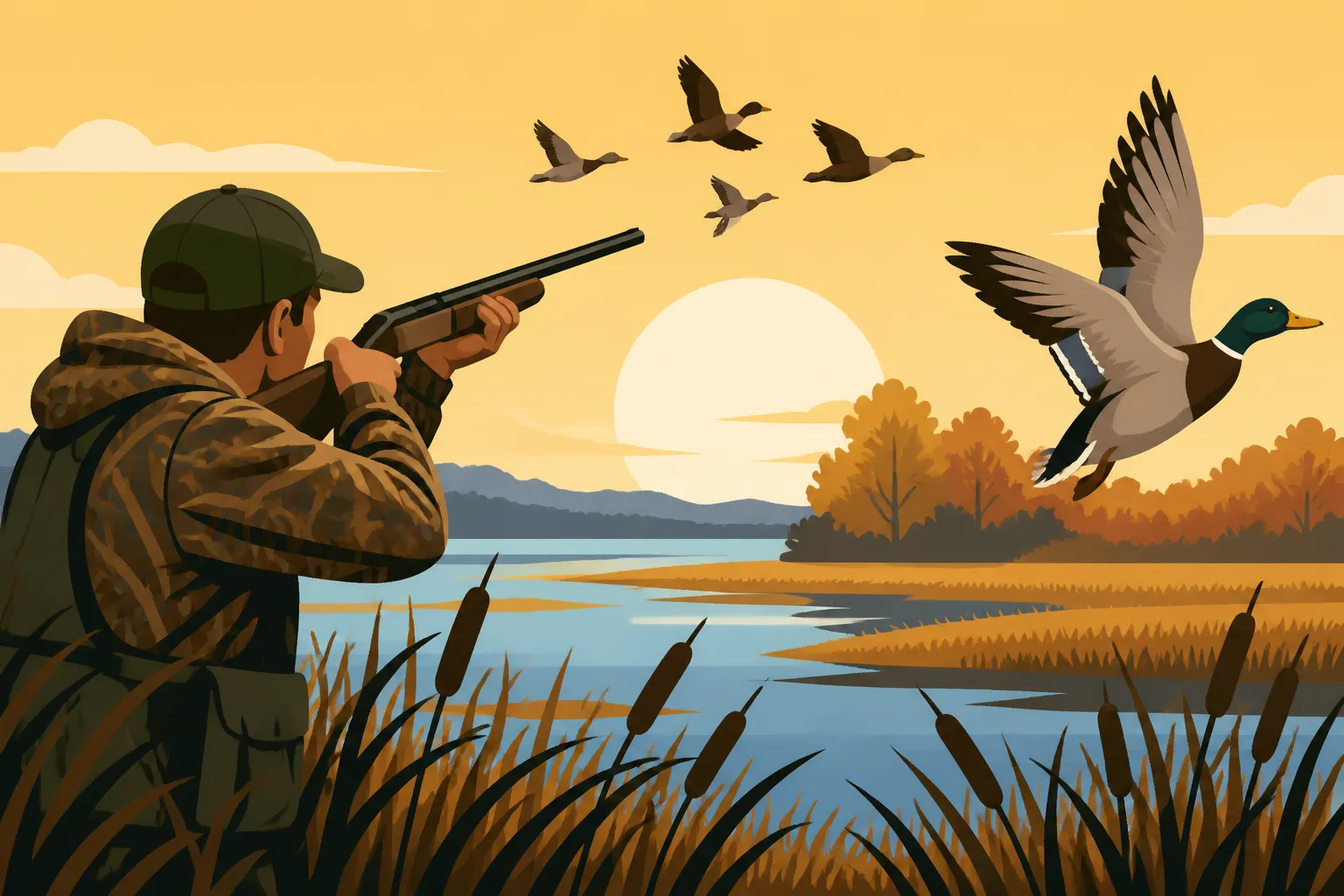
You can expect to find good numbers of mallards, blue-winged and green-winged teal, wood ducks, and ring-necked ducks frequenting the wild rice beds. Depending on the migration, you might also see gadwalls, wigeon, and even some diver species using the slightly deeper pockets of water. The sheer volume of natural forage, combined with the safety of a managed refuge, means birds will often hold here for extended periods, making it a reliable stop on the Mississippi Flyway. This kind of prime habitat is exactly what draws hunters looking for quality Minnesota Waterfowl Hunting on Lakes and Potholes.
Hunting Opportunities and Access at Rice Lake
Hunting at Rice Lake NWR typically revolves around its waterfowl season, which often aligns with state seasons but with specific refuge-based nuances. Access is predominantly by small boat, canoe, or kayak, especially when you're trying to get into the heart of the wild rice. Waders are also essential for setting up decoys or navigating shallower fringes. The challenge is often the dense vegetation itself – pushing a canoe through thick wild rice can be a workout, and identifying clear lanes or open pockets where birds want to pitch in requires careful scouting.
While the refuge offers fantastic hunting, it's not without its competitive element. Popular areas, especially on opening days or during peak migration, can see significant pressure. Some hunters opt for an "early bird gets the worm" approach, getting out well before shooting hours to claim a prime spot in the rice. The regulations usually specify where you can hunt and what methods are allowed, sometimes dictating portable blinds only or specific setbacks from refuge boundaries. Always double-check their current public use regulations to ensure you're compliant.
Small Game and Upland Hunting at Rice Lake
While Rice Lake NWR is primarily celebrated for its waterfowl, some limited opportunities for small game and upland hunting can exist in its drier, forested edges and transition zones, often after the main waterfowl season has passed. These fringe areas, away from the vast wetlands, might hold ruffed grouse, cottontail rabbits, or squirrels. It’s certainly not the primary draw, but for those who want to extend their hunt or explore different species, these pockets can offer a pleasant surprise.
These upland areas might be found along old logging roads, power lines, or where the marsh gives way to stands of aspen and oak. Hunting these areas will require different tactics than waterfowling – think quiet still-hunting or working with a flushing dog. Always confirm with the refuge’s current hunting brochure if these opportunities are available and in which specific areas, as non-waterfowl hunting might be restricted to very particular zones to minimize disturbance to sensitive wetland habitats or resting waterfowl.
Agassiz National Wildlife Refuge: Northern Minnesota's Wetland Gem
Way up in northwestern Minnesota, near the Canadian border, lies Agassiz National Wildlife Refuge. This massive refuge offers a completely different, yet equally compelling, hunting experience compared to Rice Lake. Agassiz is a testament to the wild, expansive nature of northern Minnesota's boreal forests and extensive wetlands, drawing hunters seeking both waterfowl and classic northern small game.
Diverse Landscapes and Wildlife at Agassiz
Agassiz NWR is characterized by its vast complex of shallow lakes, extensive boggy wetlands, and forested uplands dotted with islands of timber. It’s a truly wild landscape, feeling remote and untouched in many areas. The refuge is a critical breeding and staging area for hundreds of bird species, including incredible numbers of waterfowl and shorebirds. Its unique blend of habitat types—from open water and cattail marshes to spruce bogs and aspen forests—supports an astonishing diversity of wildlife.
This diversity means you're not just looking at ducks; Agassiz is also home to moose, black bears, wolves, and a healthy population of white-tailed deer. For hunters, this translates into opportunities for dabbling ducks like mallards, pintails, wigeon, and teal, as well as several species of geese. The upland edges and wooded islands provide excellent habitat for ruffed grouse and snowshoe hares. It's a place where the landscape itself feels like an adventure, and seeing tracks of larger game while on a waterfowl hunt is not uncommon.
Waterfowl Hunting at Agassiz NWR
Waterfowl hunting at Agassiz NWR is often a rugged affair, reflective of its northern, wild character. Hunters primarily target ducks and geese, with strong numbers of dabblers attracted to the shallow marshes and managed impoundments. Access can be a blend of walking into remote potholes, using small boats or canoes on larger waterways, or even utilizing ATVs on designated trails to reach more distant hunting spots. The sheer size of Agassiz means that pressure can be more spread out than at smaller, more accessible refuges, but it also means scouting is absolutely paramount.
You’ll need to be prepared for potentially boggy ground, especially early in the season, and the weather can be fickle, turning cold quickly as the season progresses. Decoy spreads and careful blind placement are key, as these birds are often seasoned travelers. Like all NWRs, Agassiz will have specific hunt unit boundaries and regulations, so confirming permissible hunting areas for waterfowl and specific access routes is crucial. Many hunters find success targeting feeding areas or staging grounds, often identified by extensive pre-season scouting or using detailed mapping resources to identify potential hotspots.
Upland and Small Game Potential at Agassiz
Beyond its waterfowl renown, Agassiz NWR offers fantastic opportunities for upland birds and small game, particularly ruffed grouse and snowshoe hares. The refuge’s forested uplands, interspersed with the wetlands, provide ideal cover for these species. Imagine walking through stands of young aspen or dense spruce, anticipating the explosive flush of a grouse or spotting a hare hunkered down in a thicket. This is prime habitat for those seeking a classic northern Minnesota small game hunt.
For ruffed grouse, focus on the younger aspen cuts, alder runs, and areas with dense undergrowth. A good bird dog can be a tremendous asset here, but diligent foot hunters can also find success by working likely cover thoroughly. Snowshoe hares are abundant in the thick conifer swamps and dense brush, especially where there's good cover to hide from predators. Their ability to seemingly disappear into thin air makes them a fun challenge, and Rabbit and Hare Hunting in Minnesota can be a great way to extend your time afield after the deer or duck seasons. Always confirm which areas are open to upland hunting, as some zones might be strictly for waterfowl or closed to all hunting for refuge management purposes.
Key Considerations for Refuge Hunting
Hunting on a National Wildlife Refuge requires a bit more homework and preparation than simply heading out to a general public land area. These federal lands operate under their own set of rules, which are designed to protect the unique ecosystems they encompass. Understanding these nuances is critical for a safe, ethical, and successful hunt.
The Importance of Scouting and Map Tools
I cannot stress this enough: scouting is absolutely non-negotiable for refuge hunting. The boundaries of huntable areas, specific access points, and even closed zones can be complex and are not always intuitive. Imagine spending precious hunting time trying to figure out if you're even allowed to be in a certain marsh, or worse, finding out after the fact you were in a restricted area. This is where modern technology really shines. Digital mapping applications like onX Hunt are truly game-changers. They allow you to download maps for offline use (crucial in remote areas with no cell service, common in these northern refuges), visualize refuge boundaries, identify permissible hunting units, and even pinpoint private land parcels adjacent to the refuge to avoid accidental trespass.
Beyond just boundaries, scouting involves understanding the terrain, identifying pinch points for waterfowl, finding those hidden wild rice beds, or locating dense grouse cover. A good pre-season walk or paddle can save you immense frustration on opening day. Remember that regulations can, and sometimes do, change yearly. Always consult the refuge's specific hunting brochure or website, usually found under their "Visit" or "Hunting" sections. Don't rely on last year's knowledge! While GoHunt is a fantastic resource primarily for Western big game, its mapping and planning tools can also provide a solid foundation for understanding any public land area, even if its specific refuge data might be less granular than onX Hunt for a Minnesota waterfowl refuge. Learning Scouting Minnesota Public Land Before Season is invaluable, and understanding onX Layers for Minnesota Land Status can unlock a whole new level of preparation for these diverse areas.
Respecting Regulations and Wildlife
Hunting on federal refuges means adhering to a higher standard of conduct and a more stringent set of rules. Enforcement officers on NWRs are typically federal agents, and penalties for violations can be substantial. This isn't meant to scare you, but rather to emphasize the importance of compliance. These regulations often go beyond state laws, sometimes including different Minnesota Legal Shooting Hours, specific bag limits per species, or restrictions on lead ammunition in certain wetland areas to protect non-game species.
It's also about a broader respect for the wildlife and the habitat. Refuges are wildlife sanctuaries first, and hunting opportunities exist because they are compatible with that mission. This means minimizing disturbance, leaving no trace, and practicing ethical shot placement to ensure clean kills. Don't leave spent shells, trash, or anything behind. Be mindful of non-hunting visitors, as refuges are also popular for birdwatching and photography. Your behavior directly impacts the future of hunting on these public lands. By being a responsible and informed hunter, you contribute positively to the refuge's conservation efforts and ensure these incredible places remain open for generations to come.
Challenges and Rewards of Hunting Federal Refuges
Venturing onto federal refuges like Rice Lake and Agassiz isn't always easy. There are distinct challenges that can test a hunter's patience and preparedness. However, for those willing to put in the effort, the rewards can be truly exceptional, offering experiences not often found on more conventional public lands.
Managing Pressure and Competition
Let's be realistic: prime public hunting land, especially for waterfowl, is often going to draw a crowd. On opening weekends, or during peak migration, popular refuges can feel a bit like a race for the best spots. This can be frustrating when you've put in the work scouting, only to find someone else beat you to your desired location. It’s a common reality, and being prepared for it is part of the game.
Strategies for dealing with pressure often involve getting there even earlier, being willing to walk or paddle further than others, or targeting less obvious access points. Sometimes, simply hunting on a weekday can dramatically reduce competition. Opening Weekend Crowds in the 100 Series are a familiar concept to many Minnesota hunters, and refuge openers are no different. It's about finding that balance between prime habitat and solitude. Having a backup plan or two is always a good idea, as is being flexible with your expectations. Remember, every hunter out there shares a passion for the outdoors, and a little courtesy goes a long way in fostering a positive hunting environment.
Unique Opportunities and Conservation Impact
Despite the challenges, hunting Rice Lake and Agassiz Refuges offers unique opportunities that are hard to replicate elsewhere. These are places managed specifically for wildlife, meaning you're often hunting in incredibly rich, biodiverse ecosystems with healthy populations of game. The chance to pursue ducks and geese over vast wild rice beds at Rice Lake, or to explore the wild, boggy expanses of Agassiz for grouse and hares, provides a deep connection to Minnesota's natural heritage. These experiences can be truly immersive and unforgettable.
Furthermore, by purchasing your licenses and stamps, and by adhering to the regulations, you're directly contributing to the conservation of these vital lands. Hunter dollars are a primary source of funding for the management and preservation of wildlife habitats across the country, including these national refuges. Knowing that your participation in this time-honored tradition helps sustain these incredible places for future generations adds another layer of satisfaction to every hunt. It's a testament to how hunting and conservation are inextricably linked, providing not just personal enjoyment but a meaningful impact on the landscape and its inhabitants. These refuges are living examples of successful conservation efforts, offering a glimpse into what a healthy Minnesota Waterfowl Migration Timing and vibrant Minnesota Small Game License Requirements can support.
Disclaimer
This article is for general informational purposes only and does not constitute professional advice. Laws, prices and regulations vary by location and change over time. Consult a qualified professional for guidance on your specific situation.