Public Ground Near Brainerd
Finding quality public hunting land near a popular destination like Brainerd can feel like trying to solve a puzzle, especially if you're not a local who knows every backroad and timber cut. It’s easy to get discouraged when map after map seems to show private parcels or lands with limited access. This guide is here to walk you through the prime public hunting opportunities in the Brainerd lakes area, helping you uncover those hidden gems and navigate the challenges of hunting these often-pressured grounds.
The Public Land Puzzle Around Brainerd
The Brainerd area is a fantastic hub for outdoor recreation, but that popularity can sometimes make finding quiet hunting spots a real challenge. You're not alone if you've scrolled through satellite maps, feeling like every promising patch of green is hemmed in by cabins, resorts, or "No Trespassing" signs. The key is to understand the different types of public land available and how they're managed. This isn't one vast, contiguous wilderness; it's a patchwork, and knowing where to look and what to expect from each piece is crucial.
Minnesota's public lands include State Forests, Wildlife Management Areas (WMAs), county lands, and even some federal forest lands further afield. Each has its own character, rules, and typical game. Near Brainerd, you'll find a healthy mix, particularly of State Forests and WMAs, offering diverse habitats from dense aspen and oak forests to marshy lowlands and brushy clear-cuts. It's about taking a step back from the immediate shoreline and looking inland, or diving into areas that might seem less appealing at first glance, but often hold the best hunting.
Types of Public Land and What They Offer
When we talk about public hunting ground around Brainerd, we're primarily looking at State Forests and Wildlife Management Areas. These are your bread and butter, each with distinct management goals that shape the habitat and, consequently, the hunting experience. State Forests, like Crow Wing or Pillsbury, are often larger tracts of timber, managed for both forestry and recreation, including hunting. This means you'll find logging roads, varied timber ages, and sometimes more room to roam. WMAs, on the other hand, are specifically acquired and managed for wildlife habitat. They tend to be smaller, more scattered parcels, often focusing on wetlands, grasslands, or specific forest types critical for particular species.
Beyond these, there are often smaller county-owned lands, sometimes managed for timber or general recreation, that can offer additional hunting access. These are often less publicized and can be diamonds in the rough for those willing to do some extra research. The crucial difference is in the primary purpose: State Forests often have multiple uses, while WMAs are singularly focused on providing and improving wildlife habitat, which can translate to excellent hunting. Understanding these differences helps you tailor your expectations and tactics to the land you choose to hunt.
The Impact of Population and Proximity
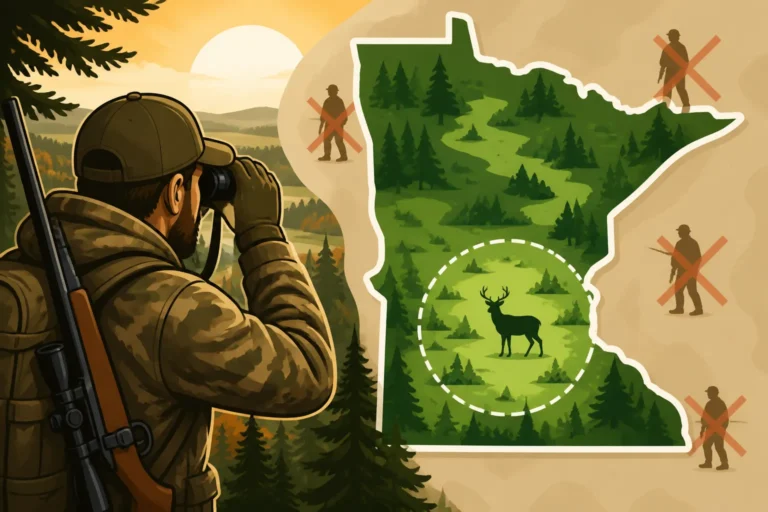
Let's be real, Brainerd is a popular place. It’s a vacation destination, a retirement haven, and a growing community. This means public lands close to town, or those with easy road access, often see significant hunting pressure, especially during opening weekends for deer or popular times for grouse. It’s a frustration many hunters face: you scout a promising spot, only to find three trucks parked at the access point on opening morning. But don't let that deter you; it just means you need a smarter approach.
The further you're willing to walk, paddle, or push through thick cover, the less pressure you'll generally encounter. This doesn't mean you need to trek miles into the backcountry for every hunt, but it does mean thinking beyond the most obvious access points. Consider spots requiring a bit more effort—a longer walk from the road, a dense cattail edge, or a small block of timber surrounded by private land but with a public access strip. These less convenient spots are often overlooked, and that's where unpressured game can be found. It’s about leveraging effort against typical hunter behavior, because most folks don't want to work that hard. If you're looking for strategies to avoid crowded spots, check out Opening Weekend Crowds in the 100 Series.
Key State Forests and WMAs: Your Hunting Hotspots
Now that we understand the lay of the land, let's talk about some specific places near Brainerd that offer solid public hunting opportunities. This isn't an exhaustive list, but it highlights some of the most consistent options where you can apply smart strategies to find success. Remember, every year is different, and local conditions (like recent timber cuts or exceptional acorn crops) will always influence game movement.
Crow Wing State Forest
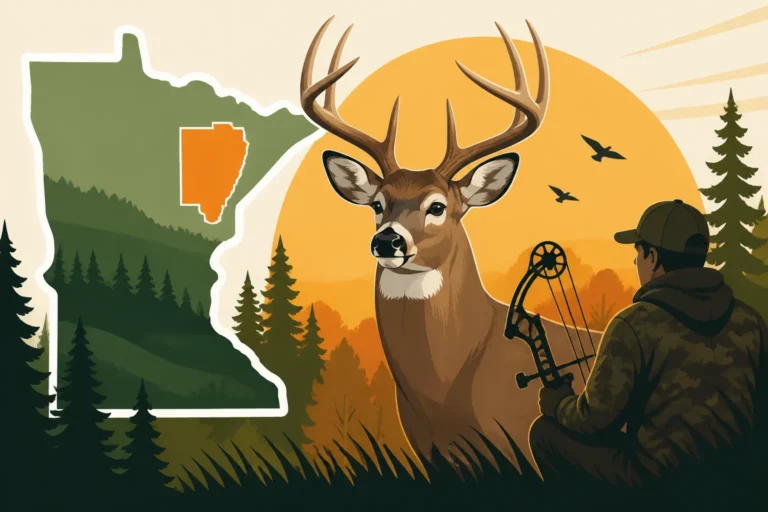
Just west of Brainerd, you'll find the expansive Crow Wing State Forest. This place is a gem, offering a mix of rolling terrain, diverse timber stands including mature hardwoods, pine plantations, and younger aspen cuts. This variety makes it great for a range of species. For deer hunters, those aspen cuts, especially around their edges, can be fantastic for whitetails seeking browse and cover. The forest also has numerous small ponds and wetland pockets, adding to the habitat diversity. You can spend days exploring the network of forest roads and trails, but don't be afraid to leave the beaten path. Many big woods hunters will tell you that the further you get from a maintained trail, the better your chances of encountering less disturbed game.
When I hunt Crow Wing, I always look for areas with varied age classes of timber. The young aspen regenerates quickly after logging, providing ideal cover and food for deer and grouse. Speaking of grouse, Crow Wing State Forest can be a fantastic spot for them, especially in those younger popple stands. Keep an eye out for old logging roads that have grown over with grasses and shrubs—they often act as grouse highways. For more tips, check out Grouse Hunting Minnesota Aspen Cover. The size of Crow Wing State Forest means you can spread out, but like any public land, prime spots will see attention.
Pillsbury State Forest
Situated northeast of Brainerd, Pillsbury State Forest offers similar diverse habitat but with its own distinct character. It's another large tract of public timber, known for its mix of hardwoods and conifers, interspersed with lakes and wetlands. Deer hunting here can be excellent, particularly around the edges of thick conifer swamps or where mature oaks drop their acorns. Identifying these food sources and connecting cover is key. I’ve seen some really nice bucks come out of Pillsbury, especially during the rut when they’re on the move. Hunting the Rut in Late October provides some great insights into deer movement during this time.
Pillsbury also provides opportunities for small game and grouse. The denser timber and swamp edges can hold snowshoe hares, and the mixed forest provides excellent cover for squirrels, especially if you can find some productive oak ridges. When scouting Pillsbury, pay close attention to topography. Even subtle ridges or drainages can funnel deer movement, especially in thick woods where visibility is limited. Using a mapping app like onX Hunt can be incredibly helpful for identifying these terrain features and planning your approach. You can even use features like onX Layers for Minnesota Land Status to confirm boundaries and avoid accidental trespass.
Local Wildlife Management Areas
Beyond the large State Forests, the Brainerd area is dotted with numerous Wildlife Management Areas (WMAs). These are typically smaller, but often incredibly productive, parcels of land specifically managed for wildlife. They can range from expansive cattail marshes perfect for waterfowl and late-season deer, to brushy grassland habitats ideal for pheasants (though you'll need to head further south for consistent pheasant numbers) and rabbits. For deer hunters, WMAs are excellent places to scout, as their management often creates prime food and cover plots.
Many WMAs near Brainerd will be more wetland-focused, offering habitat for ducks, geese, and sometimes early-season teal. If you're a bird hunter, these can be goldmines. However, they also often hold deer, especially mature bucks seeking refuge in thick, swampy cover that most hunters avoid. Look for WMAs that connect larger blocks of timber or those that are adjacent to agricultural fields, as deer will often use these as bedding areas before heading out to feed. While they might be smaller, WMAs can pack a big punch in terms of wildlife density. For more on waterfowl opportunities, consider reading Minnesota Waterfowl Hunting on Lakes and Potholes.
Here’s a quick overview of some public land types near Brainerd:
| Public Land Type | Primary Habitat | Key Game Species | Typical Size | Hunting Pressure |
|---|---|---|---|---|
| State Forests | Mixed hardwoods, conifers, aspen, wetlands | Deer, grouse, bear, small game | Large (1000s acres) | Moderate to High near access |
| Wildlife Management Areas | Wetlands, grasslands, brush, smaller timber | Waterfowl, deer, small game, turkey | Varied (100s-1000s acres) | Can be High for specific species |
| County Forests | Mixed timber, often actively logged | Deer, grouse, small game | Varied (100s acres) | Lower, less known |
Strategies for Success on Pressured Public Land Near Brainerd
Hunting public land near Brainerd means accepting that other hunters will be out there. The trick isn't to avoid them entirely (which is often impossible), but to outsmart them by thinking differently and working a bit harder. This is where solid scouting, smart use of technology, and a willingness to explore less obvious spots really pays off.
Scouting Smart and Hard
Pre-season scouting is not just an advantage; it’s a necessity on public ground. You need to know the lay of the land, where the deer are bedding, what their travel corridors look like, and what food sources they’re currently hitting. For the Brainerd area, this means walking the woods, looking for rubs, scrapes, and trails, paying close attention to thick cover like dense conifer swamps or brushy clear-cuts where deer feel secure. Identify funnels—natural pinch points like saddles between ridges, narrow strips of timber between open fields, or edges of swamps that force deer into predictable paths. These are prime stand locations.
Consider scouting after a fresh snow. Tracks will tell you exactly where the deer are moving and where they’re spending their time. Even in late winter or early spring, you can gain valuable intelligence. Look for old sign, and imagine how deer might move through the area once the leaves are on the trees. Using tools like the Minnesota Recreation Compass app or a more robust mapping service like onX Hunt during your scouting trips can help you mark these spots and understand the terrain. Sometimes, simply Finding Ground Others Walk Past can make all the difference.
Leveraging Mapping Technology (onX Hunt, GoHunt)
In today's hunting world, mapping apps are indispensable, especially on public land. Forget paper maps and compasses (though it's always good to have a backup!). Apps like onX Hunt and GoHunt allow you to see property boundaries, topo lines, satellite imagery, and various habitat layers right on your phone. This is crucial for confirming you're on public land, identifying access points, and understanding the terrain without having to physically walk every inch.
With onX Hunt, you can drop pins on fresh sign, potential stand sites, and even mark your entry and exit routes. The ability to switch between satellite view and topographical maps helps you visualize how deer might move between feeding and bedding areas. You can also download offline maps, which is absolutely vital because cell service can be spotty in the deeper woods or certain WMAs. GoHunt offers similar robust features, often favored for its detailed western mapping, but increasingly useful for eastern and Midwest hunters looking for detailed insights. Using these tools to plan your hunt, scout from home, and navigate in the field will give you a significant edge. Don't underestimate the power of knowing exactly where you are and what the land around you looks like. If you're concerned about cell service, make sure you know Using Recreation Compass Without Cell Service.
Hunting Beyond Deer: Small Game and Upland Birds
While deer hunting often takes center stage, the public lands around Brainerd offer fantastic opportunities for other species that see far less pressure. This can be a great way to extend your season, introduce new hunters to the sport, or simply enjoy a different kind of challenge.
The numerous State Forests and WMAs are home to healthy populations of ruffed grouse and woodcock. As mentioned earlier, those young aspen cuts in Crow Wing and Pillsbury State Forests are prime grouse habitat. Walking these areas with a shotgun and perhaps a good bird dog (or just a keen eye) can provide fast-paced and rewarding action. Squirrel hunting in the mature oak stands, particularly after the leaves have fallen, is another excellent option. It's a fantastic way to sharpen your stalking skills and get some delicious meat for the pot.
Rabbit and hare hunting in brushy areas or thick swamps is also popular, especially after the first snows when their tracks become obvious. For these species, you often don't need to venture far from main roads, as they thrive in dense, often overlooked cover. Pursuing small game allows you to explore public lands with less competition and can often reveal deer sign you might have otherwise missed. Don't forget your Minnesota Small Game License Requirements before heading out.
Final Thoughts on Hunting Brainerd's Public Lands
Hunting public land near Brainerd is absolutely possible and can be incredibly rewarding. It demands a bit more effort, smarter planning, and a willingness to adapt, but the opportunities are there for those who seek them. Remember to be respectful of other users, whether they're hikers, birdwatchers, or fellow hunters. Our shared public lands are a precious resource, and responsible behavior ensures they remain accessible for everyone.
Don't be afraid to experiment with different areas and tactics. What works one year might not work the next, and what works for one hunter might not work for another. The beauty of public land hunting, especially in a diverse area like Brainerd, is the constant learning and challenge. So pack your boots, fire up your mapping app, and go explore. You might just find your new favorite hunting spot.
Disclaimer
This article is for general informational purposes only and does not constitute professional advice. Laws, prices and regulations vary by location and change over time. Consult a qualified professional for guidance on your specific situation.