Itasca County Public Land for Deer
Hunting Itasca County's vast public lands for deer can feel like a daunting task, a challenge that quickly separates the casual hunter from the truly dedicated. With its endless forests, labyrinthine swamps, and countless lakes, this isn't your average whitetail country; it's a wild, unforgiving landscape that can swallow hunters whole. This guide is here to unravel the complexities, offering detailed strategies and insights to help you navigate, access, and ultimately succeed in pursuing deer across Itasca's immense public domain.
Understanding the Landscape of Itasca County Public Land
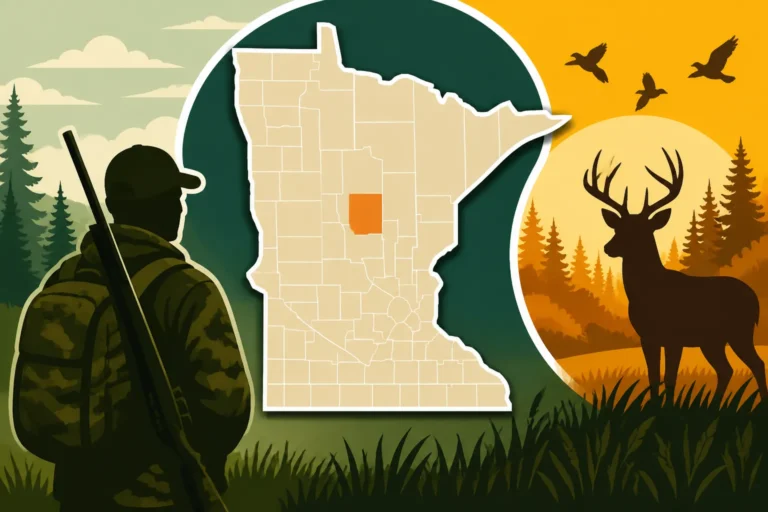
Itasca County, nestled in the heart of northern Minnesota, is a hunter's paradise for those who crave solitude and wild spaces. It's a land defined by its expansive forests, which are part of Minnesota's legendary "Big Woods" region. Unlike the highly agricultural southern counties, Itasca presents a unique set of challenges and rewards for deer hunters. You're trading higher deer densities for the chance at an older, more elusive buck that has learned to thrive in this rugged environment.
The Sheer Scale and Diverse Terrain
When we talk about hunting public land in Itasca County, we're discussing an area so massive it's hard to grasp. It's an intricate mosaic of dense timber, sprawling wetlands, and thousands of lakes, including the headwaters of the mighty Mississippi. This isn't small woodlots or fence rows; this is truly wild country where a deer can disappear into a cedar swamp or a dense pine plantation and seemingly vanish from the face of the earth. The terrain varies from rolling uplands blanketed in aspen and birch to low-lying bog areas choked with black spruce and tamarack, interspersed with stands of mature red and white pine.
This diverse habitat means deer patterns are different. They aren't just hitting a cornfield nightly; they're browsing on natural vegetation, seeking thermal cover in thick conifers during cold snaps, and using the vastness of the woods to evade pressure. While deer densities might be lower compared to the agricultural zones further south, the sheer amount of cover allows bucks to grow older and wiser, becoming true trophies for those willing to put in the effort. The challenge lies in finding them, and even more so, in successfully retrieving your deer from such remote and often difficult terrain.
Primary Public Land Types and Their Characteristics
Itasca County offers a fantastic array of public hunting opportunities, primarily through State Forests, County Forests, and Wildlife Management Areas (WMAs). Each type of land has its own nuances, offering different access points, habitat characteristics, and hunting experiences. Understanding these differences is key to planning your hunt. You can find massive tracts of public access, often contiguous for miles, which is a major draw for hunters seeking an immersive Northwoods experience. For a broader overview of state lands, check out Public Hunting Land in Minnesota.
State Forests: Itasca County is home to significant portions of several large State Forests, including George Washington State Forest, Savanna State Forest, and Land O'Lakes State Forest. These are vast areas primarily managed for timber production, wildlife, and recreation. You'll find a mix of forest types, from early successional aspen and birch (excellent deer browse) to mature pine and spruce stands. Logging roads crisscross these forests, providing critical access, though many are seasonal, gated, or turn into faint two-tracks that require walking. These forests are perfect for hunters who enjoy still-hunting or setting up stands along natural funnels, clear-cut edges, or areas with diverse vegetation. The ongoing timber management creates pockets of prime deer habitat, as fresh clear-cuts provide new browse, and older cuts offer dense bedding cover.
County Forests: Itasca County also manages its own extensive forest lands, often filling in gaps or connecting larger state and federal tracts. These lands operate similarly to State Forests, focusing on sustainable timber harvesting and recreational access. Access policies for motorized vehicles might differ slightly from state lands, so it’s always wise to double-check local county regulations. These county forests are often less publicized than their state counterparts but can offer fantastic, low-pressure hunting, particularly if you're willing to walk a bit further from main access points. They provide excellent opportunities to explore diverse habitats that are less frequented by other hunters.
Wildlife Management Areas (WMAs): While generally smaller than the expansive State or County Forests, Itasca County's WMAs are specifically managed for wildlife habitat, making them prime locations to target deer. These areas often feature specific habitat enhancements, such as prescribed burns, selective logging, or even the rare food plot, designed to benefit deer and other game species. WMAs can be very productive but may also see more hunting pressure due to their focused habitat work and easier access. They often include significant wetland components, like cattail sloughs and beaver ponds, which create natural barriers and funnels for deer movement. Hunting these areas often means navigating through dense, wet cover, so be prepared for muddy boots and thick walking.
| Public Land Type | Typical Characteristics | Access Considerations | Deer Hunting Strategy |
|---|---|---|---|
| State Forests | Vast, managed for timber/wildlife, diverse forest types | Logging roads (seasonal/gated), main arteries for deep access | Still-hunting, stand hunting clear-cuts/funnels, walking in |
| County Forests | Similar to State Forests, often connecting larger tracts | Logging roads, varying vehicle regulations, less publicized | Still-hunting, exploring less pressured areas, similar to State Forests |
| WMAs | Smaller, specifically managed for wildlife, enhanced habitat | Often easier access, potentially higher pressure, wetland focus | Target specific habitat features, dense cover, pinch points |
Navigating and Accessing Itasca's Vast Deer Hunting Areas
The sheer size of Itasca County's public land means that navigation and access are paramount. You can't just drive up, hop out, and expect to stumble upon a deer. Successful hunting here requires careful planning, both in the comfort of your home and boots on the ground. The difference between a frustrating hunt and a productive one often comes down to how well you understand the landscape before you even set foot in the woods.
E-Scouting and Physical Reconnaissance
In a landscape as immense and complex as Itasca County, e-scouting is no longer a luxury—it's an absolute necessity. Tools like onX Hunt have revolutionized how we approach hunting these big woods. Before you ever leave your driveway, you can spend hours poring over satellite imagery, identifying potential hotspots, and planning your approach. Look for subtle changes in vegetation: the edges of recent clear-cuts (often visible as lighter green patches), the dark green canopy of mature pine or spruce stands (prime bedding cover), and the distinct lines of cedar swamps. You can use the map layers on onX Hunt to distinguish public and private land boundaries, which is crucial around lakeshores or areas interspersed with small cabins. This helps you identify access corridors and avoid unintentional trespass. For more on using these tools, check out onX Layers for Minnesota Land Status.
Once you've narrowed down some promising areas from your e-scouting, physical reconnaissance becomes the next critical step. This might involve walking old logging roads, hiking into dense cover, or even paddling a canoe along a shoreline. Look for actual deer sign: rubs, scrapes, fresh tracks, and heavily used trails. In the big woods, sign can be more subtle, so you'll need a keen eye. A single, well-placed rub line can tell you more than dozens of random tracks. Pay attention to how deer are using the terrain, particularly how they navigate around swamps, ridges, and dense thickets. This boots-on-the-ground scouting confirms your e-scouting findings and gives you invaluable firsthand knowledge of current deer activity. Understanding Reading Aerial Photos for Big Woods Deer can significantly improve your e-scouting efforts. Don't forget to look for Finding Sign in Minnesota Big Woods to pinpoint deer activity.
Access Points and Travel Strategies
Gaining access to the best deer hunting spots in Itasca often means getting away from easily accessible roads. The deer, especially older bucks, quickly learn to avoid areas with high human traffic.
Logging Roads and Trails: These are the lifelines of the Itasca County forests. Many State and County Forests are crisscrossed with a network of logging roads. Some are well-maintained gravel roads, while others are little more than two-tracks that become impassable or overgrown. Many are gated to restrict vehicle traffic, which is a blessing for the hunter willing to walk or bike further. These gated roads lead to excellent, less pressured hunting ground. Always check local regulations regarding ATV or mountain bike use on these trails. For example, some trails might only be open to ATVs during certain seasons, or specific forest roads might be permanently closed to all motorized traffic. Planning to walk a few miles down a gated road can often put you into untouched deer habitat.
Walking and Hiking: Be prepared to put in miles on foot. The most productive areas are often those furthest from vehicle access. Equip yourself with comfortable, broken-in hunting boots that can handle varied terrain, from muddy bogs to rocky uplands. A good day pack with essentials like water, snacks, a first-aid kit, and redundant navigation (GPS, phone with offline maps like onX Hunt, and a physical compass) is crucial. Remember, cell service is often nonexistent in the deeper woods, so planning for no signal is smart. Using Recreation Compass Without Cell Service emphasizes the need for offline resources. The effort of walking an extra mile or two from the parking spot often yields significant rewards in terms of finding undisturbed deer.
Water Access: Itasca County is defined by its water—thousands of lakes, rivers, and interconnected sloughs. Don't overlook the potential for water access. A canoe, kayak, or small boat can be a game-changer for reaching areas that are otherwise cut off by water, offering an alternative to fighting through dense, wet cover. Imagine paddling across a quiet lake at dawn, then slipping into a remote bay to access an unpressured ridge or a forgotten clear-cut. This is especially true for areas along the numerous small rivers and creeks that feed into larger water bodies. This strategy can be particularly effective in areas where deer funnel along shorelines or use islands as bedding cover. For instance, you could be hunting Boundary Waters Canoe Country deer and grouse in a similar, albeit more rugged, environment.
Strategies for Hunting Deer in Itasca County's Big Woods
Hunting deer in Itasca's vast forests demands different tactics than hunting agricultural landscapes. Here, the deer have endless cover, and their movements are less predictable. It's about understanding the subtle nuances of the terrain and the deer's behavior within it.
Stand Placement and Still-Hunting Tactics
Effective stand placement in the big woods hinges on identifying natural funnels and pinch points that concentrate deer movement. This isn't always about obvious terrain features; sometimes, it's a subtle rise between two swamps, a narrow strip of timber connecting larger blocks of cover, or the edge of a particular age-class clear-cut. Deer will often travel along these features, especially during the rut.
Treestand Setups: Look for locations where deer are forced to travel a specific path. This could be a ridge line that drops off into a cedar swamp on one side, or a small block of mature timber bordered by recent clear-cuts on two sides. Set up along the downwind side of these travel corridors, always playing the wind. The edges of 5-15-year-old clear-cuts are often gold mines, as they provide both dense bedding cover and ample browse. Mature oak ridges, if present, can also be excellent choices, particularly early in the season when acorns are dropping. For detailed advice, consider Treestand Setups in Minnesota Hardwoods. Remember to select a tree that offers good concealment and a clear shooting lane down the anticipated travel route.
Ground Blinds: In Itasca's dense cover, a ground blind can be incredibly effective. Cedar swamps, thick regenerating clear-cuts, or dense pockets of spruce and tamarack offer ideal locations. These areas provide natural concealment, and the blind can be brushed in further to blend seamlessly with the surroundings. Ground blinds are excellent for cold weather, providing a bit more warmth and protection from the elements, and allow for a wider range of movement than a treestand. They are also a great option for hunters who prefer to stay mobile and relocate based on fresh sign.
Still-Hunting: This classic big woods tactic is highly effective in Itasca County. It's an art form that requires patience, acute observation, and extremely slow movement. Instead of sitting and waiting, you become the hunter that slowly, meticulously moves through the woods. The goal is not to surprise a deer, but to spot it before it sees you. Move 10-20 yards, then stop for 5-10 minutes, scanning every tree, every brush pile, every shadow. Use binoculars to pick apart dense cover. Pay close attention to wind direction, constantly adjusting your path to keep the wind in your favor. This method is particularly fruitful when actively seeking bedding areas or during the mid-day lull when deer are often bedded down. If you want to refine this skill, read Still-Hunting Minnesota Big Woods.
Understanding Deer Behavior in Big Woods
Deer behavior in Itasca's big woods is fundamentally different from that in agricultural regions. Recognizing these distinctions is key to developing successful hunting strategies.
Lower Density, Older Bucks: You won't find the same concentrations of deer you might see in southeastern Minnesota's bluff country or the farmlands. However, the deer that do exist often have the luxury of growing older. These mature bucks are incredibly wary, masters of their vast domain, and often become largely nocturnal once hunting pressure begins. Your focus here shifts from finding any deer to finding specific evidence of a mature buck – a large rub line, massive tracks, or a primary scrape. Persistence and a willingness to explore remote areas are crucial to encountering these elusive animals. You might not see many deer, but the ones you do see could be truly exceptional. For context on local populations, consider Northern Minnesota Deer Density.
Food Sources: Unlike farm country where deer key in on corn or soybeans, Itasca deer rely heavily on natural browse. Early successional growth like aspen saplings, red-osier dogwood, willow, and hazel brush are primary food sources. Recent logging operations create prime conditions for these browse species to flourish, making clear-cuts attractive feeding areas for several years. During fall, if oak stands are present, acorns become a high-energy food source. Deer will travel significant distances to access these mast crops, and finding a productive oak ridge can be a game-changer. Don't forget the importance of conifer swamps, particularly cedar, which provide critical browse and cover during the harsh winter months. If it's Hunting After a Poor Acorn Year, deer will spread out more to find other browse.
Bedding Areas: Identifying bedding areas is crucial for success. In Itasca, deer often bed in the thickest, nastiest cover they can find. This includes dense cedar swamps, thick regenerating clear-cuts (especially those 5-15 years old with dense sapling growth), and the leeward (sheltered) side of ridges or hills. These areas provide security from predators and protection from the elements. Bucks will often bed in strategic locations that offer them a good vantage point downwind, allowing them to detect threats from multiple directions. Understanding Where Big Woods Bucks Bed in Minnesota will significantly increase your odds. Hunting the edges of these bedding areas, particularly during the middle of the day or when deer are moving to or from feeding sites, can be highly effective.
Key Considerations for a Successful Itasca County Hunt
Hunting in Itasca County requires not just skill, but also serious preparation and a deep respect for the unique challenges of the Northwoods. From gear choices to understanding regulations, a few key considerations can make all the difference between a memorable hunt and a miserable one.
Gear and Preparation for Northwoods Conditions
The weather in northern Minnesota can be notoriously unpredictable, especially during the deer season. A warm, sunny November morning can quickly turn into a bone-chilling blizzard by afternoon. Being adequately prepared with the right gear is non-negotiable for safety and comfort.
Clothing: Layering is absolutely critical. Start with a moisture-wicking base layer, add insulating layers like fleece or wool, and top it with a waterproof and windproof outer shell. Wool is an excellent choice for insulation, as it retains warmth even when wet and is naturally quiet. Pay special attention to your extremities: warm, waterproof boots are a must for navigating potentially wet and cold terrain. Insulated gloves or mittens, and a warm hat, are equally important. For a comprehensive guide, refer to Clothing for a Minnesota November. Don't skimp on quality footwear; you'll be putting in miles. Choosing Insulated Boots for All-Day Sits can make your hunt much more enjoyable.
Navigation: As mentioned, cell service is often spotty or non-existent in the remote areas of Itasca County. Relying solely on your phone is a gamble. Carry multiple forms of navigation: a reliable GPS unit, a smartphone loaded with offline maps (like onX Hunt or other mapping apps), and a physical compass and paper map of the area. Know how to use all of them, especially the compass and map, in case electronics fail. Mark your truck, treestand, or other key locations on your GPS before venturing deep into the woods. A dead battery or a dropped phone can quickly turn a hunt into a dangerous situation if you don't have backup.
Deer Recovery: If you are fortunate enough to harvest a deer in Itasca County, be prepared for a potentially difficult recovery. Long drags are the norm, especially if you've ventured deep into remote public land. Consider bringing a sturdy deer cart if the terrain allows for it (relatively flat, old logging roads). In snowy conditions, a deer sled can be an absolute lifesaver. Be mentally and physically prepared for the effort involved. It's also wise to have a plan for blood trailing, as thick cover can make it challenging. Having a good headlamp and extra batteries is essential for Blood Trailing After Dark in Minnesota. Knowing how to perform a gutless method can significantly reduce the weight you have to drag, especially if you're alone or hunting in really rough terrain. For dealing with difficult retrievals, see Dragging a Deer Out of a Slough.
Regulations and Responsible Hunting Practices
Staying informed about current regulations and practicing responsible hunting ethics ensures a positive experience for everyone and helps conserve the resource.
Deer Permit Areas: Itasca County generally falls within Minnesota's 100-series forest zones, which are typically managed for quality over quantity. However, specific permit areas within the county can have different regulations regarding antlerless harvest, so it's absolutely crucial to check the current year's hunting regulations booklet for your specific permit area. Some areas might be "managed," "intensive," or "lottery" for antlerless permits. Make sure you understand what tags you need and what you're allowed to harvest. Ignorance of the law is never an excuse. Always consult the official DNR regulations for the most up-to-date information. For more detail on these areas, read Minnesota Deer Seasons and Permit Areas.
Carcass Movement and CWD: While Itasca County may not be a designated CWD management zone, it's vital to be aware of Minnesota Carcass Movement Restrictions if you plan to transport your deer out of the region. These regulations are in place to help prevent the spread of Chronic Wasting Disease. Always follow guidelines for carcass disposal and understand what parts of a deer can and cannot be moved across certain boundaries. Even if your area isn't a CWD hot spot, practicing good hygiene and understanding the rules protects both the deer herd and future hunting opportunities.
Respect the Land and Other Users: Itasca County's public lands are enjoyed by hunters, hikers, bird watchers, trappers, and other outdoor enthusiasts. Practice good outdoor etiquette. Pack out everything you pack in, including spent shell casings. Be mindful of noise, especially around popular access points or during peak hunting times. Be courteous if you encounter other hunters or recreational users. Report any suspicious or illegal activity to conservation officers. By being a responsible steward of the land, you help ensure that these incredible public hunting opportunities remain available for generations to come.
Disclaimer
This article is for general informational purposes only and does not constitute professional advice. Laws, prices and regulations vary by location and change over time. Consult a qualified professional for guidance on your specific situation.