Public Ground Near the Twin Cities
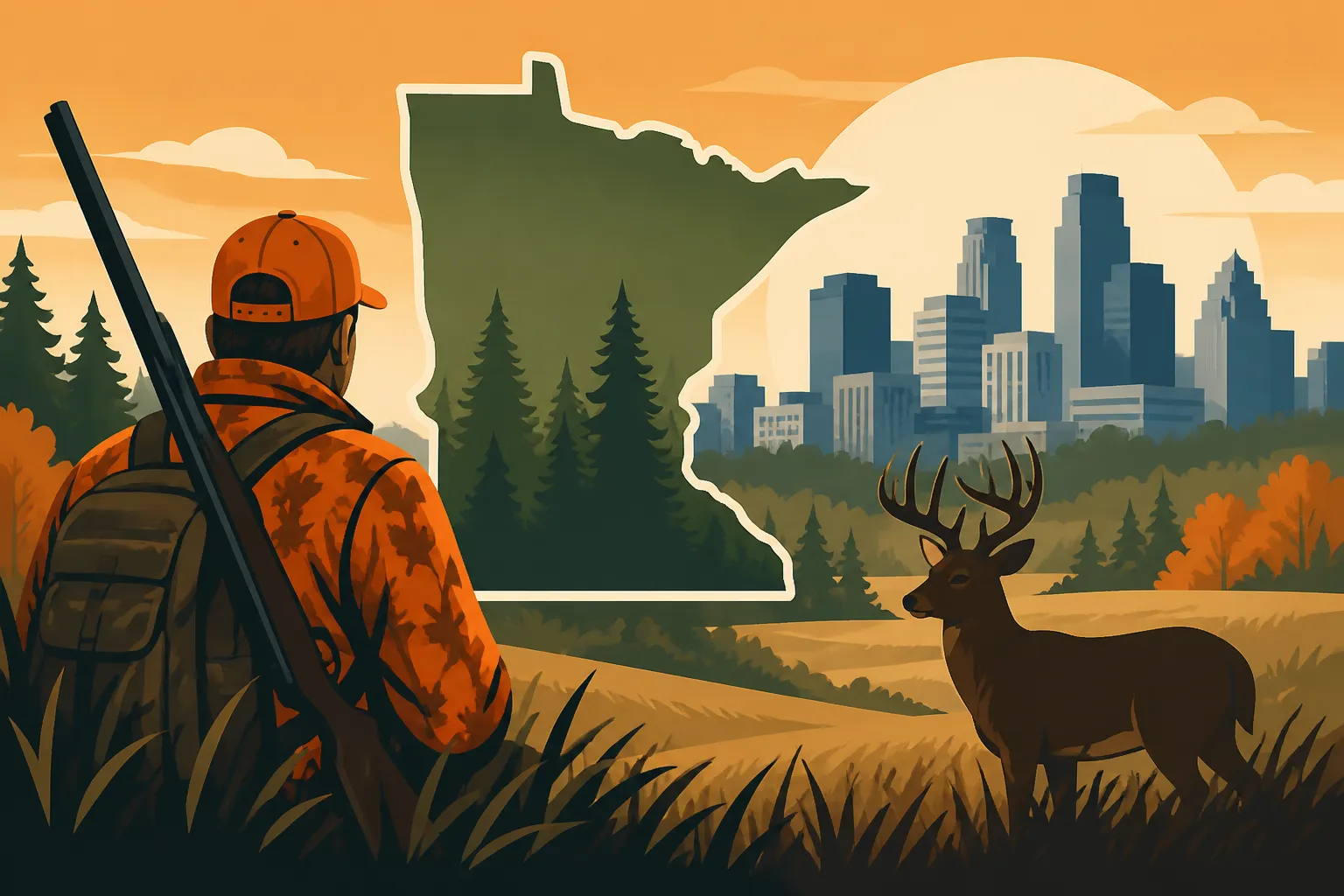
It's a common frustration, isn't it? You live in or around the hustle and bustle of the Twin Cities, you have a passion for hunting, but you often feel like every good hunting spot is a three-hour drive north or south. The idea of finding quality public ground close to home can seem like a pipe dream, leaving you to wonder if it's even worth the effort for a quick morning or evening hunt. This guide is here to tell you it absolutely is, and we'll explore the real opportunities that exist for hunting public land near Minnesota's vibrant metro area.
The Unique Challenge of Hunting Near the Metro
Let's be real, living close to Minneapolis or St. Paul means dealing with traffic, noise, and sprawling development. It’s easy to feel disconnected from the wild spaces we crave. Hunters in the metro area often face a unique set of challenges compared to those who can step out their back door into acres of private land or a vast national forest.
Overcoming the "Concrete Jungle" Mindset
Many of us get stuck in the mindset that serious hunting only happens "up north" or "out west" in big, remote tracts of wilderness. We hear tales of hunters trekking miles into the backcountry, and we envision pristine, untouched forests. While that experience is certainly available in other parts of Minnesota, it’s not the only way to hunt, especially when you’re constrained by time and geography. The truth is, there are pockets of incredible habitat much closer than you think, often right under our noses, that can offer rewarding experiences for deer, turkey, waterfowl, and small game. It just takes a different approach, a keen eye, and a bit of determination to seek them out amidst the urban sprawl. Don't let the surrounding concrete convince you that wild game doesn't exist just a short drive away.
Balancing Convenience with Quality Hunting
The biggest draw of hunting close to the metro is, of course, convenience. Imagine being able to hunt a morning, be back for an afternoon commitment, and still have dinner on the table. This is entirely possible! However, this convenience often comes with the challenge of increased hunting pressure. More people means more competition for space and game. You're not always going to find trophy animals every time you step foot on metro-area public land. The goal here isn't necessarily to bag a Boone and Crockett buck every year, but rather to enjoy the pursuit, put some meat in the freezer, and build your hunting skills in more accessible settings. It's about maximizing your time afield, learning animal behavior in pressured environments, and discovering the hidden gems that many overlook.
Types of Public Land Available Near the Twin Cities
Minnesota is surprisingly rich in public land, even relatively close to its population centers. It’s not all vast forests; sometimes it’s smaller parcels managed specifically for wildlife, or state lands that allow hunting. Knowing the different types of public land will help you understand their regulations and potential.
Wildlife Management Areas WMAs
Wildlife Management Areas, or WMAs, are arguably some of the best opportunities for hunters near the Twin Cities. These lands are specifically acquired and managed by the state's Department of Natural Resources (DNR) to protect and enhance wildlife habitats. This means they are often optimized for various game species, from deer and turkeys to pheasants and waterfowl. While some WMAs can be quite large, many near the metro are smaller, fragmented parcels. They might be wetlands, old fields, or hardwood forests, each offering unique challenges and rewards. You'll find a surprising amount of diverse habitat.
Hunting on WMAs can be fantastic, but they often see significant pressure, especially on opening weekends. This means you need to be smart about your approach. How Many Wildlife Management Areas Minnesota Has might surprise you; there are many, and even a small percentage of them are within reasonable driving distance of the metro. Scouting these areas extensively, looking for less-traveled corners, and focusing on weekdays can really increase your odds. Always check the specific regulations for each WMA, as some may have unique rules, especially regarding motorized access or special seasons.
State Forests and County Lands
Beyond WMAs, several state forests and even some county-managed lands exist within a reasonable drive of the Twin Cities. These lands are often managed for multiple uses, including timber production, recreation, and wildlife. While they might not be as intensely managed for specific game species as WMAs, they can offer more expansive, wilder experiences.
For example, St. Croix State Forest Hunting provides excellent opportunities for deer, grouse, and even bears further north, but a section of it is easily accessible from the northern metro. These areas often have a mix of habitat, from mature hardwoods to conifer plantations and wetland pockets. Access can vary, with some areas having well-maintained forest roads and others requiring more foot travel. County lands, while less common for hunting, occasionally offer parcels that permit public access. These require diligent research, often through county websites or plat books, to confirm hunting allowances. The key with state and county lands is that they can be a bit more of a "do-it-yourself" experience, with fewer immediate amenities but also potentially less direct competition than a popular WMA.
Special Hunt Programs and Metro-Area Opportunities
One often-overlooked avenue for hunting near the Twin Cities involves special hunt programs and specific metro-area opportunities. These can include managed hunts in state parks, nature centers, or even within certain urban boundaries designed to manage deer populations. These hunts are almost always lottery-based, require specific applications, and have very strict rules regarding weapons, access, and harvest. However, they can provide incredible, low-pressure hunting experiences right on the fringes of urban areas, sometimes yielding quality deer.
For example, you might find specific Metro-Area Special Deer Hunts aimed at reducing deer impacts on sensitive ecosystems or mitigating vehicle collisions. Some municipalities even participate in Minneapolis and St. Paul Bow Hunts programs. These aren't for everyone, as they often demand a high level of stealth, precision, and adherence to specific community guidelines, but for the dedicated metro hunter, they can be highly rewarding. Keep an eye on the DNR's special hunt application periods and local park system announcements for these unique chances. They often open up areas that are otherwise completely off-limits to hunting, providing a truly unique "urban edge" experience.
Key Areas and Strategies for Success
Okay, so we know what kind of public land is out there. Now, let's talk about where to go and how to approach it to maximize your chances of success without driving for hours.
Proximity and Species to Target
When hunting near the Twin Cities, you'll generally be targeting common species like white-tailed deer, wild turkeys, various small game (squirrels, rabbits), and migratory birds (ducks, geese, doves). While a monster buck might be less common, a healthy mature doe or a young buck is definitely within reach.
Here are a few general areas that hunters often explore within a 30-90 minute drive of the metro:
- Carlos Avery WMA: Located north of the Twin Cities, Carlos Avery WMA Hunting Access is a huge complex of diverse habitats including marsh, forest, and prairie. It's a waterfowl hotspot, but also holds deer, turkeys, and pheasants. It sees a lot of pressure, especially on opening day for various seasons, so diligent scouting and walking further than others is key here.
- Afton State Park (Special Hunts): While most state parks are closed to hunting, Afton sometimes participates in controlled deer hunts to manage populations. These are typically lottery-based.
- Rum River State Forest: Further north, but still accessible, this forest offers good deer and grouse hunting in a mix of hardwoods and pines.
- Minnesota River Valley: Various public access points and WMAs along the Minnesota River Valley Public Access can provide excellent opportunities for waterfowl, deer, and turkeys in the river bottomlands. These areas can be overlooked, as the landscape is often rugged and requires effort.
- Schoepps WMA (Carver County): A good option for pheasants and small game, often near agricultural fields.
- Sand Dunes State Forest: A unique ecosystem offering deer and small game opportunities, located west of Elk River.
Remember, even small woodlots or cattail sloughs can hold game if they offer food, water, and cover, especially if they are surrounded by otherwise developed areas. Animals will often gravitate to these safe havens.
Scouting Smart: Year-Round Preparation
Successful hunting, especially on pressured public land near the metro, begins long before opening day. You absolutely need to scout.
- Off-Season Exploration: The spring and summer months are critical. Hike the areas you plan to hunt. Look for old rub lines, historical scrapes, deer trails, and natural funnels. Identify bedding areas and food sources. Since hunting pressure can shift deer patterns, look for cover that offers escape routes to adjacent private land or thick, undesirable cover that other hunters won't penetrate.
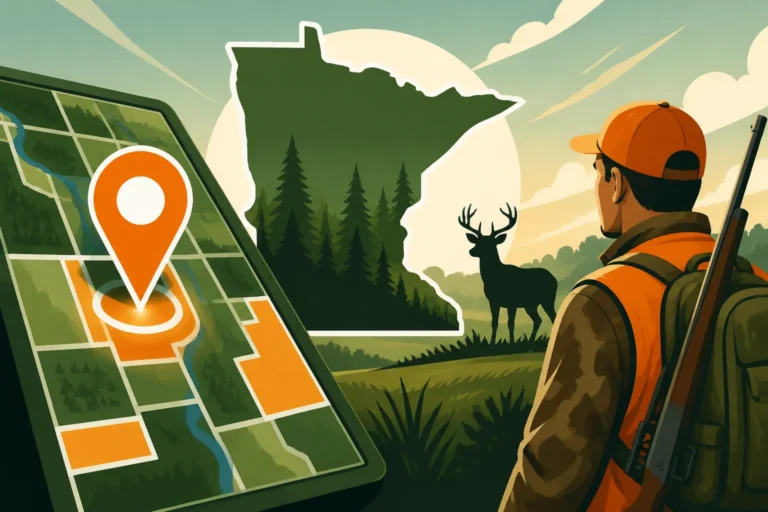
- Using Mapping Tools: This is where modern technology shines. Services like onX Hunt and GoHunt are indispensable. They allow you to overlay private and public land boundaries, identify habitat features like timber stands, water sources, and terrain changes from your couch. You can mark waypoints for potential stand locations, bedding areas, and access routes. Scouting With the Minnesota Recreation Compass App is another free, valuable tool provided by the DNR that shows public land boundaries and sometimes even specific habitat types. Use these apps to find those hidden corners, little pockets of woods, or fingers of cover that might be overlooked by others.
- Observe Neighboring Lands: Even if you can't hunt them, understanding the surrounding private land can inform deer movement. Where are the agricultural fields? Where do deer bed on adjacent properties? This helps you anticipate how deer will move onto and off of public ground, particularly during hunting season when pressure pushes them around. Finding Ground Others Walk Past is often about understanding where other hunters aren't going, and why.
Managing Pressure and Finding Unpressured Spots
Public land near the Twin Cities will have pressure. That's just a fact. But you can still find success by understanding how that pressure impacts game and by adjusting your tactics.
- Go Deeper, Go Thicker: Most hunters won't walk more than a quarter or half-mile from their vehicle. If you're willing to go a mile or two into dense cover, you’ll often find significantly less pressure and more undisturbed game. This means being prepared with proper gear, a good pack, and navigation tools.
- Hunt Mid-Week: If your schedule allows, hunting on Tuesday, Wednesday, or Thursday can be vastly different from a weekend. The woods will be quieter, and deer may return to more natural patterns.
- Focus on Overlooked Habitat: Instead of wide-open, easy-to-access woods, look for dense swamps, thorny thickets, or steep ravines that most hunters avoid. These can be prime bedding areas for deer that have been pushed around. Areas with poor access, like those requiring a canoe or a long walk along a ditch, can also hold pockets of unpressured game.
- Hunt the Fringes: Sometimes the best spots are right on the edge of public and private land, or where public land meets residential areas. Deer learn where they are safe, and these transition zones can be highly productive during legal shooting hours. Just be extremely aware of property lines and safety zones. Hunting Pressure on Minnesota Public Land is real, but smart tactics can mitigate its impact.
Using Technology to Find and Navigate Public Ground
In the modern hunting landscape, especially when dealing with fragmented public parcels near urban areas, technology isn't just a convenience – it's practically a necessity. Forget paper maps and compasses; while they have their place, digital mapping tools are your best friend.
Essential Mapping Apps for Metro Hunters
When you’re trying to decipher property lines, locate obscure public land segments, and understand the terrain, a reliable mapping app is invaluable. For hunters navigating the complexities of metro-area public ground, two names consistently rise to the top:
- onX Hunt: This app is a game-changer. Seriously, if you're not using it, you're missing out. onX Hunt clearly displays public and private land boundaries in different colors, which is absolutely crucial when you're hunting parcels that might be interspersed with private property. It shows property owner names, which is handy for requesting permission on adjacent private ground if you ever want to expand your options. You can see topo maps, satellite imagery, and even layers for things like timber cuts, which can indicate prime bedding or feeding areas for deer and grouse. For someone hunting near the Twin Cities, where public land might be a small WMA surrounded by houses, knowing exactly where that boundary lies prevents accidental trespassing and keeps you safe. onX Layers for Minnesota Land Status can help you visualize everything from wetlands to crop types, giving you a detailed picture of the habitat.
- GoHunt: While often geared towards Western big game, GoHunt also provides robust mapping tools that can be incredibly useful in Minnesota. It offers similar functionalities to onX, with detailed satellite imagery, topographic maps, and public land overlays. Its strength often lies in its analytical tools and ability to help users research hunt units, though for metro Minnesota, its core mapping capabilities are the primary draw. Both onX Hunt and GoHunt allow you to drop pins, measure distances, and track your movements, which is essential for getting deep into a WMA and reliably finding your way back out, especially in low light. These apps prevent countless headaches and ensure you're always legally on public ground.
Interpreting Public Land Data: Beyond the Lines
Having an app that shows public land boundaries is just the first step. You need to know how to interpret the information it provides to truly leverage it for your hunting success.
- Understand Different Public Land Designations: Your app will likely show different colors or labels for various types of public land: DNR (state forests, WMAs), federal (national forests, though less common right near the metro), and county land. Each might have slightly different regulations regarding ATV use, camping, or even specific hunting methods. A WMA, for instance, might be intensely managed for specific game, while a state forest might be more general-purpose.
- Utilize Topography and Satellite Views: Switch between satellite imagery and topographic maps. Satellite views will show you current habitat: standing crops, clear-cuts, dense timber, marsh. Topo maps reveal elevation changes, which are vital for understanding how deer move, especially through ravines, along ridges, or around hillsides that might create natural funnels or thermal hubs. Combine these views to identify thick cover, open areas, water sources, and travel corridors.
- Look for Access Points and Interior Cover: Don't just look for where public land is; look for how you can access it, and more importantly, how you can access the interior of it. Are there old logging roads, forgotten two-tracks, or creek beds that provide a route deep into a WMA that others might overlook? These less obvious entry points can lead you to undisturbed pockets of game. Consider the placement of any trail cameras you might use; while Trail Camera Rules on Minnesota Public Land vary, knowing where you can place them to scout effectively without disturbing other hunters or crossing boundaries is key. Use these tools to plan your entire hunt, from parking to stand placement, long before your boots hit the ground.
| Public Land Type | Typical Habitat Near Metro | Primary Game Species | General Hunting Pressure | Key Feature/Consideration |
|---|---|---|---|---|
| Wildlife Mgmt. Areas | Wetlands, brush, prairie, small woodlots | Deer, Turkey, Waterfowl, Pheasant | High, especially weekends | Managed for wildlife, often diverse habitat in small parcels |
| State Forests | Hardwoods, pine plantations, mixed forest | Deer, Grouse, Small Game | Moderate to High | More expansive, often multi-use, varied access |
| County Land | Varies widely, usually forest or wetland | Deer, Small Game | Low to Moderate, if open to hunting | Requires careful research for public access & rules |
| Special Hunt Programs | Parks, urban fringes, managed areas | Deer, sometimes Turkey | Low (lottery controlled) | Very specific rules, limited entry, often high success |
Finding quality public hunting ground near the Twin Cities isn't always easy, but it's far from impossible. It requires a bit more intentionality, smart scouting, and a willingness to work for it, but the rewards—convenient access to the outdoors, opportunities to fill your freezer, and the thrill of the hunt—are absolutely worth it. So, don't pack away your gear just because you live in the city. Grab your onX Hunt app, lace up your boots, and go explore the surprisingly wild pockets that Minnesota has to offer right in your backyard.
Disclaimer
This article is for general informational purposes only and does not constitute professional advice. Laws, prices and regulations vary by location and change over time. Consult a qualified professional for guidance on your specific situation.