Minnesota Disability Deer Hunt Permits
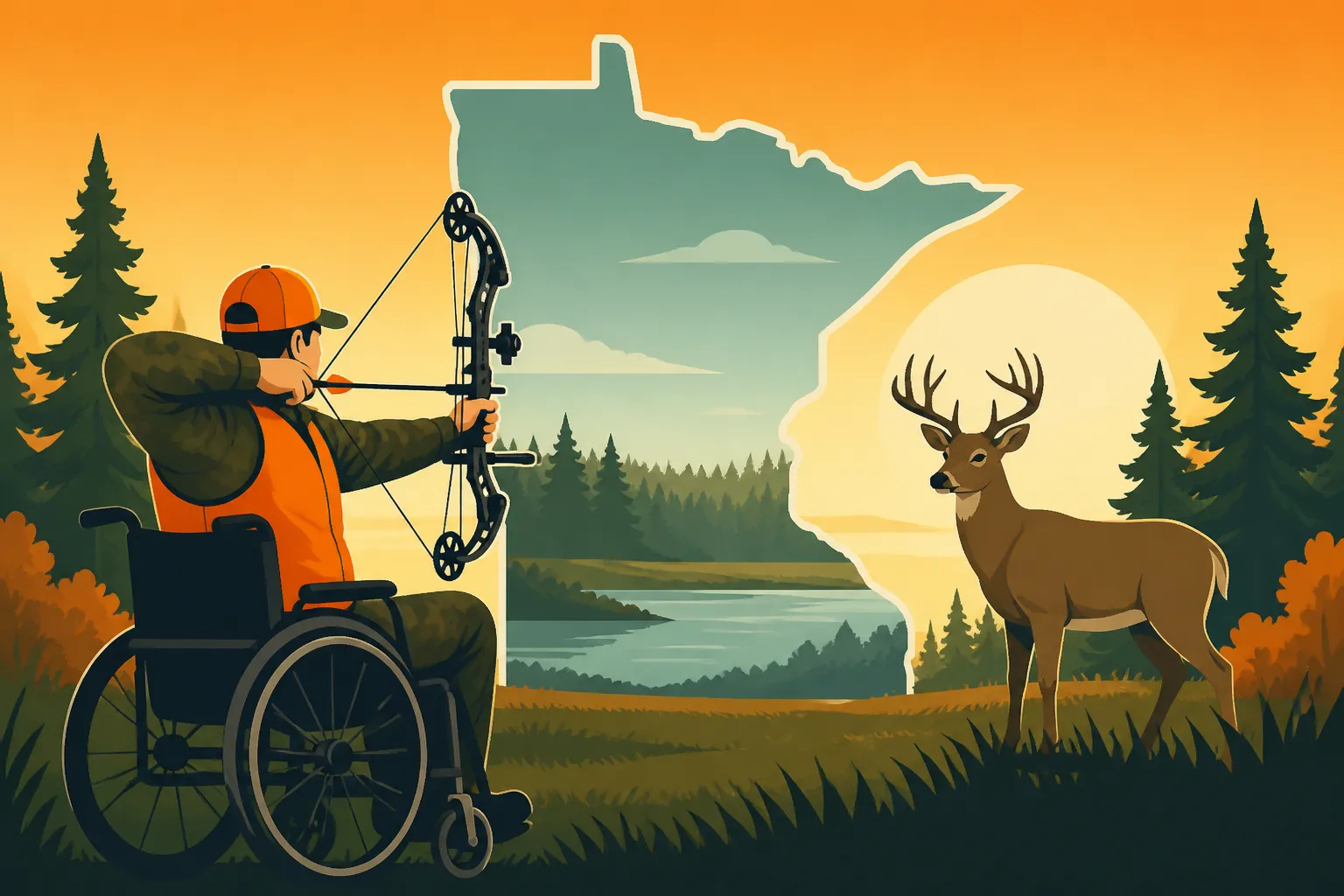
The crisp Minnesota air, the rustle of fallen leaves underfoot, the thrill of the chase – for many of us, deer hunting is more than just a pastime; it's a vital connection to nature and a cherished tradition. But when physical disabilities or mobility challenges enter the picture, that connection can feel cruelly severed, leaving a deep sense of loss and frustration. You might find yourself wondering if your days afield are truly over. The good news is, Minnesota understands these challenges and offers specific disability deer hunt permits and accommodations designed to ensure that more hunters can continue to pursue their passion, making the outdoors accessible once again. This comprehensive guide will illuminate the pathways available for disabled hunters, helping you navigate the system and get back into the woods.
Understanding Minnesota's Commitment to Inclusive Hunting
Minnesota prides itself on its rich hunting heritage, and a core part of that ethos is ensuring that these traditions can be shared by as many people as possible. The state’s Department of Natural Resources (DNR) works to create opportunities for hunters of all abilities, recognizing that a disability shouldn't automatically close the door to the deer woods.
Why Disability Permits Matter in the North Star State
For individuals facing physical limitations, a disability permit isn't just a piece of paper; it's a lifeline back to a cherished activity. Imagine a hunter who, after a debilitating accident or a progressive condition, can no longer traverse rugged terrain or sit for hours in a conventional stand. Without special provisions, their hunting career might come to an abrupt, heartbreaking end. These permits acknowledge those realities, providing the necessary accommodations to level the playing field. They're about preserving not just a hunting opportunity, but a lifestyle, a connection to the wild, and a crucial aspect of personal well-being.
The DNR's commitment reflects a broader understanding that a diverse hunting population strengthens conservation efforts. More hunters, regardless of their physical abilities, mean more voices advocating for wildlife habitat and responsible management. It's about fostering a community where everyone feels valued and included. Just as the state offers programs like Minnesota Mentored Youth Hunting Rules to bring new generations into the fold, these disability permits serve to retain experienced hunters and welcome new ones who might otherwise be excluded.
Eligibility Criteria for Hunters with Disabilities
Before you get too excited about specific opportunities, it’s important to understand who qualifies for these special permits and accommodations. The Minnesota DNR has clear, albeit stringent, criteria designed to ensure these provisions are utilized by those truly in need. Generally, eligibility revolves around a verifiable physical disability that significantly impairs a hunter's ability to engage in conventional hunting methods.
This typically includes individuals who:
- Are permanently physically unable to hold or shoot a firearm or bow in a conventional manner.
- Are substantially confined to a wheelchair.
- Have other permanent and significant mobility impairments that prevent them from walking or moving about safely in hunting terrain.
The critical component here is medical certification. You will need a licensed physician, chiropractor, or advanced practice registered nurse to certify your disability on the required DNR forms. This isn't a casual self-assessment; it's a professional medical statement confirming that your condition necessitates the requested hunting accommodations. It's crucial to understand that these permits aren't about convenience; they're about providing essential access for hunters who truly cannot participate otherwise. For those curious about the general requirements for deer hunting, understanding Minnesota Deer License Options by Weapon and Legal Firearms for Minnesota Deer Hunting provides a good baseline for comparison against which these disability accommodations are measured.
Navigating the Application Process for a Disability Deer Permit
The application process for any special permit can feel daunting, and disability deer hunt permits are no exception. There are specific forms, documentation, and deadlines that must be meticulously followed. Rushing or overlooking a detail can mean missing out on a season, which is the last thing any hunter wants.
Step-by-Step Guide to Applying
The journey begins on the Minnesota DNR website or by contacting a regional DNR office. You’ll be looking for specific forms related to "Special Hunt Permits for Hunters with Disabilities" or "Permits to Hunt from a Standing Motorized Vehicle." These are distinct from your general hunting license.
Here's a generalized step-by-step approach:
- Identify the Specific Permit Needed: Determine whether you require a permit for a designated accessible hunt site (often wheelchair-accessible blinds or areas) or an accommodation like hunting from a standing motorized vehicle.
- Obtain the Application Forms: Download the relevant application forms from the DNR website. Make sure you have the most current version for the upcoming season.
- Complete Your Section: Fill out all your personal information accurately. Be precise about the nature of your disability and the specific accommodation you are requesting.
- Secure Medical Certification: This is the most critical step. Your licensed medical professional must complete and sign the designated section of the application form, clearly stating the nature of your disability and how it impacts your ability to hunt conventionally.
- Submit Before the Deadline: Pay very close attention to the application deadlines. These are typically much earlier than general season openers, often in the late summer (e.g., mid-August) for fall deer seasons. Missing this deadline means you'll likely have to wait for the next hunting year.
- Retain Copies: Always make copies of your submitted application and all supporting documentation for your records.
While not directly used for permit applications, general hunting platforms like GoHunt can be useful for keeping track of broader season dates and regulations as you plan your entire hunting season around your approved permits. They often have robust mapping features that can help you scout potential hunting areas once your permit is in hand.
Essential Documentation and Deadlines
Let’s dig deeper into the documentation and deadlines, as these are frequently where hunters encounter stumbling blocks. The medical certification form is paramount. This isn't just a doctor's note; it's a specific DNR form that your physician, chiropractor, or advanced practice registered nurse must complete. It requires them to:
- Clearly state the nature of your permanent physical disability.
- Explain how this disability substantially impairs your ability to hunt by conventional means.
- Specify the accommodations necessary for you to hunt safely and effectively.
It is absolutely vital that your medical professional understands the purpose of this form and provides all the requested information thoroughly. An incomplete or vague certification could lead to your application being denied or delayed.
| Document/Step | Description | Key Consideration |
|---|---|---|
| Application Form | Specific DNR form for hunters with disabilities | Ensure it's the current year's version. |
| Medical Certification | Completed by licensed medical professional | Must clearly state disability and necessity for accommodation. |
| Proof of Residency (if applicable) | Driver's license or state ID for resident permits | Ensure information matches your application. |
| Application Deadline | Varies by permit type, often mid-August for special deer hunts | Missing this means waiting another year. |
| General Hunting License | Required in addition to the disability permit, purchased separately | Ensure you purchase the appropriate base license. |
The application deadline is not flexible. For many special disability hunts, the deadline might be in mid-August, well before the deer season even begins. For accommodations like the hunt from a standing vehicle permit, it might be a rolling application, but it's always best to apply as early as possible. For context on other important state deadlines, checking resources like Applying for the Antlerless Lottery Before September 10 highlights how crucial these timelines are in Minnesota hunting. Always confirm specific dates on the official DNR website, as they can shift annually.
Special Considerations and Accommodations for Disability Hunts
Once you’ve successfully navigated the application process and secured your disability deer hunt permit, you're ready to start planning your hunt. However, it's important to understand the specific rules and opportunities that come with these special provisions. They are designed to aid, not to bypass fundamental hunting ethics or safety.
Specific Permit Area Designations and Opportunities
Many disability permits are tied to special hunt opportunities in designated areas. The Minnesota DNR often manages specific locations, such as certain Wildlife Management Areas (WMAs) or State Parks, that are equipped with accessible hunting blinds or have terrain more suitable for limited mobility. These hunts are usually limited in scope and require a specific draw or application on top of the disability certification.
For example, a special hunt might be offered at a particular WMA with elevated, wheelchair-accessible blinds near known deer travel corridors. These spots are carefully chosen and maintained to maximize opportunity and safety for disabled hunters. Researching these specific locations and their unique requirements is paramount. You might find that some of these areas are part of broader Public Hunting Land in Minnesota initiatives, but with added layers of accessibility. Tools like GoHunt can be incredibly helpful here, as their detailed mapping capabilities allow you to visualize terrain, identify access points, and even spot potential stand locations that might be suitable for your specific needs, helping you make informed decisions about which designated areas to apply for. Exploring Minnesota Wildlife Management Areas can also give you a better idea of areas that might offer these specialized hunts.
Rules for Assisted Hunting and Vehicle Use
One of the most valuable aspects of disability permits is the ability to have assistance or utilize a vehicle in ways not typically allowed for general hunters. These rules are specific and must be followed to the letter to avoid violations.
- Assisted Hunting: Many disability permits allow for a designated assistant (sometimes referred to as an "attendant") to accompany the disabled hunter. The assistant's role is to aid with mobility, setting up equipment, retrieving game, and providing general support. Crucially, the disabled hunter must be the one to actively participate in the hunt, including pulling the trigger or releasing the arrow. The assistant cannot shoot the animal for the disabled hunter unless very specific additional conditions are met (e.g., a specific permit for "assistive shooting devices" and the disabled hunter initiating the shot). Always clarify the precise role of an assistant with the DNR when you receive your permit.
- Vehicle Use: The "Permit to Hunt from a Standing Motorized Vehicle" is a game-changer for many. This permit allows the disabled hunter to shoot from a standing motor vehicle, typically on designated roads or trails, where general hunters are forbidden to do so. This eliminates the need for extensive walking or difficult blind setups. However, there are strict rules: the vehicle must be stationary, the engine often must be off, and the hunter must be within the vehicle's footprint. This does not grant permission to drive off-road on public lands where it is otherwise prohibited. Understanding rules for ATV Rules on Minnesota Forest Roads is crucial, as any deviation from public road access typically requires very specific, separate permissions. For hunters relying on ground blinds due to mobility issues, these permits allow for more strategic placement without the arduous walk-in, complementing the use of Using a Ground Blind on Minnesota Public Land in otherwise inaccessible areas.
Always carry your disability permit and any supporting documentation with you while hunting. Game wardens will be checking for these specific allowances, and you'll need to demonstrate compliance with all regulations.
Common Challenges and Solutions for Disabled Hunters
Even with special permits, hunting with a disability presents its own unique set of challenges. From navigating uneven terrain to finding the right support system, disabled hunters often face hurdles that able-bodied hunters might never consider. But with perseverance, planning, and the right resources, these challenges can be overcome.
Overcoming Access Limitations on Public Land
While disability permits open doors, they don't magically flatten mountains or drain swamps. Many public lands, even those with designated accessible features, can still present difficulties. Terrain might be uneven, weather conditions can make trails muddy or icy, and dense cover can still impede movement.
- Strategic Scouting: This becomes even more critical for disabled hunters. Focus on Scouting Minnesota Public Land Before Season with an eye for accessibility. Look for areas adjacent to paved or well-maintained gravel roads, checking satellite imagery for relatively flat topography or natural clearings. Utilize mapping applications, which platforms like GoHunt excel at, to identify gentle slopes, wider trails, or areas where deer naturally funnel near accessible points.
- Leverage Companion Hunters: An able-bodied hunting partner isn't just company; they're an invaluable asset. They can carry extra gear, assist with difficult terrain, and help with game retrieval. Plan your hunts together, ensuring your partner understands your limitations and how best to assist.
- Gear Adaptations: Consider specialized gear designed for mobility challenges. This might include all-terrain wheelchairs, specialized carts for transporting gear or harvested game over short distances, or even portable ramps to navigate small obstacles. For sitting, an accessible ground blind with ample interior space and a sturdy chair can be far more comfortable and effective than trying to manage a traditional tree stand.
- Focus on the Experience: It's easy to get frustrated by limitations. Instead, try to shift your focus. Celebrate the mere act of being in the woods, observing wildlife, and sharing the experience with a loved one. The thrill of the hunt isn't solely about the harvest; it's about the entire journey. Sometimes, the goal might be more about Finding Ground Others Walk Past that offers easier access rather than the most remote, rugged areas.
Finding Support and Resources Within the Hunting Community
You are not alone in this journey. The Minnesota hunting community is incredibly supportive, and there are numerous organizations and individuals dedicated to helping disabled hunters.
- Dedicated Organizations: Groups like the Minnesota Chapter of Safari Club International (SCI) or various chapters of the National Wild Turkey Federation (NWTF) often have programs, events, and resources specifically aimed at disabled hunters. They might organize special hunts, provide equipment, or offer mentorship. A quick search for "disabled hunter programs Minnesota" will yield several valuable contacts.
- Local Clubs and Groups: Connecting with local hunting clubs can be a fantastic way to find hunting buddies who understand your needs and are willing to assist. Many local clubs are eager to help fellow hunters and share their knowledge of accessible hunting spots. These connections can quickly become invaluable, building new Minnesota Deer Camp Traditions for you.
- Online Forums and Social Media: There are many online communities dedicated to disabled hunting. These forums and groups can be a wealth of information, offering advice on gear, tactics, and accessible locations. Platforms like GoHunt, with their community features, can also be a place to connect with other hunters who have experience navigating the challenges of hunting with a disability. Hearing about others' experiences and successes can provide both practical tips and much-needed encouragement. Never underestimate the power of shared experience in overcoming hurdles, whether it's understanding Reading Aerial Photos for Big Woods Deer from an accessible perspective or finding new ways to enjoy the outdoors.
Hunting with a disability in Minnesota might require extra planning and a few more hoops to jump through, but the opportunities are absolutely there. With the right permits, strategic preparation, and the support of a passionate community, you can continue to enjoy the profound satisfaction of being a hunter in the North Star State.
Disclaimer
The information provided in this guide is for general informational purposes only and does not constitute legal advice. Hunting regulations and permit requirements in Minnesota can change. Always consult the official Minnesota Department of Natural Resources (DNR) website and regulations handbook for the most current and accurate information before planning your hunt.