Do You Need a Separate Crossbow License?
It's a question that pops up more and more often these days, especially with how popular crossbows have become in the Minnesota deer woods: "Do I need a special license for my crossbow?" Many hunters are genuinely confused, wondering if the state views these modern archery tools differently from traditional vertical bows when it comes to licensing. This guide is here to clear up that common misunderstanding and walk you through exactly what you need to hunt with a crossbow in Minnesota.
The Basics: Understanding Minnesota's Crossbow Regulations
Let's cut right to the chase because this is where a lot of the anxiety and misinformation comes from. You've heard the rumors, you've seen discussions on forums, and perhaps you even have friends from other states where the rules are entirely different. It's enough to make your head spin! But in Minnesota, the answer is refreshingly straightforward when it comes to licensing.
Crossbows as Archery Equipment
In Minnesota, a crossbow is generally categorized under the umbrella of archery equipment. This is the fundamental piece of information that dictates its legal use during hunting seasons. The state's regulations are designed to group hunting methods by their core mechanics, and for licensing purposes, a crossbow operates within the same framework as a compound bow or a recurve bow. It’s not treated as a firearm, which is a key distinction that often trips people up, especially given the increased power and precision many modern crossbows offer. This classification means that while specific rules might apply to the use of a crossbow (like draw weight limits or bolts), the type of license you need remains consistent with other archery methods.
The General Archery License
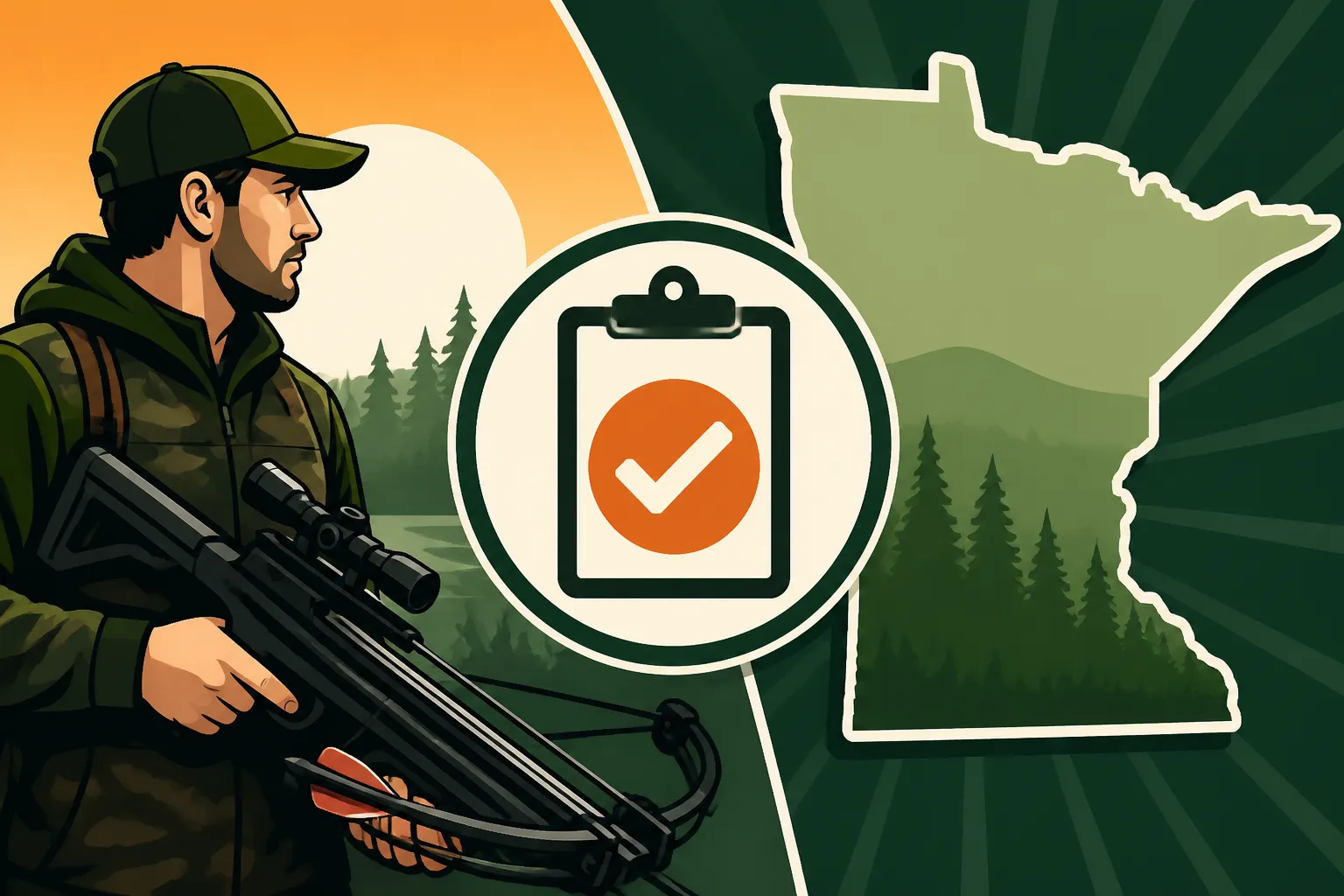
So, to directly answer the burning question: no, you do not need a separate crossbow-specific license in Minnesota. What you need is a standard Minnesota archery deer license. This single license covers you for hunting deer with any legal archery equipment, whether that's a traditional longbow, a cutting-edge compound bow, or your trusty crossbow. When you go to purchase your license, you'll simply select the "Archery Deer License" option, just as a vertical bow hunter would. There's no special checkbox or additional fee for choosing a crossbow. It's all inclusive under that one archery umbrella. This simplifies things immensely for hunters, preventing the need to juggle multiple tags or worry about weapon-specific permits during the archery season.
Exceptions and Special Considerations
While the general rule is clear – one archery license for all legal bows – there are always nuances to consider, though they rarely involve separate licensing. For instance, disabled hunters may have specific permits or exemptions that allow them to use certain equipment outside of general season rules, but even then, it’s typically an add-on to their existing license structure, not a wholly separate crossbow license. Also, be aware that some special hunts, often within metro areas or certain wildlife refuges, might have very specific weapon restrictions. Always double-check the regulations for any specific permit area or hunt you apply for. These are usually outlined clearly in the special hunt details, but they don't typically create a need for a new type of license for crossbows specifically. You can also find valuable resources on permit area details by looking up topics like Finding Your Minnesota Deer Permit Area before you apply.
Why the Confusion? Historical Context and Evolving Perceptions
It's completely understandable why hunters often find themselves scratching their heads over crossbow license requirements. The landscape of hunting equipment is constantly evolving, and state regulations sometimes lag, or develop differently, leading to a patchwork of rules across the country. What's legal and how it's licensed in Wisconsin might be worlds apart from Minnesota, and that creates a mental hurdle for many.
The Rise of Crossbow Popularity
Crossbows have truly exploded in popularity over the last couple of decades. They offer a unique blend of rifle-like accuracy, often easier physical demands than drawing a compound bow, and a longer effective range compared to a traditional stick and string for many hunters. This accessibility has brought a lot of new participants into archery seasons, including those who might have previously only hunted with firearms, or older hunters who can no longer comfortably pull a vertical bow. With this surge in use comes a natural curiosity and sometimes, skepticism, about how these modern tools fit into traditional hunting frameworks. People see them looking more like a firearm and assume they must be licensed differently, especially if they're used to the clear distinction between firearm and archery seasons.
Other States' Rules vs. Minnesota's
The biggest source of confusion often stems from comparing Minnesota's rules to those of other states. Many states do have different classifications for crossbows. Some might require a separate "crossbow permit" or specifically relegate their use to certain seasons (like firearm season for disabled hunters only) or special allowances. For example, a hunter used to the regulations in, say, Ohio or Pennsylvania, where specific crossbow permits or regulations might be more complex, could easily assume Minnesota operates under similar constraints.
This is where understanding the local nuances becomes crucial. When planning a hunting trip across state lines, a resource like GoHunt can be incredibly valuable for understanding the nuances of each state's rules, including weapon regulations and licensing requirements. It helps hunters avoid making assumptions based on what they know from their home state. Without a clear, centralized resource that explains these differences, it’s easy to get mixed signals. For hunters who travel, or even just consume hunting media from various regions, it’s no wonder they might ask, "Do I need a separate crossbow license?" when Minnesota makes it quite simple.
Practical Implications for Your Hunt
Knowing that you only need a standard archery license for your crossbow in Minnesota is a relief, but it's just the first step. Preparing for a successful crossbow hunt involves more than just the right permit; it's about understanding the season, scouting effectively, and having your gear dialed in.
What You Need to Carry
When you head into the woods with your crossbow during Minnesota's archery season, you need to have specific documentation on your person. First and foremost, you'll need your valid Minnesota archery deer license. This proves you have the legal right to hunt. Alongside that, you must carry your deer tag (which is typically part of your license packet) and a valid form of identification, such as your driver's license. It’s always a good idea to keep these documents in a waterproof pouch or a secure pocket in your pack. Game wardens frequently check hunters in the field, and being prepared means a quick, hassle-free interaction. If you prefer digital copies, many states allow proof of license on your phone, but it’s always wise to have a backup in case of dead batteries or no cell service.
Planning Your Crossbow Hunt
Since crossbows fall under the archery season, your planning should align with typical archery strategies. This means focusing on early season patterns, the rut, and late-season food sources within the archery dates. A huge part of success comes from good scouting. This might involve using mapping applications like Scouting With the Minnesota Recreation Compass App or onX Layers for Minnesota Land Status to identify potential deer habitat, travel corridors, and bedding areas. You'll want to scout for funnels between cover, pinch points, and areas with good sign like rubs and scrapes. Crossbows, like vertical bows, generally mean closer shots, so understanding deer movement and bedding is paramount to getting within your effective range. Don't forget to practice shooting your crossbow regularly to ensure accuracy, especially from your chosen stand or blind setup.
Gear Considerations
While you don't need a special license, your crossbow gear itself is critical. You'll want to make sure your crossbow is sighted in perfectly for the distances you expect to shoot. Crossbow Scopes for Minnesota Timber Ranges can be invaluable for accurate shot placement in varying light conditions. Consider your broadhead choice; fixed blade or mechanical, ensuring it's legal and suitable for deer. Don't forget essential safety gear like a good harness if you're hunting from a treestand, which is a common approach in Minnesota's diverse terrain. For hunters focusing on accuracy and ethical shots, consistent practice with their specific setup is key. After all, the best license in the world won't make up for poor shot placement.
Navigating the E-License System
Minnesota has made it incredibly convenient to purchase hunting licenses through its e-license system, whether you're buying online, visiting a local vendor, or even calling in. This streamlined process applies universally, meaning getting your archery license for crossbow hunting is just as simple as getting one for a shotgun or a vertical bow.
Purchasing Your Archery License
When it's time to purchase your license, you'll simply select the "Archery Deer License" option. You can do this from the comfort of your own home via the state's online licensing portal, or you can visit one of the many authorized license vendors located throughout Minnesota – think sporting goods stores, bait shops, and even some convenience stores. If you prefer, you can also purchase licenses over the phone. The system doesn't differentiate between vertical bows and crossbows at the point of sale. Once purchased, your license is valid for the entire archery season, allowing you to hunt with any legal archery equipment, including your crossbow. This seamless integration means less paperwork and more time scouting or practicing. Make sure to purchase your license well before you head out, and always confirm the Minnesota Archery Season Dates to ensure you're hunting legally.
Staying Informed
While the crossbow licensing rules in Minnesota have been consistent for some time, regulations can and do change. It is always, always your responsibility as a hunter to stay informed of the current year's rules and regulations. Before each hunting season, make it a habit to review the official hunting regulations handbook, available online or in print wherever licenses are sold. This is especially true if you are a nonresident hunter or if you haven't hunted in Minnesota for a few seasons. The official regulations will clarify not only licensing requirements but also specific equipment restrictions, season dates, bag limits, and any CWD-related rules in your specific hunting zone. Don't rely solely on what you think you remember or what a friend told you; verify it with the official source. Many hunters use comprehensive platforms like GoHunt to cross-reference regulations and ensure they're up-to-date, especially when navigating the complexities of different permit areas or special hunts.
Here's a quick reference table to help visualize the licensing for various weapon types in Minnesota:
| Weapon Type | Required License for Deer | Separate Crossbow License Needed? | Notes |
|---|---|---|---|
| Vertical Bow | Archery Deer License | No | Covers compound, recurve, and longbows. |
| Crossbow | Archery Deer License | No | Treated as legal archery equipment under the same license. |
| Rifle (Statewide) | Firearm Deer License | N/A | For hunting during the firearm season. Rules for Why Straight-Wall Rifles Are Now Legal Statewide changed things. |
| Shotgun Slug | Firearm Deer License | N/A | For hunting during the firearm season, especially in Which Thirteen Counties Kept Shotgun-Only Rules. |
| Muzzleloader | Muzzleloader Deer License | N/A | For hunting during the dedicated muzzleloader season, such as Muzzleloader Tactics in December Cold. |
In Minnesota, the bottom line is that your crossbow is welcome in the archery season, and it's covered by the same archery deer license that vertical bow hunters use. So, load up your bolts, practice your shot, and get ready to enjoy some fantastic deer hunting opportunities. Remember to always hunt ethically, safely, and be a good ambassador for the sport.
Disclaimer
This article is for general informational purposes only and does not constitute professional advice. Laws, prices and regulations vary by location and change over time. Consult a qualified professional for guidance on your specific situation.