Canoe Hunting Boundary Waters Deer and Grouse
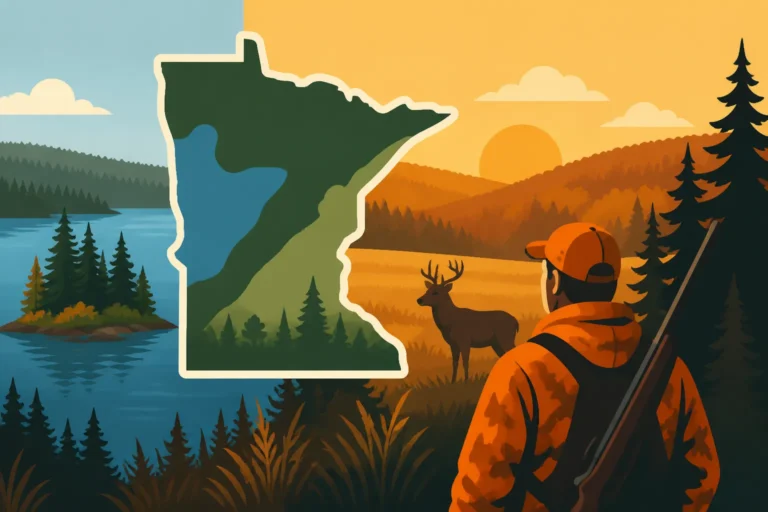
The Boundary Waters Canoe Area Wilderness is a truly special place in Minnesota, offering an unparalleled wilderness experience. But when you start thinking about combining that with hunting for deer or grouse, the logistics can quickly feel overwhelming. You're not just throwing gear in the truck; you're planning a full-on expedition where every ounce and every paddle stroke counts. This guide is here to break down the ins and outs of canoe hunting in the BWCA, helping you navigate the planning, gear, and tactics to successfully harvest game in this incredible northern landscape.
Why Canoe Hunting in the Boundary Waters Is Different
Hunting in the Boundary Waters isn't like heading to your local WMA or a state forest. The sheer scale, the lack of motorized access in most areas, and the reliance on paddle power fundamentally change how you approach the hunt. It's a test of physical endurance, navigational skill, and wilderness savvy, but the rewards—solitude, incredible scenery, and truly wild game—are immense.
The True Wilderness Experience
One of the biggest draws of the BWCA is its untouched nature. Miles of portages and waterways separate you from roads and noisy distractions. This deep wilderness setting means the game animals you encounter are often less pressured and behave more naturally than those found closer to civilization. You might go days without seeing another soul, which allows you to immerse yourself fully in the hunt and the environment. It also means you need to be entirely self-sufficient, as help is not just around the corner. Every decision, from what you pack to how you navigate, directly impacts your safety and success.
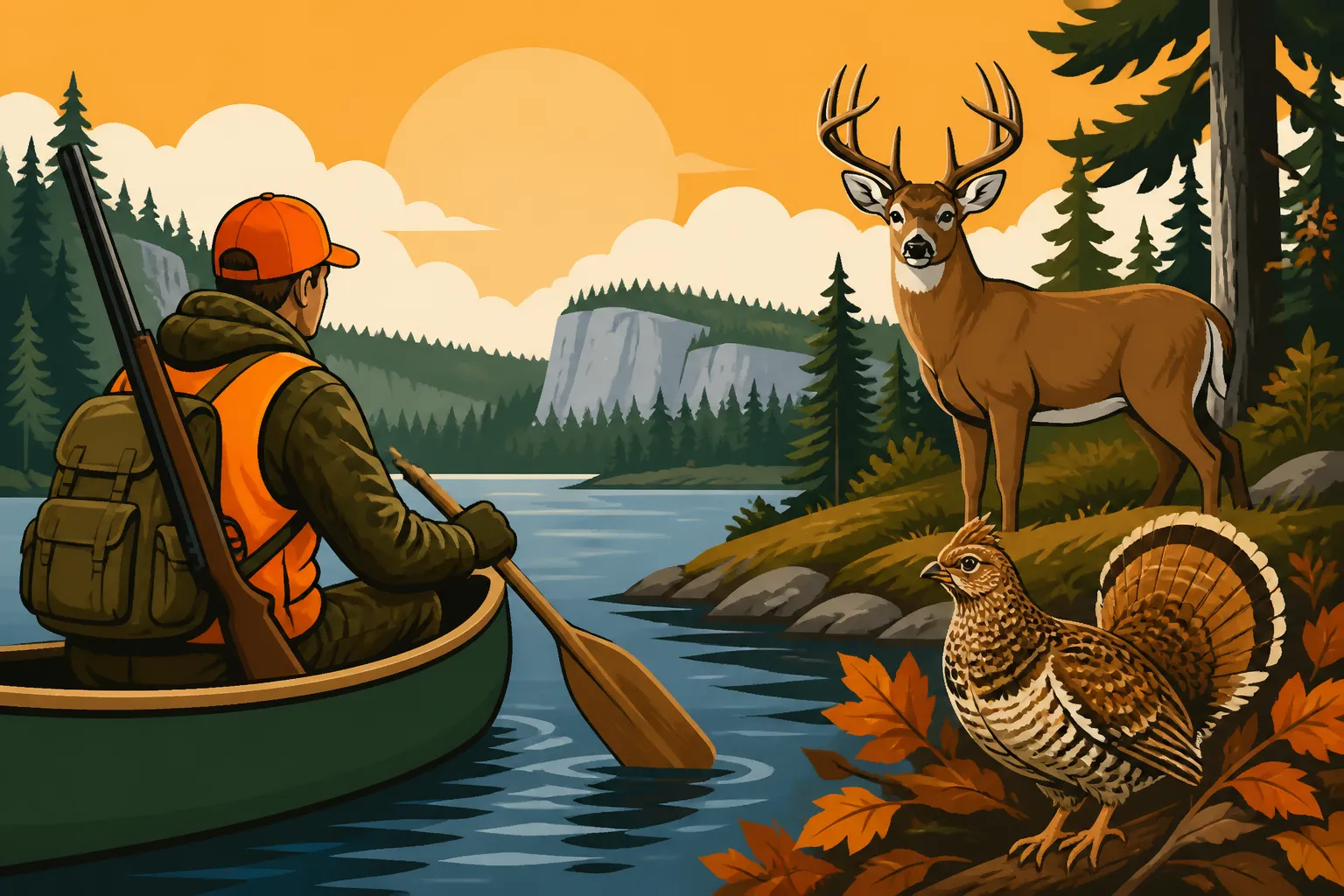
Imagine paddling across a glass-smooth lake at dawn, mist rising off the water, and hearing a grouse drumming from the shore, or spotting a deer browsing on an island. These are the moments that define a Boundary Waters hunt, making it far more than just filling a tag. It's about connecting with the land in a profound way, understanding its rhythms, and experiencing the quiet majesty of a place preserved for its wild character.
Unique Challenges of Water-Based Access
While the canoe provides silent, efficient access to vast areas otherwise inaccessible, it also presents its own set of challenges. Portaging—carrying your canoe and gear between lakes—is physically demanding, especially when loaded with hunting equipment, food for a week, and potentially a harvested animal. Water levels can fluctuate, making some routes difficult or requiring longer carries. High winds on large lakes can turn a calm paddle into a dangerous white-capper, forcing you to hunker down and wait out the weather.
You also have to consider how your gear integrates with water travel. Everything needs to be waterproofed, from your sleeping bag to your ammunition. A capsized canoe in cold water isn't just an inconvenience; it can be life-threatening. The unique demands of water-based travel require a shift in mindset and meticulous preparation, ensuring that you're ready for whatever the wilderness throws your way. Packing a Canoe for a Boundary Waters Hunt delves deeper into how to prepare your vessel and supplies.
Planning Your BWCA Hunting Expedition
Successful canoe hunting in the Boundary Waters hinges on meticulous planning. This isn't a spur-of-the-moment weekend trip. From permits to routes, every detail needs to be carefully considered long before your boots hit the portage trail.
Permits, Regulations, and Entry Points
Before you even think about packing a single item, you need to understand the permit system for the Boundary Waters. Day use permits are often available without reservation, but if you're planning an overnight stay, you'll need a quota permit for your chosen entry point and date. These permits limit the number of groups entering each day, preserving the wilderness experience. They often book up quickly, especially during popular seasons, so plan to apply well in advance. Check the official Forest Service website for the most current information and application windows.
Beyond the BWCA entry permits, you'll need all the standard Minnesota hunting licenses for deer, grouse, or whatever game you pursue. Pay close attention to season dates, bag limits, and any specific regulations for the permit area you'll be hunting. Some areas within or adjacent to the BWCA might have special rules, so always cross-reference your specific location. Permit Rules for the Boundary Waters provides further clarity on these critical initial steps. Understanding Entry Points Into the Boundary Waters will help you strategize your access based on game populations and preferred hunting styles.
Route Selection and Scouting
Choosing your route is arguably the most crucial planning step. You need to balance the desire for remote, unpressured hunting grounds with realistic expectations of your group's paddling and portaging abilities. Longer, more challenging portages often lead to areas with less human traffic, which can mean better hunting. Consider loop routes that allow you to cover different habitats and return to your starting point, or out-and-back trips to focus on a particular area.
Utilize mapping tools like onX Hunt to analyze terrain, identify potential bedding areas, travel corridors for deer, or good grouse cover near water. Look for pinch points, islands with favorable wind direction, or aspen stands along portage trails. Pay attention to contour lines for subtle elevation changes that might funnel deer. While actual in-person scouting might be impractical due to the remoteness, Scouting Minnesota Public Land Before Season offers general principles that apply, even if you're doing it remotely with maps. Consider satellite imagery for recent logging activity that might create prime grouse habitat or identify older burns for diverse cover.
Group Size and Skill Level
Your group dynamic is paramount. Canoe hunting a wilderness area is not a solo pursuit for most, nor is it a casual trip for beginners. Everyone needs to be physically capable of paddling and portaging, often with heavy loads. Experience with wilderness camping, navigation, and basic first aid is highly recommended. A smaller group (2-4 people) is often more efficient for portaging and maintaining stealth while hunting.
Discuss expectations beforehand: Are you primarily focused on hunting, or is it a broader wilderness experience? What are everyone's roles for camp setup, cooking, and, crucially, game retrieval? Having a clear understanding and division of labor makes for a smoother, safer, and more enjoyable trip. Bringing along someone with strong bushcraft or extensive canoeing experience can be invaluable for navigating the unexpected challenges the BWCA can present.
Essential Gear for the BWCA Hunter
Packing for a Boundary Waters hunting trip is a delicate balance. You need everything necessary for survival and a successful hunt, but every extra pound means more sweat on the portage trail. Minimalism and multi-purpose items are your friends here.
Canoes and Paddling Equipment
Your canoe is your primary mode of transportation and often your lifeline. Opt for lightweight canoes, typically made of Kevlar or carbon fiber, to ease the burden of portaging. A 17-foot tandem canoe is a versatile choice for two hunters and their gear. Ensure it's in excellent condition, as a breach in the wilderness can quickly turn disastrous. Bring a repair kit for fiberglass or Kevlar.
Paddles should be lightweight but durable, and always carry a spare. Personal floatation devices (PFDs) are legally required and should be worn, especially on larger lakes or in rough conditions. A sturdy bailer or sponge is essential for removing water from the canoe, whether it's from rain or waves. Dry bags and waterproof barrels are non-negotiable for all sensitive gear and food; assume everything will get wet at some point.
| Item | Description | Importance |
|---|---|---|
| Lightweight Canoe | Kevlar/Carbon Fiber, 17-foot tandem recommended | Critical |
| Paddles | Lightweight, durable, 1 spare per canoe | Critical |
| PFDs | Worn at all times on water, type III or V | Critical |
| Bailer/Sponge | For water removal, quick access | High |
| Dry Bags/Barrels | Waterproofing all gear, food, sleeping bags | Critical |
| Repair Kit | For canoe (fiberglass/Kevlar), duct tape, cordage | High |
Hunting-Specific Gear Considerations
The type of hunting you'll do (deer or grouse) will dictate some of your gear, but always prioritize lightweight and durable options. For deer, a compact rifle or shotgun is ideal. If carrying a rifle, ensure it's protected in a waterproof, padded case during travel. Rifle Setups for Minnesota Deer Hunting offers insights into calibers suitable for varied conditions. For grouse, a lightweight shotgun (20 gauge or .410) that can break down easily for packing is an excellent choice.
Optics should be kept to a minimum: a good pair of 8x or 10x binoculars might be all you need. A rangefinder could be useful in open areas but is often less critical in thick timber. Navigation is paramount: a reliable GPS unit with pre-loaded maps (like GoHunt or onX Hunt on a device with offline capabilities) combined with a physical map and compass is essential. Batteries for electronics should be plentiful and waterproofed. Headlamps with spare batteries are also critical for early morning setups and late evening retrieves. Don't forget an appropriate hunting knife and game bags for meat care.
Clothing and Camp Comfort
The Boundary Waters can be notoriously unpredictable, weather-wise. Layering is key, regardless of the season. Think wool or synthetic base layers, insulating mid-layers, and a waterproof/windproof outer shell. Even in early fall, temperatures can drop rapidly, especially after a rain or when sitting still in a stand. Insulated, waterproof boots are essential for crossing wet portages and wading shallow edges. Remember, you can't just run to the store if you get cold or wet.
For camp, a lightweight, durable tent is crucial. A compact sleeping bag appropriate for the expected night temperatures, and a comfortable sleeping pad, will ensure you get the rest needed for demanding days. A portable stove and fuel are safer and more efficient than relying on campfires for all cooking. A reliable water filter or purification tablets are non-negotiable, as you'll be relying on lake water for drinking. And, of course, a first-aid kit stocked for wilderness scenarios is an absolute must.
Tactics for Boundary Waters Deer and Grouse
Hunting in the Boundary Waters requires adapting your usual tactics to the unique environment. The methods you use in a farm field or a suburban woodlot simply won't cut it here.
Still-Hunting and Stand Hunting for Deer
Still-hunting is often the most effective deer hunting strategy in the BWCA. The vastness of the area and the scattered nature of deer populations make traditional stand hunting challenging, though not impossible. When still-hunting, move slowly and deliberately, stopping frequently to scan the woods, listen, and glass ahead. Focus on natural travel corridors like shorelines, subtle ridges, or the edges of dense cedar swamps. Pay attention to wind direction, using it to your advantage to conceal your scent.
If you opt for stand hunting, portability is key. Lightweight climbing stands or saddle hunting setups are ideal, allowing you to move and adapt to changing conditions or new sign. Focus on areas where deer might concentrate, such as small islands with good browse, funnels between lakes, or areas with recent beaver activity that provide new growth. Scouting for fresh sign like rubs, scrapes, or heavy trails along these features is crucial before committing to a stand location. Hanging a Stand on a Big Woods Funnel can provide excellent guidance for identifying optimal spots.
Grouse Hunting on Portages and Edges
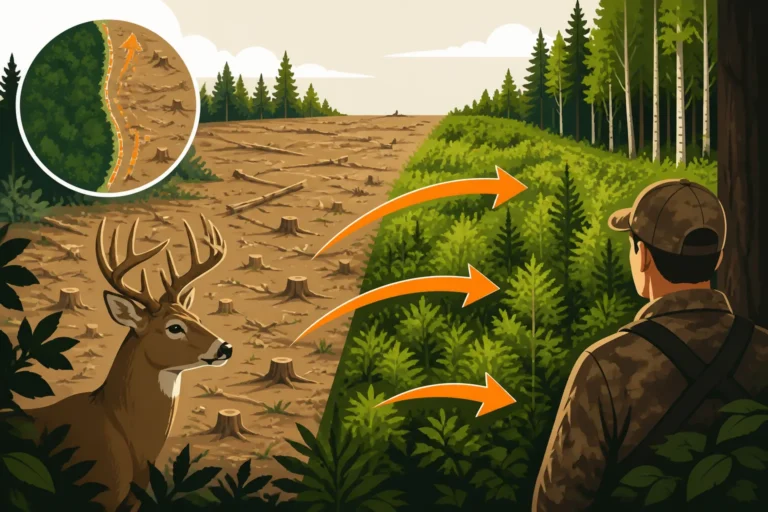
Grouse hunting in the Boundary Waters is often a by-product of deer hunting or part of a dedicated small game focus. Ruffed grouse thrive in young, regenerating forests, particularly aspen and birch stands. These habitats are often found along portage trails, old blowdowns, or the edges of clearings created by natural events like windstorms or beaver activity. When traversing portages, keep your shotgun ready and walk slowly, pausing often to listen for drumming or flushes.
Woodcock also utilize similar cover, often preferring wetter, alder-choked areas along stream banks or lake edges. Both species can provide thrilling jump-shooting opportunities. If you bring a dog, ensure it's well-trained and can handle the rugged terrain and potential for deep water. Remember to carry enough shells, as resupply is impossible. Grouse Hunting Minnesota Aspen Cover and Finding Woodcock in Alder Runs offer more specific tips for these upland birds.
Game Care and Retrieval in the Wilderness
Successfully harvesting an animal in the BWCA is only half the battle. The true test of a wilderness hunter comes with the responsibility of game care and retrieval. This is where your planning and physical endurance will truly be challenged.
Field Dressing and Meat Preservation
As soon as an animal is down, especially a deer, immediate and thorough field dressing is paramount. The internal heat will quickly spoil meat, particularly in warmer early season conditions. The gutless method, where you debone the animal in the field, is often the most practical approach for large game in the Boundary Waters. This reduces weight significantly, making it feasible to pack out the meat in sections. Ensure you have sharp knives, a bone saw (if using traditional methods), and plenty of breathable game bags.
Meat preservation involves getting the meat cooled down as quickly as possible. If temperatures are cool (below 40°F), hanging the quarters in game bags in the shade can work. In warmer weather, you might need to improvise a cooling method, perhaps by submerging bagged meat in cold lake water for short periods (ensure it's completely sealed and secure from scavengers). Field Dressing a Deer in Cold Weather offers tips that can be adapted for any season, emphasizing speed and cleanliness.
Portaging and Canoeing a Harvested Animal
Retrieving a deer from the Boundary Waters is undoubtedly the most challenging aspect of the hunt. A whole deer is incredibly heavy and bulky, making portaging it nearly impossible. This reinforces the need for the gutless method. Deboned quarters, along with the backstraps and tenderloins, can be packed into sturdy game bags and then placed into large dry bags or waterproof pack frames. This allows each hunter to carry a manageable load.
When canoeing, distribute the weight evenly in the boat. If you have multiple canoes, consider splitting the meat among them. Be mindful of balance, especially on larger lakes or during windy conditions. A deer hide, even when separated, adds significant weight and can be cumbersome. If you plan to keep the hide, ensure you have a separate plan for its transport and preservation. Retrieving a Boundary Waters Deer by Canoe is a must-read for anyone considering this challenge, offering practical advice from seasoned paddlers.
Respecting the BWCA Wilderness Ethic
Hunting in the Boundary Waters is a privilege, and with that privilege comes a profound responsibility to uphold the wilderness ethic that defines this unique area.
Leave No Trace Principles
The foundational principle of the Boundary Waters is "Leave No Trace." This means packing out everything you pack in, including all trash, spent shell casings, and any non-biodegradable waste. Bury human waste properly (6-8 inches deep, 200 feet from water, camp, or trails). Use existing campsites and fire rings whenever possible. When processing game, spread out the entrails and carcass remains away from campsites, portages, and water sources to allow for natural decomposition and to minimize attracting scavengers to heavily used areas.
Minimize your impact on vegetation. Don't cut live trees for firewood; use deadfall. Avoid building structures or leaving permanent markers. The goal is for future visitors to experience the wilderness as if you were never there. Your actions directly contribute to the preservation of this special place for everyone, including the wildlife.
Minimizing Hunter Impact and Ethics
Hunting in the BWCA should be done with the utmost respect for the resource and other wilderness users. While you may have a hunting permit, others are there for fishing, paddling, or simply enjoying nature. Be mindful of noise, especially during the quiet hours. Practice safe shooting habits, always knowing your target and what lies beyond it, as hikers or other paddlers could be in unexpected places.
Ethical hunting means making every effort to ensure a clean, humane kill and to recover any animal you shoot. Tracking wounded game can be incredibly difficult in thick BWCA cover and over long distances. Develop your marksmanship skills thoroughly before your trip. Always be prepared for a challenging recovery. By adhering to these principles, you ensure that the tradition of hunting in the Boundary Waters remains a respected and sustainable activity for generations to come. Hunting Boundary Waters Canoe Country Deer offers a broader perspective on the overall experience.
Disclaimer
This article is for general informational purposes only and does not constitute professional advice. Laws, prices and regulations vary by location and change over time. Consult a qualified professional for guidance on your specific situation.