Entry Points Into the Boundary Waters
One of the most profound challenges, and indeed, one of the greatest rewards, for a Minnesota hunter is venturing into the vast, untouched wilderness of the Boundary Waters Canoe Area Wilderness (BWCAW). Many folks are intimidated by the permit system, the lack of motorized access, and the sheer scale of the place, wondering where to even begin their adventure. This guide aims to demystify the process, walking you through the critical entry points, the permit process, and how to effectively plan your hunting trip into this iconic Minnesota landscape.
Understanding the Boundary Waters Canoe Area Wilderness (BWCAW)
The Boundary Waters isn't just another parcel of public land; it's a designated wilderness area spanning over a million acres along the Canadian border in northeastern Minnesota. It’s part of the larger Superior National Forest and is renowned for its interconnected lakes, rivers, and dense forests. For hunters, this means an unparalleled opportunity to pursue game in a truly wild setting, far removed from road noise and the typical pressures of road-accessible public land. However, its wilderness designation also comes with specific rules and expectations that are crucial to understand before you even think about packing a canoe.
What Makes the BWCAW Unique for Hunters?
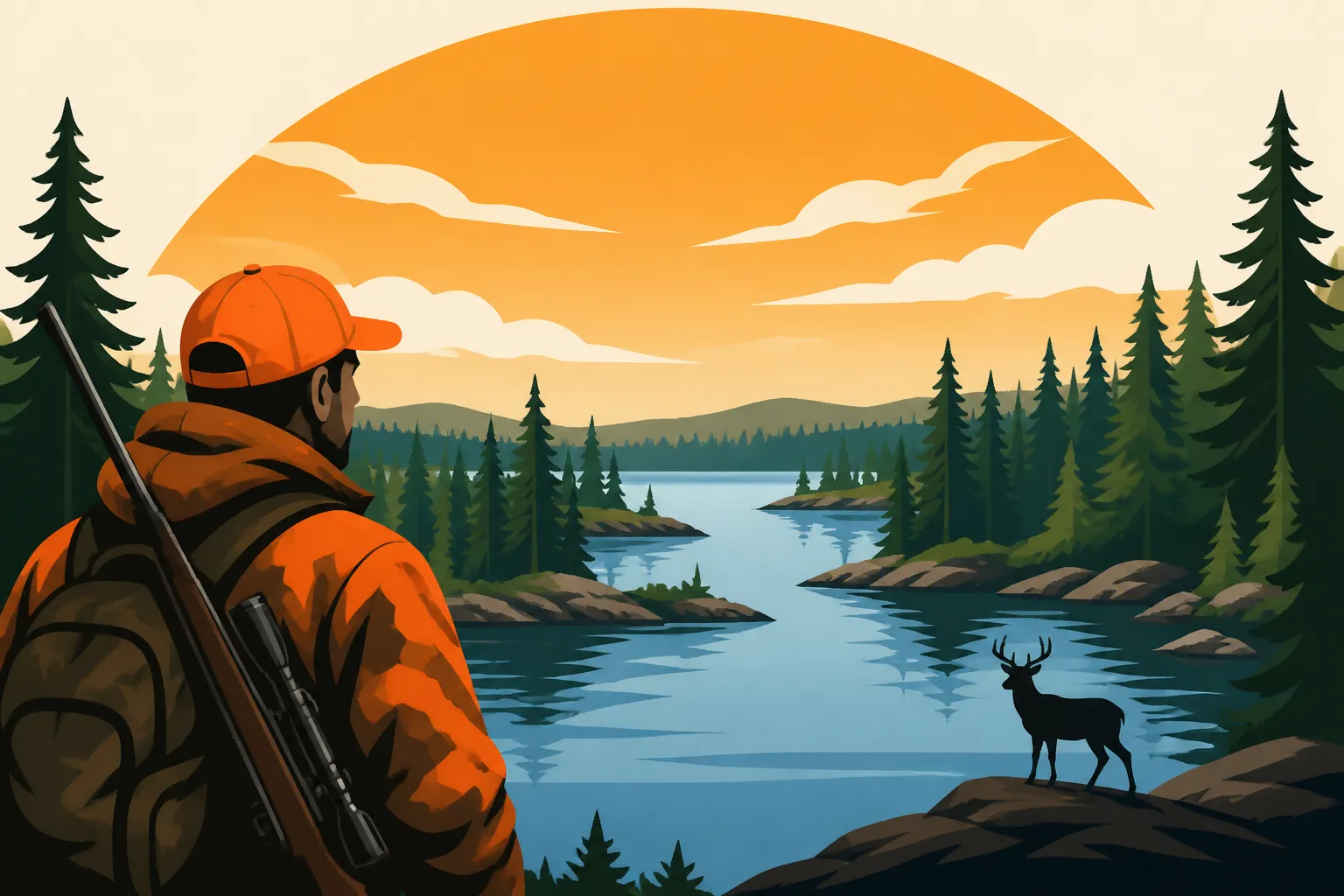
Imagine slipping your canoe into a glassy lake at dawn, the only sounds being the dip of your paddle, the cry of a loon, and maybe the distant drumming of a ruffed grouse. That's the BWCAW experience. This isn't a place where you'll find extensive logging roads or vast parking lots. Access is primarily by canoe, and portaging is a way of life, connecting you from one lake to the next. For hunters, this translates to incredibly low pressure beyond the first few portages from an entry point. You're hunting the same deer, bear, and grouse that rarely, if ever, encounter humans. The challenge is immense, requiring self-sufficiency and a solid understanding of navigation and outdoor survival, but the reward of harvesting an animal deep in the wilderness is truly special. The game here isn't necessarily larger, but it's wilder, often less wary, and the experience of pursuing it in such pristine surroundings is something that stays with you forever.
Hunting Regulations Within the Wilderness
While the BWCAW is a federal wilderness area, state hunting regulations still apply. This means you need your valid Minnesota hunting licenses for whatever species you're pursuing. However, the methods of hunting are restricted to align with the wilderness ethic. For instance, motorized vehicles, including ATVs, boats with gas motors, and even electric trolling motors, are largely prohibited inside the wilderness boundary. You'll be relying on paddles, portaging wheels (on designated portages), and your own two feet. This commitment to non-mechanized travel is a huge part of the BWCAW experience. It means scouting, travel, and game retrieval will be physically demanding, but it also preserves the solitude and wildness that draws many hunters here. Before heading out, it's always wise to review the specific regulations for Hunting the Boundary Waters Canoe Area to ensure full compliance. Remember, packing out your game means a lot of trips over those portages, so planning for meat care and transport is paramount.
Navigating the Permit System and Quotas
Unlike many other public hunting areas where you simply show up and start hunting, the BWCAW requires a permit for any overnight stay or for day-use trips in certain popular areas during peak season. This permit system is designed to manage visitor impact, maintain the wilderness character, and distribute use evenly across the many entry points. Failing to secure the correct permit before your trip can lead to fines and a ruined hunting adventure. It's the gatekeeper to the wilderness, and understanding its nuances is non-negotiable.
Types of Permits and Application Process
There are primarily two types of permits for the BWCAW: overnight permits and day-use permits. For hunting, you'll almost certainly need an overnight permit, as day trips into remote hunting grounds are generally impractical. These permits are issued for specific entry points, dates, and group sizes.
The process for obtaining an overnight permit typically begins well in advance of your desired trip. Reservations usually open in late January for the upcoming quota season (May 1st through September 30th). While the hunting seasons often fall outside the busiest summer months, it's still crucial to apply early if your hunt overlaps with the quota season, especially if you have a popular entry point in mind or are planning a trip during a busy shoulder season like early fall. You'll typically apply online through the official recreation permit website, selecting your desired entry point, entry date, and exit date. You'll also need to designate a permit holder and an alternate. There's a small non-refundable reservation fee, and then a recreation use fee per person. For hunts outside the quota season (e.g., late fall deer hunting, winter trapping), you'll typically need a self-issued permit that you pick up at a ranger station or a designated permit box near an entry point. These don't have quotas, but you still need to fill them out and carry them with you. For a detailed breakdown, check out Permit Rules for the Boundary Waters.
Understanding Quota Periods and Availability
The "quota season" runs from May 1st to September 30th. During this time, each entry point has a specific number of groups allowed to enter each day. This is to prevent overcrowding and preserve the solitude of the wilderness. If you're planning a early archery hunt in September, for instance, you'll be subject to these quotas, and popular entry points can fill up within minutes of the reservation window opening. It's highly competitive, much like applying for a coveted lottery tag.
Outside of the quota season, from October 1st to April 30th, the permit system shifts to a self-issued basis. This is often when many hunting opportunities arise, particularly for late-season deer and grouse. While you don't need to compete for a spot, you still must pick up and carry a self-issued permit. These are usually found in kiosks at major entry points or at Superior National Forest ranger stations. This change means less planning stress for availability, but it also means dealing with potentially harsher weather conditions, colder water, and shorter daylight hours. Always check the specific entry point details, as some require specific access permits even outside the main quota season. Using tools like onX Hunt to scout potential access routes and verify public land ownership can also provide a distinct advantage in navigating these regulations and finding suitable hunting grounds.
Popular Entry Points by Region
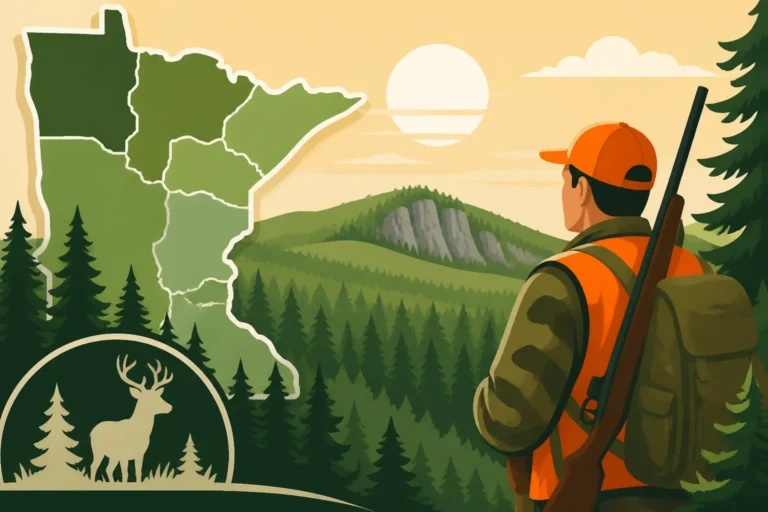
The BWCAW is vast, with over 70 official entry points scattered along its perimeter. Choosing the right one depends on several factors: the species you're targeting, your preferred mode of travel, the length of your trip, and the level of challenge you're seeking. Broadly, these entry points can be grouped into eastern, central, and western access areas, each offering a slightly different wilderness experience and hunting opportunity.
Eastern Entry Points: Grand Marais and Gunflint Trail Access
The eastern side of the BWCAW is primarily accessed via the iconic Gunflint Trail, which winds northwest from Grand Marais. This area is characterized by deep, clear lakes, rocky shorelines, and dense conifer forests mixed with birch and aspen. It’s an excellent region for pursuing grouse, particularly ruffed grouse in the mixed aspen cuts, and offers opportunities for bear, especially if you're willing to venture deep. Deer hunting can be productive, though the population density might be lower than in farmland areas.
Popular entry points along the Gunflint Trail include Sag Lake (Entry Point 54), which offers access to huge waters and long portages, ideal for those seeking extreme solitude, and Poplar Lake (Entry Point 47), which provides a good balance of paddle-in and portage-out options to reach good cover. These eastern entry points often feature more elevation changes, rugged terrain, and deeper, colder lakes. Outfitters in Grand Marais and along the Gunflint Trail can provide canoe rentals, shuttles, and invaluable local knowledge. If you're looking for a true wilderness experience with stunning scenery and challenging but rewarding hunting, the eastern side is a fantastic choice. Just be prepared for potential strong winds on the larger lakes and colder conditions due to the proximity to Lake Superior. For those planning a very deep push, understanding Motorized Portage Rules in the Boundary Waters can be crucial for selecting an appropriate route, even if it means sticking to paddle-only sections.
Central Entry Points: Ely Area Access
The town of Ely is often considered the gateway to the BWCAW and hosts a high concentration of popular entry points on the central-southern edge of the wilderness. This region tends to have a mix of larger lakes and smaller, marshy interconnected waterways, offering diverse habitat. It's a prime area for deer and black bear, with the mixed forests providing excellent cover and food sources. Grouse populations are generally healthy here as well, especially in areas with regenerating aspen.
Entry points like Lake One (Entry Point 30), Kawishiwi Lake (Entry Point 37), and Fall Lake (Entry Point 24) are incredibly popular due to their accessibility and the variety of routes they offer. Lake One, for example, is a chain of lakes that allows for relatively easy travel deep into the wilderness, making it a favorite for those with limited time but a desire to get away from the crowds quickly. Fall Lake, being one of the few entry points allowing a limited amount of motorboat use on the lake itself (up to a certain point), can be a good option for those looking to shave off some paddling time before portaging into the interior. Ely boasts numerous outfitters who can fully equip you, provide detailed maps, and offer advice on current conditions and game movement. This central region often sees more visitor traffic, so selecting your dates and planning your route to avoid the most popular corridors is key to finding solitude, especially during archery season.
Western Entry Points: Crane Lake and Ash River Access
Moving further west along the BWCAW boundary, you'll find entry points accessed via Crane Lake and Ash River, often considered part of the larger Voyageurs National Park area. These entry points lead into the western edge of the wilderness, characterized by larger, flowage lakes, significant river systems, and more expansive marsh and bog complexes. This area can be fantastic for waterfowl hunting, as it ties into the same migratory pathways as the national park, and also offers excellent bear and deer opportunities, particularly around the fringes of the wilderness.
Entry points like Prairie Portage (Entry Point 21), which is a key access point to Basswood Lake, and Mudro Lake (Entry Point 23) provide access to a labyrinth of waterways. Basswood Lake, being one of the largest lakes in the BWCAW, offers a different kind of challenge and opportunity. These western entry points sometimes require a tow boat service for the initial travel across very large lakes, which can save a lot of paddling time if you're aiming for a very deep interior hunt. This can be a practical option for Packing a Canoe for a Boundary Waters Hunt with a lot of gear. Hunters here should be prepared for varying water levels, particularly in the river systems, and understand the difference between BWCAW regulations and those of neighboring Voyageurs National Park, as some rules differ. The terrain here can be flatter and wetter in places, with extensive spruce and tamarack bogs, making for unique hunting conditions.
| Entry Point Name | Primary Access Town | Typical Travel Method | Key Features for Hunters |
|---|---|---|---|
| Saganaga Lake (EP 54) | Grand Marais | Paddle/Portage | Remote, deep wilderness. Bear, grouse. |
| Poplar Lake (EP 47) | Grand Marais | Paddle/Portage | Mixed forest, good for grouse. Bear. |
| Lake One (EP 30) | Ely | Paddle/Portage | Chain of lakes, good interior access. Deer, bear, grouse. |
| Kawishiwi Lake (EP 37) | Ely | Paddle/Portage | Less crowded than Lake One. Deer, bear. |
| Fall Lake (EP 24) | Ely | Motor (limited)/Paddle | Shorter paddle to wilderness. Deer, bear, waterfowl fringe. |
| Prairie Portage (EP 21) | Crane Lake | Tow/Paddle/Portage | Gateway to Basswood Lake. Bear, deer, waterfowl. |
| Mudro Lake (EP 23) | Ely | Paddle/Portage | Access to wetlands and rivers. Deer, bear, grouse. |
Planning Your Trip: Logistics and Considerations
Once you've wrapped your head around the permit system and identified a few potential entry points, the real fun begins: planning your trip. A successful BWCAW hunt isn't just about bagging game; it's about a well-executed expedition that respects the wilderness and ensures your safety. This involves meticulous route planning, smart outfitting, and a deep understanding of what you're getting into.
Trip Duration and Route Planning
The duration of your BWCAW hunting trip will heavily influence your route. Are you looking for a quick three-day grouse hunt or an ambitious seven-day deep wilderness deer pursuit? Short trips might focus on areas reachable within a few portages, while longer trips allow you to penetrate deeper, leaving the majority of other visitors behind. When planning your route, consider:
- Portage Lengths and Frequency: Not all portages are created equal. Some are short, well-maintained paths, while others are long, rugged, and muddy. Factor in the number of trips you'll need to make across each portage (typically 2-3 trips per person for all gear). This is where tools like onX Hunt or GoHunt become invaluable; they can often show topography and even detailed portage routes, helping you anticipate the terrain.
- Water Travel Distances: Paddling several miles against a headwind can be exhausting. Map out your daily travel goals realistically, considering weather conditions and your group's fitness levels.
- Game Movement and Habitat: Use aerial photos and topographic maps to identify likely game habitat, such as mixed forest edges for deer, young aspen stands for grouse, or berry patches for bear. Scout these areas virtually before you go. The Minnesota DNR's Recreation Compass also offers valuable layers for finding public land and different habitat types.
- Contingency Plans: Always have alternate routes or bailout points in mind in case of severe weather, injury, or unexpected challenges. The wilderness can be unpredictable.
Remember that game retrieval in the BWCAW means hauling your harvest back across the same portages and waterways. For a deer, this could mean quartering the animal and making multiple trips, a task made even more challenging by difficult terrain. Planning your route with this in mind is crucial. Consider how far you're willing to drag or carry meat. Retrieving a Boundary Waters Deer by Canoe is a skill worth understanding before you go.
Outfitting and Logistics
Proper outfitting is paramount for safety and comfort in the BWCAW. This isn't a casual car camping trip. Every item you bring must be carefully considered for its weight, utility, and durability.
- Canoe Selection: Choose a robust canoe that can handle portages and potentially rough water. Lightweight kevlar canoes are a godsend for long portages. For a comprehensive guide, refer to Canoe Hunting Boundary Waters Deer and Grouse.
- Gear for Cold and Wet: Regardless of the season, assume you'll encounter cold and wet conditions. Pack waterproof bags for all your gear. Layering is key, with wool or synthetic base layers, insulating mid-layers, and a waterproof/windproof outer shell. Your sleeping bag and tent need to be rated for temperatures colder than you expect.
- Food and Water: Plan for all meals, factoring in extra calories for physical exertion. Bring a reliable water filter or purification tablets. Remember, you'll need to cook over a fire or a backpacking stove, as open fires may be restricted during dry periods.
- Navigation: A reliable map and compass are non-negotiable, along with the skills to use them. While GPS units and phone apps like onX Hunt are incredibly helpful for Using Recreation Compass Without Cell Service or getting real-time location data, batteries die. Always have a paper backup.
- Safety Gear: A well-stocked first-aid kit, emergency shelter, fire starter, signaling device (whistle, mirror), and a repair kit for your canoe and gear are essential. Consider a satellite communication device for emergencies, as cell service is virtually nonexistent.
- Food Storage: Bear-resistant food containers or proper bear bagging techniques are crucial to protect your food and minimize human-wildlife conflicts.
Consider using a professional outfitter in Ely or Grand Marais. They can provide everything from a fully guided trip to simply renting you a canoe, paddles, PFDs, and a detailed map. Their local knowledge of entry points, routes, and current conditions can be invaluable, especially for first-timers.
Essential Gear and Resources for BWCAW Entry
Venturing into the Boundary Waters for a hunt requires a different kind of gear list than your typical deer stand hunt. Every item needs to earn its place in your pack or canoe, balancing utility with weight. You’ll be carrying everything on your back over portages, sometimes for considerable distances. Beyond the obvious hunting equipment, certain tools and resources are absolutely critical for navigating, surviving, and ultimately succeeding in this unique environment.
Navigation Tools and Apps
In the vastness of the BWCAW, getting lost isn't just an inconvenience; it can be dangerous. Your navigation setup needs to be redundant and reliable.
- Topographic Maps: These are your primary navigation tool. Waterproof, detailed topographic maps of your intended route are essential. Learn to read them before you go – understanding contour lines, water features, and portage markings is key.
- Compass: A reliable baseplate compass is fundamental. Know how to orient your map, take bearings, and follow a compass course. Practice makes perfect.
- GPS Unit/Smartphone Apps: While not a replacement for map and compass skills, a dedicated GPS unit or a smartphone running a robust mapping app like onX Hunt can be incredibly useful. These tools allow you to pinpoint your exact location, track your progress, mark waypoints (like a fresh deer track or a good grouse cover), and navigate off-trail. Many apps allow you to download maps for offline use, which is critical since there's no cell service deep in the wilderness. Having onX Layers for Minnesota Land Status can help you confirm you're within the BWCAW boundary and on public land. However, always carry a portable power bank or extra batteries; cold weather can rapidly drain electronics. For a deeper dive into these options, read GPS Units Versus Phone Apps.
- DNR Recreation Compass: While not strictly for real-time navigation in the field, the Minnesota DNR's Recreation Compass web tool is an excellent pre-trip planning resource. It helps identify public lands, WMA boundaries, and even some habitat types, which can guide your choice of entry point and general hunting area.
Packing for a Wilderness Hunt
Every ounce counts when you're portaging. Your packing list needs to be streamlined, focusing on multi-use items and lightweight solutions without compromising safety or hunting effectiveness.
- Lightweight Shelter: A backpacking tent or a sturdy tarp system suitable for the number of people in your group. It needs to be able to withstand wind, rain, and potentially snow.
- Sleeping System: A lightweight sleeping bag rated for colder temperatures than you expect, and an insulated sleeping pad for warmth and comfort.
- Cooking System: A compact backpacking stove and fuel, or a lightweight cooking pot if you plan to exclusively cook over a fire (where permitted). Don't forget basic utensils and a lightweight bowl/mug.
- Water Filtration: A reliable water filter or purifier to treat lake and river water. The BWCAW is pristine, but you should always treat your drinking water.
- First Aid Kit: A comprehensive kit capable of handling minor injuries and emergencies.
- Repair Kit: Duct tape, cordage, needle and thread, and patches for your tent/canoe can be lifesaver.
- Hunting-Specific Gear:
- Weapon: Your rifle, bow, or shotgun, ensuring it's protected from the elements. Consider a breakdown rifle or a more compact bow setup for easier canoe transport.
- Ammunition/Arrows: Only bring what you need; extra weight is a burden.
- Optics: Binoculars for spotting game, perhaps a compact rangefinder if you anticipate longer shots in more open areas.
- Game Processing Kit: Sharp knife, small game bags, and perhaps a lightweight bone saw if you're targeting deer or bear. Remember, the BWCAW is pack-it-in, pack-it-out. This includes all parts of your harvest that you don't consume or are not explicitly permitted to leave (like gut piles, in designated areas).
- Warm, Waterproof Clothing: Layering is critical. Think wool or synthetics. A good quality rain suit is non-negotiable. Don't forget a blaze orange or blaze pink vest/hat if required for the season.
- Headlamp/Flashlight: With spare batteries. Walking trails or portages after dark is dangerous without adequate light.
Remember, the goal is to pack light but be prepared for anything. This might mean making some tough choices, like leaving behind that extra lens for your camera or that second coffee mug. Every item adds weight, and every pound counts when you're making multiple trips over a portage. Think minimalist, but never sacrifice safety. Even something as seemingly simple as Grouse Hunting From a Boundary Waters Campsite requires careful consideration of gear to remain light and mobile.
Disclaimer
This article is for general informational purposes only and does not constitute professional advice. Laws, prices and regulations vary by location and change over time. Consult a qualified professional for guidance on your specific situation.