Minnesota’s Fifty-Eight State Forests
For many Minnesota hunters, the thought of finding productive public land can feel like searching for a needle in a vast, green haystack. The sheer volume of options, from tiny WMAs to massive national forests, can be truly overwhelming. This guide is here to cut through that confusion, focusing specifically on how to navigate and make the most of Minnesota's fifty-eight distinct State Forests for your next hunting adventure.
The Vastness of Minnesota's State Forests
When you look at a map of Minnesota, you see patches of green that represent public land, and many of those patches are our treasured State Forests. They're often overlooked in favor of the bigger-name national forests or more actively managed Wildlife Management Areas (WMAs), but that's a mistake. These state-managed lands offer an incredible diversity of habitat and hunting opportunities if you know how to approach them.
What Exactly is a State Forest? Beyond Just Trees
Unlike a private woodlot, a Minnesota State Forest isn't just a place where trees grow. It's a dynamic landscape managed by the Department of Natural Resources (DNR) with multiple, sometimes competing, goals. Yes, timber production is a big part of it, providing valuable wood products for our economy. But critically, these forests are also managed for recreation, including hiking, camping, snowmobiling, and, of course, hunting. Wildlife habitat is a core component of this management. Think about it: a well-managed forest that sees planned timber cuts creates a mosaic of different age classes of trees, from young saplings providing browse for deer and thick cover for grouse, to mature stands that offer nesting sites for raptors and denning opportunities for bears.
This multi-use approach means that a State Forest can feel a lot wilder and less manicured than some WMAs. You might find areas with active logging, which can temporarily disrupt a hunting spot but often creates fantastic new habitat in the long run. There are typically fewer developed facilities, meaning more remote and self-sufficient experiences. While National Forests like the Superior or Chippewa are federal lands with their own set of rules, Minnesota State Forests are managed at the state level, giving them a distinct flavor and a set of regulations specific to our state's DNR. Understanding this distinction is key to knowing what to expect when you step into one.
The Sheer Scale and Distribution: Finding Your Bearings
With fifty-eight State Forests scattered across the landscape, they range from sprawling wilderness areas in the north to smaller, more fragmented blocks nearer to agricultural country. The combined acreage is truly staggering, offering millions of acres for public use. This vastness means incredible diversity in habitat. Up north, you'll find extensive coniferous forests dominated by pine, spruce, and fir, interspersed with aspen and birch stands—perfect grouse and deer country. Think of places like the Beltrami Island State Forest, deep in the Northwest, or the Kabetogama State Forest, bordering Voyageurs National Park.
As you move south and west, the forests transition. You'll encounter more hardwood species like oak, maple, and basswood, often with brushy understories and agricultural fields nearby. Forests like the Richard J. Dorer Memorial Hardwood State Forest in southeastern Minnesota's bluff country are prime examples. Each forest has its own character, influenced by its geology, climate, and historical land use. This geographic spread means that no matter where you live in Minnesota, there's likely a State Forest within a reasonable drive, offering different hunting challenges and rewards. It encourages you to explore beyond your usual haunts and discover new territory, tailoring your pursuit to the specific ecosystem you're in.
Understanding Access and Regulations
Navigating public land isn't just about reading a map; it's about understanding the rules of the road—or, in this case, the forest. Minnesota State Forests have specific guidelines for how you can access them and what you can do once you're there. Ignoring these can lead to frustration or, worse, fines.
Vehicle Access and Forest Roads: Navigating the Labyrinth
One of the biggest advantages of State Forests is often their extensive network of forest roads and trails, which can provide excellent access to remote areas. However, not all roads are created equal. Some are graveled and well-maintained, perfect for your truck, while others might be two-track trails that are only suitable for ATVs or even just foot traffic. It's crucial to know which is which. The DNR maintains maps that show designated forest roads and trails, often delineating where motorized vehicles are permitted. Using these maps, in conjunction with a good GPS app like onX Hunt, can save you a lot of grief by preventing you from driving into a dead end or an area closed to vehicles. Many a hunter has found themselves stuck in a mud hole because they assumed a trail was a road.
Seasonal closures are also a real thing. Some forest roads might be open during dry summer months but close for winter snowmobile use or during spring thaw to prevent damage. Always check for current conditions before heading out, especially if you're venturing deep into the woods. Foot access is almost always permitted, and often, the best hunting spots are found by those willing to walk a mile or two beyond where the vehicles stop. Don't be afraid to park at a designated pull-off and hoof it, carrying your gear in. That extra effort is often the key to finding undisturbed game. Remember, finding clear access points is a skill, and it pays to know Finding Open Forest Roads for Access before you leave the pavement.
Camping and Stand Rules: Setting Up Camp and Stands
For hunters who want to immerse themselves fully in the experience, camping within State Forests is a fantastic option. Many State Forests offer rustic, dispersed camping opportunities where you can set up a tent pretty much anywhere, as long as you're not blocking a road or damaging sensitive habitat. This is different from a developed campground, giving you a truly wild experience. Of course, always follow Leave No Trace principles: pack out everything you pack in, minimize your impact, and respect any fire restrictions. Some State Forests also have designated primitive campsites, which might have a fire ring or a picnic table but are still far from a full-service RV park.
When it comes to putting up your treestand or ground blind, there are also rules to be aware of. Generally, portable stands are allowed, but permanent structures are not. This means no screwing steps into trees or leaving stands up year-round. It's common practice to remove your stand after the season or at least by a certain date. Always check the specific regulations for the State Forest you plan to hunt, as rules can vary slightly. For more detailed guidance, you might want to look into Camping Rules on Minnesota State Forest Land or Treestand Rules on Minnesota Public Land to ensure you're in compliance and setting yourself up safely and responsibly. Respecting these rules not only keeps you legal but also ensures these precious resources remain open and accessible for all hunters for years to come.
Key Hunting Opportunities by Region
Minnesota's State Forests truly offer a smorgasbord of hunting opportunities, but the target species and tactics often vary dramatically depending on which region you're in. It's not a "one size fits all" situation, and understanding the regional differences can make or break your hunt.
Northern Forests: Deer, Grouse, and Bear Country
When most people picture Minnesota's State Forests, they're probably thinking of the sprawling, rugged landscapes of the northern half of the state. These vast tracts of conifer and aspen are quintessential big woods hunting grounds. Deer here tend to be a little less numerous than in prime farmland but often grow older and bigger, making them a highly sought-after trophy. The dense cover means you're often hunting at close quarters, relying on still-hunting or stand placement along natural funnels. You'll want to bone up on strategies like Hunting Deer in Deep Northern Minnesota Snow when the flakes start flying.
But deer are just one part of the equation. Northern State Forests are legendary for ruffed grouse. The constantly regenerating aspen stands, thanks to timber management, create perfect grouse habitat. You can spend days walking old logging trails and clear-cuts, flushing birds as you go. Focus on the younger cuts, typically 8-20 years old, for the best action, as detailed in How Old a Cut Should Be for Grouse. Bear hunting is another major draw, especially in the Forest Zone. These remote areas offer prime habitat for black bears, whether you're drawing a lottery tag for a bait hunt or pursuing them with hounds. Forests like the Nemadji State Forest or the George Washington State Forest are prime examples of this rugged, multi-species paradise. For hunters seeking a true wilderness feel and a diverse bag, the northern State Forests are hard to beat.
Central and Southern Forests: Overlooked Whitetail and Turkey Gems
While the northern forests get a lot of attention, the State Forests in central and southern Minnesota shouldn't be overlooked. These areas often comprise smaller, more fragmented blocks of timber, frequently bordered by agricultural fields or private land. This unique landscape creates excellent opportunities, particularly for whitetail deer and wild turkeys. Deer here often benefit from abundant food sources in nearby farm fields, leading to healthy populations and impressive antler growth. The challenge lies in pinpointing the travel corridors and bedding areas within the public forest blocks that offer sanctuary from hunting pressure.
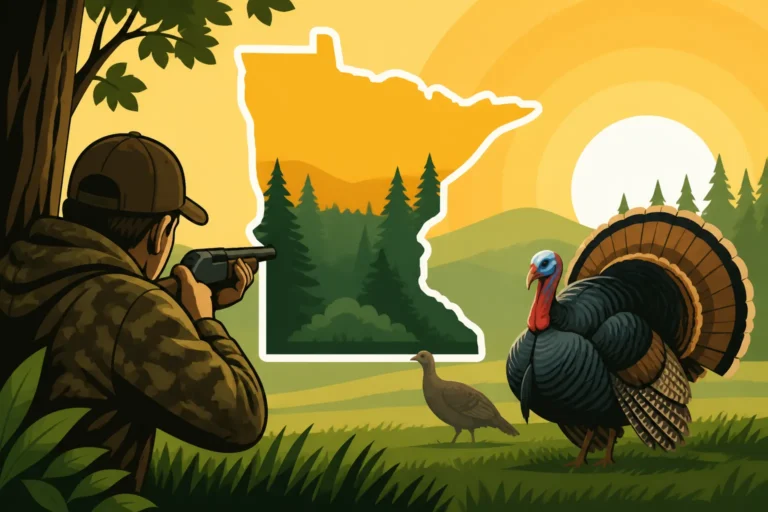
Consider forests like the Sand Dunes State Forest near Elk River or the Pillsbury State Forest in the Brainerd Lakes area. These areas, while smaller, can hold surprisingly good numbers of deer, especially during the rut when bucks are on the move. Hunting the Rut in Late October can be especially productive as deer utilize these timber blocks for cover and movement. Wild turkeys, which have made a remarkable comeback across the state, thrive in these mixed forest and farm landscapes. The mature hardwoods in places like the Richard J. Dorer Memorial Hardwood State Forest offer excellent roosting habitat, and the adjacent fields provide crucial feeding grounds. If you're looking to fill a turkey tag, these forests can be absolute gems. While they might not offer the vast, endless wilderness of the north, their proximity to population centers and rich habitat make them incredibly productive and often less intimidating for new hunters or those looking for a quick day trip.
Mapping and Scouting for Success
Hunting Minnesota's State Forests without a good mapping strategy is like trying to navigate a maze blindfolded. The sheer size and often subtle terrain changes demand that you go in prepared, both with the right tools and a keen eye for what makes good habitat.
Essential Tools for Navigation: Beyond a Paper Map
Gone are the days when a crumpled paper map was your sole guide. While a physical map is still a fantastic backup, today's technology offers an unparalleled advantage. GPS units and, more commonly, mapping apps on your smartphone have revolutionized how we interact with public land. Apps like onX Hunt have become indispensable for countless hunters. They layer satellite imagery, topo maps, and crucially, property boundaries directly onto your device. This allows you to instantly see if you're on public land, who owns the adjacent private parcel, and even identify subtle terrain features that might hold game. You can mark waypoints for stand locations, rub lines, or water sources, creating a digital breadcrumb trail of your scouting efforts.
Another excellent tool is the Minnesota DNR's Recreation Compass, which can be invaluable for finding public access points and understanding land classifications. While it's vital to know Using Recreation Compass Without Cell Service because signal can be spotty in remote forest areas, downloading maps for offline use on apps like onX Hunt is a game-changer. These tools allow you to not only navigate in real-time but also to conduct extensive virtual scouting from the comfort of your home. You can spend hours poring over aerial photos, identifying potential funnels, bedding areas, and food sources before ever setting foot in the woods. This blend of traditional map reading with modern digital tools is the ultimate advantage for any serious State Forest hunter.
Identifying Productive Habitat: Finding the Niche
Once you have your mapping tools sorted, the real work begins: learning to interpret what you see, both on the screen and on the ground. Productive habitat in a State Forest often comes down to edges, changes in cover, and subtle terrain features that channel animal movement. When looking at aerial photos, keep an eye out for timber cuts of varying ages. Young cuts provide thick security cover and browse, drawing deer and providing prime habitat for grouse. Older cuts, transitioning into mature timber, might hold less game but offer good travel corridors. Reading Aerial Photos for Big Woods Deer can help you spot these crucial habitat transitions.
Look for natural funnels where two different cover types constrict animal movement, or where terrain features like ridges and swamps pinch down. A ridge that runs between two low, swampy areas, for example, is almost guaranteed to be a travel corridor for deer. Similarly, the edge of a cattail slough bordering a stand of oaks can be a hotspot. Reading a Ridge for Northern Minnesota Deer can give you insights into how deer use these features. Pay attention to water sources and any oak stands, especially in hard mast years, as these can be magnets for deer and turkeys. Scouting on the ground before the season opens is also critical. Look for sign: tracks, droppings, rubs, scrapes, and feeding areas. The more you connect what you see on your map with what you find in the woods, the more successful you'll be.
Challenges and Considerations for State Forest Hunters
While State Forests offer incredible hunting potential, they also present their own set of challenges. Being aware of these and having strategies to overcome them will significantly increase your odds of a successful and enjoyable hunt.
Hunting Pressure and Finding Seclusion: Escaping the Crowds
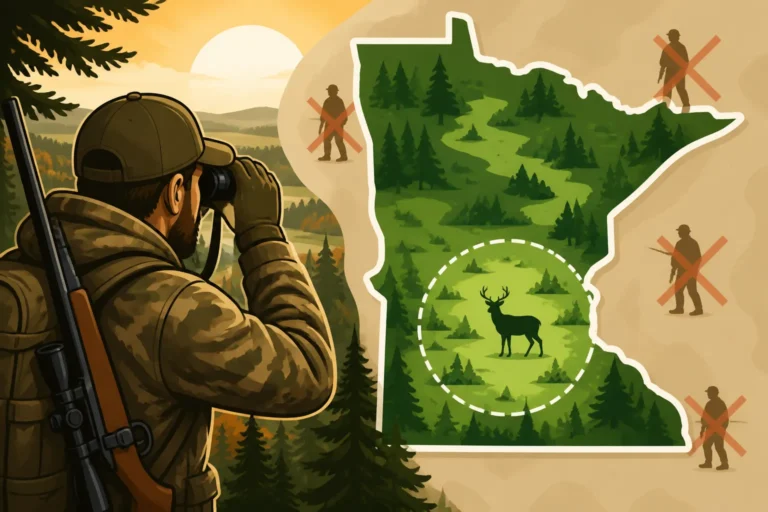
Let's be real: public land means other hunters. State Forests, especially those closer to population centers or with easy access, can see significant pressure during peak seasons. There's nothing more frustrating than having your carefully planned morning hunt ruined by another hunter walking through your setup. However, this challenge isn't insurmountable; it just requires a different approach. The key to finding seclusion often lies in one simple principle: go where others won't. This often means walking farther than most people are willing to, or navigating more difficult terrain like swamps, dense brush, or steep hills. Hunting Pressure on Minnesota Public Land is a real factor, but those willing to push beyond the initial layers of hunters will often find untouched pockets of game.
Another strategy is to hunt during less popular times. Weekdays are almost always less crowded than weekends. If you're flexible, consider hunting mid-week during the firearm season, or even during the archery or muzzleloader seasons when hunter numbers are generally lower. Targeting areas that require a canoe or a significant hike can also weed out a lot of competition. Sometimes, even a small, overlooked parcel of State Forest surrounded by private land can hold excellent hunting, as deer will often retreat there for security. Don't be afraid to think outside the box and put in the extra legwork; the rewards of finding a truly secluded spot can be immense.
Timber Management and Its Impact: Adapting to Change
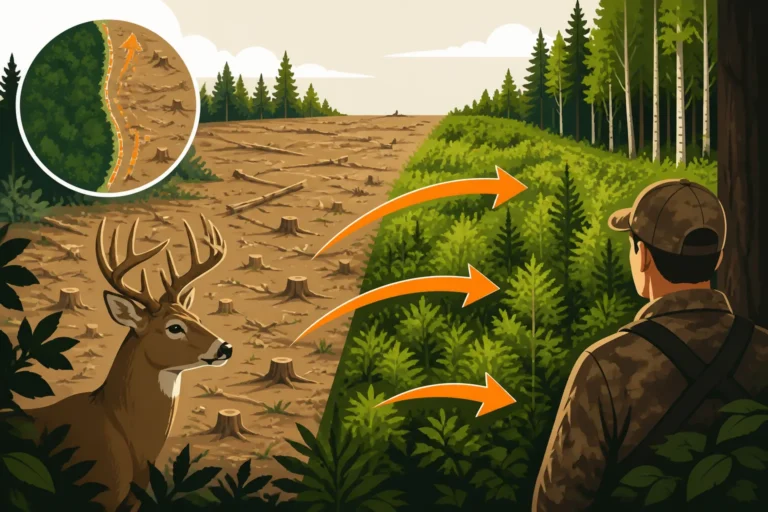
One of the unique aspects of hunting State Forests is the active timber management that often occurs. Logging operations are a regular part of forest health and economic activity, but they can dramatically alter the landscape from year to year. While a fresh clear-cut might initially look like a barren wasteland to a hunter, it's actually the start of new, vibrant wildlife habitat. Young saplings provide incredible browse for deer and cover for grouse, pheasants, and rabbits. Old logging roads often become natural travel corridors for animals.
The challenge is adapting to these changes. An area you hunted successfully last year might be clear-cut this year, or vice-versa. This means scouting regularly, even outside of hunting season, is crucial. Pay attention to DNR notifications about planned timber sales or recent cuts. Sometimes, a "disrupted" area due to logging might actually offer a fantastic new hunting opportunity you hadn't considered. For example, a recent cut might push deer out temporarily, but once the new growth starts, it can become a magnet. Conversely, a stand of mature timber that was once open might now be regenerating and too thick to hunt effectively. Understanding how Timber Cuts and Where Deer Move After a logging operation can really help you adapt and find new productive ground. Embrace the change, learn to read the landscape, and you'll find that State Forests offer a continually evolving and exciting hunting environment.
Exploring Minnesota's Diverse State Forests
To give you a better idea of the variety available, here’s a quick overview of some notable State Forests and what they offer. This isn't an exhaustive list, but it highlights the diverse opportunities across the state.
| State Forest Name | Location (General Region) | Primary Game Species | Key Features / Terrain | Notes for Hunters |
|---|---|---|---|---|
| Nemadji State Forest | Northeast (Carlton County) | Deer, Bear, Grouse, Woodcock | Large, rugged, mix of conifer, aspen, wetlands. Extensive trail system. | Great for remote hunting; be prepared for challenging terrain. |
| Pillsbury State Forest | Central (Cass County) | Deer, Turkey, Grouse | Rolling hills, hardwoods, pines, many small lakes. | Good for a variety of game; can be busy near Brainerd. |
| Richard J. Dorer Memorial Hardwood State Forest | Southeast (multiple counties) | Deer, Turkey | Steep bluffs, hardwood ridges, deep valleys. Often fragmented. | Excellent for bluff country deer and turkeys; scout for access and permission. |
| George Washington State Forest | North Central (Itasca County) | Deer, Bear, Grouse, Waterfowl | Vast, remote, mix of conifer, aspen, extensive wetlands and lakes. | True wilderness feel; good for extended trips. |
| Savanna State Forest | North Central (Aitkin County) | Deer, Bear, Grouse, Waterfowl | Large peatlands, upland islands, mix of spruce, tamarack, aspen. | Unique bog habitat, can be tough going; good for waterfowl in certain areas. |
| St. Croix State Forest | East Central (Pine County) | Deer, Bear, Grouse, Woodcock | Mix of pine, hardwood, aspen. Borders St. Croix River. | Accessible from Twin Cities; good general hunting. St. Croix State Forest Hunting |
| Paul Bunyan State Forest | North Central (Hubbard County) | Deer, Grouse | Rolling topography, diverse timber, numerous lakes. | Can experience pressure due to proximity to resorts; walk deeper. |
| Rum River State Forest | Central (Isanti/Mille Lacs) | Deer, Turkey, Waterfowl | River bottomlands, oak savannas, wetlands. | Good for finding deer in river corridors; waterfowl in sloughs. |
| Land O'Lakes State Forest | North Central (Cass County) | Deer, Bear, Grouse | Heavily forested, rolling hills, many small lakes and wetlands. | Offers a more remote feel compared to some other central forests. |
Ultimately, Minnesota's fifty-eight State Forests are an incredible resource for hunters. They offer diverse landscapes, plentiful game, and the chance to truly get away from it all, if you're willing to put in the effort. By understanding their unique characteristics, learning to read the landscape with modern tools, and adapting to their dynamic nature, you can unlock a lifetime of hunting adventures in these wild, beautiful places.
Disclaimer
This article is for general informational purposes only and does not constitute professional advice. Laws, prices and regulations vary by location and change over time. Consult a qualified professional for guidance on your specific situation.