How Many Wildlife Management Areas Minnesota Has
For any hunter in Minnesota, the sheer amount of public land can feel like both a blessing and a bewildering maze. You know there are places to go, but actually figuring out where to go, what rules apply, and how to make sense of the boundaries can be incredibly frustrating. This guide is here to untangle the fantastic resource that is Minnesota's Wildlife Management Area (WMA) system, specifically focusing on how many there are and how you can truly leverage them for your next hunting adventure.
Unpacking Minnesota's Wildlife Management Areas: What Are They Really?
When you hear "Wildlife Management Area" in Minnesota, it's easy to just think of it as "more public land," but these areas are actually quite distinct in their purpose and management. Unlike state forests or national forests, which often have multiple uses like timber harvesting, recreation, and even mining, WMAs are primarily dedicated to wildlife habitat and public hunting, fishing, and trapping. This singular focus means they are managed intensely with game species and their ecosystems in mind, making them prime spots for hunters.
The Purpose Behind the WMA Program
The driving force behind Minnesota's WMA program is to acquire, develop, and maintain habitat for wildlife, especially game species. This means active management. You'll see evidence of this everywhere: prescribed burns to regenerate prairies, timber stand improvements to create diverse forest structures, wetland restoration projects, and food plots specifically designed to benefit deer, pheasants, turkeys, and waterfowl. It's not just land set aside; it's land being actively shaped to be a productive home for critters and a robust hunting ground for us. They’re a critical piece of the puzzle when you consider How Many Acres of Public Land Minnesota Has. This intensive management sets WMAs apart and is why they often hold such concentrated wildlife populations compared to some other types of public land.
Who Manages These Lands and How
These invaluable parcels are managed by the Minnesota Department of Natural Resources (DNR), specifically the Section of Wildlife. This central oversight ensures a consistent approach to habitat work and public access, though specific rules might vary slightly by individual WMA or region. Understanding How Minnesota WMAs Are Managed can give you a real edge, because knowing that a particular WMA is managed for pheasants, for example, means you'll likely find more grassland and food plots than if it were managed primarily for forest deer. These management decisions directly influence what species you'll find and the best tactics to employ there.
Navigating the Mosaic: Finding and Understanding Minnesota's WMAs
Alright, let's get to the big question: just how many of these dedicated hunting havens does Minnesota boast? Prepare to be impressed: Minnesota has well over 1,600 Wildlife Management Areas scattered across the state. Yes, you read that right – over sixteen hundred individual parcels, ranging from just a few acres to thousands, all managed for wildlife. This incredible number represents a massive commitment to public hunting, but it also presents a challenge: how do you find the right one for your hunt?
The Sheer Scale: What 1,600+ WMAs Means for Hunters
Having over 1,600 WMAs means Minnesota offers an incredible diversity of hunting opportunities. You'll find WMAs in the dense forests of the north, alongside prairie potholes in the west, tucked into agricultural landscapes in the south, and even within the rugged bluff country of the southeast. This extensive network means that no matter what kind of hunting you're passionate about – deer, turkeys, pheasants, grouse, ducks, or even rabbits – there’s likely a WMA suited to your quarry not too far away. The challenge, of course, is sifting through that immense number to pinpoint the exact spot that holds promise. This is where modern mapping tools become your best friend.
Tools for Discovery: From Maps to Apps
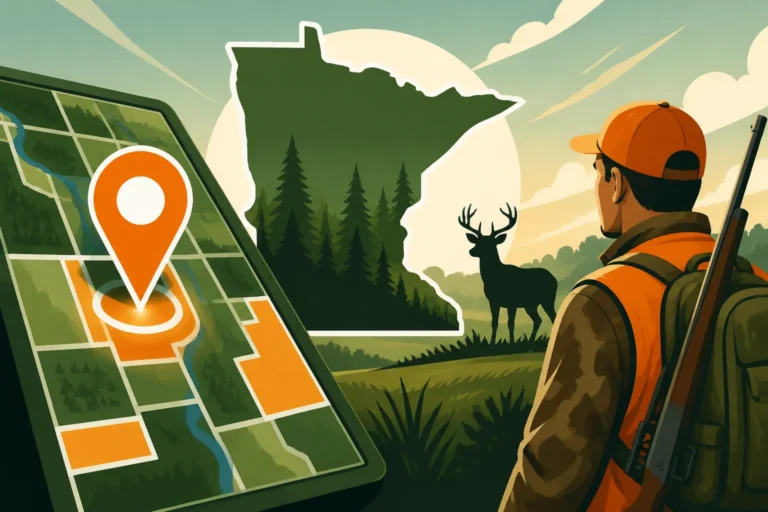
Finding these WMAs and understanding their boundaries used to involve pouring over paper maps, but thankfully, technology has made it much easier. The DNR’s own online tools, like the Using the Recreation Compass Map Tool, are invaluable for locating WMAs, checking their boundaries, and even seeing what specific regulations might apply. For more detailed, on-the-ground navigation, many hunters rely on robust mapping applications. Platforms like onX Hunt have revolutionized how we interact with public land. With onX Hunt, you can overlay WMA boundaries directly on your phone, see private land inholdings, track your movements, and even mark potential stand sites or bird coverts. This kind of precise information takes the guesswork out of hitting the property line or inadvertently trespassing. While other resources like GoHunt offer valuable information for a broader scope of hunting, for pinpointing those WMA boundaries and scouting digitally, a dedicated mapping app is indispensable.
Here's a quick look at how different types of WMAs often specialize in certain game species:
| WMA Type | Primary Habitat Features | Typical Game Species Found | Common Management Practices |
|---|---|---|---|
| Forest | Hardwood forests, conifer stands, clear-cuts | Deer, Grouse, Bear, Woodcock | Timber harvest, prescribed burns, food plots |
| Prairie/Grassland | Native prairie, CRP fields, food plots | Pheasant, Deer, Turkey, Rabbit | Prescribed burns, noxious weed control, food plot planting |
| Wetland/Marsh | Cattail sloughs, potholes, shallow lakes | Waterfowl, Deer, Muskrat | Water level management, dike maintenance, nesting island creation |
| River Bottom | Floodplain forests, oxbows, sloughs | Deer, Turkey, Waterfowl, Squirrel | Selective timber harvest, invasive species control |
| Blufflands | Steep hills, oak savannah, small fields | Deer, Turkey, Grouse | Oak regeneration, prescribed burns, access trail maintenance |
This table isn't exhaustive, of course, but it illustrates how varied these areas can be and why a bit of research before you go is always a good idea. Knowing what to expect means you can pack the right gear and have a more productive hunt.
What to Expect: Hunting Opportunities in Minnesota's WMAs
With such a vast and diverse network, WMAs offer a fantastic array of hunting opportunities. From the whitetail hunter seeking mature bucks to the upland enthusiast chasing pheasants, there's a good chance a WMA holds what you're looking for. However, "public land" doesn't mean "no rules," and understanding the specific regulations and potential pressures is key to a successful outing.
Common Game Species and Seasonal Access
WMAs are designed to support a wide range of game. You'll find excellent deer hunting in many WMAs, especially those in forested regions or adjacent to agricultural fields. Late-Season Food Sources for Minnesota Whitetails are often specifically planted or encouraged in WMAs to hold deer. Upland birds like pheasants and grouse thrive in WMAs with appropriate cover, and waterfowl hunters will find numerous wetland WMAs specifically managed for ducks and geese. Turkeys are increasingly common in bluff country and mixed-habitat WMAs, and even bear hunters can find opportunities in northern WMAs.
Access is generally liberal, following statewide hunting seasons and regulations. However, some WMAs might have specific dates or methods restrictions, especially those close to population centers or with unique ecological considerations. Always double-check the specific WMA regulations on the DNR website or through your mapping app.
Navigating Regulations and Potential Pressure
While WMAs are public, they're not always a free-for-all. Many have specific rules regarding vehicle access (often walk-in only), Treestand Rules on Minnesota Public Land, Ground Blind Rules on Minnesota WMAs, and even restrictions on target shooting or camping. It’s crucial to know these before you go. Nothing sours a hunt faster than realizing you've set up your blind illegally or parked where you shouldn't have.
Another reality, especially on opening weekends or during peak rut, is hunting pressure. With over 1,600 WMAs, you might think finding an empty spot is easy, but popular WMAs, especially those near metro areas, can get crowded. This is where scouting and using your mapping tools become vital. Don't be afraid to Finding Ground Others Walk Past by walking an extra mile or two away from parking areas or venturing into less obvious cover.
Making the Most of Your WMA Adventure: Tips for Success
Hunting WMAs isn't just about showing up; it's about smart planning, diligent scouting, and respectful execution. With a little effort, you can transform these publicly accessible lands into incredibly productive hunting grounds.
Scouting for Success: Before and During the Season
Scouting is paramount for WMA hunting. Because WMAs are managed, they often have specific features that draw game. Look for areas where different habitat types converge – a wetland edge meeting a timber patch, or a prairie transitioning to a food plot. Online aerial photos, especially through apps like onX Hunt, are fantastic for identifying these features. You can spend hours digitally Reading Aerial Photos for Big Woods Deer or finding hidden cattail sloughs. Once you've identified potential hotspots, a pre-season walk to verify sign, check access routes, and locate optimal stand or blind sites is invaluable. Remember, WMAs are actively managed, so conditions can change year to year. What was a great bedding area last year might be a fresh clear-cut this year, so fresh scouting is always a good idea.
During the season, pay attention to subtle cues. Where are other hunters concentrating? Can you find pockets of cover or food sources that are overlooked? Don't be afraid to change your plans based on what you observe on the ground. Sometimes, a quick mid-day move to a less-pressured area can turn a slow hunt into a successful one.
Respectful Hunting: Etiquette and Responsible Practices
When hunting WMAs, remember you're sharing the land with many others – other hunters, hikers, bird watchers, and even local wildlife observers. Practicing good etiquette is essential for everyone to have a positive experience and to maintain public support for these invaluable areas.
Here are a few pointers:
- Be Mindful of Parking: Don't block gates or access points. Park considerately, leaving room for others.
- Leave No Trace: Pack out everything you pack in. This includes spent shell casings, food wrappers, and any other trash.
- Respect Boundaries: Always be aware of WMA boundaries, especially where they meet private land. Using your mapping app to verify your location is a smart move to avoid any issues with Minnesota Trespass and Permission Law.
- Share the Space: If you arrive at a spot and find another hunter already set up, move on and find another area. There's plenty of ground.
- Safe Hunting Practices: Always follow safe firearm handling rules and be aware of your surroundings, especially if you're hunting during a busy season like the firearm deer opener.
Following these simple guidelines helps ensure that WMAs remain accessible and enjoyable for all hunters for generations to come. The DNR also does a lot of Habitat Work on Minnesota WMAs to ensure the areas are productive, so be respectful of any equipment or signage you encounter.
Disclaimer
This article is for general informational purposes only and does not constitute professional advice. Laws, prices and regulations vary by location and change over time. Consult a qualified professional for guidance on your specific situation.