Are There Breeding Cougars in Minnesota?
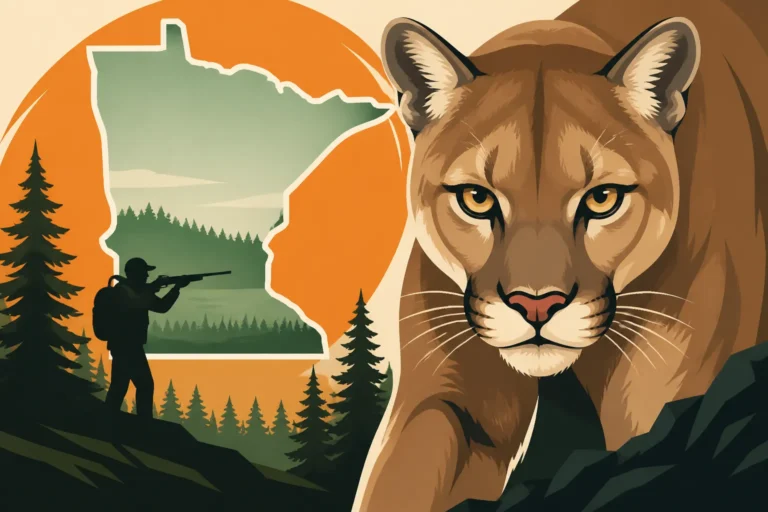
Minnesota’s wild spaces hold a deep mystique, and few topics spark as much debate and fascination among outdoors folk as the presence of cougars. For years, we’ve heard the whispers, seen the blurry photos, and shared the "I swear I saw one" stories, but the ultimate question lingers: are these magnificent big cats actually breeding here, making Minnesota a true home for them? This guide dives deep into what we know, what we don't, and what it would take for a breeding cougar population to truly establish itself in the Land of 10,000 Lakes.
The Elusive Nature of Minnesota Cougars
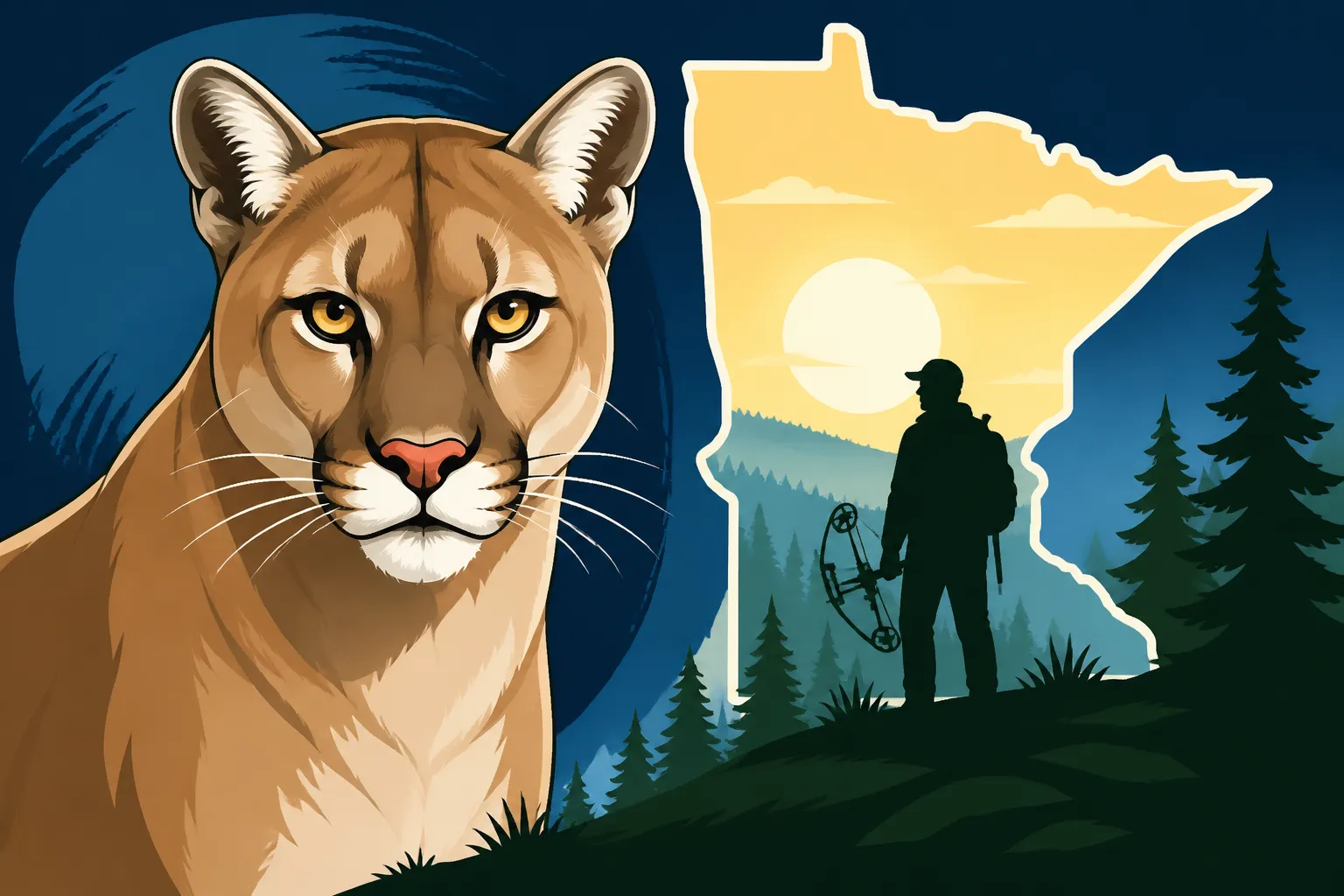
Let's be honest, for decades, the idea of a cougar roaming Minnesota was often met with skepticism, sometimes even outright dismissal. Hunters, hikers, and farmers would swear they saw one, only to be told it was likely a bobcat or a large house cat. But in recent years, thanks to clearer photographic evidence, game cameras, and even unfortunate vehicle collisions, it’s become undeniable: cougars are indeed here. However, acknowledging their presence is only the first step; understanding their behavior, particularly when it comes to reproduction, is a much more complex puzzle.
Most of the confirmed cougar sightings in Minnesota are attributed to what wildlife biologists call "dispersing males." These are typically young, adventurous bucks (or rather, tom cougars!) striking out from established populations in states like South Dakota or even further west. They travel incredible distances in search of new territories and, eventually, mates. Think of a young man leaving home to see the world; he might visit many places, but that doesn't mean he's setting up a permanent family in each one. These individuals are usually just passing through, exploring, and often don't stick around long enough to find a female, even if one were present. It’s this transient nature that makes confirming a resident, let alone breeding, population so incredibly difficult.
The sheer vastness and wildness of northern Minnesota, particularly areas like the Superior National Forest or the Boundary Waters, certainly offer ideal habitat for a solitary predator like a cougar. With abundant prey like white-tailed deer – White-Tailed Deer Across Minnesota – and even potential for larger game like elk in the northwest or moose in the northeast, the food source isn't the primary issue. The challenge is connecting these dispersing individuals and, more critically, having female cougars decide to settle down. A solitary male's presence is exciting, but it's not the precursor to a growing family unless a suitable female moves in and decides to call the same remote patch of woods home.
Documented Cougar Sightings and What They Mean
Minnesota wildlife agencies have been diligently tracking verified cougar observations for years. These aren't just anecdotes; they involve physical evidence like tracks, scat, DNA samples, photos, and unfortunately, sometimes carcasses from vehicle accidents or illegal harvests. When a confirmed sighting comes in, it's meticulously documented, often providing valuable genetic information about the animal's origin.
What we typically see from these documented cases are individual animals. They might be spotted in one county, then months later, another confirmed sighting emerges hundreds of miles away, often in a completely different part of the state. This pattern strongly suggests long-distance travel by single cougars rather than localized activity indicative of a breeding pair. For instance, a confirmed cougar might be photographed by a trail camera in the bluff country of southeastern Minnesota, only for another to be verified near Bemidji months later. While it's always possible it's the same animal, the vast distances covered highlight their transient nature. You can track some of these reports using resources like the Minnesota DNR website, or even leverage mapping tools like those offered by GoHunt to visualize vast wilderness areas where these animals might roam.
It's also important to differentiate between confirmed "cougar reports" and evidence of a "breeding cougar." A report confirms an animal's presence; breeding requires proof of successful reproduction. This means kittens, den sites, or evidence of a sustained pair. As of now, documented cases in Minnesota have not provided definitive proof of successful breeding. While some reports from decades ago might have hinted at it, modern, verifiable evidence has remained elusive. Cougar Reports in Minnesota offers a detailed look at some of these historical and recent observations, painting a picture of an occasional visitor rather than a permanent resident. The occasional report of a larger "timber wolf" or "coyote" might actually be a misidentified cougar, adding to the confusion, though Timber Wolves Versus Coyotes in Minnesota helps clarify the differences.
Challenges in Confirming Breeding Populations
Proving that cougars are not just passing through Minnesota but actually raising families here is a scientific endeavor that requires substantial and consistent evidence. It's not enough to see a cougar once, or even several times in the same general area, to confirm a breeding population. Wildlife biologists look for very specific indicators.
What constitutes evidence of breeding?
- Presence of Kittens: The most definitive proof would be direct observation or photographic evidence of a female cougar with young kittens. This indicates successful reproduction and denning.
- Den Sites: Finding a verified cougar den, complete with signs of recent occupancy by a mother and her offspring, would be strong evidence. Den sites are typically well-hidden and used for several weeks or months after birth.
- Repeated Observations of a Female in a Specific Area: While males wander, breeding females usually establish a more defined territory, especially when rearing young. Consistent sightings of the same female in a relatively small area over time could suggest residence.
- Genetic Evidence of Related Individuals: DNA analysis from multiple scat, hair, or tissue samples in a localized area could reveal familial relationships, indicating a breeding pair and their offspring.
- Behavioral Indicators: Tracks of multiple cougars of different sizes together, or evidence of communal kills, could also point to a family unit.
The absence of this kind of evidence, despite numerous individual cougar sightings over the years, is why wildlife agencies remain cautious about declaring a breeding population in Minnesota. Imagine a hunter using a GoHunt app to scout for deer sign and stumbling upon unusual tracks. They might take a photo, but without further investigation, it’s hard to tell if it’s a lone wanderer or part of a family group. The terrain in Minnesota, particularly the dense forests of the north, makes such confirmations incredibly challenging. These animals are masters of stealth, and their natural shyness means they actively avoid human contact, making direct observation of breeding activity a true rarity.
Here's a quick comparison of what separates an individual sighting from breeding evidence:
| Evidence Type | Suggests Individual Presence | Suggests Breeding Population |
|---|---|---|
| Lone Cougar Photo/Video | Yes | No |
| Single Set of Tracks | Yes | No |
| Roadkill Carcass | Yes | No |
| Scat Sample (single) | Yes | No |
| Photos of Female with Kittens | No (proves breeding) | Yes |
| Multiple Cougar Tracks (adult & small) | No (proves breeding) | Yes |
| Identified Den Site | No (proves breeding) | Yes |
| Repeated Female Sightings in small area | Potentially | Yes (with other factors) |
| Genetic samples showing related individuals | No (proves breeding) | Yes |
What it Would Take for Cougars to Establish a Breeding Population in Minnesota
For a breeding cougar population to take hold in Minnesota, several factors would need to align, creating a truly conducive environment for these apex predators. It's not just about one or two animals showing up; it's about a critical mass establishing territories and successfully raising young over generations.
First and foremost, a consistent influx of both male and female cougars would be essential. While dispersing males are relatively common visitors, female dispersal over vast distances from established populations is less frequent. Females typically establish territories closer to where they were born, making long-distance migrations less common. We need females to decide Minnesota is worth settling down in, and then to successfully encounter a mate.
Next, suitable habitat, offering both ample prey and secure denning sites, is crucial. Minnesota has vast tracts of wilderness, particularly in the northern and southeastern regions, that could theoretically support cougars. The Hunting Boundary Waters Canoe Country Deer areas, the extensive state forests, and even the rugged bluff country offer dense cover and a strong deer population. However, these areas also need to be relatively undisturbed, allowing cougars the solitude they require to successfully raise their young without frequent human interaction. GoHunt's detailed maps of public lands could help identify these remote areas.
A healthy and abundant prey base, primarily white-tailed deer, is another non-negotiable factor. While Minnesota's deer herd is robust in many areas, factors like severe winters (How Severe Winters Hit Northern Deer Herds) or disease outbreaks (Chronic Wasting Disease in Minnesota Deer) can impact local populations, which could, in turn, affect the viability of new predator populations. In the northwestern corner of the state, the small but growing Minnesota's Northwest Elk Herd could also provide a prey source, though not extensive enough to sustain a large cougar population on its own.
Finally, public tolerance and management policies play a significant role. Cougars, like Minnesota's Wolf Population, can evoke strong feelings, both admiration and fear. While cougars are currently protected and cannot be hunted in Minnesota—they are among the Game You Cannot Hunt in Minnesota—their increasing presence might spark conversations about future management. Any true establishment of a breeding population would require careful monitoring and potential policy adjustments to ensure coexistence with humans and livestock. The fact is, for a cougar to successfully reproduce and contribute to a sustained population, it needs to survive long enough to do so, avoiding vehicle collisions, disease, and unfortunately, poaching.
So, are there breeding cougars in Minnesota? Based on the current scientific evidence, the answer remains no, not yet. While individual cougars are undeniably present, traveling through our wild landscapes, there is no definitive, sustained evidence of them establishing territories, mating, and successfully raising young here. The dream of a permanent, self-sustaining cougar population in Minnesota persists, and perhaps one day the evidence will shift, but for now, they remain our most elusive, transient visitors.
Disclaimer
This article is for general informational purposes only and does not constitute professional advice. Laws, prices and regulations vary by location and change over time. Consult a qualified professional for guidance on your specific situation.