Where Minnesota Gobblers Roost
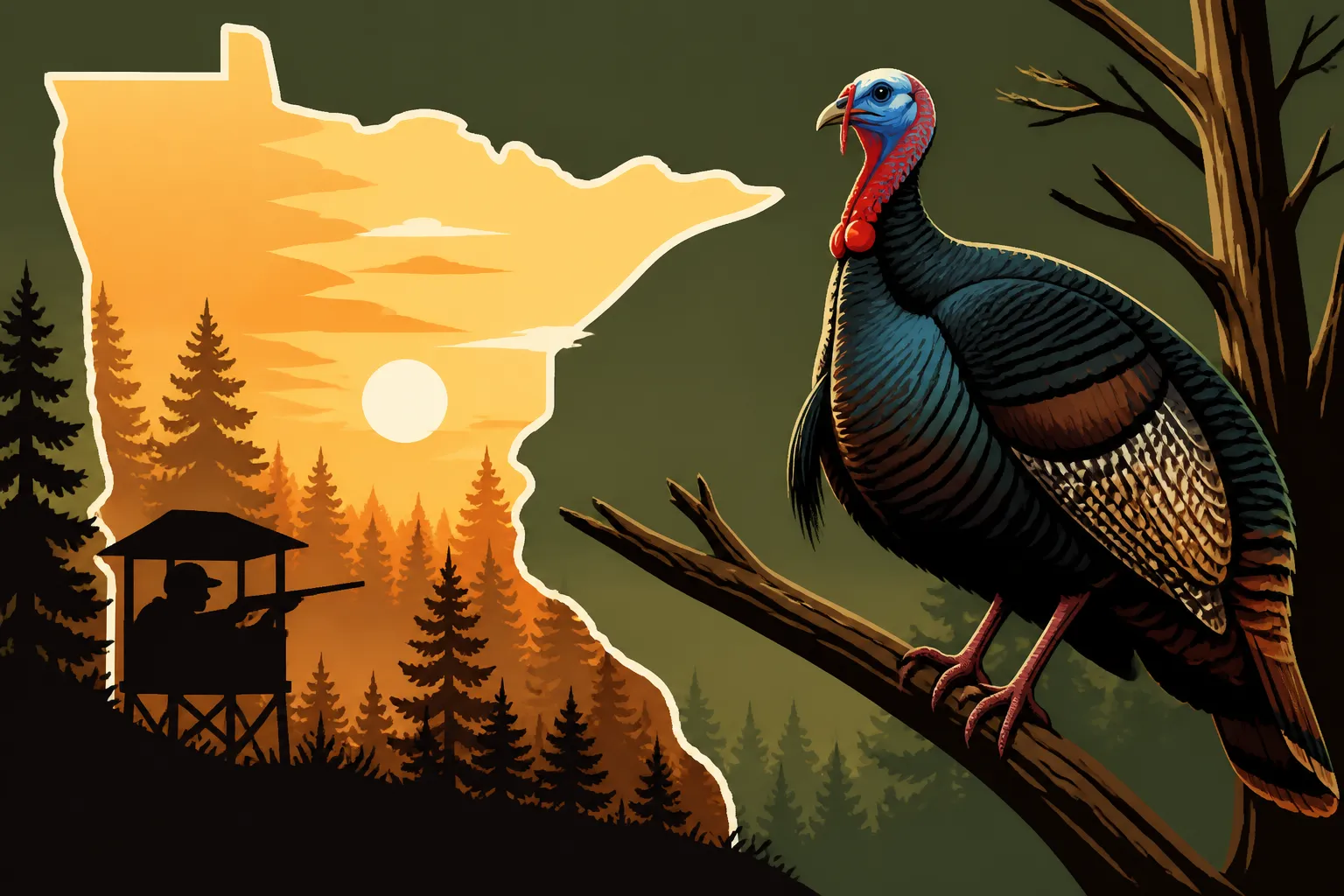
Finding where Minnesota gobblers decide to spend the night can often feel like solving a wild puzzle. You've heard them gobbling on the limb at dawn, but translating that sound into a precise location for an evening scout or a morning setup is a challenge many hunters grapple with. This comprehensive guide will peel back the layers of wild turkey roosting habits in Minnesota, helping you decipher their choices and put you in a better position to intercept them.
Understanding Wild Turkey Roosting Behavior
Wild turkeys don't just pick a tree at random when dusk approaches. Their roosting behavior is deeply ingrained with instincts for safety, communal interaction, and efficient travel. Understanding these foundational elements is the first step in predicting where they'll settle down for the night. It’s not just about a high branch; it’s about a secure haven.
Safety and Vantage Points
Turkeys, especially the larger gobblers, are incredibly vulnerable on the ground at night. Predators like coyotes, bobcats, and even great horned owls pose a significant threat. Because of this, their primary roosting criteria revolve around safety. They want to be high enough off the ground to avoid ground predators and have a good vantage point to spot aerial threats before they become a problem. This often means seeking the tallest trees available in a given area, particularly those with strong, horizontal limbs that can comfortably support their weight.
Think about it from a turkey's perspective: pitching up into a tall white pine or an ancient bur oak along a creek bank offers a panoramic view of the surrounding woods. They can see predators approaching from a distance, and the height makes them less accessible. You might notice them "limbing up," flying from lower branches to higher ones until they reach their desired spot. This isn't just a quirky habit; it’s a deliberate tactic to gain maximum elevation and security for the night. They might even change their approach path to the roost depending on perceived threats or changes in their environment.
Seasonal Roosting Shifts
Just like deer will shift their patterns with the seasons, so too will Minnesota gobblers. Their roosting preferences aren't static; they adapt to the changing landscape, food availability, and the breeding cycle. In the early spring, particularly during the initial breeding periods, gobblers often roost closer to hens, or in areas where they expect hens to gather at dawn. This makes sense; their goal is to breed, and being near the action right off the roost gives them an advantage. You might find them in areas adjacent to open fields where hens feed or near known strutting zones.
As the season progresses, and especially after hens begin nesting, gobblers may become more solitary or gather in smaller "bachelor groups." Their roosting locations might become less tied to specific breeding grounds and more focused on areas offering security and proximity to convenient food sources. Late-season gobblers, when they've gone quiet and hens are scarce, can be particularly challenging. They might roost in very remote, dense timber, sometimes far from typical travel routes, simply because they're trying to avoid pressure and stay hidden. This is where understanding When Minnesota Gobblers Go Quiet really comes into play, as their roosting behavior will reflect this shift.
Key Roosting Habitat Types in Minnesota
Minnesota's diverse landscape offers various options for roosting turkeys, from dense northern forests to agricultural lands dotted with woodlots. Pinpointing the most likely roosting spots requires an understanding of these different habitats and the specific features turkeys favor within them.
Mature Hardwoods Along Waterways
In many parts of Minnesota, especially along river systems like the Root River Valley or the Mississippi, mature hardwoods are prime roosting real estate. Think towering oak, maple, and cottonwood trees, particularly those situated directly on a riverbank, bluff edge, or deep creek ravine. The reasons are multi-faceted. First, these areas often boast the largest, oldest trees with substantial, strong limbs perfect for roosting. Second, the water itself or the steep terrain of a bluff provides an added layer of security from ground predators. A gobbler pitching out over a river at dawn makes for a dramatic visual and offers a clear escape route.
Hunters often find success scouting these riparian corridors. Turkeys will frequently use the same trees or a small cluster of trees along a specific stretch of water year after year, especially if hunting pressure is minimal. When Setting Up Against a Big Oak near one of these waterways, consider how the turkey will pitch down in the morning. They often fly down in the direction of food or their anticipated strutting grounds. Understanding the topography and prevailing winds helps predict their flight path off the roost, giving you a better setup advantage.
Conifer Patches and Mixed Forests
While hardwoods are often preferred, don't overlook conifer patches, especially in the more northern and central parts of Minnesota. Stands of tall white pines, red pines, or even dense cedar swamps can serve as excellent thermal cover and provide secure roosting spots, particularly during colder snaps or when seeking refuge from harsh winds. These trees offer dense canopy protection from both precipitation and chilling winds, which can be crucial during a cold spring night.
Mixed forests, where hardwoods meet conifers, can be particularly attractive. Turkeys might roost in the towering hardwoods but use the adjacent conifer cover for staging before flying up or for immediate escape cover upon pitching down in the morning. This is especially true in areas like the St. Croix State Forest or portions of the Chippewa National Forest. They blend the benefits of high, sturdy limbs with dense, protective foliage. It's not uncommon to find turkeys roosting on the edge of a pine plantation that abuts an oak ridge, giving them the best of both worlds.
Farm Country Shelterbelts and Woodlots
In the agricultural regions of western and southern Minnesota, expansive mature timber might be scarce. Here, turkeys adapt by utilizing smaller, isolated woodlots, shelterbelts, and even large, mature trees within farmsteads or along fence lines. These spots, while seemingly less "wild," provide the necessary height and limb structure for safe roosting in an otherwise open landscape. A lone cottonwood or a small grove of maples in the middle of a cornfield might be an absolute magnet for gobblers.
These isolated roosts can be fantastic for hunters, as they often concentrate birds in a smaller area. However, they can also be challenging due to limited cover for approaching hunters and the potential for increased visibility from nearby roads or homes. When scouting these areas, pay close attention to access points and how turkeys are entering and exiting the woodlot. Tools like GoHunt's satellite imagery can be incredibly helpful for identifying these isolated pockets of timber and planning your approach, revealing hidden cover or subtle changes in elevation that might make all the difference. Turkey Tactics for Farmland Field Edges will often hinge on understanding where those birds are roosting in relation to the fields they're hitting.
Here's a quick overview of common roosting habitat characteristics:
| Habitat Type | Preferred Tree Species | Key Characteristics | Hunter Considerations |
|---|---|---|---|
| Mature Hardwoods (Riparian) | Oak, Cottonwood, Maple, Sycamore | Tallest trees, strong horizontal limbs, near water | Excellent security, predictable flight paths |
| Conifer Patches / Mixed Forests | White Pine, Red Pine, Cedar | Dense canopy, thermal cover, windbreak | Good for cold weather, can be harder to pinpoint |
| Farm Country Woodlots/Shelter | Cottonwood, Oak, Evergreen rows | Isolated timber, often near food sources | Concentrates birds, can be visible, approach carefully |
| Bluff Edges / Steep Ravines | Various mature hardwoods | Elevated position, difficult access for predators | Good acoustics, turkeys often fly out over drops |
Scouting for Roosts
Knowing where turkeys might roost is one thing; finding the specific tree they're using is another entirely. This is where active scouting, keen listening, and modern tools come into play. It's a combination of pre-season detective work and in-the-moment observation.
Pre-Season Reconnaissance
Long before the season opens, dedicating time to walk potential turkey habitat can pay huge dividends. Look for "turkey sign" that indicates regular use: droppings at the base of large trees, shed feathers, and actual scratch marks on the bark from their claws as they climb. These subtle clues can point you toward favored roosting areas. Pay close attention to prominent trees on high ground, along water features, or at the edges of open fields. These are often the same trees that have been used for generations by Minnesota Turkey Population Trends.
When you're out scouting, try to visualize the terrain and how a turkey would move through it. Where would they feel safest flying up? Where are the strongest, most stable limbs? I like to use mapping apps like GoHunt to mark potential roost trees or areas. By layering satellite imagery with topographical maps, you can identify high points, water bodies, and mature timber stands that might be invisible from the road. This armchair scouting can direct your boots-on-the-ground efforts significantly, saving you valuable time.
Listening and Locating
Perhaps the most effective way to locate active roosts during the season is simply to listen. Turkeys are incredibly vocal, especially around roosting time. In the evening, about an hour before dark, drive or walk to promising areas and listen for "fly-up cackles" as birds pitch up into their trees. In the morning, arrive well before first light, position yourself in a good listening spot, and wait for "gobbles on the limb." A gobbler's pre-dawn vocalizations are the ultimate locator.
You can also use locator calls — an owl hooter, a crow call, or even a coyote howl — to try and illicit a shock gobble from a roosted bird. This isn't always foolproof, as some birds are tight-lipped, but it can confirm their presence and general direction. Once you hear that gobble, try to triangulate the sound. Walk slowly, listen intently, and use natural contours of the land to get closer without disturbing the bird. This silent approach is key, as you don't want to spook a roosted gobbler; you just want to know where he is. Calling a Minnesota Gobbler Off the Roost requires knowing exactly where he's located first.
Using Technology for Roost Identification
Beyond simply looking at maps, technology can be a powerful ally in the search for roosting turkeys. As mentioned, mapping apps with satellite imagery, like those provided by GoHunt, allow you to identify large timber, especially along river bends or within isolated woodlots. You can analyze tree height and canopy density, which are indicators of prime roosting structure. Many of these apps also allow you to drop pins, draw routes, and mark areas of interest, which is invaluable for pre-season planning or during the hunt itself.
I've even heard of hunters using trail cameras in non-hunting seasons, placed strategically in areas known for turkey activity, to try and capture images of birds flying up to roost or pitching down in the morning. While this takes more effort, it can confirm specific roost trees. Remember to always check local regulations regarding trail camera use on public land. Scouting Minnesota Public Land Before Season is crucial, and using digital tools in conjunction with boots on the ground gives you a distinct advantage.
Factors Influencing Roost Choice
Turkeys are creatures of habit, but they are also highly adaptable. Their roosting choices can be influenced by a variety of environmental and behavioral factors. A consistent roost one week might be abandoned the next, leaving hunters scratching their heads. Understanding these influences can help you predict such shifts.
Weather and Wind Impacts
Minnesota weather is notoriously fickle, and it absolutely dictates where turkeys will roost. On calm, mild nights, turkeys might roost in slightly less protected areas, perhaps on an isolated tree in a field edge or a more exposed limb. However, when the wind picks up, or a cold front moves in, they will almost certainly seek out maximum shelter. This means moving into dense conifer stands that break the wind, or tucking into the leeward side of a ridge where the wind is buffered.
A severe thunderstorm or heavy rain can also influence their choice, pushing them into trees with denser canopies for protection. Snow can affect their roost choices too, sometimes leading them to prefer thicker cover that holds snow on the branches, providing insulation. Always check the forecast and factor in wind direction and strength when trying to anticipate a turkey's evening fly-up or morning pitch-down location. This applies not just to deer, but also to turkeys; understanding Wind and Thermals on a Minnesota Ridge can directly inform your turkey hunting approach.
Hunting Pressure and Roost Relocation
Nothing makes a wild turkey change its habits faster than hunting pressure. If a gobbler is called to, missed, or simply feels too much intrusion in its preferred roosting area, it will quickly relocate. Public land birds, in particular, are highly sensitive to pressure. They might move to more remote, harder-to-reach areas, or choose less obvious roost trees. This can be frustrating, especially if you've spent days patterning a bird.
This is a common scenario in heavily hunted areas or during popular periods, such as Hunting an Early Turkey Period in Minnesota when many hunters are out. If you consistently hear gobblers roosting in a certain spot but can't get close, or if they stop gobbling after the first few days of the season, it's a good bet they've shifted their roost. At that point, you'll need to expand your scouting efforts and look for new, undisturbed areas, perhaps even taking a page from Run-and-Gun Turkey Tactics on Public Land to cover more ground.
Food Sources Near Roosting Areas
While safety is paramount, turkeys aren't going to fly miles away from their food sources every evening. Often, their roosting locations are a strategic compromise, offering security while still being relatively close to their preferred feeding grounds. This could be an oak ridge producing acorns in the fall, a clover field, or a cut cornfield that offers residual grain. Knowing where the turkeys are feeding will give you a major clue about where they might be roosting nearby.
In spring, particularly, hens will lead gobblers to food. If you can locate the primary feeding areas — often open fields, food plots, or areas with recent insect activity — you can then look for suitable roosting timber in the immediate vicinity. A gobbler wants to pitch down in the morning and quickly get to where the hens are or where he expects them to be, which is often a feeding area. Late-Season Food Sources for Minnesota Whitetails are often different from turkey food sources, but the principle of proximity between bedding/roosting and food holds true for both species. Being able to identify these connections between feeding and roosting grounds is a mark of an experienced turkey hunter.
Disclaimer
This article is for general informational purposes only and does not constitute professional advice. Laws, prices and regulations vary by location and change over time. Consult a qualified professional for guidance on your specific situation.