Minnesota Turkey Population Estimate
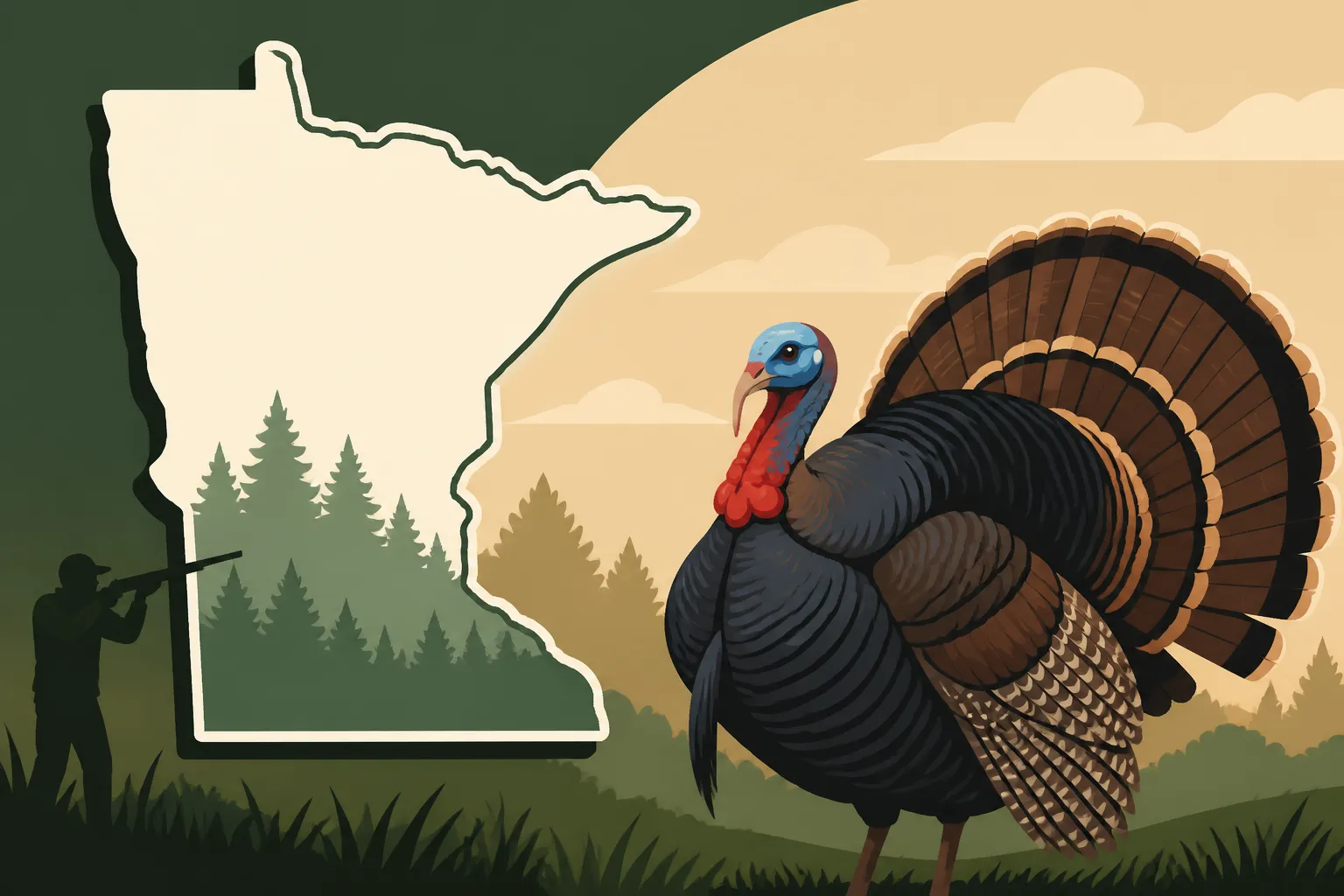
Trying to get a handle on Minnesota's wild turkey numbers can feel a lot like trying to count individual leaves in a forest – it's a massive, ever-changing task that often leaves hunters wondering if there are more birds out there than they're seeing, or fewer. This guide aims to shed some light on how wildlife managers estimate the state's turkey population, what those numbers mean for hunters, and the fascinating dynamics that keep these wary birds thriving (or sometimes struggling) across our diverse landscape.
The Art and Science of Estimating Turkey Populations
Estimating the population of a wide-ranging, often elusive game bird like the wild turkey isn't as simple as doing a headcount. Wildlife agencies, like the Minnesota Department of Natural Resources (DNR), employ a combination of scientific methods and hunter-submitted data to arrive at their best estimate. It's a complex process that balances boots-on-the-ground observations with statistical modeling, and it's constantly refined.
One of the primary challenges is that turkeys are highly mobile and tend to concentrate or disperse based on food, weather, and breeding cycles. A dense flock seen in a field one day might be scattered across miles of timber the next. This makes direct counting practically impossible on a statewide scale. Instead, the DNR relies on indicators and trends, looking at how various factors collectively suggest population health and density.
Spring Gobbler Harvest Data as an Indicator
Believe it or not, one of the most reliable indicators of the overall turkey population comes from hunter success during the spring gobbler season. When hunters are successful and register their birds, that data provides a snapshot of the harvest, which, when combined with hunter effort and license sales, can be extrapolated to infer population trends. A higher harvest rate per hunter, assuming similar effort, often suggests a robust population, while a decline can signal challenges. This isn't a direct population count, but it's a powerful tool for understanding trajectory.
The DNR compiles annual Minnesota Spring Turkey Harvest Numbers, looking at the number of birds taken, the permit areas where they were harvested, and the various spring periods. This helps them understand distribution and density across the state. If a specific permit area shows a consistent drop in harvest despite stable hunter numbers, it signals a need for closer examination. On the flip side, strong harvest numbers in emerging turkey regions can indicate expanding populations.
Summer Poult and Brood Surveys
After the spring hatch, wildlife biologists conduct summer brood surveys. These are crucial because they directly measure reproductive success, which is the engine of population growth. Researchers, and often citizen volunteers, observe turkey hens with their poults (young turkeys) and record the number of poults per hen. A healthy "poult-to-hen ratio" indicates successful nesting and survival of young birds, which bodes well for the next year's population.
These surveys are typically conducted along established routes or in known turkey habitats during specific times in the summer when poults are still small enough to be easily counted with their mothers. Weather conditions during nesting and brood-rearing are hugely influential on these numbers. A cold, wet spring can lead to high poult mortality, even if adult populations were strong heading into the breeding season. Understanding Poult-to-Hen Ratios and What They Mean is key to forecasting future hunting opportunities.
Gobbling Counts and Hunter Observations
While less formal than brood surveys, gobbling counts provide a valuable index of breeding activity and relative abundance of adult gobblers in an area. Biologists will often conduct roadside or stationary surveys during prime gobbling hours in the spring, listening for the calls of excited toms. The frequency and location of gobbling can suggest where higher concentrations of birds exist.
Furthermore, hunter observations are invaluable. When you're out scouting or hunting, you're essentially providing data points. The sheer number of birds you see, the size of the flocks, and the presence of jakes (yearling gobblers) or multiple adult hens can offer a qualitative sense of local populations. Many states, including Minnesota, encourage hunters to report their sightings or submit data through online portals or apps, contributing to a broader understanding that complements the more scientific surveys. Even commercial hunting resources like GoHunt encourage members to share observations, which can collectively paint a clearer picture of game density.
Current Population Trends and Where Turkeys Thrive
Minnesota's wild turkey population has seen an incredible resurgence over the past few decades. From near extirpation in the early 20th century, these birds have made a remarkable comeback, largely due to successful reintroduction efforts and careful habitat management. Today, turkeys are firmly established in much of the state, particularly in the southeastern bluff country, but their range continues to expand northward.
The DNR's estimates generally indicate a healthy, stable to slightly growing population across most of the established turkey range. There are always local fluctuations, of course, influenced by factors we'll discuss, but the overall trend has been positive. Hunters often find excellent opportunities, especially in areas with a mix of mature timber, agricultural fields, and brushy edges. If you're wondering How Turkeys Were Restored to Minnesota, it's a testament to dedicated conservation efforts.
The Southeastern Stronghold
The "bluff country" of southeastern Minnesota remains the undisputed heartland of the state's wild turkey population. Counties like Houston, Fillmore, Winona, and Olmsted boast high densities of birds, thanks to a unique combination of steep, timbered hillsides, fertile river valleys, and abundant food sources from agricultural fields. This diverse landscape provides ideal roosting habitat, nesting cover, and foraging grounds. The terrain itself also acts as a natural sanctuary, making some areas less accessible to hunting pressure.
When you think about Where Minnesota Turkeys Are Densest, the answer almost always comes back to this region. Hunters here often report seeing multiple flocks and hearing consistent gobbling throughout the spring. While hunting pressure can be higher in these popular areas, the sheer number of birds often makes for fantastic hunting, provided you're willing to put in the legwork to navigate the challenging topography.
Expanding Northward
While the southeast is the historic stronghold, turkeys have steadily expanded their range northward and westward across Minnesota. They've successfully colonized much of central Minnesota, the metro periphery, and even parts of the central forest zone where habitat allows. These expansion efforts show the adaptability of wild turkeys and their ability to thrive in new environments as long as suitable habitat and food are present.
Areas with a mosaic of oak forests, scattered farm fields, and good winter cover, even outside the classic bluff country, are increasingly holding good turkey numbers. Hunters exploring new ground in these expanding regions can often find less pressured birds. However, these northern populations might be more susceptible to severe winter weather, as deep snow and prolonged cold can limit their foraging ability and survival, particularly in areas without extensive agricultural support.
Factors Influencing Turkey Population Dynamics
Wild turkey populations are dynamic, meaning they are constantly changing based on a multitude of environmental and human-related factors. Understanding these influences helps both wildlife managers and hunters anticipate good years and prepare for leaner ones. It's never just one thing; rather, it's a complex interplay of forces that shapes the rise and fall of turkey numbers.
Habitat Quality and Availability
At the core of any healthy wildlife population is suitable habitat. For wild turkeys, this means a diverse landscape offering roosting trees (often mature hardwoods), dense nesting cover (tall grasses, brushy areas), open foraging grounds (fields, forest openings), and reliable food sources year-round. Fragmentation of habitat, due to urban development or large-scale agriculture that removes critical cover, can negatively impact turkey numbers by reducing available space for nesting and raising broods.
Conversely, habitat improvement projects, such as planting native grasses, managing forest stands for mast production (acorns, beechnuts), and creating food plots, can significantly boost local turkey populations. Even though Minnesota has lost some native prairie, the return of CRP (Conservation Reserve Program) lands and other private land conservation efforts provide vital nesting and brooding cover for turkeys. This is why groups like the National Wild Turkey Federation (NWTF) partner with landowners and agencies to ensure prime turkey habitat remains viable.
Weather Extremes
Weather is perhaps the most unpredictable, yet profoundly impactful, factor on turkey populations. Mild winters are generally beneficial, allowing birds to conserve energy and find food more easily. Conversely, severe winters with deep, prolonged snow cover can lead to increased mortality, especially for younger birds, by making food inaccessible and increasing vulnerability to predators.
The spring and summer weather are equally critical. A cold, wet spring during the nesting period can drastically reduce hatch success, as eggs can chill or drown, and newly hatched poults are highly susceptible to hypothermia. Think about a late May snowstorm or weeks of incessant rain – these events are devastating to small, vulnerable poults. A warm, dry spring and summer, on the other hand, often correlate with high poult survival and a booming population the following year. This is a critical factor influencing overall Minnesota Turkey Population Trends.
Predation and Disease
While wild turkeys are robust birds, they face a variety of predators throughout their life cycle. Nests are particularly vulnerable to raccoons, skunks, opossums, and foxes. Young poults can be taken by raptors like hawks and owls, as well as mammalian predators. Adult turkeys, though powerful, can fall prey to coyotes, bobcats, and even domestic dogs. The impact of predation tends to be more significant when combined with poor habitat or harsh weather, which makes turkeys more exposed or stressed. When discussing Nest Predation and Minnesota Turkey Hatches, these are the key culprits.
Diseases can also play a role, though generally less frequently observed in wild turkeys than in some other species. Avian pox, blackhead disease, and other pathogens can occur, sometimes locally impacting flocks. Wildlife agencies monitor for significant disease outbreaks, but usually, these issues don't pose a statewide threat to healthy, diverse populations.
What Population Estimates Mean for Minnesota Turkey Hunters
For you, the hunter, understanding turkey population estimates isn't just an academic exercise; it directly translates into your hunting experience and management strategies. The estimates guide the DNR in setting seasons, allocating permits, and implementing management plans, all with the goal of ensuring sustainable hunting opportunities for generations to come.
Setting Seasons and Bag Limits
Population estimates are fundamental to the regulatory framework of turkey hunting in Minnesota. When populations are strong and stable, the DNR can maintain generous season lengths and bag limits, offering more opportunities for hunters. Conversely, if estimates suggest a significant downturn, adjustments might be made to reduce harvest pressure and allow populations to rebound. This is part of why we have different Minnesota Spring Turkey Zones and Periods, allowing for staggered pressure and localized management.
The specific "A" through "G" periods in the spring, for instance, are designed to distribute hunters and pressure across the breeding season, preventing too many birds from being taken too early. Similarly, the ability to buy a second tag for the fall season, or to hunt multiple permit areas, reflects confidence in the overall health of the state's turkey numbers.
Informing Scouting and Tactics
Knowing the general population trends for an area can help you refine your scouting and hunting tactics. If you're hunting in a region with historically high turkey densities, like the southeast, you might focus more on finding less-pressured birds within those abundant populations. You might spend more time listening for gobbles and pinpointing specific roost locations. Meanwhile, when hunting in emerging northern or western turkey ranges, understanding that populations might be more scattered or sensitive to winter weather means adjusting your expectations and focusing on prime habitat funnels.
Using tools like the DNR's permit area maps or even commercial apps like GoHunt can help you overlay population data with land features, giving you a distinct advantage. If an area has had a few tough years, you might look for new food sources or scout harder for fresh sign. If it's been a banner year, you might expand your search area, knowing birds are likely more widespread. For insights on where to focus, consider articles like Best Minnesota Counties for Turkeys.
The Long-Term Outlook for Minnesota Turkeys
The long-term outlook for Minnesota's wild turkeys remains bright, provided habitat remains available and managed effectively, and hunters continue to support conservation efforts. While year-to-year fluctuations are normal and expected due to weather and other variables, the resilience and adaptability of these birds, combined with sound wildlife management, suggest that turkeys will remain a cherished game species in Minnesota for the foreseeable future.
For hunters, this means continued opportunities to experience the thrill of a gobbler sounding off on a crisp spring morning or the challenge of breaking up a fall flock. It means staying informed, supporting conservation, and enjoying the fruits of successful wildlife management.
| Factor | Impact on Turkey Population | Typical Effect |
|---|---|---|
| Mild Winter | Increased Survival | Positive |
| Severe Winter | Decreased Survival | Negative |
| Warm, Dry Spring/Summer | High Poult Survival | Positive |
| Cold, Wet Spring/Summer | Low Poult Survival | Negative |
| Abundant Mast Crop | Increased Overwinter Survival | Positive |
| Habitat Fragmentation | Reduced Nesting/Roosting | Negative |
| Disease Outbreaks | Localized Mortality | Negative |
| Predation Pressure | Affects Nest/Poult Success | Variable |
Disclaimer
This article is for general informational purposes only and does not constitute professional advice. Laws, prices and regulations vary by location and change over time. Consult a qualified professional for guidance on your specific situation.