Pheasants on Minnesota Farmland
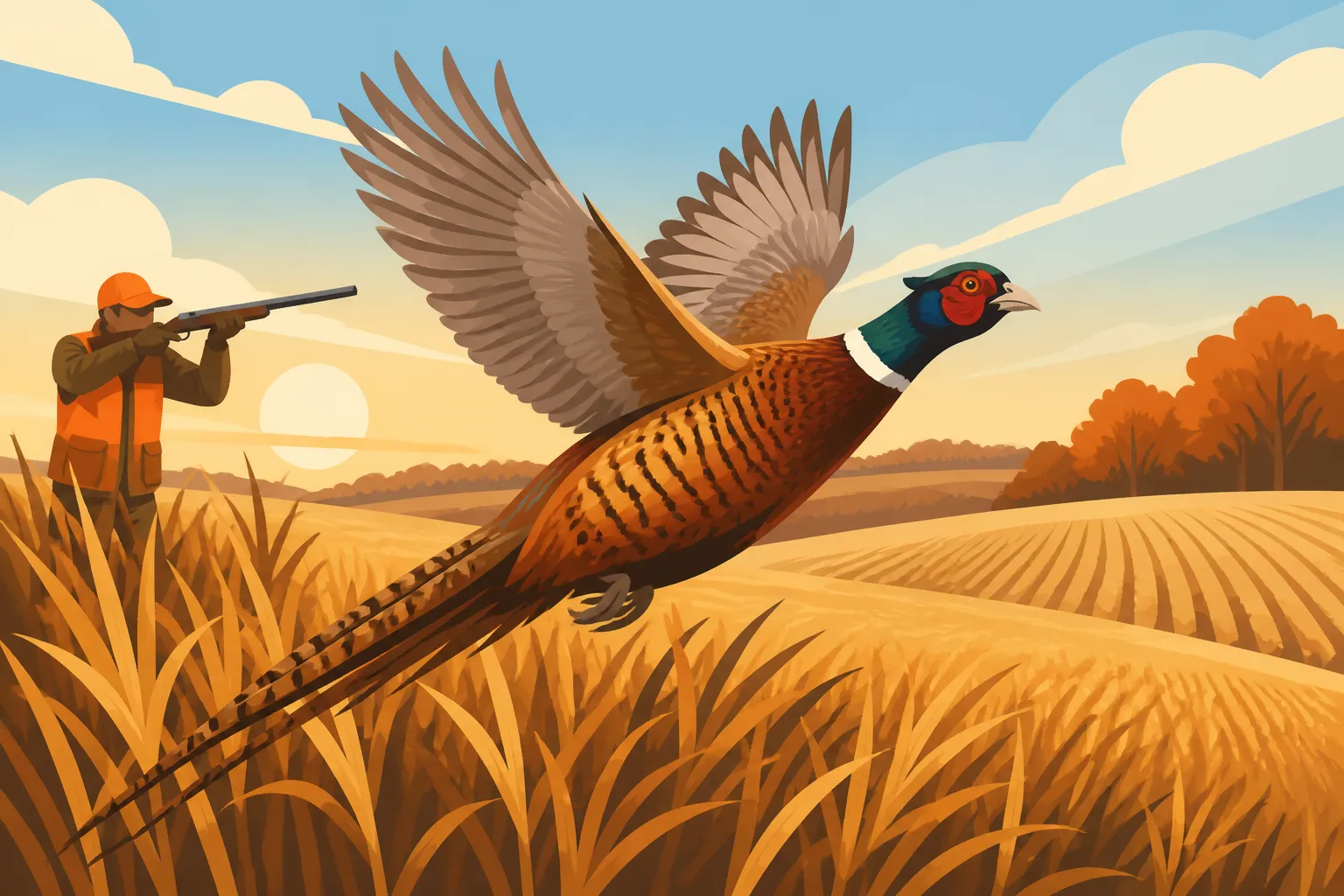
There's nothing quite like the electrifying cackle of a rooster pheasant erupting from heavy cover, sending your heart into your throat and your shotgun to your shoulder. For many of us who chase ringnecks, the vast farmlands of Minnesota offer some of the most challenging yet rewarding hunting experiences, but finding those elusive birds amidst endless acres of crops and fragmented habitat can feel like searching for a needle in a haystack. This comprehensive guide is dedicated to breaking down the intricacies of pheasant hunting on Minnesota farmland, equipping you with the knowledge and strategies to better understand these magnificent birds and increase your success in the field.
Understanding Minnesota's Pheasant Population
The story of pheasants in Minnesota is a fascinating one, a testament to both their adaptability and the critical role of habitat. For decades, these colorful birds have been a cornerstone of the state's hunting heritage, drawing legions of hunters to the sprawling agricultural landscapes. But their numbers aren't static; they ebb and flow with the seasons, the weather, and, most critically, human land management decisions. To truly become a successful pheasant hunter, you need to understand these underlying dynamics.
Historical Context and Restoration Efforts
Ring-necked pheasants aren't native to Minnesota; they were introduced to North America from Asia in the late 19th and early 20th centuries. Minnesota's first successful introductions occurred around 1915, and the birds quickly found a niche in the state's burgeoning agricultural areas. Their ability to thrive in disturbed landscapes, coupled with their resilience, allowed populations to explode through the mid-20th century, leading to legendary hunts. Those stories from our grandfathers, of seemingly endless birds in every cornfield, weren't just tall tales; they were a reality driven by agricultural practices that inadvertently created ideal habitat.
However, as farming modernized and intensified, much of that accidental habitat began to disappear. The "clean farming" practices of the latter half of the century, which removed fence rows, drained wetlands, and converted grasslands, drastically altered the landscape. Recognizing this decline, the Minnesota Department of Natural Resources (DNR) and various conservation groups initiated significant restoration and management efforts. These programs, often funded by hunters through license fees and stamps, focused on habitat improvement, land acquisition, and sometimes even supplemental releases. The commitment to these efforts underscores how deeply ingrained pheasant hunting is in the Minnesota culture, and these historical efforts have laid the groundwork for the populations we see today, albeit with new challenges.
Current Population Trends and Surveys
Today, Minnesota's pheasant population is a dynamic entity, influenced by a complex interplay of factors, primarily weather and habitat. The DNR conducts annual roadside surveys, typically in late July and early August, to estimate the state's pheasant numbers. These surveys are crucial, offering a snapshot of breeding success and overwinter survival, and they provide valuable data that informs hunters about what to expect for the upcoming season. While these numbers aren't a perfect one-to-one prediction for how many birds you'll flush on a given day, they offer the best statewide indicator available. For instance, strong nesting success after a mild winter can lead to a banner year, while a severe winter followed by a wet, cold spring can spell lower numbers.
These trends often highlight regional disparities. While the southwestern part of the state consistently holds the highest densities, other areas might see fluctuations based on localized conditions. Understanding these reports is more than just curiosity; it helps you decide where to focus your efforts. A bad year statewide might still have local bright spots, and a good year might have areas that are exceptional. Keeping an eye on the Minnesota Pheasant Index Survey and localized reports can be a game-changer for planning your hunts, giving you an edge in a landscape where birds are always on the move and rarely hold still.
Impact of Habitat Loss and Conservation
The single greatest challenge facing Minnesota's pheasant population is the ongoing loss and fragmentation of habitat. Modern agriculture, with its massive monoculture fields, efficient tilling practices, and widespread use of chemicals, leaves little room for the diverse cover pheasants need to nest, raise broods, and survive harsh winters. Think about it: a pheasant needs dense nesting cover in the spring, insects and grit for chicks in the summer, food and thermal cover in the fall, and critical winter shelter from blizzards and predators. When these elements are disconnected or absent, pheasant numbers suffer.
Conservation programs like the Conservation Reserve Program (CRP) have been a lifeline for pheasants, converting marginal cropland into perennial grasses and wildflowers. These CRP acres provide vital nesting and brood-rearing cover, acting as nurseries and safe havens. However, CRP enrollment fluctuates with commodity prices and farm policy, meaning a gain in habitat one year can become a loss the next. Groups like Pheasants Forever, working with landowners and local chapters, play an immense role in reversing these trends, actively creating and enhancing habitat. Their efforts, combined with the Minnesota Pheasant Stamp Requirement which directly funds habitat projects, are vital for maintaining and expanding pheasant populations. As hunters, supporting these initiatives through membership and advocacy isn't just a good idea; it's essential for the future of our sport.
Key Habitat for Pheasants on Farmland
If you want to find pheasants, you have to find their habitat. It's that simple, yet it's also where many hunters get hung up. Pheasants aren't randomly distributed; they are creatures of their environment, meticulously selecting areas that provide the necessary ingredients for survival. On Minnesota farmland, this often means a mosaic of different cover types, each serving a distinct purpose throughout the birds' life cycle. Understanding these nuances will sharpen your scouting eye and dramatically improve your chances of success.
Grasslands and CRP Land
When you think of prime pheasant habitat, the first thing that should come to mind is dense, undisturbed grasslands. These areas are the absolute bedrock of a healthy pheasant population, providing critical nesting cover in the spring and early summer, as well as excellent brood-rearing habitat where chicks can find insects and hide from predators. The Conservation Reserve Program (CRP) has been a godsend in this regard, paying landowners to convert highly erodible or marginal cropland back into native grasses and legumes. These fields, often marked by their tall, thick stands of switchgrass, bluestem, and Indian grass, offer the security and insulation pheasants desperately need.
During hunting season, especially early on, CRP fields are often where you'll find the highest concentration of birds. Roosters will often hold tight in this heavy cover, relying on its density for protection. It’s also where you'll find birds escaping pressure from other areas, diving into the thick stuff to hide. Hunters often find themselves working these fields methodically, sometimes with multiple blockers at the far end, to push birds into a corner. When scouting, look for varied topography within these grasslands – slight swales, old drainage ditches, or brushy edges can be especially productive, as pheasants will naturally gravitate towards subtle changes in elevation or cover type. The bigger and thicker the CRP, the more likely it is to hold birds, and the harder they'll be to flush.
Crop Fields and Food Sources
While grasslands provide safety and nesting, crop fields are the pheasant's pantry. During the fall and winter, mature corn, soybeans, and other grain crops become invaluable food sources, providing the energy pheasants need to survive cold temperatures. A common strategy, especially early in the season, is to hunt the edges of harvested cornfields, where pheasants might be gleaning fallen kernels. However, standing corn, while difficult to hunt, can be an absolute magnet for birds, offering both food and unparalleled thermal cover, particularly during harsh weather or when hunting pressure is high. This is where a good mapping tool like GoHunt can really shine, helping you identify standing corn next to dense cover.
Soybean fields also provide food, though once harvested, they offer little cover. That's why pheasants often move from harvested bean fields to adjacent cover like CRP or sloughs. Hunting tactics often revolve around how these food sources interact with cover. Imagine a scenario where a large block of CRP borders a standing cornfield. Birds will likely feed in the corn, especially in the mornings and evenings, then retreat to the safety of the CRP during the day or when disturbed. Understanding these daily patterns – where they feed, where they rest, and where they escape – is fundamental. You'll often find yourself hunting these transition zones, anticipating where a bird might fly when flushed from its feeding grounds, or where it's hunkering down after a meal.
Shelterbelts and Winter Cover
As the Minnesota fall deepens and winter approaches, shelterbelts, cattail sloughs, and dense pockets of brush become absolutely critical for pheasant survival. Shelterbelts, rows of trees and shrubs planted around farmsteads and fields, provide crucial windbreaks and thermal cover, especially when snow starts to pile up. These linear strips often funnel birds and are high-traffic areas, making them excellent places to hunt. Birds will often roost in these trees or seek refuge in the undergrowth during bitter winds. Knowing how to effectively hunt these narrow strips, perhaps with a driver and blockers, is a key skill for any pheasant hunter. You can find excellent tactics for Working a Shelterbelt for Roosters.
Cattail sloughs, those often-overlooked wetlands, are another cornerstone of winter habitat. The thick, matted cattails provide incredible insulation from cold winds and deep snow, often holding large numbers of birds when other cover becomes sparse. They are, however, incredibly challenging to hunt, often requiring waders and a determined attitude. Pheasants will hold incredibly tight in these areas, and the reward for busting through the tough cover can be immense. Look for these sloughs adjacent to food sources. When hunting in Late-Season Pheasant Tactics in Deep Snow, these kinds of heavy cover become absolutely paramount, acting as vital refuges. These areas also provide crucial escape routes, as a pheasant can run through thick cattails much faster than a human, even with a dog, so understanding how to cut off those escape lanes is a valuable skill.
Prime Pheasant Hunting Regions in Minnesota
Minnesota is a large and diverse state, and while pheasants can be found in many areas, some regions consistently stand out as premier destinations for chasing ringnecks. These hotspots aren't accidental; they are areas where the delicate balance of habitat, agriculture, and conservation efforts aligns to create optimal conditions for robust pheasant populations. If you're planning a trip specifically for pheasants, knowing where to focus your efforts can make all the difference between a frustrating day and a memorable hunt.
Southwestern Minnesota Hotspots
When you talk about pheasants in Minnesota, southwest Minnesota is often uttered in the same breath. This region is the undisputed king of pheasant country in the state, boasting consistently higher bird numbers than anywhere else. Counties like Lyon, Murray, Pipestone, Lincoln, and Nobles are legendary among pheasant hunters. The reasons for this dominance are multifaceted: a higher concentration of quality habitat, including extensive CRP fields, diverse agricultural practices that leave ample food, and a landscape dotted with numerous wetlands and sloughs. This combination provides everything a pheasant needs to thrive throughout the year.
The flat to gently rolling terrain here also lends itself well to classic pheasant hunting strategies, whether you're walking large fields with a block of hunters or running a strong pointing dog through dense cover. The abundance of public land, particularly Waterfowl Production Areas (WPAs) and Walk-In Access (WIA) parcels, also makes this region particularly appealing. However, with higher bird numbers comes higher hunting pressure, especially on opening weekend. You'll often find groups of hunters working fields, and it can sometimes feel like a competition. Utilizing mapping apps like GoHunt to scout smaller, less obvious parcels or to identify overlooked corners can give you an advantage, even in crowded areas. This region truly exemplifies Why Southwest Minnesota Holds the Most Pheasants.
West Central and Southern Pockets
Beyond the heart of the southwest, several other areas in west-central and southern Minnesota also offer fantastic pheasant hunting opportunities. Counties such as Kandiyohi, Chippewa, Lac qui Parle, and parts of Renville and Swift can hold excellent pheasant numbers, particularly in years with good habitat and favorable weather. These areas often feature a similar blend of agricultural lands, grasslands, and wetlands, though perhaps in a slightly more fragmented pattern than the southwestern strongholds. Here, finding birds might require a bit more searching and careful scouting, but the reward can be less pressured birds and a more solitary hunting experience.
These regions often have strong local chapters of conservation organizations, contributing to habitat improvement efforts that bolster local populations. It’s not uncommon to find excellent hunting around specific towns or drainages that have a strong conservation ethic or unique land features. Sometimes, the best spots here are smaller, isolated pockets of cover—a lone slough surrounded by corn, a small CRP field nestled next to a creek bottom, or a brushy fenceline that goes unnoticed. Don't overlook these smaller, less obvious spots, as they can hold a surprising number of birds that have evaded the crowds. Understanding how to use the Using the Recreation Compass Map Tool can be invaluable for identifying these overlooked gems.
Public vs. Private Land Opportunities
The question of public versus private land is central to pheasant hunting in Minnesota, particularly in these prime agricultural zones. While Minnesota boasts a significant amount of public hunting land, especially in the forested northern regions, the density of public pheasant habitat in the farmland belt can vary. Wildlife Management Areas (WMAs) and Waterfowl Production Areas (WPAs) managed by the DNR and U.S. Fish and Wildlife Service respectively are open to public hunting and often offer excellent pheasant opportunities. Many of these areas are specifically managed for upland birds and waterfowl, providing critical habitat.
However, a substantial portion of the best pheasant habitat still lies on private agricultural land. Gaining access to these private parcels can be the key to consistent success, especially as the season progresses and public lands become more pressured. This often requires knocking on doors, building relationships with landowners, and demonstrating respect for their property. Remember, a polite request and an offer to share game can go a long way. The DNR’s Walk-In Access (WIA) program is a fantastic bridge between public and private, leasing private land for public hunting. These parcels are clearly marked and offer easy access without the need for individual permission, making them invaluable for pheasant hunters. Knowing What Walk-In Access Land Allows You to Do is crucial for maximizing your opportunities.
Effective Strategies for Hunting Farmland Pheasants
Pheasant hunting is often described as a game of strategy, endurance, and knowing how to read the landscape. Unlike deer hunting, where you might sit and wait, pheasant hunting is an active pursuit, demanding that you go to the birds. However, simply walking aimlessly through a field is often a recipe for frustration. To consistently put roosters in the bag on Minnesota farmland, you need to employ specific techniques tailored to the birds' behavior and the types of cover they inhabit.
Walk-Up Hunting and Flushing Techniques
The most common and quintessential method for hunting pheasants is the walk-up, or push, where hunters walk in a line through cover to flush birds. This method can be incredibly effective, especially in dense grass or crop fields. The key is to walk slowly and deliberately, pausing frequently. Pheasants are notorious for holding tight, often letting hunters walk right past them before flushing behind the line. Those strategic pauses, even just for a few seconds, can unnerve a hiding bird and prompt it to flush.
When hunting with a group, spacing is critical. Hunters should maintain a safe distance from each other, typically 15-20 yards, to ensure safe shooting lanes and to effectively cover the ground. Communication is also vital; calling out "bird!" or "rooster!" alerts others to a flush. In larger fields, a common strategy is to have "blockers" positioned at the far end of the field or at strategic escape points. Pheasants, when pushed, will often run ahead of the walking line, trying to escape out the end of the cover. Blockers can intercept these running birds or get shots at birds that fly out the end. The width of the field and the number of hunters will dictate how many pushers and blockers are needed. For smaller, narrower cover, like a fenceline or a small slough, two or three hunters can effectively work it by walking one side and having a blocker on the other.
Using Hunting Dogs for Pheasants
While you can hunt pheasants without a dog, a good bird dog elevates the experience to an entirely different level and drastically improves your success rate. Dogs, especially flushing breeds like Springer Spaniels and Labrador Retrievers, or pointing breeds like German Shorthaired Pointers and English Setters, are invaluable for finding birds that would otherwise be missed. They can penetrate thick cover that humans struggle with, locate birds by scent, and, perhaps most importantly, retrieve downed birds that might otherwise be lost in dense vegetation. For those interested in working with a canine companion, there are excellent resources on Running Pointing Dogs on Minnesota Pheasants.
A dog's primary role is to find birds. Flushers work methodically back and forth in front of the hunter, pushing birds out. Pointers, conversely, will "point" a bird, freezing when they detect scent, allowing the hunter to walk in and flush the bird. Both styles are highly effective, but require training and discipline. A well-trained dog will stay within gun range, respond to commands, and retrieve reliably. Without a dog, many pheasants—especially those that run, hold tight, or are shot down into heavy cover—simply wouldn't be found. The companionship and the sheer joy of watching a dog work add an immeasurable layer to the hunting experience, making the effort of training completely worth it.
Late-Season Tactics in Deep Snow
As Minnesota winters set in and the landscape transforms into a blanket of white, pheasant hunting presents unique challenges and opportunities. Deep snow drastically alters pheasant behavior and habitat availability, making specific late-season tactics essential. Birds become much more concentrated in the heaviest cover available, as lighter cover gets matted down or filled with snow, losing its insulating qualities. This means focusing your efforts on large, dense cattail sloughs, thick shelterbelts with significant undergrowth, and standing corn that still provides vertical cover.
Pheasants in deep snow are also much more vulnerable to predators and extreme cold, meaning they will hold incredibly tight, often to the point where you almost have to step on them to get them to flush. This can be frustrating, but it also means that when you do find them, you're likely to find multiple birds. One effective tactic is to hunt the edges of these heavy cover areas, especially where they meet open fields, as birds might move between the two for food. Another is to focus on smaller, isolated pockets of dense cover that might have been overlooked earlier in the season. These can act as winter "islands" for birds. Finally, walking into the wind can be an advantage, as the noise of your approach is muffled, and birds are more likely to flush into the wind, presenting easier shots. Be prepared for colder temperatures and tougher walking when using Late-Season Pheasant Tactics in Deep Snow, as the conditions can be truly challenging.
Navigating Public and Private Land Access
One of the biggest hurdles for any pheasant hunter, especially when targeting prime farmland, is gaining access to quality hunting ground. The vast majority of Minnesota's best pheasant habitat lies within agricultural areas, much of which is privately owned. This reality necessitates a clear understanding of public land resources, respectful engagement with landowners, and a firm grasp of state regulations regarding access.
Utilizing Walk-In Access WIA and WPA Lands
Minnesota offers several excellent programs and land designations that provide public access for pheasant hunting, even within heavily farmed regions. The Walk-In Access (WIA) program, administered by the DNR, is a fantastic resource. Through WIA, the DNR leases private land from landowners, opening it up for public hunting without the need for individual permission. These parcels are typically marked with distinctive yellow signs and are often specifically selected for their upland bird habitat potential. They offer a no-fuss way to hunt private land, and can be accessed during daylight hours for the designated hunting seasons. You can scout these properties using the DNR's website or mapping apps like GoHunt that integrate WIA boundaries.
Waterfowl Production Areas (WPAs), managed by the U.S. Fish and Wildlife Service, are another crucial component of public pheasant habitat. While primarily acquired and managed for waterfowl nesting and breeding, their adjacent upland buffers of dense grass and wetlands provide outstanding pheasant habitat. WPAs are generally open to public hunting during legal seasons, though specific regulations may apply. These areas are often found in clusters throughout southern and western Minnesota and are a magnet for pheasants, especially when bordered by crop fields. Both WIA and WPA lands are vital for those without private land connections, offering consistent opportunities to find birds. Understanding the nuances of Minnesota Waterfowl Production Area Basics can provide an edge when scouting these public havens.
Obtaining Private Land Permission
Despite the availability of public lands, much of the best pheasant hunting often occurs on private property. Gaining permission to hunt these lands is an art form, requiring patience, respect, and good communication skills. The best approach is to simply ask, well in advance of the season if possible. Identify parcels that look promising – perhaps a shelterbelt next to a CRP field, or a slough surrounded by corn – and approach the landowner directly. Dress neatly, introduce yourself, state your intentions clearly, and offer to share your contact information. Be prepared for a "no," but don't let it discourage you; there are always other properties.
When asking for permission, offer to respect specific requests the landowner might have, such as avoiding certain areas, closing gates, or driving on specific paths. Emphasize that you will pick up any trash, avoid disturbing livestock, and be mindful of their property. Some landowners might appreciate an offer to share some of the harvested pheasants. Building a relationship over time is key; a "no" one year might turn into a "yes" the next if you've been courteous and respectful. For further tips, consider reading about Asking a Minnesota Farmer for Permission. This approach can take effort, but the rewards of access to unpressured birds on quality habitat are often well worth it.
Understanding Minnesota Trespass Laws
Whether you're on public or private land, understanding Minnesota's trespass laws is paramount for responsible and legal hunting. In Minnesota, it is unlawful to hunt on private land without permission. While some states have "implied consent" laws where land is open unless posted, Minnesota law requires explicit permission to hunt private agricultural land that is fenced or otherwise cultivated. Even if land isn't posted, if it's clearly private, you need permission. This is why having a reliable mapping app that shows land ownership boundaries can be incredibly helpful when in the field.
Furthermore, retrieving a downed bird from private land requires permission, even if you shot it over public ground. It's a frustrating scenario, but respecting property lines is essential. Always attempt to retrieve your bird, but if it falls on private land without prior permission, you must contact the landowner to ask for access. If you can't reach them, you must abandon the retrieval. Ignorance of the law is not an excuse, and violating trespass laws can lead to hefty fines, loss of hunting privileges, and damage to the reputation of all hunters. Responsible land access practices protect both your hunting future and the future of hunting in Minnesota.
Gear and Preparation for Minnesota Pheasant Hunting
Successful pheasant hunting in Minnesota's diverse farmland environments isn't just about knowing where to go or how to hunt; it's also about being properly equipped and prepared for the conditions. From your firearm to your clothing, having the right gear can make the difference between an enjoyable, productive day and a miserable, unproductive one. Minnesota weather, particularly in the fall and early winter, can be unpredictable, demanding versatile and robust equipment choices.
Shotguns, Loads, and Chokes
For pheasants, the quintessential upland game bird, a 12-gauge or 20-gauge shotgun is the standard. Both gauges are highly effective, with the 12-gauge offering a slightly heavier payload and wider pattern, while the 20-gauge provides a lighter carry, which is appreciated during long walks in heavy cover. The choice often comes down to personal preference and comfort. Shotguns can be over-unders, side-by-sides, pumps, or semi-autos, all of which are perfectly suitable. Reliability is key, as you don't want a malfunction when that rooster flushes.
When it comes to ammunition, lead shot is permissible for upland birds in Minnesota, unlike waterfowl. Common shot sizes range from 4 to 6, with 5s being a popular all-around choice. Early in the season, when birds might be less wary, 6s can be effective. As birds get pressured or the season progresses, and shots tend to be longer, many hunters opt for 4s. The choke constriction is also critical. Early season, or in very dense cover, an improved cylinder or modified choke offers a wider pattern for closer shots. Later in the season, or if you anticipate longer shots across open fields, a modified or even full choke might be preferred to keep the pattern tight. Pattern your shotgun with your chosen load and choke before the season to understand its effective range. This also relates to Shot Size for Grouse and Woodcock, as many hunters will use similar loads for mixed bag hunts.
Clothing for Varying Weather and Cover
Minnesota weather is famously fickle. A warm, sunny October morning can quickly turn into a blustery, sleeting afternoon. Layering is not just a suggestion; it's a necessity for pheasant hunting. Start with a moisture-wicking base layer, add an insulating mid-layer (fleece or wool works well), and top it off with a durable, windproof, and waterproof outer shell. Blaze orange is legally required for pheasant hunting in Minnesota when firearm deer season is also open, and it's always a good idea for visibility and safety. Make sure your blaze orange is highly visible, with ample coverage on your back and chest. For specific requirements, see Minnesota Blaze Orange Requirements.
Beyond warmth and visibility, durability is paramount. You'll be busting through thorny multiflora rose, thick cattails, and abrasive stubble. Invest in good quality brush pants or chaps that can withstand punishment. These will protect your legs from scrapes, punctures, and dampness. Boots are also critical: comfortable, waterproof, and supportive boots are a must for covering miles over uneven terrain. Rubber boots are excellent for wet conditions and crossing sloughs, while sturdy leather boots are great for dry upland fields. Good quality socks that wick moisture will prevent blisters. Don't forget a warm hat and gloves, especially for late-season hunts. A solid pair of Boots for Walking Minnesota Popple Cuts would serve you well here too.
Essential Field Gear and Safety
Beyond your shotgun and clothing, a few other items are essential for a safe and productive pheasant hunt. A comfortable, well-fitting upland vest or pack is invaluable. It should have ample pockets for shells, a game bag for birds, water for yourself and your dog, and perhaps a small first-aid kit. Many vests include a "kickstand" seat, useful for taking a quick rest. For those hunting with dogs, a whistle, extra water, and a dog first-aid kit are non-negotiable. GoHunt also has great options for gear selection and scouting.
Safety glasses are often overlooked but crucial for protecting your eyes from flying debris, branches, and stray shot. Hearing protection, especially earplugs or electronic earmuffs, is vital to protect your hearing from repeated shotgun blasts. Always carry a compass or a GPS device/app like GoHunt on your phone to navigate, especially in unfamiliar or large fields. A charged power bank for your phone is also a smart idea. Always tell someone where you're going and when you expect to return. Finally, respect your firearm: always keep the muzzle pointed in a safe direction, keep your finger off the trigger until ready to shoot, and always be sure of your target and what is beyond it. A well-stocked First Aid Kits for Remote Northwoods Ground is never a bad idea either.
The Future of Pheasant Hunting in Minnesota
Pheasant hunting in Minnesota isn't just a beloved tradition; it's also a constant conversation about conservation, land use, and the long-term sustainability of the sport. The future of pheasants on Minnesota farmland hinges on a delicate balance of ecological factors, agricultural practices, and the unwavering commitment of hunters and conservationists. Understanding these dynamics is crucial for anyone invested in seeing the cackle of a rooster echo across the prairies for generations to come.
Conservation Programs and Hunter Advocacy
The continued presence of pheasants in Minnesota's agricultural landscape is a direct result of ongoing conservation efforts, many of which are fueled by hunters. Programs like the Conservation Reserve Program (CRP) remain foundational, providing critical habitat by taking marginal cropland out of production and seeding it with dense grasses and wildflowers. Organizations such as Pheasants Forever play a pivotal role, working directly with landowners to implement habitat projects on private lands, advocating for strong conservation policies, and raising funds for habitat acquisition and enhancement. Every time a hunter purchases a Minnesota Migratory Bird Stamp Cost or a pheasant stamp, they are directly contributing to these efforts.
Hunter advocacy extends beyond financial contributions. It means actively engaging in discussions about land use, supporting sound wildlife management practices, and educating non-hunters about the positive impact of hunting on conservation. It's about demonstrating ethical behavior in the field and serving as responsible stewards of the land. When hunters speak with a unified voice, advocating for policies that prioritize habitat, it makes a significant difference. The future of pheasants, in many ways, rests on the collective shoulders of the hunting community and their continued dedication to these invaluable programs and advocacy efforts.
Challenges: Climate, Land Use, and Disease
Despite dedicated conservation efforts, pheasant populations in Minnesota face persistent challenges. Climate change presents a complex threat, with potential impacts ranging from altered precipitation patterns affecting nesting success to more frequent severe weather events that can decimate wintering birds. Extended droughts can reduce insect populations vital for pheasant chicks, while excessive spring rains can flood nests. The increasing intensity of agricultural land use, often driven by global commodity prices, puts continuous pressure on remaining habitat, pushing the birds into smaller, more fragmented pockets. The perennial battle against fence-row clearing, wetland draining, and large-scale farming operations that leave little room for wildlife is ongoing.
Disease, while not as widely publicized for pheasants as for deer, can also be a concern. Avian influenza, for example, can impact bird populations, though wild pheasants are generally more resilient than domestic poultry. More broadly, the loss of biodiversity in agricultural landscapes can make pheasants more susceptible to other localized health issues. The collective impact of these challenges underscores the need for adaptive management strategies and continued vigilance from wildlife managers and conservationists. It’s a constant battle, and the health of the pheasant population is often a barometer for the overall health of the agricultural ecosystem.
Ways Hunters Can Contribute
Beyond buying licenses and stamps, there are numerous ways individual hunters can contribute to the future of pheasant hunting in Minnesota. One of the most impactful actions is to become involved with local conservation groups, particularly a chapter of Pheasants Forever or a similar organization. Volunteering for habitat projects—planting trees, restoring wetlands, or maintaining food plots—directly benefits wildlife. These efforts don't just help pheasants; they create a healthier ecosystem for a wide array of wildlife, from deer to waterfowl.
Another vital contribution is to practice ethical and responsible hunting. This includes following all regulations, practicing safe firearm handling, respecting landowners, and being diligent in retrieving all downed birds. Lost birds are a waste of resources and undermine the ethical foundation of hunting. Consider mentoring new hunters, especially youth, to pass on not just hunting skills but also a strong conservation ethic. Teaching the next generation about the importance of habitat and responsible stewardship ensures that the legacy of pheasant hunting will continue. Every small action, from picking up trash in the field to advocating for habitat protection, collectively strengthens the future of Pheasants on Minnesota Farmland.
Disclaimer
Please remember that hunting regulations and conditions can change rapidly. Always consult the current Minnesota DNR regulations handbook or website before planning any hunting trip. This guide is for informational purposes only and should not be considered a substitute for official legal documents or expert advice. Be safe, be ethical, and enjoy your time in Minnesota's outdoors.