Minnesota Wildlife Violation Penalties
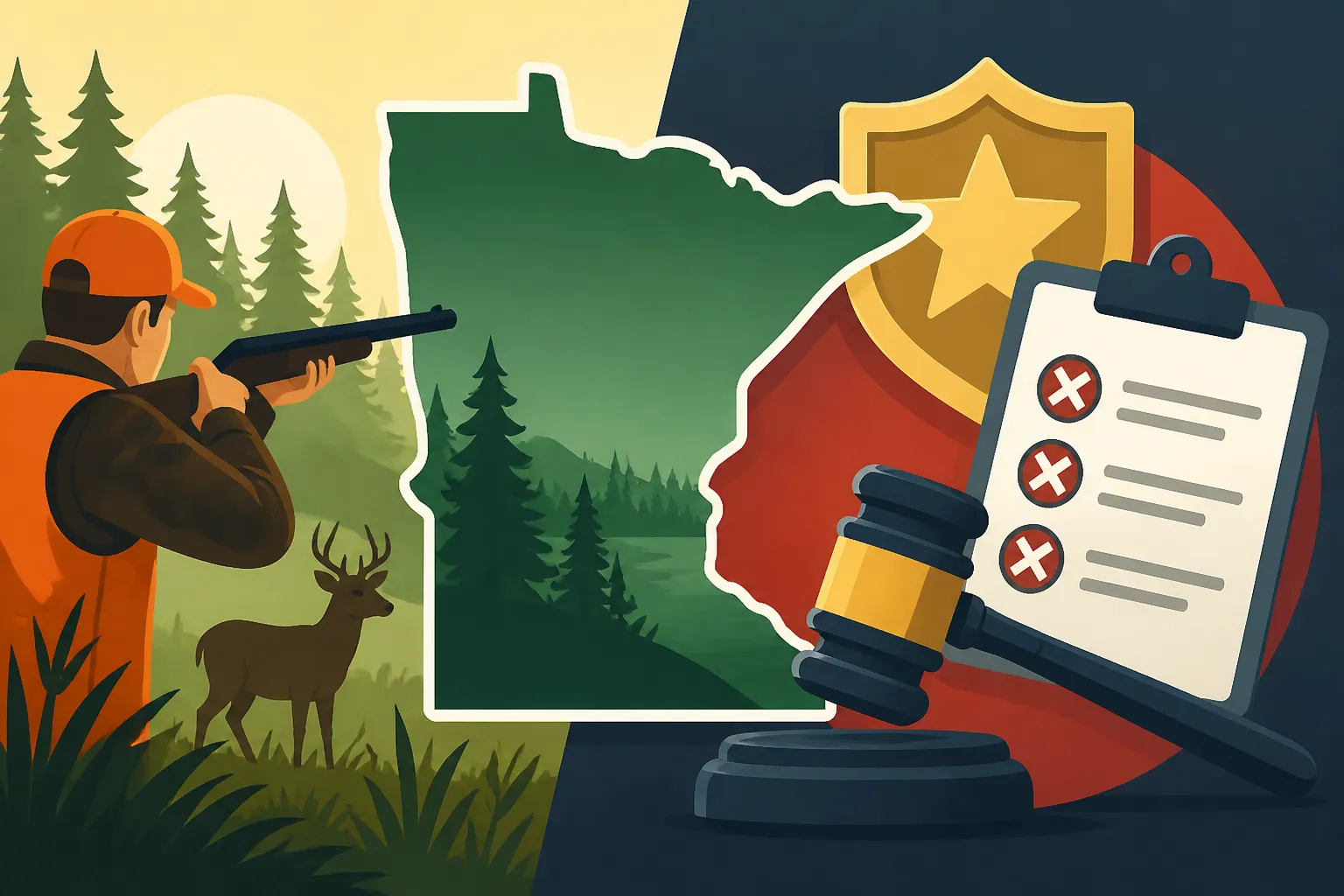
It's easy to get caught up in the excitement of hunting season, but a simple mistake or a deliberate shortcut can lead to serious legal trouble here in Minnesota. Many hunters don't fully grasp the potential fallout from breaking wildlife laws, and the consequences can range from hefty fines to losing your hunting privileges for years, or even jail time. This guide is all about shedding light on Minnesota wildlife violation penalties, so you can understand what's at stake and how to stay on the right side of the law.
Understanding the Legal Framework of Wildlife Violations
Navigating the rules of hunting can sometimes feel like trying to track a ghost through a blizzard—confusing, right? But the Minnesota Department of Natural Resources (DNR) takes wildlife violations very seriously, and ignorance of the law is rarely an excuse. Understanding the basic categories of violations and the principles behind them is your first line of defense. It's not just about knowing what not to do, but understanding why certain actions carry specific weight in the eyes of the law.
The Difference Between Misdemeanors and Gross Misdemeanors
In Minnesota, most wildlife violations fall into one of two main categories: misdemeanors or gross misdemeanors. A misdemeanor is generally a less severe offense, but don't let that fool you—it can still come with significant fines and potential hunting privilege revocation. Think of things like not possessing the correct Minnesota Hunting Licenses and What They Cost or failure to properly tag an animal immediately after harvest. These are often infractions that might seem minor on the surface but are crucial for proper game management and enforcement.
Gross misdemeanors, however, are a whole different beast. These are far more serious and carry much heavier penalties, including larger fines, extended jail time (up to a year), and often longer periods of hunting privilege revocation. Gross misdemeanors usually involve more egregious acts, like taking an animal out of season, hunting without a license, or repeated offenses. For example, spotlighting deer at night or selling illegally taken game would almost certainly fall into the gross misdemeanor category. The line between these two can sometimes feel blurry, but generally, the more intent, damage, or disrespect for the resource involved, the higher the classification.
Intent, Negligence, and Strict Liability
The legal system often looks at a hunter's state of mind when a violation occurs. Did you intend to break the law, or was it a genuine accident? This often comes down to intent versus negligence versus strict liability. Intent means you knowingly and willfully committed the act. For instance, if you intentionally hunt deer outside of the legal Minnesota Deer Seasons and Permit Areas for your zone, that's clear intent. This will almost always result in the most severe penalties.
Negligence, on the other hand, might mean you didn't mean to break the law, but you failed to exercise reasonable care to avoid the violation. Perhaps you didn't thoroughly check the regulations for a specific permit area, or you shot before you positively identified your target. While not as severe as intent, negligence can still result in significant penalties because, as a hunter, you're expected to know and adhere to the rules.
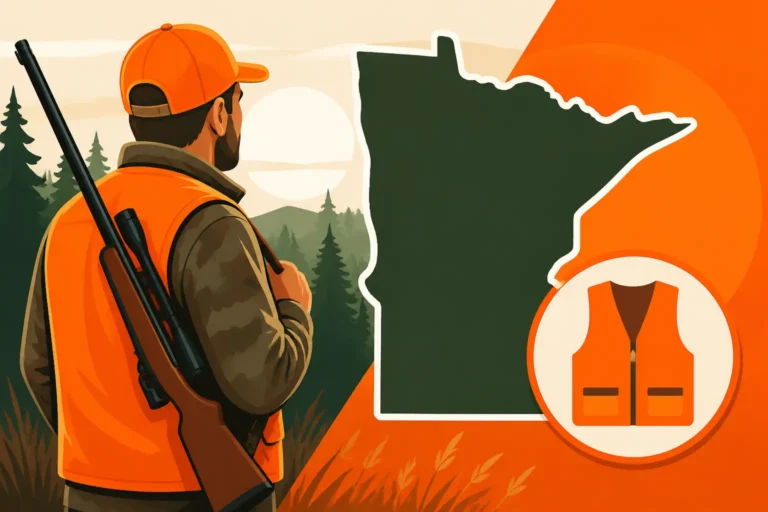
Then there's strict liability, where intent or negligence doesn't really matter. If you commit the act, you're guilty, period. Many hunting regulations fall under strict liability. For example, if you don't wear the required Minnesota Blaze Orange Requirements during the firearm season, it doesn't matter if you forgot or didn't understand the rule; the act itself is the violation. This is why it's so incredibly important to be meticulous in understanding and following all regulations, because sometimes, there's no wiggle room.
The Role of Conservation Officers
Minnesota's Conservation Officers (COs) are the frontline guardians of our natural resources and the enforcers of wildlife law. Their job is multifaceted, covering everything from educating the public to investigating complex poaching operations. When you encounter a CO in the field, remember they are there to ensure fair chase, ethical behavior, and the sustainability of our game populations. They have broad authority to stop and inspect hunters, vehicles, and game.
COs are highly trained professionals, and they are usually excellent resources for clarification on regulations. Don't hesitate to ask a question if you're unsure about a rule. However, their primary duty is enforcement, and they take violations seriously. They gather evidence, write reports, and often serve as expert witnesses in court. Their presence is a critical component of preventing violations and ensuring that everyone plays by the same rules, which ultimately protects hunting for future generations.
Common Minnesota Hunting Violations and Associated Penalties
Let's get down to the brass tacks: what are some of the most common ways hunters run afoul of the law in Minnesota, and what kind of trouble can that land you in? It's often the seemingly small mistakes or temptations that lead to the biggest headaches. Knowing these pitfalls can help you steer clear.
License and Permit Infractions
This category covers a wide array of violations related to having the correct paperwork. Simple mistakes, like forgetting to carry your physical license or carrying an expired one, can result in fines. More serious offenses include hunting without any license whatsoever, purchasing a resident license when you're a nonresident, or applying for tags you're not eligible for. For example, if you fail to properly apply for an antlerless tag in a lottery area, and then harvest an antlerless deer there, you could face significant penalties.
- Hunting Without a Valid License/Tag: This is a big one. Expect substantial fines, often hundreds of dollars, and a mandatory loss of hunting privileges. The duration of this revocation can vary based on the specific game animal and whether it's a first offense, but it's typically a minimum of one year and can be much longer. This applies across all species, from deer to waterfowl.
- False Information on Applications: Misrepresenting your residency, age, or previous violation history to obtain a license is a serious offense. This could lead to gross misdemeanor charges, significant fines, and lengthy revocations, as it undermines the entire licensing system.
- Failure to Endorse/Validate: Depending on the species, you might need specific endorsements or validations in addition to your base license. Forgetting to sign a federal duck stamp or not validating your deer tag immediately after harvest are common errors. While sometimes treated as a lesser offense, it can still lead to fines and potentially the confiscation of game.
Poaching and Illegal Take
This is where the term "poaching" truly applies, encompassing violations related to illegally taking, possessing, or transporting game. This is by far the most serious category, as it directly impacts game populations and the ethical foundation of hunting.
- Taking Game Out of Season or After Legal Shooting Hours: Whether it's shooting a deer two weeks before the opener or harvesting a duck a half-hour past Minnesota Legal Shooting Hours, this is a serious violation. Penalties include significant fines, restitution for the animal, and extended license revocations. For big game, this often means a gross misdemeanor charge.
- Exceeding Bag Limits: Shooting more than the legal limit of pheasants or ducks, or harvesting multiple deer when only one is allowed, directly impacts conservation efforts. Fines are often assessed per animal over the limit, plus restitution for each illegal animal, and a revocation of privileges.
- Using Illegal Methods: This includes things like spotlighting, using an illegal caliber firearm, hunting from a motor vehicle (except under specific disability permits), or hunting deer with a fully automatic weapon. These methods give an unfair advantage and are strictly prohibited. Penalties are severe, often involving confiscation of equipment (vehicles, firearms), large fines, jail time, and multi-year license revocations.
- Taking Protected Species: Hunting or possessing species that are not open to harvest, or are specifically protected (e.g., eagles, certain songbirds), carries extremely heavy penalties, including federal charges in some cases, massive fines, and lengthy prison sentences.
Baiting and Feeding Restrictions
Baiting and feeding wildlife, especially deer, is a hot-button issue in Minnesota due to disease transmission concerns, particularly Chronic Wasting Disease (CWD). The rules on baiting are complex and vary by permit area, but violations are taken seriously. It's not just about what's legal but what's ethical for the health of the herd.
- Hunting Over Bait: Intentionally hunting deer or bear over bait where it's prohibited is a direct violation. Even if you didn't place the bait, if you hunt over it knowingly, you're in violation. Fines can be substantial, and hunting privileges will likely be revoked. In CWD management zones, the penalties for baiting can be even more severe.
- Placing Illegal Bait: Simply putting out bait where it's illegal, even if you don't hunt over it, is a violation. This often carries fines and is designed to prevent the congregation of animals that can spread disease. Be extremely careful when doing things like Building and Freshening a Minnesota Bear Bait that you understand the specific area's regulations.
- Feeding Deer in Prohibited Areas: Beyond hunting, feeding deer in certain areas of Minnesota is banned year-round to prevent disease spread. Violating these feeding bans can result in fines, even if you're not actively hunting.
Chronic Wasting Disease CWD Violations
CWD is a serious threat to Minnesota's deer herd, and the DNR has implemented strict rules to manage its spread. Violations related to CWD are designed to protect the health of the entire deer population and hunting tradition. Understanding Minnesota's Four-Year CWD Testing Rotation and specific zone rules is critical.
- Failure to Submit Samples for Mandatory Testing: In designated CWD mandatory testing zones, hunters are required to submit deer heads for sampling. Failure to do so by the deadline is a violation and can result in fines. This regulation is crucial for monitoring the disease.
- Illegal Carcass Movement: Transporting whole deer carcasses or certain high-risk parts (brain, spinal cord) out of CWD management or surveillance zones is strictly prohibited. This is to prevent inadvertently spreading the prion responsible for CWD. Penalties for illegal carcass movement can include significant fines and potential revocation of hunting privileges.
- Baiting/Feeding in CWD Zones: As mentioned above, baiting and feeding restrictions are often heightened in CWD zones. Violations here are seen as directly contributing to disease risk and carry more severe consequences than in non-CWD areas.
Trespassing and Public Land Misuse
Respect for land ownership, whether private or public, is a cornerstone of ethical hunting. Ignoring property boundaries or misusing public lands not only creates legal trouble but also gives hunters a bad name. Utilizing tools from GoHunt or the Scouting With the Minnesota Recreation Compass App can help clarify boundaries.
- Hunting on Private Land Without Permission: This is a serious trespass violation. Even if you're "just tracking" a deer onto private land, you need permission. Penalties often include fines, and property owners can pursue civil action. Repeated or egregious trespass can lead to license revocation.
- Leaving Waste or Damage on Public Land: Littering, cutting trees without authorization, or damaging public property on Public Hunting Land in Minnesota are all violations. These can result in fines, clean-up costs, and in severe cases, charges for property damage.
- Unauthorized Vehicle Use: Driving off-road or using ATVs in prohibited areas on state forests or WMAs can result in fines and damage to sensitive habitats. Always check specific regulations for vehicle use on public lands.
- Leaving Treestands/Blinds Illegally: Many public land areas have rules about when and how long treestands or ground blinds can be left. Leaving them past the allowed dates can result in their confiscation and fines.
Beyond the Fine: Broader Consequences of Violations
When you commit a wildlife violation, the consequences often extend far beyond just paying a fine. These broader impacts can affect your ability to hunt, your reputation, and even your freedom, making a moment of poor judgment incredibly costly in the long run.
Loss of Hunting Privileges (Revocation)
This is often the most devastating penalty for a passionate hunter. The DNR has the authority to revoke your hunting, fishing, and trapping privileges for varying lengths of time, depending on the severity and nature of the violation.
- Duration: Revocation periods can range from one year for minor offenses to ten years or even a lifetime ban for egregious poaching or repeat offenders. Imagine having to sit out ten hunting seasons because of a single, reckless act. That's a huge loss of enjoyment and tradition.
- Nationwide Impact: Thanks to the Interstate Wildlife Violator Compact, a revocation in Minnesota can mean a revocation in many other states across the country. So, if you lose your privileges here, you might not be able to hunt in Wisconsin, North Dakota, or even out west with a service like GoHunt's state-specific regulations database, effectively shutting down your hunting opportunities across a huge geographic area.
- Reinstatement: Reinstating privileges often involves a formal application process, proving you've paid all fines and fulfilled all court orders, and sometimes a mandatory waiting period even after your revocation period is over. It's not automatic.
Restitution for Illegally Taken Game
This is a unique aspect of wildlife law. In addition to fines, if you illegally take an animal, you may be ordered to pay restitution—a financial penalty that represents the monetary value of that particular game animal. This isn't just about the market value of the meat; it's about the value of the species as a public resource.
Here's a look at some current restitution values for game animals in Minnesota. These numbers can change, so always check the latest regulations.
| Game Animal | Restitution Value (Approx.) |
|---|---|
| Deer | $500 – $1,000+ |
| Bear | $500 – $1,000+ |
| Elk | $1,000 – $2,000+ |
| Moose | $1,000 – $2,000+ |
| Turkey | $200 |
| Small Game (e.g., Pheasant) | $50 – $100 |
| Waterfowl (e.g., Duck) | $50 – $100 |
Note: These are approximate values and can increase significantly for trophy animals, repeated offenses, or especially egregious violations. For instance, the restitution for a trophy deer could be much higher than the base amount.
Imagine poaching a trophy-class whitetail. You could face a $1,000 fine, a $1,000 restitution fee, legal fees, loss of your truck and rifle, and a five-year hunting ban. That's a steep price for a moment of poor judgment.
Criminal Records and Jail Time
While many minor hunting violations result in civil infractions or misdemeanors, more serious offenses can lead to gross misdemeanor or even felony charges.
- Gross Misdemeanors: As mentioned, these carry the possibility of up to a year in county jail, in addition to significant fines and revocations. Examples include repeat offenses, selling illegally taken game, or egregious poaching.
- Felonies: In rare but severe cases, such as large-scale commercial poaching operations or violations involving violence, felony charges can be filed. Felonies result in state prison time, substantial fines, and a permanent criminal record that affects everything from employment to voting rights.
- Impact on Background Checks: Even a misdemeanor wildlife violation can show up on background checks, potentially impacting employment opportunities, especially in fields requiring ethical conduct or firearm possession.
Impact on Reciprocity Agreements
The Interstate Wildlife Violator Compact is a powerful tool. If your hunting privileges are revoked in Minnesota, that revocation is recognized and enforced in almost all other member states. This means if you commit a serious violation here, you can't just drive to Iowa or Montana and buy a new license. This compact ensures that individuals who violate wildlife laws cannot simply escape justice by crossing state lines, emphasizing the shared commitment to conservation across North America. It's a sobering thought that one mistake could cut you off from hunting entirely, even if you planned a dream hunt using resources like GoHunt to find new opportunities.
Staying Legal: Tips for Responsible Hunting in Minnesota
The best way to avoid all these penalties is, of course, to simply not violate any laws! But in a state with diverse ecosystems and complex regulations, that's sometimes easier said than done. Here are some actionable tips to ensure you're always hunting responsibly and legally.
Know the Regulations Inside and Out
This might sound obvious, but it's astonishing how many hunters only skim the regulations. You absolutely must take the time to read, understand, and re-read the Minnesota hunting regulations booklet every single year. Seasons, bag limits, and specific rules can change.
- Specifics Matter: Don't just know the general deer season dates; know the specific permit area rules for where you'll be hunting. Understand whether it's an intensive, managed, or lottery area, and what that means for your tag. Familiarize yourself with all Minnesota Hunter Safety Requirements before hitting the field.
- Check DNR Website Updates: The DNR website is constantly updated with rule changes, CWD zone modifications, and emergency closures. Make it a habit to check before each season and even during the season if you hear of any potential changes. Official sources are key.
- Utilize Apps and Resources: Digital platforms have made access to regulations easier than ever. Apps like the official Minnesota DNR app or third-party mapping apps often include links or summaries of regulations. Just ensure they are up-to-date.
Utilizing Technology and Resources
Modern technology isn't just for finding deer; it's also a powerful tool for staying compliant.
- Mapping Apps: Use apps like onX Hunt or GoHunt to clearly define property lines, public land boundaries, and even CWD zone borders. This is invaluable for avoiding accidental trespass and ensuring you're hunting in legal areas. Reading Aerial Photos for Big Woods Deer in conjunction with property layers can show you where public land gives way to private, helping you avoid mistakes.
- GPS Devices: A dedicated GPS unit or a reliable GPS app on your phone can keep you oriented in the woods and prevent you from unknowingly crossing into restricted areas or private land. Remember to download offline maps if you're hunting in areas without cell service.
- DNR Information Line: When in doubt, call the DNR's information line or your local conservation officer. Getting direct clarification from the source is always the best approach. Don't rely on "what my buddy said" if there's any ambiguity.
When in Doubt, Ask a CO
Conservation Officers are not just enforcers; they are also educators. If you are genuinely unsure about a specific regulation, a boundary, or a legal method, reach out to them before you act. They would much rather answer a question and prevent a violation than write a ticket.
- Be Polite and Respectful: Treat COs with the respect they deserve. They are working to protect our resources and ensure fair chase. A positive interaction can go a long way.
- Don't Guess: Never guess when it comes to wildlife law. The stakes are too high. A quick call or email can save you thousands of dollars, your hunting privileges, and a lot of heartache.
- Report Violations: If you witness a suspected violation, report it to the TIP (Turn In Poachers) line. This is a confidential way to help protect Minnesota's wildlife resources from those who would exploit them. It's about preserving the privilege of hunting for everyone.
By staying informed, utilizing available technology, and prioritizing ethical and legal conduct, you can ensure your Minnesota hunting experiences remain positive, memorable, and free from the heavy burden of penalties. Happy hunting, and stay safe out there!
Disclaimer
The information provided in this article is for general informational purposes only and does not constitute legal advice. Hunting regulations, laws, and associated penalties are subject to change. Always consult the most current official Minnesota Department of Natural Resources (DNR) regulations and, if necessary, seek legal counsel for specific situations. The author and publisher are not responsible for any actions taken based on the information presented herein.