Minnesota Pheasant Stamp Requirement
Navigating the myriad of licenses and stamps required for hunting in Minnesota can feel like a maze, especially when you're just trying to enjoy a crisp fall day chasing pheasants. Many hunters, new and seasoned alike, often wonder about the specific requirements for different game species, and the pheasant stamp is one that frequently comes up. This guide aims to demystify the Minnesota pheasant stamp, detailing who needs it, what it supports, and how you can make sure you're properly licensed before heading out into the fields.
Understanding the Minnesota Pheasant Stamp
The Minnesota pheasant stamp isn't just another piece of paper to carry; it's a vital component of the state's pheasant management and conservation efforts. Think of it as your direct contribution to ensuring healthy pheasant populations and accessible hunting opportunities for years to come. While it might seem like a small detail, understanding its purpose and requirements is crucial for any pheasant hunter.
Who Needs to Buy the Pheasant Stamp?
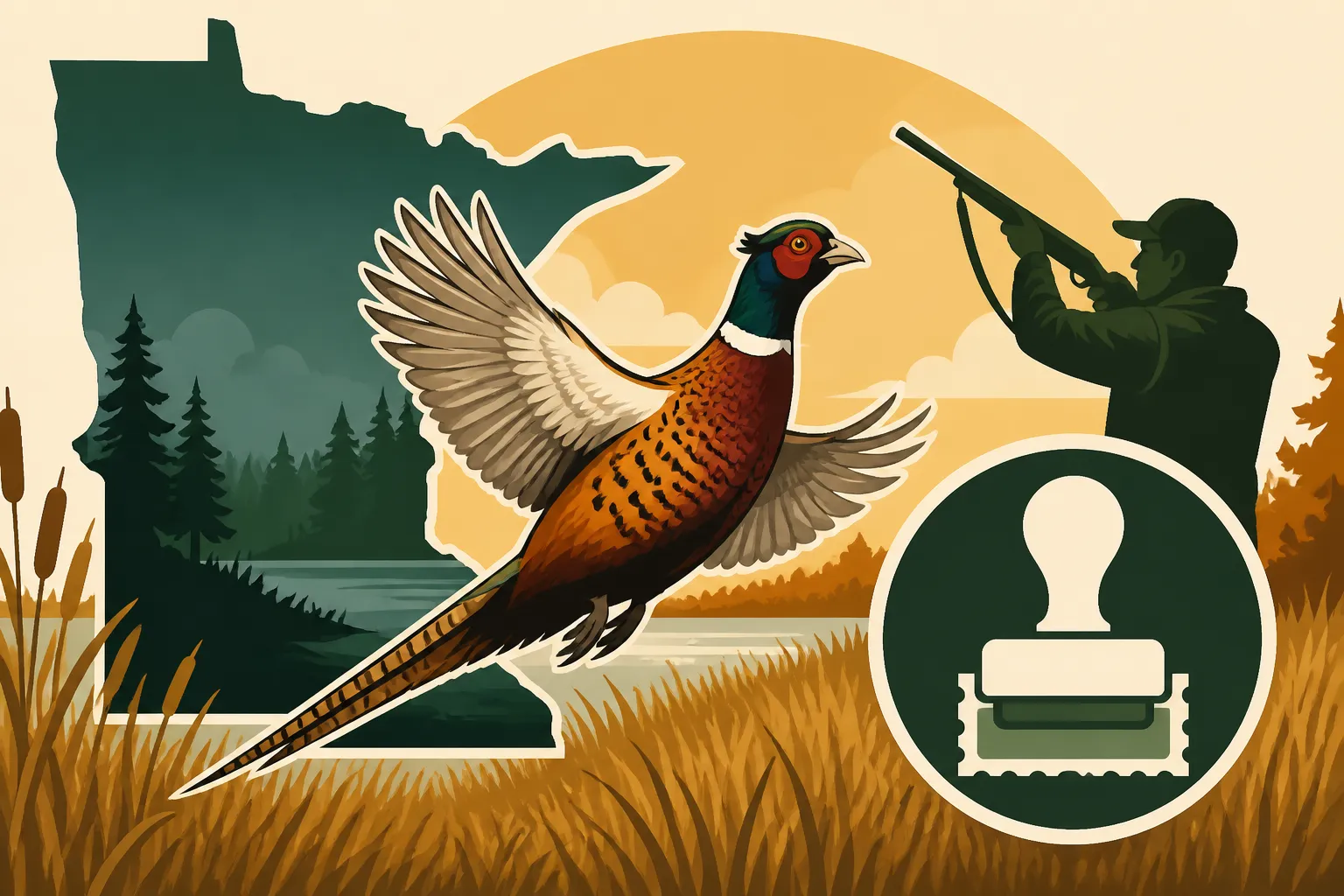
Let's cut right to the chase: if you're planning to hunt pheasants in Minnesota, chances are you'll need this stamp. The Minnesota Department of Natural Resources (DNR) mandates that anyone aged 18 through 64, regardless of residency status, must possess a valid pheasant stamp to legally hunt pheasants in the state. This means whether you're a long-time resident Minnesotan or visiting from out of state for the excellent Pheasant Hunting Minnesota Farmland opportunities, this stamp is a must-have if you fall within that age bracket.
There are, of course, a few exceptions to this rule. Youth hunters, specifically those under the age of 18, are exempt from needing to purchase the pheasant stamp. This is a fantastic way to encourage younger generations to get involved in hunting without added financial barriers. Similarly, hunters aged 65 and older are also exempt from this requirement. It's designed to make hunting more accessible for both ends of the age spectrum. For everyone in between, however, that stamp needs to be in your possession. It’s always a good idea to double-check the latest regulations, especially if you're using a platform like GoHunt to manage your licenses, as rules can occasionally change or be updated. Make sure your small game license is also up-to-date, as the pheasant stamp is typically purchased in conjunction with your Minnesota Small Game License Requirements.
What the Pheasant Stamp Funds
Many hunters buy their licenses and stamps without truly knowing where their hard-earned money goes. With the pheasant stamp, your contribution has a very direct and tangible impact on the future of pheasant hunting in Minnesota. The revenue generated from these stamp sales is specifically earmarked for habitat improvement and management programs dedicated to pheasants.
Imagine the sprawling grasslands and diverse landscapes that pheasants call home. These areas don't just happen; they require careful planning, planting, and maintenance. Your pheasant stamp dollars directly fund projects that enhance, restore, and preserve crucial pheasant habitat across the state, particularly in the prime pheasant country of southwestern Minnesota. This includes initiatives such as planting native grasses, establishing food plots, creating winter cover, and managing wetlands. These efforts are absolutely vital, especially considering the challenges of Winter Cover Loss and Minnesota Pheasants. More habitat means more pheasants, which in turn means better hunting opportunities for everyone. It also helps secure public access to these enhanced lands, ensuring hunters have places to pursue these vibrant birds.
How to Purchase Your Minnesota Pheasant Stamp
Acquiring your Minnesota pheasant stamp is a straightforward process, designed to be as convenient as possible for hunters. Whether you prefer the ease of online transactions or the traditional route of an in-person purchase, Minnesota offers several options to ensure you're compliant before the Minnesota Pheasant Season Opening Day.
Online and In-Person Purchase Options
For many, the quickest and easiest way to secure their pheasant stamp (and other necessary licenses) is online. The Minnesota DNR's website is the primary portal for this. You can simply navigate to their licensing section, select the appropriate small game license, and add the pheasant stamp to your cart. The process is generally user-friendly, allowing you to pay with a credit card and print your license or save it digitally to your phone. It's often recommended to do this well in advance of your hunt to avoid any last-minute tech glitches or forgotten passwords. Third-party platforms, like GoHunt, can also streamline this process by offering integrated licensing services where you can manage all your hunting documents in one place, making it easier to ensure you have everything you need, from your Minnesota Resident Small Game License Cost to your specific stamps.
If you prefer a more traditional approach, or simply find yourself needing a stamp on short notice, in-person vendors are widely available throughout the state. These typically include:
- DNR License Agents: Many bait shops, sporting goods stores, and even some general stores act as official DNR license agents.
- County Auditor Offices: Your local county office can often issue hunting licenses and stamps.
- State Parks and Recreation Areas: Some state parks may offer license sales, especially those in prime hunting regions.
When purchasing in person, just be sure to have a valid form of identification and be prepared to provide any necessary information, such as your DNR customer ID number if you have one.
Combining with Other Licenses and Requirements
It's important to remember that the pheasant stamp is usually an add-on to your base hunting license. It's not a standalone permit. Here's a quick rundown of what you'll typically need to hunt pheasants in Minnesota:
- Small Game License: This is your fundamental license for hunting most small game species, including pheasants.
- Minnesota Pheasant Stamp: Required for hunters aged 18-64.
- HIP Certification: The Harvest Information Program (HIP) certification is a federal requirement for all migratory bird hunters, including those who hunt certain upland birds. While pheasants aren't migratory in the same way ducks are, HIP certification is often a bundled requirement with small game licenses if you plan to hunt other species that fall under migratory bird rules. Always check if it applies to your specific hunt.
Here's a handy table to keep track:
| Requirement | Who Needs It | Purpose |
|---|---|---|
| Small Game License | All hunters (exceptions for youth, seniors) | Base license for hunting most small game species |
| Pheasant Stamp | Hunters aged 18-64 | Funds pheasant habitat and management |
| HIP Certification | All migratory bird hunters | Federal program for gathering harvest data |
| Firearms Safety (FAS) | Hunters born after December 31, 1979 | Ensures safe and responsible hunting practices |
Remember, hunting responsibly means being fully informed and compliant with all regulations. Don't let a missing stamp or forgotten certification spoil a day out Pheasant Hunting a Slough Edge or Working a Shelterbelt for Roosters.
Exemptions and Special Considerations
While the general rules for the Minnesota pheasant stamp are pretty clear, there are always those specific scenarios or demographics that warrant a closer look. Understanding these exemptions and what can happen if you don't follow the rules is just as important as knowing how to buy the stamp in the first place.
Age and Residency Exemptions
As mentioned earlier, youth hunters under 18 years of age are a notable exemption. This allows young people to experience the joy of hunting without the added cost, fostering a love for the outdoors from an early age. Similarly, Minnesotans aged 65 and older are also exempt from the pheasant stamp requirement. These exemptions are a testament to the state's commitment to making hunting accessible across generations. It’s a great way to ensure that Minnesota's rich hunting traditions continue to thrive. However, remember that even if exempt from the stamp, other licenses, like the base small game license, might still be required depending on their age and specific situation. For instance, a youth hunter typically still needs to complete a firearms safety course if they fall within certain age parameters, unless they are participating in a mentored youth hunt.
Non-residents also need to pay close attention. While the age exemptions (under 18 and 65+) apply to non-residents as well, those non-resident hunters aged 18-64 must purchase the pheasant stamp in addition to their non-resident small game license. Minnesota's pheasant hunting draws enthusiasts from all over, especially given the state's success with Minnesota Pheasant Numbers Today in key regions like the southwest. So, if you're traveling to Minnesota to hunt, make sure you factor in all required licenses and stamps, including the pheasant stamp, to avoid any issues.
Penalties for Hunting Without a Stamp
Ignoring hunting regulations, even seemingly minor ones like forgetting a stamp, can lead to unwelcome consequences. Minnesota's conservation officers are out in the field to ensure fair chase and adherence to game laws, which ultimately protects our wildlife resources. If you're caught hunting pheasants without the required stamp, you could face penalties.
These penalties typically involve:
- Fines: You'll likely receive a citation with a monetary fine. The amount can vary depending on the specific circumstances and if there are other violations involved.
- Loss of Privileges: In more severe cases, or for repeat offenses, you could face a temporary suspension of your hunting privileges. This means you might not be allowed to hunt for a certain period, which is a major blow for any passionate hunter.
- Confiscation: In some instances, game taken could be confiscated, and hunting equipment might also be seized.
The message is clear: it's simply not worth the risk. Always double-check your licenses and stamps before you head out. A quick review of your GoHunt profile or physical license wallet can save you a lot of headache. Staying current with regulations is part of being a responsible hunter, whether you're working a field for Late-Season Pheasant Tactics in Deep Snow or trying to Run-and-Gun Turkey Tactics on Public Land. The small cost and effort of buying the pheasant stamp far outweigh the potential penalties and the damage it does to the integrity of our hunting community.
Ultimately, the Minnesota pheasant stamp is more than just a regulatory hurdle; it's an investment in the future of pheasant hunting in the state. By purchasing your stamp, you're directly contributing to the habitat restoration and management efforts that keep pheasant populations healthy and provide continued opportunities for hunters to enjoy the thrill of flushing a colorful rooster. So, before you head out for your next pheasant adventure, take a moment to ensure you're properly licensed and stamped. It's a small act that makes a big difference for Minnesota's pheasants.
Disclaimer
The information provided in this guide is for general informational purposes only and does not constitute legal advice. Hunting regulations can change, and it is the hunter's sole responsibility to consult the most current Minnesota Department of Natural Resources (DNR) regulations and statutes before engaging in any hunting activities. Always verify specific requirements, seasons, and zones.