Minnesota Feeding and Baiting Bans in CWD Zones
It's incredibly frustrating, isn't it, when you're trying to do the right thing for wildlife and follow the rules, but the regulations surrounding Chronic Wasting Disease (CWD) seem to change or get more complicated every year? Hunters and landowners in Minnesota often find themselves scratching their heads, wondering exactly what "feeding" and "baiting" really mean in designated CWD zones. This comprehensive guide is here to clear up that confusion, diving deep into the current bans, why they exist, and how they impact your hunting and wildlife viewing habits across the state.
The Silent Threat: How CWD Spreads and Why Bans Exist
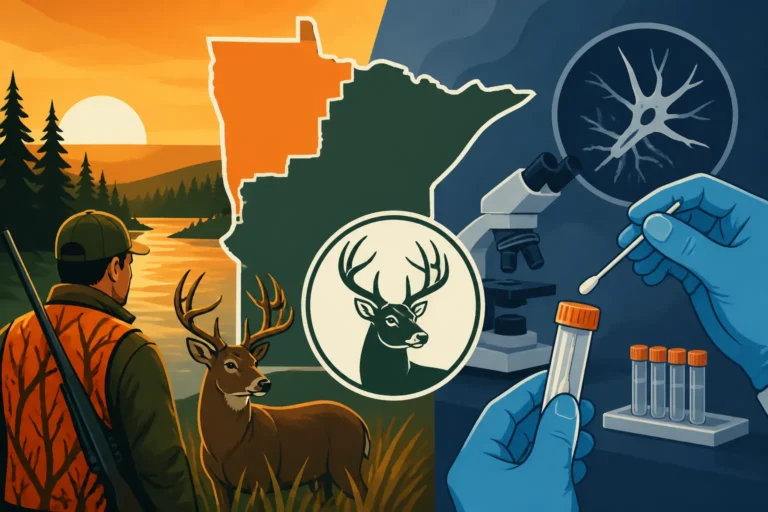
Chronic Wasting Disease (CWD) is a devastating neurological disease that affects cervids – deer, elk, and moose. It's often called a "silent killer" because it can take a long time for symptoms to appear, and by then, the animal is already shedding infectious prions into the environment. This disease poses a significant threat to Minnesota's beloved deer herd, and that's precisely why the state has implemented strict measures, including feeding and baiting bans.
Understanding the Mechanism of CWD Transmission
CWD is caused by abnormal proteins called prions, not a bacteria or virus. These prions accumulate in the brain and other tissues, leading to inevitable death. The scariest part about CWD is how incredibly persistent these prions are in the environment. They can remain viable in soil, water, and even on vegetation for years, potentially infecting new deer that come into contact with them. The disease can spread directly from animal to animal through saliva, urine, and feces. It can also spread indirectly through the environment when a healthy deer comes into contact with contaminated soil or plants. This complex transmission cycle makes it incredibly difficult to contain once it takes root in a population. To learn more about this threat, check out our deep dive into Chronic Wasting Disease in Minnesota Deer.
Scientific Basis for Baiting and Feeding Prohibitions
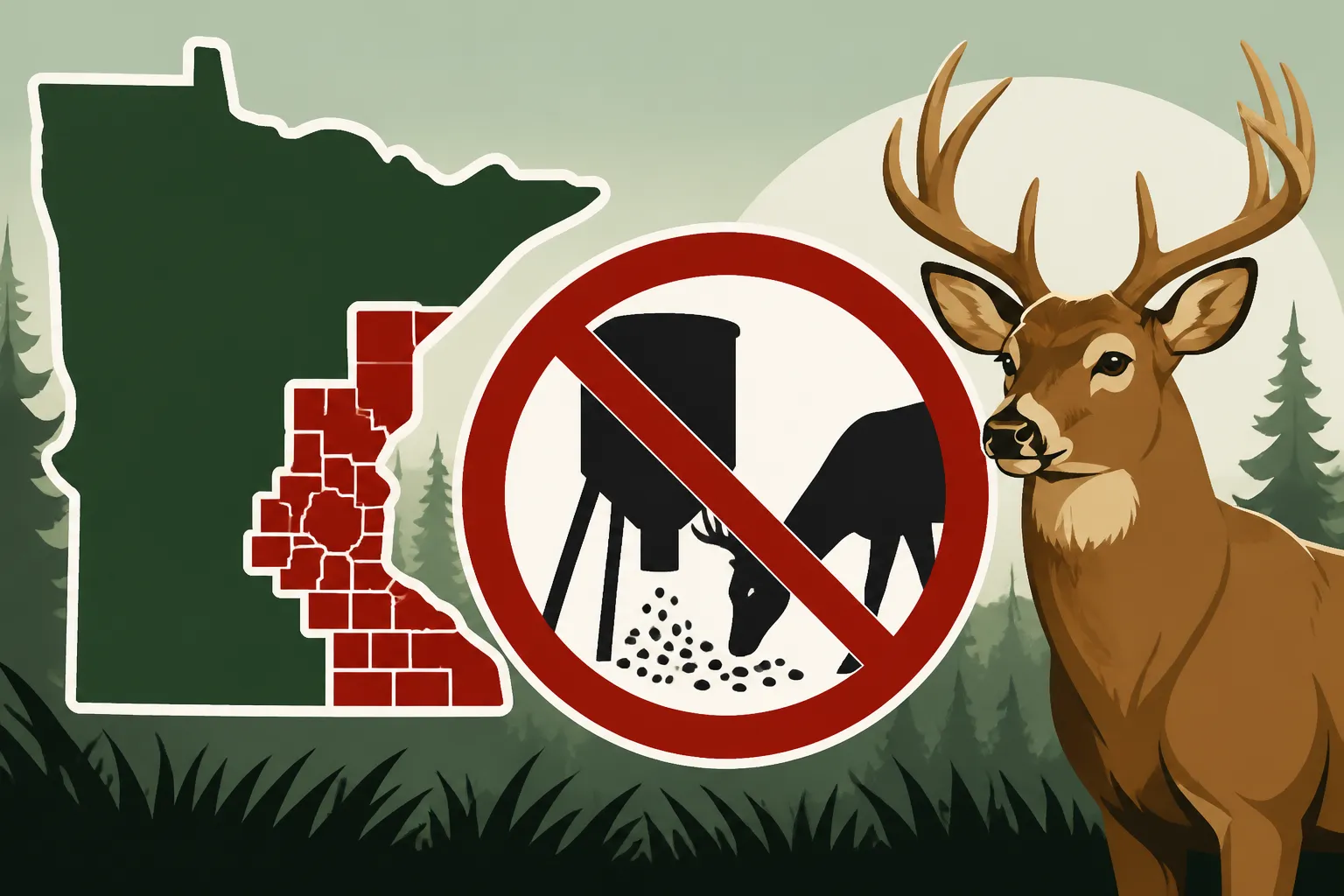
So, why the bans on feeding and baiting? It boils down to congregation. When you place bait or supplemental feed, you're essentially creating a deer hotspot. This unnatural concentration of deer increases direct contact between animals, facilitating the rapid exchange of body fluids and, consequently, the spread of CWD prions. It's like putting a bunch of kids with a contagious illness in a small room – the disease will spread much faster. Scientific studies have shown a clear link between baiting and feeding practices and higher CWD prevalence rates in deer populations. The Minnesota Department of Natural Resources (DNR) uses these scientific findings to guide its management decisions, understanding that limiting these congregations is a critical tool in slowing the spread and protecting our deer. It's not about making hunting harder; it's about safeguarding the future of the herd for everyone.
Navigating Minnesota's CWD Zones and Associated Bans
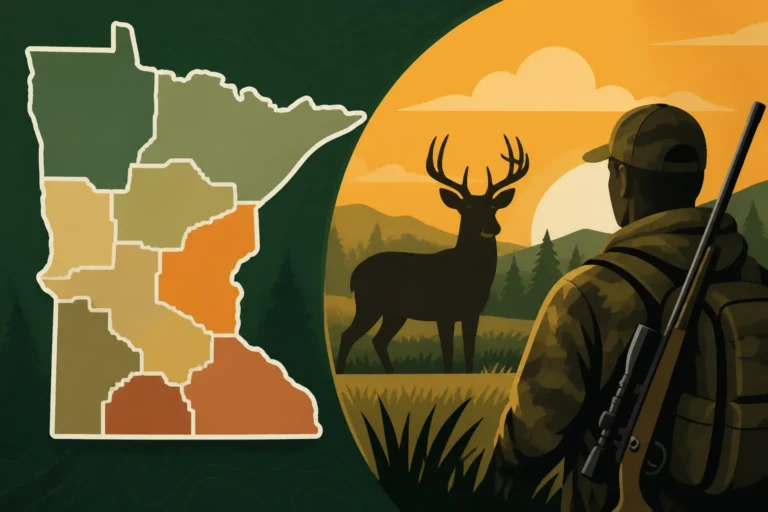
Minnesota's CWD management strategy involves identifying specific zones where the disease has been detected or is considered a high risk. These zones come with their own set of rules, and understanding them is paramount for any hunter or landowner. The zones are not static; they can change based on new detections and surveillance efforts, which adds another layer of complexity.
Identifying Current CWD Management and Surveillance Zones
The Minnesota DNR designates two primary types of CWD zones:
- CWD Management Zones (MZ): These are areas where CWD has been detected in wild deer. They are subject to the strictest regulations, including mandatory testing, carcass movement restrictions, and, critically, feeding and baiting bans. These zones are usually smaller, focused areas around known CWD detections.
- CWD Surveillance Zones (SZ): These are areas adjacent to or otherwise at high risk of CWD, even if no positive cases have been found there yet. They often serve as a buffer to the Management Zones. While regulations here might be less stringent than MZs, feeding and baiting bans often apply to minimize the risk of spread.
It's vital to stay updated on which permit areas or counties fall into these zones. The DNR updates this information regularly, and what was a surveillance zone last year might be a management zone this year. Tools like the Scouting With the Minnesota Recreation Compass App can often help visualize these boundaries, but always cross-reference with the official DNR website.
Understanding the Specific Rules for Each Zone
The specific feeding and baiting rules differ slightly between management and surveillance zones, but the general principle is the same: no intentionally providing food that concentrates deer.
In CWD Management Zones, the feeding and baiting ban is typically comprehensive and strictly enforced. This means no placing or distributing feed, salt, mineral, or other attractants that could be consumed by or attract deer. This also includes things like deer urine or other lures that are designed to attract deer to a specific spot. The intent is to eliminate any reason for deer to congregate unnaturally. Hunters in these areas also need to be aware of Minnesota Carcass Movement Restrictions to prevent further spread of the disease.
In CWD Surveillance Zones, the bans are often similar, though there might be nuances. It's always best to assume a full ban on baiting and feeding for deer in these areas unless explicitly stated otherwise by the DNR. The logic is that even in surveillance zones, minimizing deer congregation is a proactive measure against CWD taking hold.
It’s not just about the type of feed, but the intent. If you're putting something out that deer will eat, and it brings them together, it's likely prohibited. This is where many people get confused, thinking a small mineral block won't hurt, but in these zones, it absolutely can.
Here’s a quick overview of the typical rules by zone type:
| CWD Zone Type | Feeding/Baiting Ban | CWD Testing | Carcass Movement Restrictions | Intent for Deer Congregation |
|---|---|---|---|---|
| Management Zone | Strictly Prohibited | Mandatory | Yes | Eliminate |
| Surveillance Zone | Strictly Prohibited | Often Mandatory | Yes (sometimes) | Minimize |
| Non-CWD Zone | Check Local Ordinances/Laws | Not Mandatory | No | Avoid for health concerns |
Note: This table provides a general guideline. Always verify current regulations directly with the Minnesota DNR as rules can change annually.
Staying Informed About Zone Changes
Because CWD zones are dynamic, staying current with the latest DNR announcements is critical. A county or permit area that wasn't a CWD zone last year might be one this season due to a new detection. Many hunters use resources like the GoHunt app or website to quickly find up-to-date information on hunting regulations and zone maps directly on their phones. It's an invaluable tool for on-the-go hunters. Make it a habit to check the Minnesota DNR website, specifically their CWD page, before each hunting season and even periodically throughout the year. Subscribing to DNR newsletters or following their social media channels can also provide timely alerts. Knowing your specific permit area's status, which you can find by looking up Minnesota Deer Seasons and Permit Areas, is your first line of defense against unintentionally violating a ban.
What Constitutes "Feeding" or "Baiting" Under Minnesota Law
The terms "feeding" and "baiting" might seem straightforward, but in the context of CWD bans, they have very specific legal definitions that can sometimes catch well-meaning individuals off guard. It's not just about dumping a pile of corn; it encompasses a much broader range of activities designed to attract deer.
Defining "Bait" and "Feed" Under Minnesota Law
Minnesota law is quite clear in its intent to prevent artificial congregation of deer. Generally, "bait" or "feed" is defined as any material, including but not limited to grains, fruits, vegetables, nuts, hay, salt, or minerals, that is placed or distributed in a manner that attracts or may attract deer. This definition is intentionally broad to cover various attractants that deer consume or are drawn to.
Let's break down what this often includes:
- Grains: This is the classic example – corn, oats, wheat, or any other grain product.
- Fruits and Vegetables: Apples, carrots, pumpkins, household scraps, anything deer would eat.
- Minerals/Salt Blocks: While these provide beneficial nutrients, if they are intentionally placed for deer in a CWD zone, they are considered bait. This can be a tough one for landowners who put out mineral blocks for their cattle, but deer also use them. If deer are using them, and it's in a CWD zone, it's likely a violation.
- Attractants: This can include commercial products like deer urine, synthetic scents, or food plot in a bag products if they are used to draw deer to a specific site.
- Lures: Any substance, including liquid or solid form, that is used to attract deer for hunting or observation.
The critical element is the intent to attract deer, or the effect of attracting deer. If you're in a CWD zone and deer are regularly congregating at a spot where you've placed something edible or attractive to them, you could be in violation, even if your primary intent wasn't "baiting" for hunting purposes. For example, bird feeders are a common point of contention. While generally allowed outside of CWD zones, if they become a consistent attractant for deer within a CWD zone, the DNR may require their removal.
Common Misconceptions and Legal Grey Areas
This broad definition inevitably leads to some confusion and common misconceptions:
- "It's just a small salt block, not a pile of corn!" While a salt block might be smaller, it still attracts deer and can cause congregation, especially if placed regularly. The size doesn't necessarily make it legal in a CWD restricted zone.
- "I'm not hunting over it, I'm just feeding them." The ban applies to all feeding, not just feeding associated with hunting. The goal is to prevent deer congregation for any reason to curb CWD spread.
- "It's just for my bird feeder." As mentioned, if a bird feeder consistently attracts deer in a CWD zone, it can become an issue. It's about the unintended consequences.
- Food plots: This is a tricky one. Generally, agricultural food plots planted for normal agricultural purposes or bona fide food plots specifically designed and planted without supplemental feed in a CWD zone are usually exempt, as they are not "placed" bait. However, enhancing a natural food source or a food plot with supplemental feed is prohibited. It's important to understand the nuance here. If you're cultivating a food plot, ensure it's not being augmented with placed feed that would constitute a violation. The GoHunt mapping tools can be quite useful for visualizing land boundaries and ensuring your food plot efforts aren't crossing into restricted areas inadvertently.
Hunters often ask about using scents like deer urine or synthetic attractants. In CWD Management and Surveillance Zones, even these non-consumable attractants that draw deer into close proximity are often banned or heavily restricted because they still facilitate congregation and potential direct transmission. Always double-check the latest regulations for your specific hunting area before deploying any attractant.
Practical Impact on Hunters and Wildlife Enthusiasts
The feeding and baiting bans in CWD zones aren't just bureaucratic hurdles; they necessitate real changes in how hunters approach the season and how property owners interact with local wildlife. These changes can be challenging, but they are crucial for the health of Minnesota's deer herd.
Adjusting Deer Hunting Strategies
For hunters accustomed to using bait or mineral sites, these bans mean a complete overhaul of their strategies. This isn't necessarily a bad thing; it forces a return to more traditional scouting and woodsmanship.
- Focus on Natural Food Sources: Instead of creating artificial food sources, spend time scouting for natural forage. Think about oak ridges for acorns, areas with browse like young aspen or dogwood, and agricultural fields (where allowed). This requires a good understanding of Late-Season Food Sources for Minnesota Whitetails and how deer utilize natural landscapes throughout the season.
- Embrace Scouting: Without bait to draw deer in, intense scouting becomes even more important. Use aerial photos, walk deer trails, identify funnels, and look for fresh sign like rubs and scrapes. Tools like the Recreation Compass or GoHunt mapping apps are invaluable for this, helping you identify potential bedding areas, travel corridors, and natural food plots without ever stepping foot on the property. Learning how to read Reading Aerial Photos for Big Woods Deer can give you a significant edge.
- Still-Hunting and Drives: Tactics like still-hunting, where you slowly move through cover, or organized deer drives, especially on public land, become more effective when deer aren't concentrated in specific bait locations. Our guide on Deer Drives With Three or Four Hunters offers some great insights into making these effective.
- Vary Your Stand Locations: Deer patterns can be less predictable without bait. Be prepared to move your treestand or ground blind based on changing deer activity, wind direction, and weather patterns. Focus on pinch points and transition zones rather than static feeding areas.
The transition can feel daunting, but it often leads to a deeper appreciation for the land and the animals you pursue. It’s about being adaptable and understanding deer movement on a fundamental level, rather than relying on artificial means.
Considerations for Landowners and Backyard Wildlife Watchers
The bans also significantly impact landowners and anyone who enjoys watching deer in their backyard.
- Property Boundaries: Landowners in or near CWD zones need to be acutely aware of their property lines and the regulations. Even if your property isn't directly in a CWD zone, if your neighbor's property is, you need to understand potential spillover effects and restrictions. This is where a resource like Finding Your Minnesota Deer Permit Area becomes essential.
- Bird Feeders and Garden Waste: As discussed, while not primarily for deer, bird feeders and compost piles or garden waste can attract deer. In CWD zones, this could lead to unwanted attention from the DNR. Consider moving bird feeders closer to your home or removing them entirely if deer are becoming regular visitors. Composting should be done in a way that is inaccessible to deer.
- Educating Neighbors: If you live in a CWD-affected area, consider having conversations with your neighbors about the bans. Many people simply aren't aware of the risks or the regulations, and a little education can go a long way in preventing unintended violations and promoting community-wide disease prevention. This is part of the collective responsibility we share to protect Minnesota's natural resources.
- Carcass Disposal: For landowners who harvest a deer, proper carcass disposal is another critical aspect in CWD zones. Specific regulations dictate how to handle deer carcasses to prevent the spread of prions. Make sure you understand these rules thoroughly.
Ultimately, these feeding and baiting bans are a collective effort to protect Minnesota's deer herd from a serious threat. While they may require adjustments to long-held traditions and practices, they are a small price to pay for the long-term health and sustainability of our cherished wildlife.
Disclaimer
The information provided in this guide is for general informational purposes only and does not constitute legal advice. Hunting regulations and CWD zone boundaries in Minnesota are subject to change. Always consult the official Minnesota Department of Natural Resources (DNR) website and current regulations handbook before engaging in any hunting activities or making decisions related to wildlife management. Compliance with all applicable laws and regulations is the sole responsibility of the individual.