Buying Minnesota Licenses by Phone
It's happened to all of us: you're packed for a weekend hunt, coffee's brewing, gear is in the truck, and then it hits you – "Did I remember to buy my deer tag?" Or maybe you're driving up north, passing a bait shop, and the dread washes over you as you realize you forgot your small game license. Those last-minute scrambles, the long lines at busy vendors, or the sheer panic of an impending season opener without the right paperwork can absolutely ruin the start of an otherwise perfect trip. This guide is all about cutting through that stress, showing you exactly how simple and convenient it can be to get your Minnesota hunting licenses right over your phone, ensuring you’re legal and ready for the field without the last-minute headache.
The Convenience of Buying Minnesota Hunting Licenses by Phone
Gone are the days when you had to stand in line at a bait shop or a major sporting goods retailer to secure your hunting license. While those options are still perfectly viable and often preferred by many who enjoy the camaraderie, the Minnesota Department of Natural Resources (DNR) offers a fantastic alternative: purchasing your licenses directly over the phone. This method has become an absolute game-changer for countless hunters, offering unparalleled flexibility and peace of mind.
Why the Phone Method is a Lifesaver
Think about it. You're heading out for the Minnesota Archery Season Dates or perhaps chasing grouse in the vast Northwoods, and you suddenly realize you need to update your small game license or snag a bonus antlerless tag. Instead of rerouting to a town, searching for an open vendor, and possibly waiting behind a line of other last-minute shoppers, you can simply pull over (safely, of course!), make a quick call, and have your license confirmed.
This isn't just about convenience; it's about minimizing wasted hunting time and alleviating that nagging stress. For those who live in rural areas far from license vendors, or for traveling hunters who might not arrive in Minnesota until late in the evening, the phone system can be a lifesaver. It bridges the gap, ensuring that even if you're miles from the nearest town, you're only a phone call away from being legal. It's especially handy when you're preparing for specific hunts like Minnesota's Firearm Deer Season by Zone and want to make sure all your tags are squared away before you even leave home.
What You'll Need Before You Call
While calling is convenient, a little preparation goes a long way to make the process completely smooth. You don't want to be fumbling for information while on the phone with a DNR agent. Here’s a rundown of what you should have at your fingertips:
- Your Personal Information: This includes your full name, current address, date of birth, and Social Security Number (SSN). The SSN is required for all hunting and fishing license purchases in Minnesota, as it helps the DNR ensure compliance with child support laws and verify identity.
- Previous License History (if applicable): If you've purchased a Minnesota hunting license before, having your previous DNR license number can speed things up, as it links directly to your existing profile. If you don't have it, they can usually look you up by your other personal information, but having it is a bonus.
- Proof of Residency: If you're a Minnesota resident, they'll verify your residency through your address and other details. For Minnesota Nonresident Hunting License Options, you'll simply state your home state. Remember, residency dictates the cost and availability of certain licenses.
- Payment Method: A valid credit or debit card is essential. Have the card number, expiration date, and security code ready. The DNR typically accepts major credit cards like Visa, MasterCard, Discover, and American Express.
- Specific License Details: Know exactly what you intend to purchase. Are you looking for a general hunting license, a deer license, a small game license, or a combination? Do you need a special permit for a specific zone or an additional tag? Knowing this beforehand prevents confusion and ensures you get the correct license. For example, knowing if you need a specific type of Minnesota Deer License Options by Weapon (archery, firearm, or muzzleloader) is crucial.
Having these details ready ensures that your call is quick, efficient, and free of unnecessary delays, letting you get back to focusing on your hunting plans.
Step-by-Step Guide to Purchasing Your License Over the Phone
Navigating any automated phone system can sometimes feel like a maze, but the Minnesota DNR has worked to make their license purchasing line as user-friendly as possible. With a bit of guidance, you'll find it's a straightforward process that takes just a few minutes.
Dialing the Right Number and Navigating the System
The first step is, of course, to dial the correct number. The Minnesota DNR License Center can be reached at 1-888-665-4236 (toll-free) or 651-296-6157 (metro area). It's always a good idea to call during their operating hours, which are typically Monday through Friday, 8:00 AM to 4:30 PM CST. Calling outside these hours might lead you to an automated system that can only provide information, not process transactions, or a long wait time.
Once you dial, you’ll typically be greeted by an automated menu. Listen carefully to the prompts. You’ll usually be directed to a specific option for purchasing hunting and fishing licenses. Don't be shy about waiting to speak to a live agent if the automated options don't quite fit your needs or if you have specific questions. The agents are generally very helpful and knowledgeable about all aspects of Minnesota Hunting Licenses and What They Cost. Patience is a virtue here, especially closer to major season openers when call volumes can be higher. If you're a planner and use tools like GoHunt to scout areas or track deadlines, you know that being prepared helps avoid these rush periods.
Providing Your Information and Making the Purchase
Once you're connected with an agent (or navigating the automated prompts), you'll be asked to provide the information you gathered earlier. This includes your DNR number (if you have one), Social Security Number, date of birth, and mailing address. They might confirm past license purchases to ensure accuracy and confirm your eligibility for certain licenses, such as verifying your Minnesota Hunter Safety Requirements completion for specific permits.
The agent will then confirm the type of license you wish to purchase, detailing the cost. This is your chance to double-check that you're getting exactly what you need, whether it's a general small game license, a specific deer tag for an area like the 100 Series, or your Minnesota Migratory Game Bird Certification. After confirming the details and cost, you'll provide your credit card information. The agent will process the payment, and once approved, they will give you a confirmation number. Write this down immediately! This confirmation number is your temporary proof of purchase and vital for verifying your license if any issues arise.
Receiving and Carrying Proof of License
After a successful phone purchase, the DNR will typically send you an email confirmation with your temporary license or a link to print it yourself. The official license and any physical tags (like deer or bear tags) will then be mailed to your address. This is why having an accurate mailing address on file is so important.
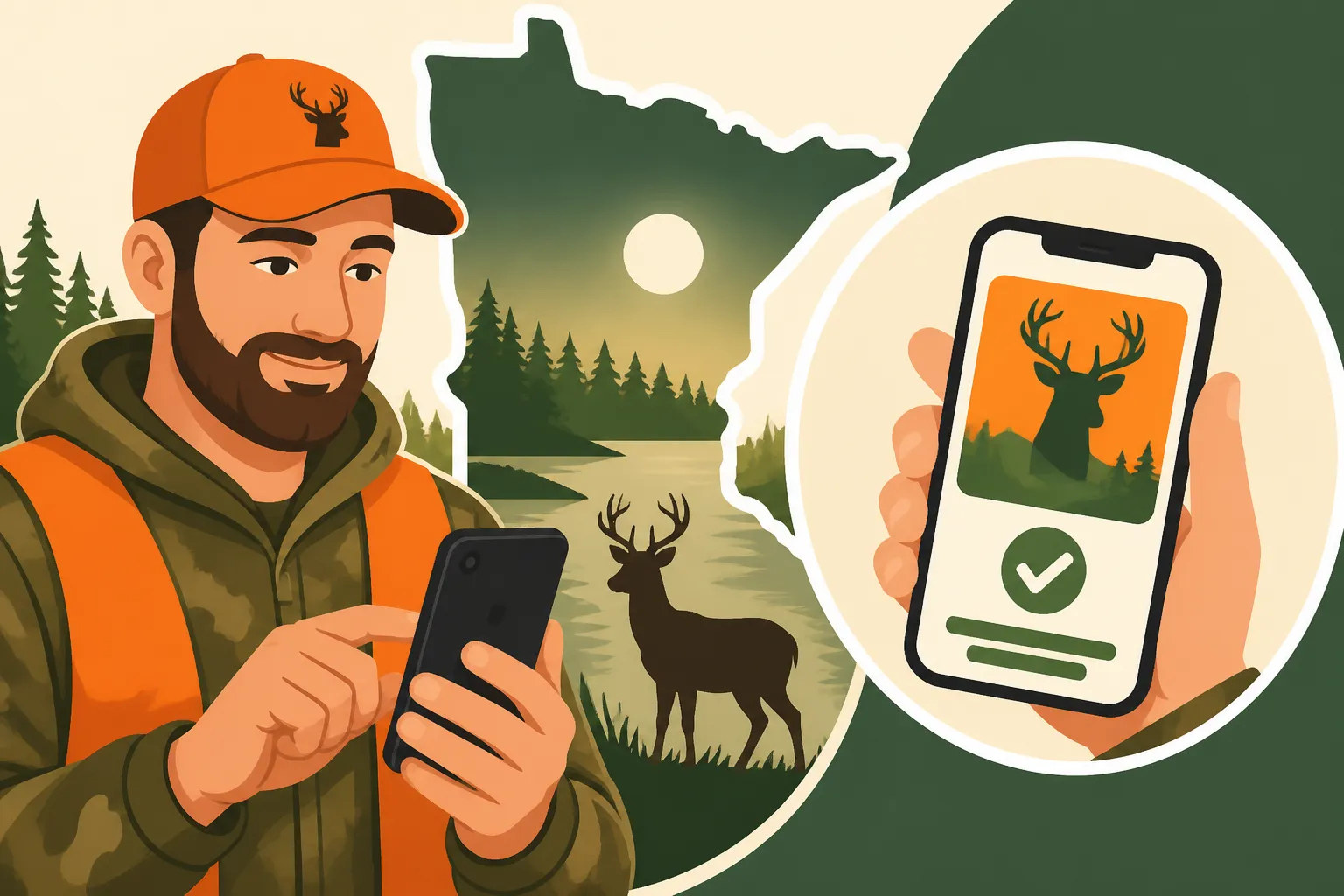
Until your physical license arrives, that email confirmation or printed temporary license serves as your legal proof. It's absolutely crucial to have this with you while hunting. Whether you print it out and keep it in your wallet or, more commonly these days, store it digitally on your smartphone, ensuring you are Carrying Proof of License on Your Phone is non-negotiable. Game wardens are understanding of digital proof, but you must be able to display it clearly upon request. Think of it as your hunting ID card; without it, you could face fines or other penalties, even if you technically purchased the license. Make sure your phone is charged, or have a backup plan (like a printed copy) if you're heading into areas with no cell service.
Common Licenses and Important Considerations When Using the Phone System
The phone system is a robust tool, but like any system, it has its nuances. Understanding what licenses are typically available and some specific rules around them can prevent any unwelcome surprises.
What Licenses You Can (and Can't) Buy by Phone
Generally, you can purchase the vast majority of standard Minnesota hunting and fishing licenses through the phone system. This includes:
- Annual Hunting Licenses: Basic small game, big game (deer, bear, turkey), and combination licenses.
- Deer Licenses: Archery, firearm (for zones like the 200 and 300A Firearm Deer Zones), and muzzleloader permits. You can often purchase additional antlerless tags or bonus permits if you qualify for an Intensive, Managed and Lottery Permit Areas or open zone.
- Turkey Licenses: Spring and fall turkey licenses, though remember that for spring, certain popular zones might require you to enter a lottery application, which has a specific Minnesota Spring Turkey Application Deadline and often can't be done over the phone for the initial application, but you can buy your tag if you win.
- Bear Licenses: If you are successful in the lottery, you can typically purchase your bear tag over the phone. However, the initial lottery application itself usually has to be done online or through a vendor by the Minnesota Bear Lottery Application Deadline. In the No-Quota Bear Area, you can purchase tags directly without a lottery.
- Waterfowl and Migratory Bird Stamps: Federal duck stamps (required for waterfowl hunters aged 16 and older) are not sold through the DNR, but state migratory bird stamps and certifications are available.
What typically can't be done via phone includes:
- Initial Lottery Applications: For species like elk, certain bear permit areas, or highly controlled turkey hunts, the application process for the lottery itself usually requires an online submission or an in-person visit to a vendor. Once you win the lottery, then you can often call to purchase the actual tag.
- Special Permits with Complex Requirements: While rare, some highly specialized permits might require an in-person application to verify unique circumstances.
- Federal Duck Stamps: These must be purchased separately through the U.S. Fish and Wildlife Service, often at post offices or many sporting goods stores, and are not handled by the state DNR.
Here's a quick overview of commonly purchased licenses via phone:
| License Type | Phone Purchase Availability | Notes |
|---|---|---|
| Annual Small Game | Yes | Standard for hunting rabbits, squirrels, grouse, pheasants, etc. |
| Archery Deer | Yes | For hunting during Minnesota Archery Season Dates. |
| Firearm Deer | Yes | For rifle/shotgun seasons, specific zone selection. |
| Muzzleloader Deer | Yes | For Minnesota Muzzleloader Season Dates. |
| Spring Turkey (if drawn) | Yes | Purchase tag after winning lottery or for areas without lottery. |
| Fall Turkey | Yes | General purchase during season. |
| Bear (if drawn or No-Quota) | Yes | Purchase tag after winning lottery or in designated no-quota areas. |
| Migratory Bird Certification | Yes | Required in addition to small game license for waterfowl/migratory birds. |
| Pheasant Stamp | Yes | Required for pheasant hunters aged 18-64. |
| Fishing (various) | Yes | All standard fishing licenses are available. |
Understanding Residency and Other Requirements
Residency is a critical factor in Minnesota license purchases, dictating eligibility and price. To be considered a Minnesota resident for hunting and fishing purposes, you generally must have maintained your legal residence in the state for at least 60 consecutive days prior to applying for a license. There are specific rules for military personnel, students, and property owners which the DNR agent can clarify. Understanding Minnesota Resident Hunting License Options versus those for non-residents is key to ensuring you pay the correct price and avoid any legal issues.
Furthermore, certain age-based requirements and certifications are verified during the purchase process:
- Hunter Safety: If you were born after December 31, 1979, you generally need a firearms safety certificate (hunter education) to purchase a firearm hunting license in Minnesota. This will be verified during your call, often by checking your existing DNR profile. If you're a new hunter or a youth, this is one of the Minnesota Hunter Safety Requirements you'll need to meet.
- Youth Hunters: Minnesota has programs like the Minnesota Apprentice Hunter Validation Rules which allow new hunters to try hunting for a period before completing full hunter education, under the supervision of an experienced adult. These permits can often be purchased over the phone.
- Stamps: Don't forget species-specific stamps like the Minnesota Pheasant Stamp (for hunters aged 18-64) or the Minnesota Migratory Bird Certification, which are often required in addition to a general hunting license.
The phone agent will guide you through these requirements, but knowing them upfront ensures a smoother transaction.
Troubleshooting and Tips for a Smooth Transaction
Even with the best preparation, sometimes things can go awry. Here are a few tips and troubleshooting ideas:
- Credit Card Declines: Double-check the card number, expiration date, and security code. Ensure you have sufficient funds or credit available. Sometimes banks flag unusual transactions, so a quick call to your bank might be necessary if the issue persists.
- Lost Connection/Call Drops: If your call drops mid-transaction, wait a few minutes and call back. Explain to the new agent what happened, and they should be able to look up your partial transaction using your name or phone number.
- No Email Confirmation: If you don't receive an email confirmation within a few minutes, first check your spam or junk folder. If it's still not there, call the DNR License Center back, provide your confirmation number (which you wrote down, right?), and ask them to resend it or verify the email address they have on file.
- Information Discrepancy: If the agent tells you they can't find your hunter safety certificate or there's a discrepancy in your record, remain calm. They can usually guide you on how to resolve it, which might involve sending in documentation or directing you to another department.
- Check Before You Hang Up: Before ending the call, always confirm with the agent that all the licenses you intended to purchase have been processed and that you have a confirmation number for each. It's better to verify twice than to find out in the field that you're missing a critical tag.
- Leverage Planning Tools: Many hunters use resources like GoHunt to plan their season, scout areas, and stay on top of regulations and season dates. Integrating your license purchasing with your overall planning, whether through GoHunt or another platform, can help you remember what you need and when. For instance, knowing when Minnesota's Four-Year CWD Testing Rotation might affect your area, or when the Minnesota License Year Start Date is, can influence your purchase decisions.
Maximizing Convenience and Staying Legal in the Field
The Minnesota DNR phone license system is a fantastic resource, but its true value is realized when integrated into a broader strategy of preparation and legal compliance. It’s not just about making a call; it’s about making smart choices that enhance your entire hunting experience.
Planning Ahead with Phone Purchases
One of the biggest advantages of the phone system is the ability to plan ahead. Instead of waiting until the day before the season, you can make your calls weeks or even months in advance. This avoids the frantic rush and higher call volumes that inevitably occur right before major openers. Imagine having all your deer tags, small game licenses, and migratory bird certifications in hand long before you even start scouting for Hunting the Minnesota Rut in Early November or setting up for Pheasant Hunting Minnesota Farmland.
This forward-thinking approach is especially beneficial for multi-species hunters. You can purchase your Minnesota Resident Small Game License Cost early in the year, then later add your Minnesota Spring Turkey License Cost when those application periods open, and finally your Minnesota Deer License Options by Weapon as deer season approaches. By spacing out your purchases, you keep track of your expenses and ensure everything is correct. It also gives you ample time for your physical tags to arrive in the mail, eliminating any reliance on temporary digital proofs, though those are perfectly legal. For many hunters, using tools like GoHunt helps them stay organized with all these different seasons, ensuring they don't miss application deadlines or season openers. This proactive approach contributes significantly to a stress-free hunting season.
Ensuring Your License is Valid and Up-to-Date
Purchasing your license is only the first step; ensuring its validity and staying informed about any changes is equally important. When you receive your physical license, take a moment to double-check all the details: your name, address, date of birth, and the specific licenses listed. Make sure the dates on the license align with the How Long a Minnesota License Stays Valid period. The Minnesota license year typically runs from March 1 to February 28/29, so it's good to know when your existing licenses expire and when to purchase new ones for the upcoming seasons.
Minnesota's hunting regulations can change from year to year, especially regarding specific permit areas, bag limits, or CWD management zones. While the phone agent can answer questions about current regulations, it's ultimately your responsibility as a hunter to stay informed. Always consult the official Minnesota DNR website or the printed hunting regulations booklet for the most current information. This ensures that the license you purchased by phone is not only valid but also correctly applied to the current rules of the area you intend to hunt. By proactively checking and confirming, you can step into the woods or onto the prairie with complete confidence, knowing you’re both prepared and fully compliant with Minnesota law.
Disclaimer
Please note that while this guide provides comprehensive information, hunting regulations and license requirements can change. Always refer to the official Minnesota Department of Natural Resources (DNR) website or their current regulations booklet for the most up-to-date and accurate information before heading afield.