Timing the Minnesota Woodcock Flight
It's a familiar heartache for many Minnesota upland hunters: you get out in the woods, boots crunching through the fall leaves, only to find the covers you thought would be teeming with timberdoodles are eerily quiet. Trying to hit that fleeting window when the American Woodcock are staging and migrating through our state can feel like chasing a ghost. This guide is all about helping you decode the subtle signs from Mother Nature and pinpoint the prime time to find these fascinating, long-billed birds in Minnesota.
The Rhythmic Dance of Woodcock Migration
The American Woodcock, often affectionately called the timberdoodle, is one of those enigmatic migratory game birds that really puts your timing skills to the test. Unlike resident grouse or pheasants, woodcock are here today, gone tomorrow, driven by an instinctual need to move south before winter’s deep freeze locks up their food source. Their entire existence revolves around soil and invertebrates, particularly earthworms. When the ground freezes solid in Minnesota, their pantry closes, and they simply have to go.
Their migration isn't a single, massive exodus; it's often more like a series of waves, dictated largely by weather patterns. You might experience a push of birds, then a lull, then another wave as different groups from farther north move through. This stop-and-go pattern is what makes them so challenging to consistently find. They'll stage in suitable cover, feeding heavily to fuel their journey, until the next cold front tells them it’s time to move further south. Understanding this rhythmic dance is the first step to being in the right place at the right time. For a broader look at hunting these birds, check out our comprehensive guide on Grouse and Woodcock Hunting in Minnesota.
Decoding Nature's Cues for the Woodcock Flight
Figuring out when to hit the woods for woodcock is less about specific calendar dates and more about being a keen observer of the weather and the changing landscape. There are several key indicators that seasoned hunters rely on.
Temperature Drops and Cold Fronts
This is, without a doubt, the most critical factor in triggering the woodcock migration. As soon as Minnesota experiences its first few significant cold fronts – the kind that bring overnight temperatures consistently into the low 30s or even upper 20s – you can bet woodcock are on the move. A sharp, sustained drop in temperature signals to them that the ground will soon freeze. Often, hunters will notice a big push of birds immediately following these temperature plunges. It’s not just a single night of frost; it’s when the deep chill starts to settle in. Pay close attention to frontal passages, especially those bringing northwesterly winds, which often usher in colder air. I've found using a detailed weather app that shows hourly temperature and wind shifts, like the ones integrated into mapping tools such as GoHunt, can be incredibly helpful for planning your outings.
Leaf Drop and Habitat Changes
While not as direct a trigger as temperature, the progression of leaf drop provides an excellent visual cue for when woodcock activity should be picking up. As deciduous trees like aspen, birch, and alder shed their leaves, the canopy opens up, and the understory becomes less dense. This makes it easier for woodcock to navigate and for hunters (and their dogs) to work the cover. Early in the fall, woodcock can be in very thick, leafy cover, making them almost impossible to find and flush. By the time 50-75% of the leaves are down, conditions become much more favorable, and this often coincides with those colder temperatures that push birds south. Focus on areas where the leaves are just past peak fall colors, when many have already fallen to the forest floor.
Day Length and Biological Urge
Beneath the more obvious weather-driven cues, there's a fundamental biological imperative linked to shortening day length. As the days grow shorter after the autumnal equinox, it triggers a hormonal response in woodcock, putting them in a migratory state. This acts as a background mechanism, making them predisposed to move when weather conditions become unfavorable. You won't see a sudden surge of birds just because the sun sets earlier, but it means they're psychologically ready. If you're seeing fewer woodcock than you expect, it might be that the initial waves have passed, or the next cold front hasn't quite arrived to push new birds into the area. Understanding the Minnesota Woodcock Singing Ground Surveys can give you an idea of the resident population before the migratory birds arrive.
Average Migration Window Breakdown
To give you a better idea of what to expect, here’s a general timeline for woodcock migration through Minnesota, but remember, nature always throws curveballs:
| Region of Minnesota | Typical Peak Migration Window | Key Weather Indicator | Notes |
|---|---|---|---|
| Northern (e.g., Duluth, Bemidji) | Late September – Mid October | First consistent overnight lows in 20s-30s | Birds arriving from Canada and staging. Often the first to see a good push. |
| Central (e.g., Brainerd, St. Cloud) | Early October – Late October | Overnight lows consistently below 35°F | Peak activity often hits after the first serious frost up north. |
| Southern (e.g., Rochester, Twin Cities) | Mid October – Early November | Ground freezing risk, sustained cold fronts | Last to see significant numbers, as birds from northern MN and Canada pass through. Often coincides with deer season opener. |
This table provides a general framework, but always default to monitoring those immediate weather changes. A warm spell can delay birds, and an early cold snap can bring them through ahead of schedule.
Pinpointing the Peak Flight and Prime Locations
Once you're tuned into the environmental signals, the next challenge is knowing where these little timberdoodles like to hang out during their brief Minnesota layover. They’re not just anywhere in the woods; they have specific habitat preferences.
The "Waves" of Migration and Regional Timing
As mentioned, woodcock migration happens in waves. You might hit a cover one day and find a dozen birds, then return two days later after a mild night, and it’s empty. A fresh cold front, however, could bring in a whole new batch. This means you need to be persistent and willing to revisit spots. Generally, the first significant pushes of migratory woodcock arrive in northern Minnesota in late September and early October. These are often birds moving down from Canada. As the season progresses and colder weather drives them further south, central Minnesota sees its peak in mid-October, and southern Minnesota can hold birds well into late October and even early November, sometimes coinciding with the firearm deer opener.
Because their movements are so tied to the weather, being flexible with your hunting dates is crucial. If you're constrained to specific weekends, make sure you're checking the forecast diligently for any cold fronts pushing through just before your planned outing. Using a detailed mapping tool, like GoHunt, can help you keep track of potential coverts across different regions, allowing you to react quickly to migration reports or weather patterns.
Ideal Habitat Features They Can't Resist
Woodcock are specialists. They aren’t going to be in mature, open timber or dry, upland ridges. They seek out specific characteristics that provide both food and cover. Look for:
- Young Forest & Early Successional Habitat: This is paramount. They love areas where timber has been recently harvested, leading to a dense growth of young trees (especially aspen and birch). These areas often have rich, moist soil. The ideal age for a regenerating stand is usually 5-15 years post-cut.
- Alder Runs & Wet Thickets: These are prime real estate. Alder thickets, often found along creeks, swamps, or low-lying areas, provide dense cover and, critically, moist, rich soil where earthworms thrive. Many hunters specifically target Woodcock Hunting Minnesota Alder Runs for this reason. Dogwood and willow thickets offer similar appeal.
- Moist, Worm-Rich Soils: This is non-negotiable. If the ground is dry and sandy, woodcock won't be there because their primary food source, earthworms, won't be present in abundance. Look for dark, loamy soils that hold moisture.
- Edge Cover: While they prefer dense cover, they’re often found along the edges where young growth meets older timber, or where a thicket borders a field or marsh. These edges can act as funnels for moving birds.
When you're out scouting, or even just driving through potential areas, keep an eye out for these visual cues. The Minnesota DNR's recreation compass or other mapping apps like GoHunt can be invaluable for identifying areas with younger forest stands, designated Wildlife Management Areas (WMAs), or lowland areas that might contain these crucial habitats.
Specific Minnesota Hotspots
While I can't give you exact GPS coordinates (that's for you to discover!), I can point you toward the types of areas that consistently produce woodcock during migration:
- Northwoods Timber Cuts: Up in counties like Beltrami, Itasca, Cass, and Aitkin, you'll find extensive state and county forests with active logging. These regenerating clear-cuts create phenomenal woodcock habitat. The DNR often has maps of recent timber sales that can guide you.
- River Bottoms and Floodplains: The banks of the Mississippi River, particularly its smaller tributaries and floodplains, often feature the moist, dense cover woodcock adore. Consider checking out areas similar to those where you might find ducks, like Hunting the Mississippi River Backwaters, but focusing on the thick, woody cover near water.
- Wildlife Management Areas (WMAs): Many WMAs across the state are managed for early successional habitat and often contain the brushy, wet areas woodcock love. They're excellent places to start your search, especially in central and southern Minnesota. Check the specific WMA rules, but these public lands are generally open to Minnesota Small Game and Upland Bird Seasons.
- Forest Road Edges: Sometimes, the best woodcock cover is right off a forest road where previous logging has created new growth. Don't be afraid to walk these edges, especially where drainage is poor, leading to moist soil conditions.
Remember that woodcock cover can be transient. A great spot this year might be too mature in five years. Constant scouting and adapting to changes in the landscape are key.
Maximizing Your Chances During the Brief Window
Once you've zeroed in on the timing and location, it's about making the most of your time in the field. Woodcock hunting isn't about high-volume shooting; it's about the unique thrill of working close with a dog, enjoying the vibrant fall woods, and appreciating every flush.
Scouting Ahead of Time
Even though woodcock are migratory, finding the right habitat before they arrive can save you a lot of frustration. Spend time in late summer or early fall identifying prime alder runs, young aspen cuts, and other moist, brushy areas. Look for old woodcock sign like splashes (white droppings) or borings (small holes in the ground where they probe for worms). This way, when a cold front hits, you're not scrambling to find a place to go; you already have a few spots in mind. Using mapping apps like GoHunt to mark potential coverts is a game-changer for this kind of proactive scouting. You can identify public land tracts, recent timber activity, and areas with suitable topography from the comfort of your home.
Hunting Tactics for a Stealthy Bird
Woodcock hold incredibly tight, often refusing to flush until you're practically stepping on them. This makes them ideal for hunting with a good bird dog. A pointing dog is invaluable for locating these scent-rich birds and holding them for a shot. Even if you don't have a dog, hunt slowly and methodically, covering every inch of likely cover. Pause frequently; woodcock will sometimes flush when you stop, thinking you've passed.
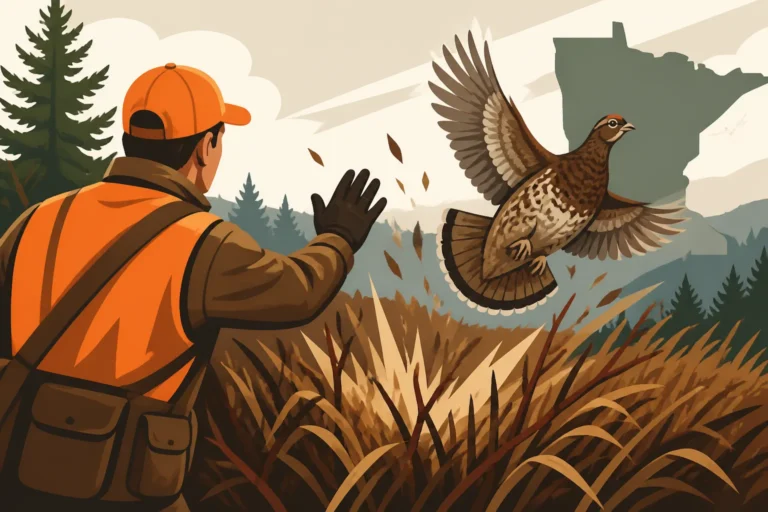
Unlike grouse, which explode with a roar of wings, a flushing woodcock often rises vertically, sometimes silently, before leveling off. Be ready for these close-range, often vertical shots through thick cover. They're not fast flyers, but the tight quarters can make for challenging shooting. It's often a game of quick reflexes.
Gear Considerations for the Alders
Your gear should be tailored for navigating dense, wet cover and making quick shots.
- Shotgun: A light, fast-swinging shotgun in 20 or 28 gauge with an open choke (Cylinder or Skeet) is ideal. Most shots will be at very close range. You'll want something that handles easily in tight spots.
- Ammunition: #7.5 or #8 shot is perfect for woodcock. They are not large or heavily feathered birds. Remember that Shot Size for Grouse and Woodcock is generally smaller than for pheasants.
- Clothing & Boots: Prepare for wet conditions. Waterproof boots are a must for navigating moist alder runs and damp forest floors. Consider rubber boots for truly swampy areas. Good brush pants will protect your legs from thorns and briars. Our guide on Boots for Walking Minnesota Popple Cuts has some excellent recommendations.
- Bird Vest: A comfortable bird vest with good game storage and perhaps a water bottle holder for your dog is essential.
- Eye Protection: Always wear shooting glasses, especially in thick cover where branches can snap back.
For specific advice on maximizing your chances with your firearm, our article on Choke Choice for Fast Flushes might offer some useful insights. And don't forget your Minnesota Migratory Game Bird Certification—it's required!
The Importance of Persistence and Patience
The biggest frustration with woodcock hunting is hitting a cover on what you think is the perfect day, only to find nothing. Don't let this discourage you. The migratory patterns are dynamic. Keep checking those weather forecasts, monitor reports from other hunters (if available), and be willing to try different spots or revisit old ones after a new cold front. Sometimes, you might be a day early, or a day late, but the persistence often pays off with a magical day in the timber, watching your dog work and enjoying the unique charm of the timberdoodle.
Disclaimer
The information provided in this article is for general guidance and informational purposes only. Hunting regulations, seasons, and permit requirements in Minnesota can change. Always consult the official Minnesota Department of Natural Resources (DNR) website or their current hunting regulations handbook for the most accurate and up-to-date information before planning any hunting trip. It is your responsibility to know and follow all applicable laws and regulations.