Posting a Drive Around a Minnesota Slough
Hunting deer around a Minnesota slough presents a unique challenge, often leaving hunters frustrated as deer seem to vanish into these dense, swampy havens, especially when pressured. It’s tough to pinpoint exactly where they’ll emerge, or even if they’ll move at all from such thick cover. This guide dives deep into the art of orchestrating a strategic deer drive specifically tailored for these impenetrable sloughs, helping you understand deer behavior, set up effective stands, and execute a drive that pushes deer out predictably and safely.
Understanding the Minnesota Slough as Deer Habitat
Sloughs, particularly those choked with cattails, tag alders, and dense dogwood, are quintessential deer sanctuaries in Minnesota. They offer everything a whitetail needs: thick cover for bedding, insulation from harsh winds and cold, water, and often browse along their edges. During hunting season, especially with increasing pressure, these areas become prime refuges where deer feel incredibly secure, often holding tight until the last possible moment. This behavior is precisely what makes them both frustrating to hunt and ideal for a well-planned drive.
Deer don't just randomly disappear into a slough; they navigate them using established travel corridors, often along slightly higher ground, subtle ridges, or even through the densest cattails where they've pushed through countless times. These "deer highways" within the slough are crucial to identify. Knowing how deer use these internal pathways, and where they typically enter and exit, is the bedrock of a successful slough drive. It’s not just a block of cover; it’s a living labyrinth with predictable patterns if you know what to look for.
Why Deer Prefer Sloughs for Escape and Bedding
Deer seek out sloughs for their incredible security and protection. The dense vegetation offers visual and scent-blocking cover, making it difficult for predators—both two-legged and four-legged—to spot or track them. In colder weather, the thick marsh grass and cattails act as insulation, providing a warmer microclimate than open timber. When hunters push through surrounding woods, deer naturally gravitate towards these seemingly impenetrable bastions, knowing they can often lie low or slip out undetected. They're not just hiding; they're actively using the slough's features to their advantage.
Consider a scenario where the surrounding timber has been heavily walked by hunters. A big buck, having encountered human scent or noise multiple times, will instinctively head for the nearest slough, often laying up in the thickest part. He knows the cover is his ally, and many hunters are hesitant to wade into the chest-high cattails or navigate the hidden water pockets. This deep understanding of how deer use these areas as thermal and security cover is essential for any hunter planning a drive. It helps you anticipate their moves and where they'll likely attempt to break out.
Identifying Key Entry and Exit Points
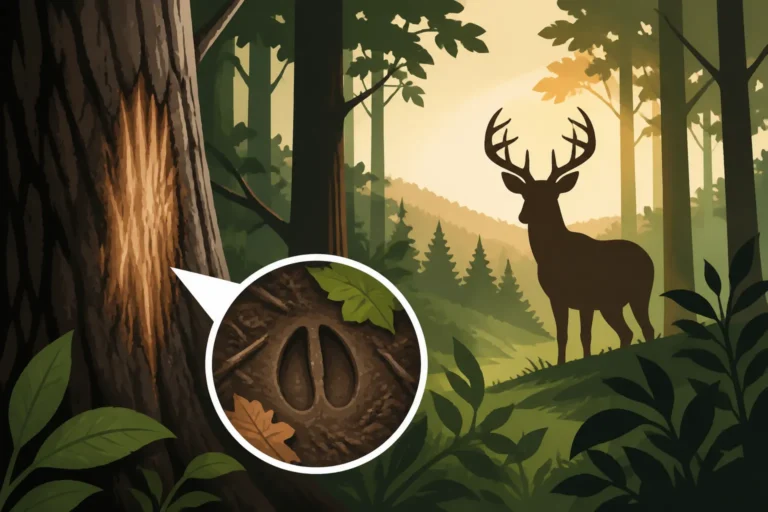
Before you even think about putting boots on the ground for a drive, you need to understand the lay of the land within and around the slough. Deer are creatures of habit, and while a slough might seem like an endless maze, they generally have preferred points of entry and exit. These could be subtle rises in elevation along the edge, narrow fingers of high ground extending into the swamp, or even just consistent game trails pushed through the dense cover. Look for worn trails, fresh tracks, and rub lines or scrapes along the dryer edges.
Tools like the GoHunt app are invaluable here. You can use aerial imagery to identify subtle terrain features—slight elevation changes, brush lines, or even isolated clumps of timber within the slough—that might serve as natural funnels or travel corridors. During the off-season, physically scouting these areas can reveal hidden paths that don't show up on maps. Pay attention to how the slough connects to other cover, like CRP fields, timber blocks, or food plots. These connections will dictate the deer's primary escape routes when pressured. Remember that understanding Entry Routes Through a Cattail Slough is paramount to predicting deer movement.
Strategic Planning for a Slough Drive
A successful slough drive isn't about brute force; it's about intelligent planning, precise execution, and clear communication among your hunting party. You're trying to funnel deer, not scatter them blindly. This requires careful consideration of wind, escape routes, and the placement of both drivers and standers (or posters). Without a solid plan, you risk pushing deer in undesirable directions, or worse, having them double back through the drivers.
Start your planning by gathering your crew and reviewing maps. Talk through the characteristics of the specific slough you intend to drive. How large is it? What are its boundaries? Are there any natural obstacles like deep water or dense blowdowns that might impede drivers or divert deer? Who is comfortable wading through nasty cover, and who is best suited for posting? Assign roles based on individual strengths and preferences. Remember, even with just a few hunters, a well-coordinated effort can be incredibly effective. Consider how to best orchestrate Deer Drives With Three or Four Hunters for maximum efficiency in this terrain.
Mapping the Terrain and Anticipating Deer Movement
Before anyone steps into the slough, you need a detailed map and a clear understanding of the local deer behavior. Use satellite imagery, like that found on mapping apps, to identify the slough's perimeter, any fingers of high ground extending into it, and surrounding cover. Look for obvious funnels that deer would naturally use when leaving the slough. These could be narrow strips of timber, ditch lines, or even breaks in a fence line. Pay particular attention to how the slough relates to nearby food sources or other bedding areas.
When deer are pushed from a slough, they usually try to escape along the path of least resistance or to the next nearest cover they perceive as safe. They rarely just run into the open. Your goal is to predict these escape routes and place your posters accordingly. If the slough is bordered by a large cornfield, deer might skirt the edge of the field before cutting across. If it’s dense timber, they'll likely stick to the tree line. Understanding Reading Aerial Photos for Big Woods Deer can provide valuable insights for this type of detailed mapping, even for slough areas.
Assigning Roles: Drivers, Blockers, and Posters
Every member of your hunting party has a crucial role to play in a slough drive.
- Drivers: These are the individuals who will physically move through the slough, pushing the deer out. They need to be prepared for difficult terrain, potentially deep water, and dense vegetation. They should maintain a relatively even line, making noise and moving deliberately. Their pace is critical—too fast, and deer might break early or slip past; too slow, and deer might simply hold tight.
- Blockers/Posters: These hunters position themselves at strategic exit points, anticipating where the deer will try to escape. They need to be calm, patient, and prepared for quick shots. Often, they’ll be positioned along the edges of the slough, at natural funnels, or even in treestands or ground blinds overlooking anticipated escape routes. Placing posters at pinch points where multiple deer trails converge is highly effective. Remember, patience is key for posters. Using a Ground Blind on Minnesota Public Land can be an excellent tactic for posters to remain concealed and minimize their impact on deer movement.
Communication is paramount. Drivers and posters should know each other's positions, the intended direction of the drive, and any safety zones. Two-way radios are invaluable for this, allowing real-time adjustments and warnings. A pre-drive briefing where everyone understands the plan and potential contingencies is non-negotiable.
Considering Wind Direction and Escape Routes
Wind direction is a non-negotiable factor in any deer hunt, and slough drives are no exception. Ideally, your posters should be positioned downwind of the anticipated escape routes, or at least with a crosswind, so their scent isn't blowing directly into the slough. Deer will use their nose to detect danger, and if they catch a poster's scent, they'll often alter their escape route, potentially running back through the drivers or slipping out an un-covered side.
You also need to consider the primary escape routes. If the slough is long and narrow, deer might try to run its length before breaking out at either end. If it's more circular, they might try to break out in multiple directions. Your drive plan should aim to push deer towards the fewest, most manageable exit points where your posters are strategically placed. This often means driving the slough in a direction that funnels deer towards a specific piece of cover or an open area where posters have a clear shot. Understanding Wind and Thermals on a Minnesota Ridge offers foundational knowledge that can be adapted to how deer perceive scent movement along the edges of a slough.
Executing the Drive: Driver and Poster Tactics
The Driver's Role: Noise, Pace, and Direction
Drivers should begin their push from the designated starting point, typically the downwind side of the slough, or a direction that will funnel deer towards the posters. The goal isn't to be stealthy; it's to create enough disturbance to make the deer feel uncomfortable and move. This means talking, yelling, breaking branches, or even kicking at the dense cover. The amount of noise should be consistent, not sporadic, to keep the deer moving steadily.
The pace of the drive is critical. Drivers should maintain a slow, steady walk. Too fast, and deer might break quickly and erratically, sometimes right back through the line. Too slow, and they might simply lie down and let the drivers pass, especially if the cover is exceptionally thick. Think of it like a slow-moving wave, gently pushing the deer forward. Drivers should also try to maintain their line as much as possible, using visual cues or GPS units to stay aligned. If one driver lags, a pocket can form where deer might try to hide or double back.
Poster Placement and Ethical Shot Selection
Posters should be in position well before the drivers begin their push. This means getting there quietly and taking up a stand that offers a clear view of the anticipated escape routes, while also providing a safe shooting lane. If possible, posters should be slightly elevated, either in a portable treestand or on a natural rise, to improve visibility over the dense slough edges. Treestand Setups in Minnesota Hardwoods offers valuable insights into effective stand placement, many of which are applicable to slough edges.
When deer begin to emerge, posters need to remain calm. It’s not a race to shoot the first deer. Identify your target carefully, ensure it’s a legal animal (if antler restrictions apply), and make sure you have a clear, safe shot with an adequate backstop. Always prioritize safety over getting a shot. If multiple deer are coming out, focus on one animal, take a clean shot, and then, if appropriate and safe, quickly cycle your action or reload for a follow-up if necessary. Never shoot into the slough or towards the direction of the drivers.
Communication and Safety Protocols
Communication is the lifeline of a successful drive. Before the drive, establish clear verbal signals or radio protocols. This includes phrases like "deer moving," "deer out left," "drivers stop," or "all clear." Everyone needs to have their radios on and tuned to the same channel. Hand signals can also be useful for short distances or when radio silence is preferred.
Safety is paramount. Every hunter, especially drivers, should wear plenty of blaze orange. Posters should also wear blaze orange while getting to and from their stands, and consider wearing it in the stand, especially if deer are being driven in close quarters. Always know where every member of your party is located. Never shoot in the direction of other hunters. If you're unsure, don't shoot. When the drive is over, drivers should call out "drive complete" or a similar signal, and all hunters should remain in position until a clear "all clear" signal is given, and everyone has confirmed their location. This diligence helps prevent accidents on pressured public land, where deer can be very unpredictable.
Post-Drive Considerations and Safety
Once the drive is complete and the shots have been fired, the work isn't over. Recovering game safely and efficiently, respecting the land, and maintaining ethical hunting practices are just as crucial as the drive itself.
Tracking and Recovering Deer from the Slough
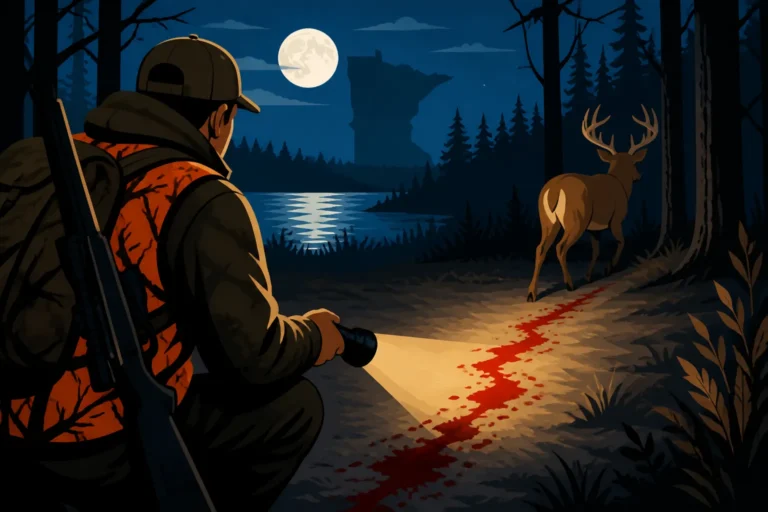
Deer shot during a slough drive often drop right in the thick stuff or make it a short distance into the surrounding cover. This makes tracking particularly challenging. If a deer goes down in the slough, mark the spot immediately and accurately. A GPS unit or mapping app is invaluable for this. Before you enter the slough to track, give the deer a little time if you didn't see it drop. Even a mortally wounded deer can travel surprisingly far in dense cover.
When tracking, move slowly and methodically, looking for blood, broken vegetation, and tracks. It helps to have a few people tracking, spaced out slightly, but always in communication. Be prepared for wet conditions, so wear appropriate footwear. Recovering a deer from a slough can be incredibly tough work. Sometimes, a deer sled or a strong rope can be a lifesaver for Dragging a Deer Out of a Slough once found. It's an arduous task, but a deeply satisfying one when you finally get your hands on that hard-earned venison.
Avoiding Over-Pressuring the Area
Successful slough drives often move multiple deer. While it's tempting to immediately reset and drive the same slough again or push into an adjacent one, be mindful of over-pressuring the area. Deer that have been driven become extremely wary. If you hit the same slough too many times in quick succession, deer will simply relocate or become so nocturnal that future efforts will be far less effective.
It's usually a good idea to let the area rest for at least a few days, or even a week, before attempting another drive. This allows deer to settle back into their patterns and reduces the level of Hunting Pressure on Minnesota Public Land. Consider moving to a different property or a different type of cover for your next hunt. By respecting the deer and giving them space, you maintain the long-term effectiveness of your hunting grounds and ensure future success.
Gear Essentials for a Slough Drive
Having the right gear can make all the difference in a slough drive, transforming a miserable experience into an efficient and safe one. Here’s a quick rundown of what you and your team should consider:
| Item | Driver's Priority | Poster's Priority | Why It's Essential |
|---|---|---|---|
| Waterproof Boots/Waders | High | Medium | Essential for staying dry in marshy, wet conditions. |
| Blaze Orange Clothing | High (Vest & Hat) | High (Vest & Hat) | Crucial for safety and visibility among hunters. |
| GPS/Mapping App | High (GoHunt recommended) | High (GoHunt recommended) | Navigating the slough, marking kill sites, knowing fellow hunter locations. |
| Two-Way Radios | High | High | Clear, real-time communication between drivers and posters. |
| Field Dressing Kit | Medium | Medium | Knives, gloves for processing game. |
| Deer Drag/Sled | Low (but have nearby) | Low (but have nearby) | For efficient game recovery from thick cover. |
| Warm, Layered Clothing | High | High | Minnesota weather is unpredictable; adjust layers as needed. |
| Headlamp/Flashlight | Medium | Medium | For navigating in low light or tracking after dark. |
| First-Aid Kit | Medium | Medium | For minor injuries in remote areas. |
Ensure everyone understands their role and is equipped for the task. The right gear not only enhances comfort but significantly improves safety and success rates.
Disclaimer
The information provided in this guide is for informational purposes only and is not a substitute for professional advice. Hunting involves inherent risks, and adherence to all local, state, and federal hunting regulations is the responsibility of the individual hunter. Always prioritize safety, respect wildlife, and obtain proper licenses and permits before hunting.