Cut Vests and Gear for Hound Dogs
When you're running hounds through the rugged, wild landscapes of Minnesota, the thrill of the chase is often accompanied by a nagging worry: the safety of your canine companions. Our beloved dogs are fearless, pushing through dense brush, downed timber, and rocky terrain, but these very acts of bravery expose them to countless dangers, from sharp branches and hidden snags to encounters with aggressive wildlife. This comprehensive guide will walk you through the world of cut vests and essential gear designed to protect your hound dogs, helping you keep them safe and sound as they pursue game across the North Star State.
The Harsh Realities of Running Hounds in Minnesota
Minnesota's diverse landscape, from the thick popple and alder stands of the north to the cattail sloughs and woodlots of farmland country, presents a unique set of challenges for hound handlers. While our dogs are bred for resilience and determination, they're not invincible, and the elements, terrain, and other wildlife can pose significant threats to their well-being. It's a reality every hound hunter understands deep in their bones: the joy of a good track can turn to dread if a dog goes silent or gets injured.
For those pursuing bear in the vast tracts of the Superior or Chippewa National Forests, or even coyotes across more open agricultural zones, the physical demands on hounds are immense. They run at high speeds, often out of sight, navigating obstacles that would slow down a human. This constant exposure means they're not just running; they're essentially wrestling with the environment, and without adequate protection, the chances of injury skyrocket. We owe it to these dedicated animals to equip them as best we can.
The Dangers Lurking in Minnesota's Cover
Imagine your hound, nose to the ground, tearing through a dense stand of young aspen. Below the canopy, thick undergrowth, fallen logs, and exposed roots create a labyrinth of potential hazards. A sharp, broken branch can easily slice open a chest or leg. Twisted wire or discarded metal, even on public land, can cause deep gashes. Porcupines, a common sight in Minnesota's woods, present an agonizing threat; a dog's natural curiosity and prey drive can lead to a face full of quills, a painful and potentially debilitating injury that often requires veterinary intervention.
Beyond the physical terrain, Minnesota is home to a robust population of predators. While most hunters using hounds are actively managing the chase, an unexpected encounter can happen. Coyotes are prevalent throughout the state, and territorial disputes can lead to dogfights. Further north, the presence of wolves, particularly when What Wolves Eat in Northern Minnesota is scarce, adds another layer of concern. While rare, an interaction with a larger predator, especially if your dog is alone and focused on a track, can be devastating. This is why protective gear isn't just about comfort; it's about minimizing severe risks.
Why Standard Collars Aren't Enough
A basic nylon or leather collar, while essential for identification and leash control, offers virtually no protection against the rigors of hound hunting. These collars are designed to hold tags and perhaps a leash, not to deflect sharp objects or absorb impact. In thick cover, a simple collar can get snagged, potentially choking a dog or leaving them tangled and vulnerable. The thin material provides no barrier against briars, thorns, or the sharp edges of rocks and downed timber.
Furthermore, a standard collar often lacks the necessary components for effective communication and retrieval in a hunting scenario. While some might attach bells or lights, they don't integrate the advanced tracking technology that has become indispensable for hound hunters. Without a robust, multi-functional collar system, you're essentially sending your valuable hunting partner into the wilderness with a significant disadvantage, hoping for the best rather than actively mitigating risks.
Understanding Cut Vests: A Hound Dog's Armor
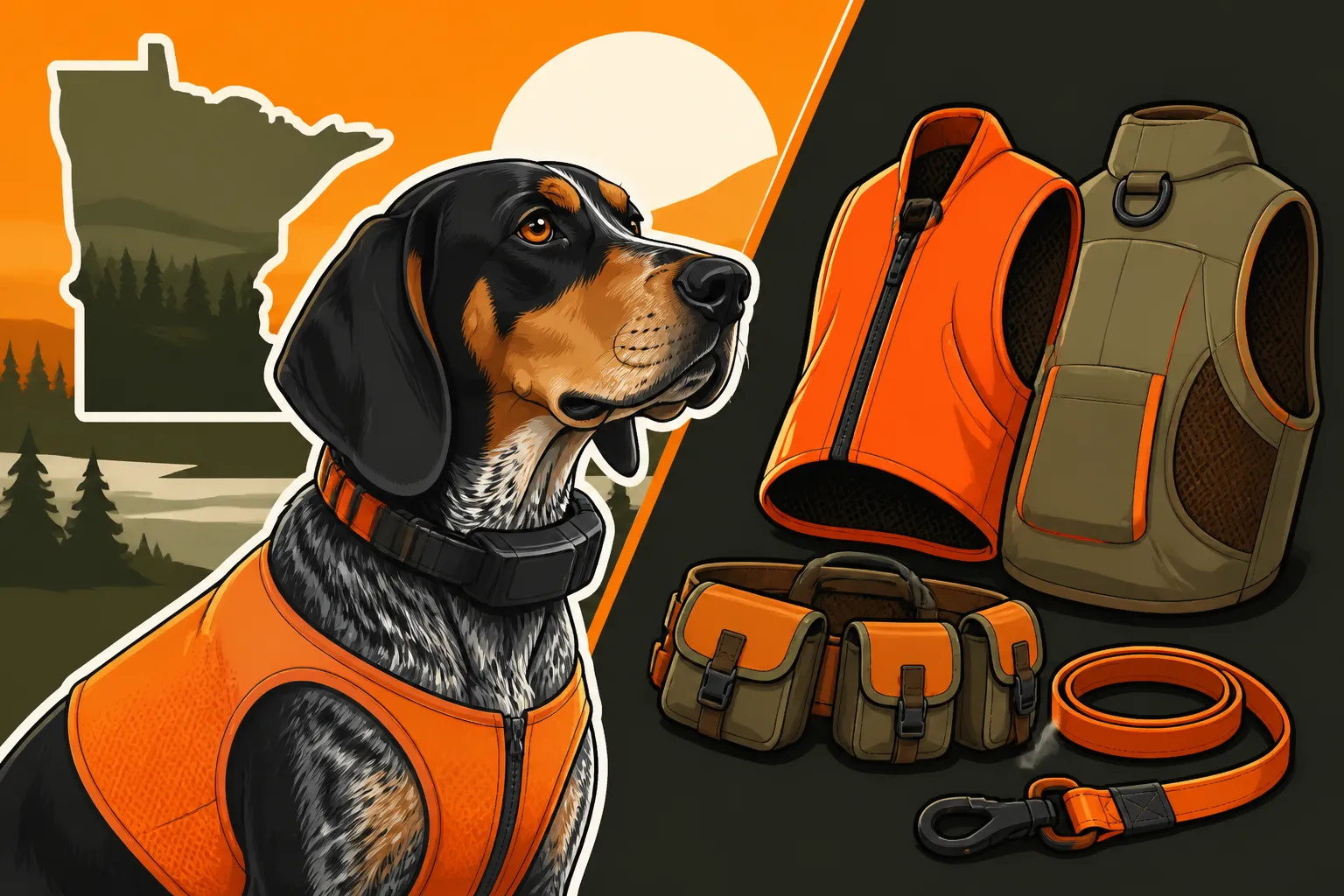
Cut vests are, quite simply, armor for your hound. They are designed to shield the most vulnerable parts of a dog's body from the myriad dangers encountered during the chase. Think of them as a protective layer, much like a hunter wears blaze orange for visibility and rugged clothing for warmth and durability. For hounds, this protection is critical for both their immediate safety and their long-term health and ability to hunt.
These vests are not a luxury; they're a necessity for serious hound hunters in Minnesota. A single trip to the veterinarian for a deep laceration or a porcupine quill removal can quickly outweigh the cost of a quality vest. More importantly, it can prevent severe pain and trauma for your dog. Investing in a good cut vest is an investment in your hound's safety and your peace of mind.
What Makes a Good Cut Vest?
The effectiveness of a cut vest lies in its materials and construction. The best vests typically feature multiple layers of highly durable, puncture-resistant fabrics. Common materials include Kevlar, Cordura, and various proprietary blends designed to resist tears, cuts, and abrasions. These aren't just heavy fabrics; they are engineered for extreme toughness, similar to what you'd find in tactical gear or protective clothing for human use.
Key features to look for include extensive neck protection, often extending up over the throat, and robust chest plates that cover the sternum and rib cage. These are the areas most susceptible to deep cuts from branches or tusks (in the case of bear hunting) or bites during a confrontation. The stitching needs to be heavy-duty, reinforced in critical areas, and capable of withstanding constant abuse. A good fit is also paramount; the vest must be snug enough not to shift and expose vital areas, but not so tight that it restricts movement or causes chafing. Many vests also incorporate reflective elements or bright colors for increased visibility, which is crucial, especially if your dog is ranging far afield or if you're Hunting Pressure on Minnesota Public Land where other hunters might be present.
Types of Cut Vests for Different Needs
Just like different hunting situations call for different tactics, there are various types of cut vests tailored to specific needs. Full-coverage vests offer maximum protection, typically covering the entire chest, belly, and often extending up the sides and neck. These are ideal for situations where the risk of injury is highest, such as Running Hounds for Minnesota Bears in incredibly dense or thorny cover, where a bear might be encountered at close quarters. They provide the most comprehensive barrier against punctures and slashes.
Alternatively, you might find chest-only protection vests, which focus on the critical front and underside areas but leave the flanks more open. These can be a good compromise for dogs that might overheat easily or for hunting in slightly less extreme conditions, like running coyotes in areas with heavy brush but fewer large, dangerous obstacles. Lighter-weight options exist as well, often prioritizing visibility and minimal protection for speed and agility, perhaps for training or less aggressive terrain. When trying to decide which type is right for your hound, researching options on platforms like GoHunt can provide a great overview of the various styles and their intended uses. Comparing reviews and specifications can help you select the perfect balance of protection and agility for your specific hunting style and local Minnesota conditions.
Essential Ancillary Gear for Hound Dogs
While cut vests are the cornerstone of a hound's protective ensemble, they are far from the only piece of gear you'll need. Modern hound hunting relies heavily on technology and thoughtful preparation to ensure both the dog's safety and the hunter's ability to manage the chase effectively. For hunters navigating the expansive Minnesota wilderness, these additional tools become absolutely vital.
It’s about building a complete system that safeguards your dog from head to paw, and keeps you connected to them, even when they’re pushing deep into uncharted territory. These aren't just gadgets; they're integral components of a responsible and successful hound hunting operation.
GPS Tracking Collars: Keeping Tabs on Your Hounds
In Minnesota's vast public lands, like the George Washington State Forest or the Savanna State Forest, a hound can cover miles in a matter of minutes, quickly disappearing out of earshot and sight. This is where GPS tracking collars become indispensable. These devices allow you to monitor your dog's location in real-time, displaying their exact position on a handheld unit or a smartphone app. For bear hunters, where dogs might range for miles, a reliable GPS system is not just helpful, it's a non-negotiable safety tool. Without it, finding a dog that has become lost or injured in a remote area would be a monumental, if not impossible, task.
Modern GPS collars offer a host of features beyond basic location tracking. Many include geofencing capabilities, allowing you to set virtual boundaries and receive alerts if your dog crosses them. This is particularly useful for teaching young dogs or managing hunts near roads or private property boundaries. They often provide information on speed, distance traveled, and even bark indicators, giving you clues about what your dog is doing even when you can't see them. Battery life is a critical consideration for extended hunts, and features like satellite imagery overlays can be incredibly helpful when you're Scouting Minnesota Public Land Before Season and trying to understand the terrain your hounds will be covering.
Protective Boots and First Aid Considerations
Think about your own feet after a long day of hiking through rough terrain – now imagine your dog doing the same, but barefoot. Hound dogs' paws, while tough, are still vulnerable to cuts, abrasions, thorns, and extreme temperatures. Protective boots can be a game-changer, especially when hunting in rocky areas, through fields with sharp stubble, or during cold weather where ice and frost can cause injury. They also help prevent burrs and foxtails from embedding between toes, which can lead to painful infections.
Despite the best protective gear, injuries can still happen. That's why having a robust First Aid Kits for Remote Northwoods Ground specifically tailored for canines is crucial. This kit should include items like antiseptic wipes, gauze, vet wrap, canine-safe pain relievers, and tools for quill removal if you're in porcupine country. Knowing basic canine first aid, such as how to stop bleeding, splint a minor injury, or safely remove a porcupine quill, can make a huge difference in an emergency. It’s not just about treating the injury; it’s about stabilizing your dog until you can get them to professional veterinary care, which might be hours away in remote Minnesota hunting areas.
Visibility and Safety Features
Beyond direct physical protection, visibility is a key aspect of hound safety, particularly during Minnesota's busy hunting seasons. Even if you're not targeting deer, other hunters might be in the area, and ensuring your dogs are highly visible can prevent tragic accidents. Bright blaze orange or blaze pink vests are easily spotted by other hunters, significantly reducing the risk of a dog being mistaken for game. Many cut vests integrate these colors directly into their design, often with reflective strips for low-light conditions.
Bells, while old-school, still serve a valuable purpose. Attached to a collar or vest, they provide an audible cue to both the hunter and other people in the woods, indicating the dog's presence and direction of travel. This is particularly useful in dense cover where visual contact is limited. When choosing gear, consider how well it stands out against the natural backdrop of Minnesota's forests and fields. GoHunt is an excellent resource for exploring different brands and finding gear that combines both high visibility and robust protection, ensuring your hounds are seen and safe.
Fitting, Maintenance, and Best Practices
Having the right gear is only half the battle; knowing how to properly fit it, maintain it, and train your dogs to wear it comfortably is equally important. A poorly fitting vest can cause chafing and discomfort, or worse, fail to protect when it's needed most. Neglecting maintenance shortens the lifespan of expensive equipment. And a dog that resists its gear is a dog that won't be performing at its best, or might even find ways to shed the protection you’ve provided.
These best practices ensure that your investment in cut vests and other gear pays off, keeping your hounds safe, comfortable, and ready for whatever the Minnesota wilds throw their way. It’s an ongoing commitment to their well-being, just like regular training and veterinary care.
Proper Fit for Maximum Protection and Comfort
The fit of a cut vest is critical. A vest that is too loose can shift during vigorous activity, leaving vital areas exposed. It can also catch on branches, leading to snags or tears, and even hindering the dog's movement. Conversely, a vest that is too tight can restrict breathing, limit mobility, or cause painful chafing and hot spots, especially during long hunts. To achieve the proper fit, you'll need to accurately measure your dog's chest circumference, neck, and back length. Most manufacturers provide sizing charts, so take the time to follow their recommendations carefully.
When trying on a vest, ensure you can comfortably fit two fingers under the straps and around the body, similar to how you'd fit a standard collar. Watch your dog move in the vest; they should be able to run, jump, and bend freely without the vest bunching up or pulling. Pay close attention to the armpit and groin areas, as these are common spots for chafing. A well-fitted vest should feel like a second skin, providing protection without impediment.
Cleaning and Maintaining Your Hound's Gear
After a long day in the woods, your hound's gear is likely to be caked with mud, wet from creek crossings, and perhaps even stained with blood or plant matter. Regular cleaning and maintenance are essential for extending the life of your expensive equipment and ensuring it performs optimally. Most cut vests can be hand-washed with mild soap and water, then air-dried. Avoid harsh detergents or machine washing, as these can degrade the specialized protective materials and stitching.
Inspect all gear regularly for signs of wear and tear. Look for fraying seams, small tears, or areas where protective layers might be compromised. Address minor issues promptly with a heavy-duty needle and thread, or consider professional repair if the damage is more extensive. Check buckles, straps, and D-rings on collars and vests for cracks or damage that could lead to failure. For GPS units, ensure charging ports are clean and dry, and batteries are fully charged before each outing. Proper maintenance isn't just about saving money; it’s about ensuring your dog’s safety equipment is always ready for action.
Training Your Hound to Wear Protective Gear
Introducing new gear to a high-energy hound requires patience and positive reinforcement. Don't simply strap a vest on your dog and expect them to immediately take to it. Start by letting them sniff and investigate the vest. Then, put it on for short periods while supervising closely, offering treats and praise. Start with brief sessions around the house, then move to the yard, and gradually increase the duration and activity level. You want your dog to associate the vest with positive experiences, not discomfort or punishment.
Some dogs might initially try to chew or rub off the vest. Distraction, like a favorite toy or a short play session, can help. Ensure the vest fits well from the start, as an uncomfortable fit will only reinforce negative associations. By slowly acclimating your hound to their cut vest and other gear, you'll build their confidence and ensure they’re comfortable and unfazed when it comes time to hit the Minnesota timber for a real chase. Resources found on platforms like GoHunt can also offer valuable tips and community advice for specific training challenges.
Cut Vest Features Comparison
| Feature | Description | Key Benefits | Best Use Case |
|---|---|---|---|
| Material | Kevlar, Cordura, proprietary blends, multiple layers | Extreme puncture and tear resistance | Heavy brush, rocky terrain, predator encounters |
| Coverage | Full Chest & Belly, Partial Chest, Flank Shields | Max protection vs. agility/heat dissipation | Full: Bear hunting; Partial: Coyote, less dense areas |
| Visibility | Blaze Orange/Pink, Reflective Strips | Reduces risk of accidental shooting, easy tracking | All hunting scenarios, especially public land |
| Adjustability | Multiple straps, buckles, elastic inserts | Custom fit for different dog sizes, prevents chafing | Ensures comfort and secure fit for long hunts |
| Neck Protection | High collar, throat plate | Shields vulnerable throat/jugular from cuts/bites | Essential for close encounters with game/predators |
Running Hounds for Minnesota Bears
GPS Collars for Minnesota Bear Hounds
Bear Hunting With Bait and Hounds in Minnesota
Where Minnesota Bears Range
Coyote Calling in a Minnesota Winter
What Wolves Eat in Northern Minnesota
Superior National Forest Hunting
Chippewa National Forest Deer Ground
Scouting Minnesota Public Land Before Season
Hunting Pressure on Minnesota Public Land
First Aid Kits for Remote Northwoods Ground
Minnesota Wildlife Violation Penalties
Disclaimer
This article is for general informational purposes only and does not constitute professional advice. Laws, prices and regulations vary by location and change over time. Consult a qualified professional for guidance on your specific situation.