E-Collar Use on Public Ground
There’s nothing quite like sharing the wild places of Minnesota with a well-trained dog. Whether you're chasing pheasants across a sprawling grassland or teaching a new pup the ropes in a thick cover of popple, having reliable control over your companion is paramount. Many of us turn to e-collars, or remote training collars, as a vital communication tool, but understanding the ins and outs of using them responsibly and legally on Minnesota’s public hunting grounds can feel like navigating a cattail slough in the dark. This guide is here to illuminate that path, helping you confidently integrate e-collar training into your public land adventures while respecting both the law and your fellow outdoors enthusiasts.
Understanding E-Collars and Minnesota Law
Let’s be honest, the term “e-collar” sometimes comes with a bit of a stigma, conjuring images of harsh corrections. But for those of us who hunt with dogs, it's often an indispensable tool for safe, effective communication in the field. Before we even think about public land, it’s crucial to grasp what these devices are and how they fit into Minnesota’s regulatory landscape.
What is an E-Collar and How Does it Work?
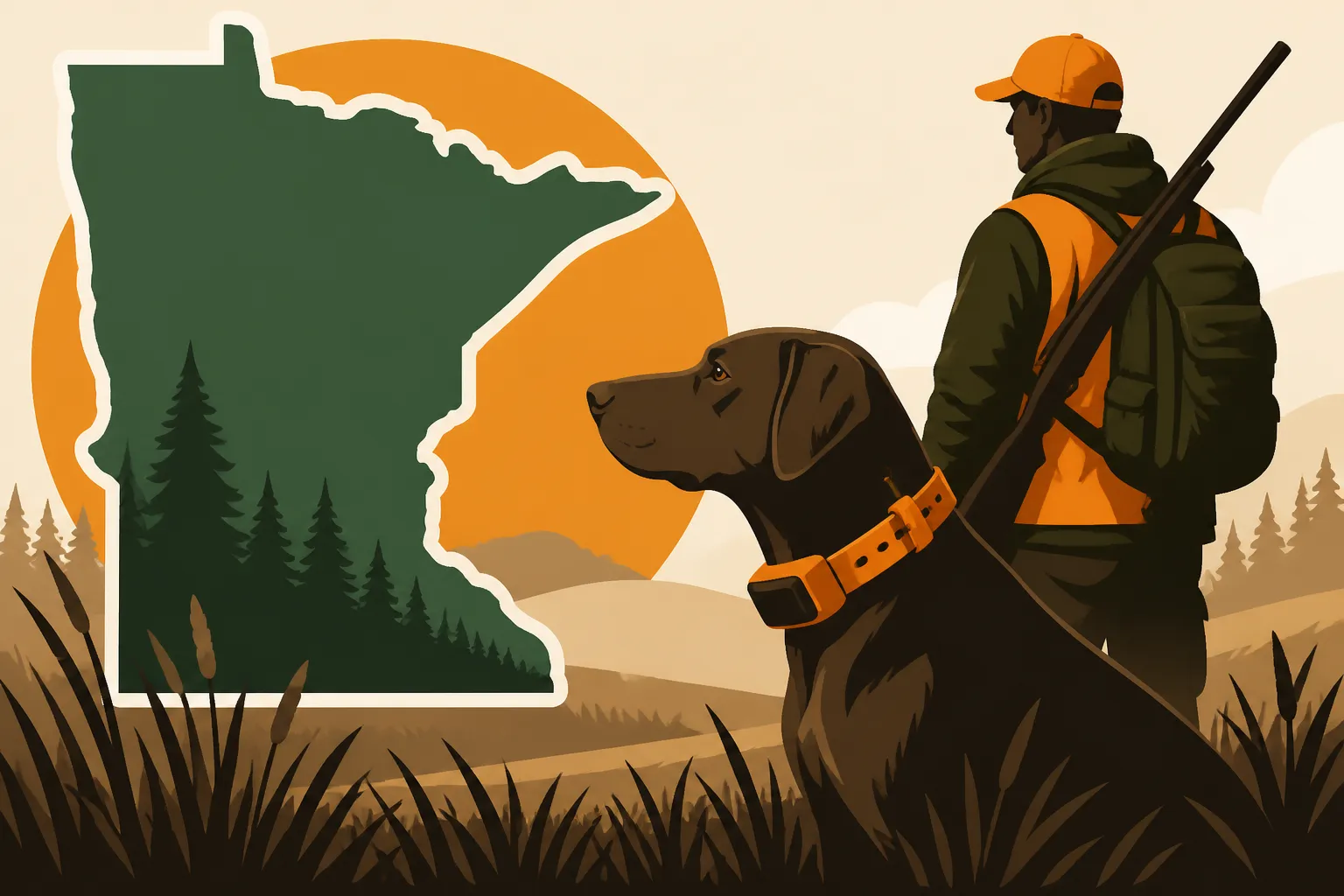
At its heart, an e-collar is a remote training collar that allows you to communicate with your dog from a distance. It typically consists of a small, lightweight receiver box attached to a collar that fits snugly around your dog's neck, and a handheld transmitter that you operate. The beauty of modern e-collars lies in their versatility: they aren't just about static stimulation, which is often what people immediately think of. Most units offer several modes of communication:
- Tone: A simple beep, often used as a warning or a "recall" signal. It’s like a whistle your dog can hear even if they're focused on a bird.
- Vibration: A gentle, tactile stimulation that gets your dog's attention without any static. This is fantastic for sensitive dogs or as a preliminary signal before static.
- Static Stimulation: This is the "shock" most people associate with e-collars, but modern devices offer highly adjustable levels, ranging from a barely perceptible tingle to a more firm correction. The goal is to find the "working level" – the lowest level your dog consistently responds to, not to punish them. Think of it less like a shock and more like a tap on the shoulder when they’re distracted.
The philosophy behind effective e-collar use, especially for hunting dogs, is to use it as a silent, long-distance leash. It reinforces commands your dog already knows, helps break undesirable habits like chasing non-target game, and can be a lifesaver for recall in situations where a verbal command might be lost to wind or distance. When used correctly, it’s a tool that builds confidence and freedom for your dog, allowing them to range further while remaining safely under your control.
Minnesota Regulations on Training Devices
When it comes to training your hunting dog in Minnesota, the good news is that e-collars are generally recognized as a legal and acceptable training aid. Unlike certain electronic calls for game animals, which are strictly prohibited for hunting, e-collars for dog control fall into a different category. The key here is "control" and "training."
Minnesota rules and regulations don't specifically ban the use of e-collars for dog training or hunting purposes. The overarching principle is that you must maintain control of your dog. An e-collar, when used properly, facilitates this control. This means you can use your e-collar to help your retriever stay steady at the line during waterfowl season or keep your pointing dog quartering within range during a grouse hunt. It's about ensuring your dog doesn't harass wildlife, trespass, or become a nuisance or danger to others.
However, it's always wise to remember that while the device itself is legal, its misuse can still lead to problems. For instance, if your dog is running rampant and harassing deer, simply having an e-collar won't absolve you if you're not using it effectively to prevent such behavior. The responsibility for your dog's actions always rests with you, the owner. Before heading out, it’s a good practice to quickly review the general hunting regulations and dog control rules for the specific game you're pursuing, as well as any posted rules for the particular public land you intend to visit.
Public Land Nuances: WMAs, State Forests, and National Forests
Minnesota is incredibly rich in public lands, offering vast opportunities for hunters and dog trainers alike. But not all public ground is created equal, and understanding the subtle differences in management and acceptable use is key to responsible e-collar deployment. What might be perfectly fine in a remote corner of a state forest could cause issues near a popular hiking trail in a Wildlife Management Area.
General Rules Across Minnesota Public Lands
Regardless of whether you’re on state or federal land, the fundamental expectation is that you maintain effective control over your dog. This means preventing them from disturbing other users, chasing non-target wildlife (like deer during bird season), or venturing onto private property. While many public lands allow dogs off-leash, this privilege comes with the responsibility of instant recall and good manners. This is precisely where an e-collar becomes an invaluable tool. It allows you to give those quiet, instantaneous commands that keep your dog close and compliant without needing to shout or physically intervene. You want to train your dog to respond as well to an e-collar correction as they do to a leash tug.
Consider other users: hikers, birdwatchers, mountain bikers, and even other hunters might be out there. A well-trained dog operating under e-collar guidance will stay closer, respond to commands, and reduce potential conflicts. Always be prepared to leash your dog if you encounter others, especially if your dog tends to be overly enthusiastic with greetings. This simple courtesy goes a long way in ensuring positive experiences for everyone. When you're using a mapping app like GoHunt, you can easily identify trails and high-use areas, which can help you choose less-trafficked training spots.
For more on where to train and general etiquette, check out our guide on Dog Training on Minnesota Public Land.
Specific Considerations for WMAs and State Forests
Minnesota's Wildlife Management Areas (WMAs) are often prime locations for training hunting dogs. These areas are specifically acquired and managed by the DNR for the protection and propagation of wildlife, and for public hunting and trapping. As such, dog training (including with e-collars) is generally encouraged, provided it aligns with the WMA’s purpose and doesn't interfere with other users or ongoing wildlife management activities. You'll find a lot of space to work your dog on WMAs, often featuring the very habitat you'll hunt later in the season. Minnesota Wildlife Management Areas are often specifically designed to mimic real hunting conditions.
However, even in WMAs, specific rules can apply. Some might have designated "no dog" areas, or require leashes in parking lots or within certain habitat restoration zones. Always look for posted signs at entry points. During nesting seasons (typically spring and early summer), it's especially important to keep dogs out of sensitive nesting cover or to ensure they are under absolute, close control to prevent disturbance.
Minnesota State Forests offer even vaster expanses of ground, often more remote than many WMAs. These areas are managed for multiple uses, including timber production, recreation, and wildlife. This means you could encounter loggers, campers, hikers, ATV riders, or other hunters. The sheer scale of these forests, like those found when you're Hunting Minnesota's Long Archery Season, makes an e-collar incredibly useful for maintaining control over a ranging bird dog or a tracking deer dog.
In State Forests, dogs are generally permitted off-leash unless posted otherwise, but the responsibility to control your animal is paramount. An e-collar helps ensure your dog doesn't wander too far or inadvertently chase a whitetail when you're trying to work grouse. Using a mapping tool, perhaps one like the GoHunt app, to identify property boundaries is critical here, especially if you’re training near private parcels adjacent to state land. You don't want your dog crossing onto someone's backyard while chasing a scent. For more details on these expansive areas, see our guide on Minnesota State Forest Hunting.
National Forests and Federal Lands
Minnesota is home to portions of the Superior and Chippewa National Forests, as well as numerous Waterfowl Production Areas (WPAs) and other federal lands. On these federal properties, state hunting and dog control laws generally apply, but there can be additional federal regulations or site-specific rules.
National Forests (Superior and Chippewa National Forest Hunting) are vast, wild places. Dogs are typically allowed off-leash in most areas, but you’re still expected to have them under control. This is especially true near developed recreation sites, campgrounds, and designated wilderness areas, where strict leash laws often apply. An e-collar can be invaluable for maintaining communication with your dog in the deep timber, especially if you're exploring remote areas for Finding Sign in Minnesota Big Woods. Knowing your dog will respond instantly can give you peace of mind in these expansive, rugged environments.
Waterfowl Production Areas (WPAs) (Minnesota Waterfowl Production Areas) are critical habitats for ducks and geese, and naturally, they are popular spots for training retrievers. Here, the use of dogs for hunting and training is not just allowed but often central to the activity. E-collars are widely accepted and used by waterfowl hunters to manage their retrievers, ensuring they remain steady in the blind, respond to commands, and retrieve birds efficiently without disturbing other hunters or unnecessary flushing of wildlife. Always check specific WPA regulations, as some may have seasonal closures or restrictions, particularly during sensitive nesting or migratory periods.
Best Practices for Responsible E-Collar Use
An e-collar is a powerful communication device, but like any tool, its effectiveness and ethical use depend entirely on the operator. When you’re out on Minnesota’s public lands, your actions reflect not only on you but on the entire hunting and dog training community. Adhering to best practices ensures a positive experience for everyone and strengthens the reputation of e-collar users.
Prioritizing Safety and Communication
The foundation of responsible e-collar use lies in safety and clear communication with your dog. First, ensure the collar fits correctly. It should be snug enough for the contact points to make consistent skin contact, but not so tight that it causes irritation. Regularly check your dog's neck for any rubbing or sores, especially if they wear the collar for extended periods.
Always start training at the lowest possible stimulation level. The goal is to get your dog's attention, not to cause pain or fear. Many trainers call this finding the "working level" – the setting where your dog first perceives the stimulation, perhaps with a head tilt, ear flick, or a slight pause. This is your baseline for communication. You'll build up from there, but often the lowest levels are all you need for reinforcement once your dog understands the command.
Think of the e-collar as an extension of your voice or leash, providing immediate feedback even when your dog is at a distance or highly distracted. It’s not a punishment tool, but a way to reliably reinforce known commands like "come," "heel," or "stay." For example, if your dog is ranging too far in thick cover while you're Grouse Hunting Minnesota Aspen Cover, a low-level tap on the e-collar can remind them to check in without needing to shout and potentially blow a bird. Consistent, fair, and timely application of the e-collar builds trust and understanding, not fear.
Respecting Other Users and Wildlife
Being a responsible e-collar user on public land also means being highly considerate of others. Even if your dog is under perfect control, some people may still react negatively to the sight of an e-collar or to an off-leash dog. Being polite and proactive can defuse potential tension. If you see hikers or other non-hunters approaching, consider leashing your dog or at least calling them in close and having them sit calmly by your side until the others pass.
Noise can also be an issue. If your dog is a chronic barker, an e-collar can be an excellent tool for correcting excessive barking, which can disturb wildlife or other people enjoying the quiet of the woods. Maintaining reasonable proximity with your dog is also key. While a well-trained bird dog might range far out of sight, always be aware of where they are and be ready to recall them if they wander into an area with other people or sensitive wildlife.
Crucially, an e-collar helps prevent your dog from chasing non-target wildlife. We’ve all seen a deer burst from cover, and it's instinct for many dogs to give chase. With an e-collar, you can interrupt that chase immediately, preventing stress to the deer and avoiding a potential citation for harassing wildlife. Similarly, during certain times of the year, like spring nesting season or early summer when deer fawns are vulnerable, it’s vital to keep your dog out of sensitive areas. Using a mapping application like GoHunt can help you identify these specific zones or simply general high-density areas of wildlife. This forward-thinking approach ensures you're a good steward of the land and a considerate user of public resources.
Essential E-Collar Features for Hunting Dogs
When you’re outfitting your hunting dog, especially for the varied terrain and conditions of Minnesota, choosing the right e-collar is important. Not all collars are created equal, and specific features can make a big difference in the field. Think about the types of hunting you do and the environments you'll be in.
- Range: For hunting dogs, especially those that range widely in dense cover, a good operating range is crucial. Look for collars with a stated range of at least half a mile, though more is often better for peace of mind, particularly in the thick woods or when training for Still-Hunting Minnesota Big Woods.
- Waterproof Design: This is non-negotiable in Minnesota. Whether it’s rain, snow, or a retrieve from a frigid lake, your collar will get wet. Ensure both the receiver and the transmitter are fully waterproof, not just water-resistant.
- Battery Life: You don't want your collar dying halfway through a hunt. Look for models with long battery life (often rechargeable) and consider carrying a portable charging bank if you're on extended trips, perhaps even a trip for Hunting Boundary Waters Canoe Country Deer.
- Multiple Dog Capability: If you run more than one dog, a system that can control multiple collars from a single transmitter (often with color-coded buttons or toggles) is a huge time-saver and safer than juggling multiple remotes.
- Stimulation Types: As mentioned, having tone, vibration, and static options is ideal for versatile communication. Adjustable static levels, sometimes with a "nick" (momentary) and "constant" (up to a few seconds) option, provide fine-tuned control.
- Durability: Hunting dogs are hard on gear. Choose a collar with a robust strap and a sturdy receiver that can withstand bumps, scrapes, and the general rigors of the field. Many companies offer specialized Bird Dog Gear for Minnesota Cover designed for tough conditions.
While GoHunt is primarily a mapping and scouting tool, they often have gear review sections or partner with brands that offer high-quality e-collars, which can be a great place to start your research for durable, reliable equipment suited for Minnesota's demanding hunting conditions.
Training Considerations and Avoiding Misuse
An e-collar isn't a quick fix or a magical device that instantly transforms an untrained dog into a polished hunting machine. It's a powerful tool that, like any powerful tool, requires skill, patience, and a solid understanding of dog behavior. Approaching e-collar training correctly is crucial for your dog's well-being and your success in the field.
Foundation Training Before E-Collar Introduction
This is absolutely non-negotiable: never introduce an e-collar to a dog that hasn't mastered basic obedience commands on a leash. Your dog must understand what "come," "sit," "stay," and "heel" mean before you layer in e-collar communication. The e-collar’s purpose is to reinforce these known commands reliably and consistently, especially when distractions are high or distance is a factor. It doesn't teach a command; it reinforces one.
Think of it this way: you wouldn't give a child a complicated math problem before they learned their numbers. Similarly, you shouldn't ask a dog to perform a command via e-collar if they don't already understand the verbal or hand signal for that command. Start all training in a distraction-free environment, on a long line, using positive reinforcement. Once your dog is consistently performing these commands, then you can gradually introduce the e-collar at its lowest working level to layer on the new form of communication. This foundation work is critical for building a confident, responsive hunting partner.
Common Mistakes and How to Avoid Them
Even with good intentions, it's easy to fall into common pitfalls when using e-collars. Being aware of these can save you and your dog a lot of frustration.
- Using Too High a Level: This is the most frequent mistake. The e-collar is not meant to "punish" your dog, but to get their attention. If your dog yelps, jumps, or acts panicked, the level is too high. Find that low working level where they simply acknowledge the stimulation.
- Inconsistent Application: Your dog needs consistency. If you only use the e-collar some of the time, or inconsistently reinforce commands, your dog will get confused. Be firm, fair, and consistent every single time you use it.
- Not Testing the Collar Regularly: Receivers can sometimes lose connection, or batteries can die unexpectedly. Always test your e-collar before each training session or hunt to ensure it's functioning properly.
- Using It Out of Frustration: Never use the e-collar when you're angry or frustrated. Your emotional state can transfer to your dog, and you risk creating negative associations with the collar or the training. Training should always be a calm, controlled process.
- Not Understanding Your Dog's Temperament: Every dog is different. Some are highly sensitive and require very low levels of stimulation, while others are "hard-headed" and might need a slightly higher working level. Tailor your approach to your individual dog. For example, a high-strung Springer Spaniel might respond differently than a stoic German Shorthaired Pointer.
- Expecting Instant Results: E-collar training takes time and repetition. Don't expect your dog to be perfectly trained after a few sessions. It's an ongoing process of reinforcement and proofing.
| Best Practice | What to Do | What to Avoid |
|---|---|---|
| Fit & Comfort | Ensure snug fit, check for sores, rotate collar location. | Too loose (no contact) or too tight (chafing). |
| Working Level | Start at lowest perceptible level, gradually increase if needed. | High levels that cause yelping, jumping, or fear. |
| Consistency | Reinforce known commands every time, in varied environments. | Intermittent use, inconsistent application of corrections. |
| Positive Association | Pair stimulation with known commands, follow with praise/reward. | Using collar only for negative reinforcement or punishment. |
| Purpose | Use as a communication tool to reinforce known behaviors. | Using it to teach new commands or to express frustration. |
| Pre-Training | Master basic obedience on leash before e-collar introduction. | Introducing collar to an untrained dog hoping for a quick fix. |
| Monitoring | Regularly check collar function, battery, and dog's skin. | Neglecting maintenance, assuming it always works. |
| Environment | Practice in varied environments, gradually increasing distractions. | Only training in a sterile, distraction-free setting. |
| Respect Others | Be mindful of other public land users, leash if necessary. | Letting dog range uncontrolled, causing disturbance. |
| Wildlife Safety | Use to prevent chasing non-target game, especially deer. | Letting dog harass wildlife, ignoring unwanted behaviors. |
When to Seek Professional Guidance
While many hunters successfully train their dogs with e-collars using instructional videos and books, there's no shame in seeking professional help. In fact, for complex behavioral issues or if you're struggling to make progress, a professional dog trainer specializing in e-collar work for hunting dogs can be an invaluable resource.
A good trainer can:
- Assess Your Dog's Temperament: They can help determine the ideal working level and training approach for your specific dog.
- Teach Proper Timing and Application: Timing is everything with e-collar training. A professional can guide you on precise application, ensuring your dog understands the connection between the command, the stimulation, and the desired action.
- Address Specific Issues: If your dog has a persistent problem, like chasing deer, not coming when called in high-distraction environments, or poor steadiness, a trainer can develop a tailored program.
- Introduce Advanced Concepts: Beyond basic obedience, trainers can help with advanced concepts like "force fetch," "e-collar conditioned retrieve," or handling nuanced situations in the field.
Look for trainers with experience in hunting dog breeds and e-collar training. Ask for references and observe a session before committing. The investment in professional guidance can ultimately save you time, frustration, and ensure you develop the best possible relationship and control with your hunting companion on Minnesota's public lands. Organizations like the National Association of Canine Scent Work (NACSW) or local retriever clubs often have resources for finding qualified trainers.
Disclaimer
This article is for general informational purposes only and does not constitute professional advice. Laws, prices and regulations vary by location and change over time. Consult a qualified professional for guidance on your specific situation.