Freezing and Shipping Game Meat
There’s nothing quite like the satisfaction of a successful hunt, whether it’s a big Minnesota whitetail buck or a limit of pheasants. But once the adrenaline fades, the practical questions quickly surface: How do I properly preserve this meat, and what if I want to share it with family and friends who live far away? You've put in the hard work, from scouting to shot placement, and now it's crucial to ensure that prime wild game makes it to your table, or a loved one's, in the best possible condition. This guide will walk you through the essential steps for freezing your harvest effectively and navigating the often tricky waters of shipping game meat safely and legally.
The Importance of Proper Field Care for Freezing Game Meat
Before you even think about wrapping meat for the freezer, the quality of your wild game relies almost entirely on what happens in the field immediately after the harvest. All the careful packaging in the world won't make up for meat that wasn't handled correctly from the start. This initial care isn't just about preserving taste; it's about food safety and preventing spoilage that can render your hard-earned bounty inedible.
Rapid Cooling and Cleanliness Post-Harvest
The absolute first priority after a successful shot is to get the animal cooled down as quickly as possible. This is especially critical in Minnesota's early archery seasons or warmer firearm openers when temperatures might still be in the 50s or 60s. Bacteria thrive in warm environments, and internal body heat can quickly spoil meat from the inside out. Immediately after the animal is down and safe, field dress it to remove the internal organs. This removes a significant source of heat and allows the body cavity to begin cooling.
Once field dressed, think about airflow. If you're able to hang the animal, do so in a shaded, cool spot. Spreading the rib cage open with a stick can help air circulate. If you can’t hang it, lay it on its back, propping the cavity open and ensuring contact with the ground is minimized to prevent heat transfer. For larger game like deer, consider placing bags of ice inside the chest cavity if temperatures are still warm, being careful to avoid direct contact between melting ice water and exposed meat, which can lead to bacterial growth and diluting the meat's flavor. Using game bags is a fantastic way to protect the meat from flies, dirt, and debris while still allowing it to breathe. Remember, cleanliness is paramount; wear gloves, use clean knives, and avoid contaminating the meat with dirt, leaves, or stomach contents. For more on the basics, see Field Dressing a Deer in Cold Weather.
Processing Your Harvest for Optimal Freezing
After the initial field care, the next step is processing the animal into manageable cuts. This usually involves skinning, quartering, and then deboning and butchering. Take your time with this stage, as it directly impacts the eating quality of your meat. Focus on removing all hair, dirt, bloodshot areas, bruised meat, fat, and connective tissues (silver skin). Wild game fat often has a strong, undesirable flavor and can go rancid much faster than the lean meat itself, leading to freezer burn and off-flavors. While some hunters enjoy rendering bear fat, for deer and other common Minnesota game, it's generally best to trim it all away.
Decide what cuts you want: steaks, roasts, stew meat, or ground. For ground meat, you might save some trimmings from various cuts, ensuring a good lean-to-fat ratio (often by adding beef or pork fat if you want a fattier grind, though many prefer venison pure and lean). Labeling each cut clearly at this stage is a huge time-saver later on. Having a clean, dedicated workspace and sharp knives makes this process much smoother and more efficient, reducing the time the meat is exposed to warmer temperatures.
Mastering the Art of Freezing Wild Game
Once your game is properly field-dressed and butchered, the freezer becomes your primary tool for long-term preservation. The goal here is to protect the meat from oxygen, which causes freezer burn, and maintain its quality for as long as possible. A well-frozen package of venison can taste just as good six months later as it did fresh, provided you handle it right.
Packaging Techniques for Freezer Burn Prevention
Freezer burn is the bane of any hunter's stored meat. It occurs when moisture evaporates from the surface of the meat, leaving behind dry, discolored, and flavorless patches. The key to preventing this is to create an airtight seal that minimizes the meat's exposure to air.
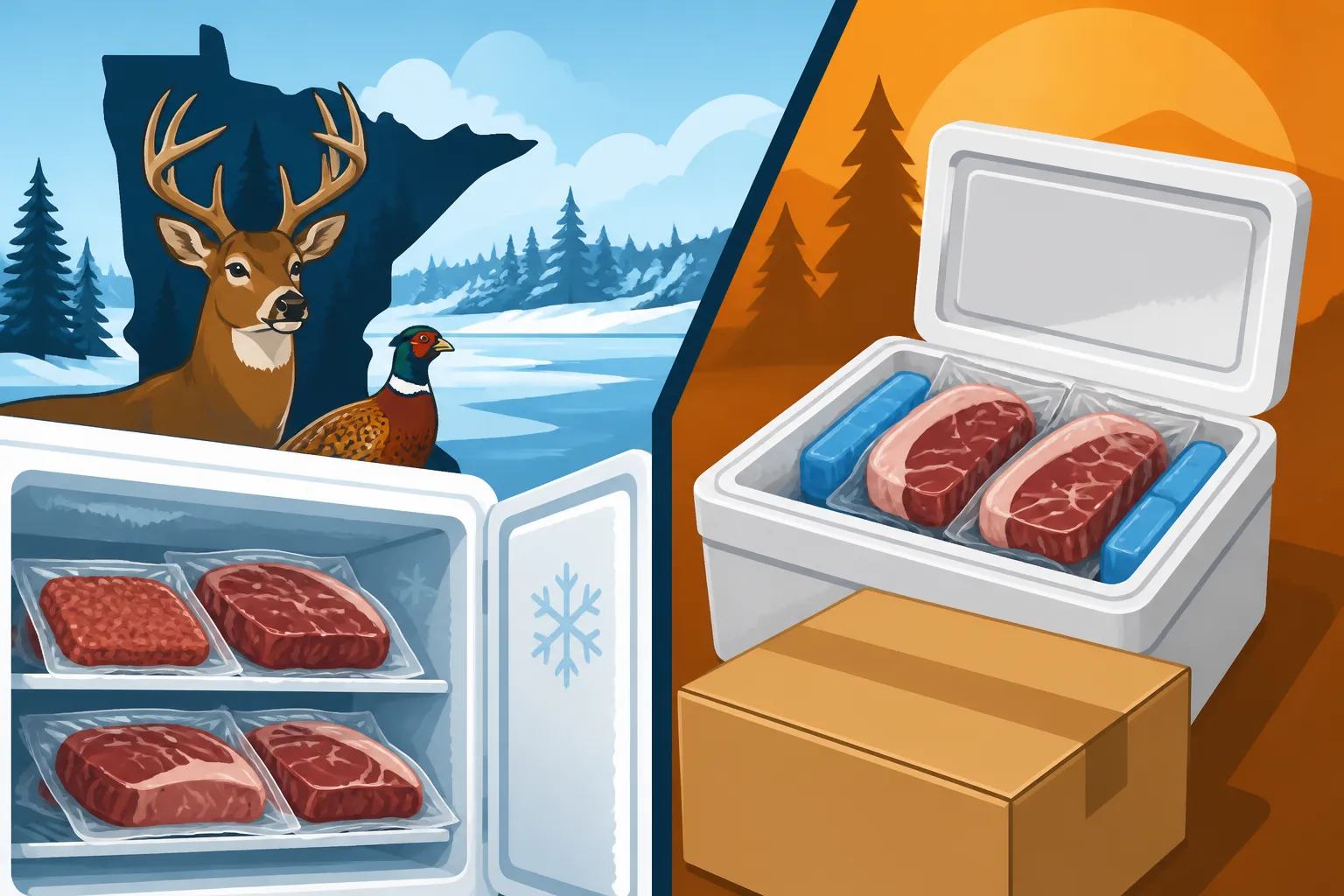
Vacuum sealing is, without a doubt, the gold standard for freezing game meat. A good vacuum sealer removes virtually all the air from around the meat and creates a tight, impenetrable barrier. This not only prevents freezer burn but also helps maintain the meat's texture and flavor for extended periods. When vacuum sealing, make sure the meat is dry on the surface to ensure a good seal, and don't overfill bags. If you're processing a lot of meat, having extra bags on hand is a good idea. Some hunters even double-vacuum seal especially prized cuts for extra protection. A solid vacuum sealer is truly a worthwhile investment for any hunter, significantly extending the life and quality of their harvest.
If a vacuum sealer isn't in your budget, or if you simply prefer traditional methods, heavy-duty freezer paper and high-quality freezer bags are excellent alternatives. When using freezer paper, wrap the meat tightly, ensuring no air pockets, and then tape it securely. For an extra layer of protection, you can then place the paper-wrapped package inside a heavy-duty freezer bag, squeezing out as much air as possible before sealing. This double-layer approach significantly reduces the risk of freezer burn. Standard Ziploc bags, while convenient, are often too thin and porous for long-term freezing of meat, so always opt for bags specifically designed for freezer use. Ensure every package is clearly labeled with the type of meat, the cut, and the date it was frozen.
Imagine you've harvested a beautiful whitetail buck in late October, processed it down to steaks, roasts, and ground venison, and now you want to enjoy it for the next year. You painstakingly trim all the silver skin and fat from the backstraps, slice them into thick steaks, and then vacuum seal each one individually. The ground venison goes into sturdy freezer bags, flattened to allow for quicker freezing and easier stacking. With these methods, when you pull a venison steak out next July for the grill, it will taste as fresh and delicious as if you just butchered it. For ideas on preparing your game, check out Butchering a Deer at Camp.
Freezing Methods and Storage Duration
How you freeze the meat can also impact its quality. Rapid freezing is generally preferred because it forms smaller ice crystals, which cause less damage to the meat's cell structure. This means less "weeping" and better texture when thawed. To achieve rapid freezing, avoid stacking unfrozen packages too densely in your freezer. Spread them out initially to allow cold air to circulate around each package, then once solidly frozen, you can stack them efficiently. For smaller items like grouse breasts or pheasant fillets, you can even flash freeze them on a baking sheet before packaging to prevent them from clumping together.
Your freezer's temperature is critical. Ideally, it should be maintained at 0°F (-18°C) or colder. Regularly check your freezer's thermostat to ensure it's performing optimally. Overfilling a freezer can sometimes hinder its ability to maintain a consistent, low temperature, so try to leave some space for air circulation. While wild game can technically stay "safe" in a deep freezer for years, its quality will gradually degrade. The drier and leaner the meat, the longer it tends to maintain its quality.
Here’s a general guideline for recommended freezer storage times to maintain optimal quality:
| Game Type | Cut | Recommended Storage Time (Optimal Quality) |
|---|---|---|
| Deer, Elk, Moose | Steaks, Roasts | 9-12 months |
| Deer, Elk, Moose | Ground Meat | 6-9 months |
| Bear | Steaks, Roasts, Ground | 6-9 months |
| Turkey | Breasts, Ground | 6-9 months |
| Pheasant, Grouse | Breasts, Whole | 9-12 months |
| Duck, Goose | Breasts, Whole | 6-9 months |
| Rabbit, Squirrel | Whole, Pieces | 6-9 months |
Note: These are guidelines for optimal quality. Meat may remain safe beyond these times but might experience some degradation in taste and texture.
Navigating the Logistics of Shipping Game Meat
Shipping game meat introduces a whole new layer of considerations, primarily revolving around legalities and ensuring the meat stays frozen solid throughout its journey. Whether you're sending a care package to family out of state or moving your entire harvest across state lines, understanding the rules and best practices is essential.
Legalities and Regulations for Interstate Shipping
This is where things can get complicated. Shipping game meat across state lines involves navigating the regulations of both the originating state (Minnesota, in this case) and the destination state. Each state has its own specific rules regarding the importation of wild game, especially concerning Chronic Wasting Disease (CWD).
Many states, including Minnesota, have carcass movement restrictions in place, particularly for deer harvested in CWD management zones. Generally, only deboned meat, clean skull plates, hides, and taxidermy-ready mounts are allowed to cross state lines from certain areas. Whole carcasses or bone-in cuts are often prohibited to prevent the spread of CWD. It is absolutely critical to check the current regulations for both Minnesota and the destination state before attempting to ship any game meat. A good starting point is the respective state's Department of Natural Resources (DNR) or equivalent agency website. Tools like GoHunt can also sometimes offer resources or links to help you find these regulations quickly during your planning phase, providing valuable insights into potential logistical challenges.
Beyond CWD, some states might have general restrictions on importing certain species or require permits. Always err on the side of caution and verify all rules well in advance to avoid legal issues and potential confiscation of your hard-earned meat. Commercial processors who specialize in game meat often have up-to-date knowledge of these regulations and can be an invaluable resource.
Packaging and Shipping Best Practices
Once you've confirmed the legalities, proper packaging for shipping is paramount to ensure the meat arrives frozen and in good condition. You'll need sturdy, insulated shipping coolers, similar to those used for camping. For extended transit times or warmer climates, consider using dry ice. Dry ice keeps items colder than regular ice and sublimates (turns directly into gas) rather than melting into water, which is a huge advantage for shipping. However, dry ice requires careful handling (wear gloves!) and specific ventilation instructions from the shipping carrier. As an alternative, high-quality gel packs can also work well, especially for shorter transit times or if you're not comfortable with dry ice.
Pack your frozen, vacuum-sealed meat tightly in the cooler, filling any voids with crumpled newspaper or additional insulation to minimize air pockets. The less empty space, the better the cooler will perform. Seal the cooler securely with heavy-duty tape, ensuring it can withstand the rigors of shipping.
When selecting a carrier, prioritize overnight or express shipping services. The goal is to minimize transit time as much as possible to reduce the risk of thawing. Always inform the carrier that you are shipping frozen food. They may have specific labeling requirements or handling procedures for perishable items. Clearly label the package "PERISHABLE – FROZEN MEAT – KEEP FROZEN" and include your contact information as well as the recipient's. Shipping on a Monday or Tuesday is often a good strategy to avoid weekend delays, which can lead to your package sitting in a warehouse. This foresight is part of the extensive planning that Scouting Minnesota Public Land Before Season emphasizes for successful hunts, extending even to post-harvest logistics.
Imagine you've had a fantastic early fall pheasant hunt in southwestern Minnesota, and you want to send some of those delicious pheasant breasts to your brother in Texas. You've deboned and vacuum-sealed the breasts, confirming Texas's regulations. You'd pack them tightly in a sturdy foam cooler with a layer of dry ice, seal it, label it clearly, and send it via overnight shipping early in the week. With careful planning, those pheasants will arrive ready for his grill.
Considering Commercial Processing and Shipping Services
For many hunters, especially those traveling a significant distance or with a large harvest, relying on commercial processing and shipping services is often the best and most stress-free option. These professionals are set up to handle large volumes of meat, have the proper equipment for cutting and packaging, and are usually well-versed in the intricate regulations for shipping game.
Commercial processors can offer a range of services beyond just butchering. They can custom-cut your meat into steaks, roasts, and grind, create sausages or jerky, and often provide vacuum-sealing services that meet commercial shipping standards. More importantly, many processors have established relationships with shipping carriers and are experienced in preparing and dispatching perishable goods. They know how to properly pack coolers with the right amount of dry ice or gel packs to ensure safe arrival, and they can advise on or directly handle the necessary documentation for interstate transport.
Using a professional service not only saves you time and effort but also provides peace of mind that your valuable game meat is being handled correctly and legally. If you’re planning a hunt in an unfamiliar area of Minnesota, or even just processing a larger animal than you're used to, researching local processors in advance can be a wise move. Many hunters use hunting apps and resources, much like how GoHunt helps in planning, to find and review local services, read testimonials, and understand their offerings before their trip. This kind of preparation ensures your hard-earned meat doesn't go to waste.
Practical Tips for Minnesota Hunters
Minnesota offers diverse hunting opportunities, from the dense big woods of the north to the sprawling farmlands of the south. Each environment presents its own set of challenges and considerations when it comes to game meat preservation and transport. Being prepared is key to ensuring your venison, bear, or upland birds make it home safely.
Planning Ahead for Remote Hunts
When planning a hunt in remote areas like the Boundary Waters Canoe Country Deer or deep in the Superior National Forest, where cell service is spotty and towns are far apart, your meat care strategy needs to be ironclad. You won't have the luxury of a nearby processor or a quick trip to the store for more ice.
Before you even leave home, ensure you pack ample coolers, a good supply of ice (block ice lasts longer than cubes), high-quality game bags, and clean field dressing tools. Consider bringing a portable hoist or gambrel if you plan to hang your deer. For multi-day trips, having a strategy for draining melted ice water and replenishing ice is vital. If you’re backpacking, lighter alternatives like specialized game bags that allow for maximum airflow and initial cooling are crucial, along with knowledge of how to debone in the field to reduce weight. This proactive approach mirrors the extensive preparation often discussed in Scouting With the Minnesota Recreation Compass App when preparing for remote trips.
Mapping out potential access points, designated hanging areas if available, and the closest town with a gas station for ice or a processor should be part of your pre-hunt planning. In areas like the Northwest Angle or deep in the Northwoods, these facilities can be few and far between, and their hours might be limited, especially during hunting season.
Sharing Your Harvest
One of the great joys of hunting is sharing the bounty with friends and family. Preparing game meat for others, whether they're across town or across the country, should be done with the same care and attention you give to your own portions.
When packaging meat for sharing, consider the recipient's cooking preferences. Smaller, individual meal-sized portions are often appreciated, especially if they're not accustomed to cooking large cuts of wild game. Clearly label each package with the type of meat and cut. Providing cooking instructions or favorite recipes can also be a thoughtful touch for those new to preparing wild game. For example, a note like "Venison backstrap – sear quickly to medium-rare" can guide them to a delicious experience.
For local sharing, ensure the meat is well-chilled or frozen before transport. If you're driving a short distance, a quality cooler with ice packs is usually sufficient. For longer drives, or if you're gifting a significant amount, treat it as if you were shipping, ensuring it stays frozen until it reaches their freezer. The gift of wild game is a testament to your efforts and a way to connect with others, so ensuring its quality from field to fork, even if that fork is hundreds of miles away, is an important part of the hunting tradition. It’s also a great way to introduce new people to the deliciousness of Minnesota's natural harvest.
Disclaimer
This article is for general informational purposes only and does not constitute professional advice. Laws, prices and regulations vary by location and change over time. Consult a qualified professional for guidance on your specific situation.