Turkey Vests With a Kickstand Seat
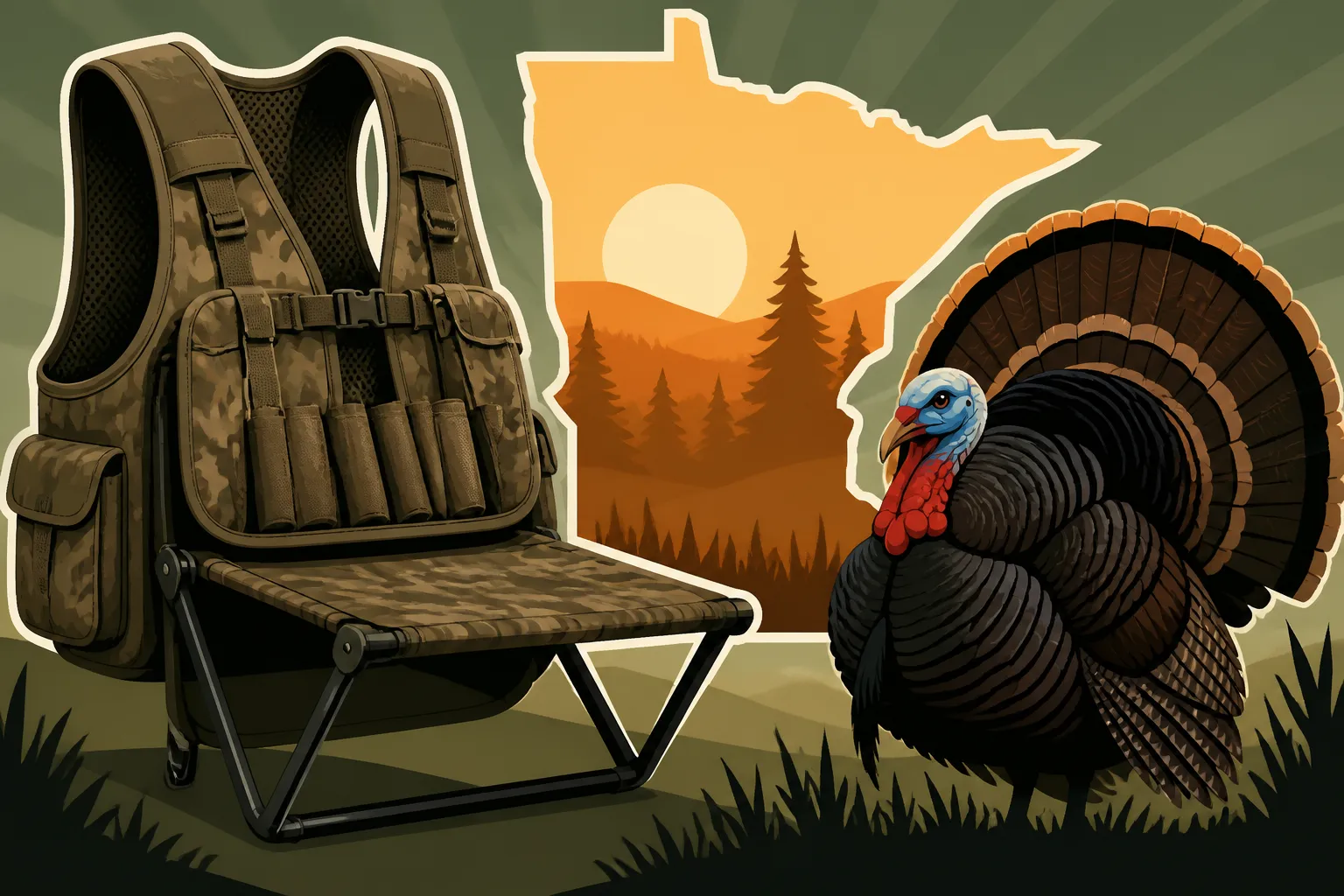
There’s nothing quite like the sound of a gobbler hammering at first light, but let's be honest, turkey hunting often involves long periods of sitting perfectly still, often in awkward, uncomfortable positions. Whether you're tucked against a gnarled oak or attempting to disappear into a brush pile, the discomfort of uneven ground, roots digging into your backside, or the sheer fatigue of holding an alert posture can quickly wear you down. This guide is all about one piece of gear that has revolutionized the sit-and-wait game for many turkey hunters: the turkey vest with a kickstand seat. We’ll explore why these vests are a game-changer, what to look for, and how to use them effectively to keep you comfortable and focused when that tom finally struts into range here in Minnesota.
Why a Kickstand Vest Changes the Turkey Hunting Game
For years, turkey hunters endured backaches and numb legs, often sacrificing comfort for concealment. We'd sit on flimsy foam pads or directly on the cold, damp ground, trying to remain motionless as hours ticked by. The struggle was real: shift too much, and you might spook a wary bird; sit too still in discomfort, and your focus wanes. A kickstand vest steps in as a solution to this pervasive problem, offering a level of sustained comfort that traditional methods simply can't match. It’s not just about luxury; it's about extending your time in the field, improving your stealth, and ultimately, boosting your chances of success.
The Battle Against Fatigue and Discomfort
Imagine spending three hours trying to call in a stubborn gobbler. You're set up on a beautiful ridge edge, having used a tool like GoHunt to pinpoint a perfect clearing or a logging road where he likes to strut. You’ve got your calls ready, your shotgun up, and you’re waiting. But the ground is sloped, a root is digging into your hip, and your lower back starts to scream. Every minute feels like an hour, and the urge to shift, stretch, or stand up becomes almost unbearable. This constant battle with discomfort diverts your attention from the woods around you, making you less observant and more prone to making a sudden, game-ending movement.
A kickstand vest fundamentally changes this dynamic. By providing a stable, elevated seat with integrated back support, it takes the strain off your body. You're no longer fighting gravity or trying to balance on uneven terrain. Instead, you're comfortably supported, allowing you to relax your muscles, yet remain alert. This reduces the physical toll of long sits, letting you focus entirely on calling, listening for the subtle sounds of an approaching bird, and being ready for the shot. It means you can stay out longer, hunt harder, and enjoy the experience more, especially during those marathon mid-morning lulls when patience is everything.
Staying Still When It Matters Most
One of the biggest challenges in turkey hunting is remaining absolutely still, especially as a bird works its way into your setup. Any twitch, shift, or adjustment can be enough to send a wary tom bolting. When you're sitting on the ground without support, every muscle in your core and legs is working to maintain your posture. This constant tension makes it incredibly difficult to hold perfectly still for extended periods, let alone smoothly bring your gun to bear when the moment arrives. The very act of getting into a shooting position from a slumped or uncomfortable crouch can be noisy and slow.
A kickstand vest, by offering a stable and comfortable base, allows you to maintain a ready posture with minimal effort. You can lean back against the integrated frame, keeping your core relaxed but your eyes and ears engaged. When that gobbler finally steps into view, you can transition to a shooting position with greater fluidity and less extraneous movement. The quiet design of most modern kickstand vests means you won't be creating squeaks or rustles as you adjust. This ability to stay still longer and draw down on a bird more smoothly is a critical advantage, turning near misses into filled tags. Think about the precision needed when patterning your turkey gun at 40 yards; that same precision in motion is what a kickstand vest helps you achieve.
Key Features to Look For in a Minnesota Turkey Vest with a Kickstand
Not all kickstand vests are created equal, and understanding the nuances of their design can make a huge difference in your hunting experience. Given Minnesota's varied terrain, from the hardwoods of the Southeast to the big woods of the North, you need a vest that can stand up to diverse conditions and offer practical utility. You’re not just buying a seat; you’re investing in an extension of your hunting strategy, and selecting the right features is paramount.
The Kickstand Mechanism and Its Importance
The core of any kickstand vest is, of course, the kickstand itself. This mechanism is what provides the structural integrity to hold you off the ground and offer back support. You’ll find various designs, from simple fold-out legs to more complex, integrated frames. The most important aspects to consider are stability, ease of deployment, and quiet operation. A wobbly kickstand that shifts under your weight or creaks with every subtle movement is counterproductive. Look for a robust frame, often made of lightweight aluminum, that locks securely into place. You want to be able to deploy it with one hand, or with minimal fuss, so you don't spook any birds already within earshot.
Many vests feature adjustable legs, which is a huge bonus when hunting on uneven Minnesota terrain. A slightly longer leg on one side can level out your seat on a hillside, preventing you from constantly sliding off. Also, consider the feet of the kickstand – wide, non-slip feet will prevent it from sinking into soft ground or sliding on wet leaves. Some vests even integrate the seat and kickstand as a single, quick-deploy unit, meaning you're ready to sit comfortably the moment you find your ideal setup spot, whether it's Setting Up Against a Big Oak or against a blowdown.
Storage and Organization for Essential Gear
Beyond the seat, a turkey vest is fundamentally a gear organizer. Turkey hunting requires carrying a surprising array of items: calls, shells, rangefinders, water, snacks, headlamps, and maybe even a small first-aid kit. A well-designed vest will have dedicated pockets for all these essentials, keeping them secure, quiet, and easily accessible. Think about your personal setup and what you carry. Do you use multiple types of Turkey Calls Worth Carrying in Minnesota? Ensure there are individual sleeves or pockets for your box call, slate calls, and mouth calls so they don't rattle against each other or get lost.
Shell loops or designated shell pockets are a must, keeping your ammunition readily available. Many vests include a large game bag on the back, essential for hauling out your bird after a successful hunt. Consider vests with external water bottle pockets for easy hydration and internal pockets for valuables like your phone or license. Zipper pulls should be quiet, preferably fabric, to avoid metallic clinks. The overall layout should be intuitive, allowing you to grab what you need without fumbling or creating unnecessary noise. Brands like GoHunt often highlight gear organizational strategies that pair well with these types of vests, emphasizing efficiency in the field.
Durability and Weather Resistance for Spring Conditions
Minnesota spring weather can be notoriously unpredictable. One day it’s sunny and warm, the next it’s raining, snowing, or both. Your turkey vest needs to be able to withstand these conditions. Look for durable fabrics like heavy-duty nylon or Cordura that can resist tears, abrasions, and the general abuse of crashing through brush and sitting on rough ground. Reinforced stitching at stress points is also a good indicator of quality and longevity.
Water resistance is another critical factor. While few vests are completely waterproof, many offer DWR (durable water repellent) coatings or use materials that shed moisture effectively. This helps keep your gear dry and prevents the vest from soaking up water and becoming heavy. Consider the padding in the seat itself – is it thick enough to provide insulation from cold, damp ground? A comfortable, dry seat is crucial for those early morning sits when frost is still on the grass or after a spring shower. The right vest acts as a buffer against the elements, allowing you to remain comfortable and focused regardless of what Minnesota’s spring throws at you.
Choosing the Right Kickstand Vest for Your Hunting Style
The "best" kickstand vest isn't a one-size-fits-all answer; it's the one that perfectly complements your individual turkey hunting style. Are you a high-mobility "run-and-gun" hunter, constantly moving and calling, or do you prefer to "sit and wait" at known strut zones and travel corridors? Understanding your primary approach will guide you to a vest that enhances, rather than hinders, your strategy.
Run-and-Gun vs. Sit-and-Wait Approaches
If you're a run-and-gun turkey hunter, always on the move, covering ground, and trying to locate Minnesota gobblers off the roost or respond to distant calls, mobility is king. For this style, you'll want a kickstand vest that is lightweight and streamlined. Heavy, bulky vests can be a real drag when you're covering miles of timber or pushing through thick cover. Look for vests with a minimalist kickstand design that folds away compactly and doesn't snag on brush. The focus should be on easy access to calls and a comfortable carry, but without excess bulk. Quick-detach buckles and adjustable straps will help you cinch it down for agile movement. Some GoHunt users prioritize compact designs for this very reason, ensuring they can move silently and swiftly.
On the other hand, if your preferred method is the sit-and-wait approach—setting up in a prime location and calling birds to you, perhaps near a field edge or a specific roost site—then maximum comfort and robust features become more important. You’re less concerned with covering ground rapidly and more focused on remaining motionless and comfortable for extended periods. For these hunters, a vest with a more substantial, cushioned seat and possibly more elaborate back support is ideal. These vests might be a bit heavier, but the enhanced comfort for long sits outweighs the slight increase in weight. They often have more storage capacity for extra layers, snacks, and a wider array of Turkey Decoys That Work on Pressured Birds.
Comfort and Fit: More Than Just a Number
Just like a good pair of hiking boots, the fit and overall comfort of your turkey vest are paramount. A poorly fitting vest can cause chafing, restrict movement, and lead to discomfort, regardless of how good the kickstand seat is. This isn’t something you can judge solely by looking at it online; if possible, try vests on, ideally with some of your gear loaded into them. Pay attention to how the shoulder straps distribute weight. Wide, padded straps are generally more comfortable, especially when the vest is fully loaded.
Adjustability is key. Look for vests with multiple adjustment points – shoulder straps, sternum straps, and waist belts – to dial in a custom fit. A vest that sits snugly and doesn't bounce or shift when you walk will be far more comfortable. The back panel should be breathable to prevent excessive sweating, especially during warmer spring days. Consider the material that touches your skin; soft, moisture-wicking fabrics are a bonus. Remember, you’ll be wearing this vest for hours, often in various temperatures, so a comfortable, well-fitting vest will be one of your most valued pieces of gear, allowing you to stay focused on the hunt rather than the nagging discomfort on your shoulders or back.
| Feature | Run-and-Gun Hunter | Sit-and-Wait Hunter |
|---|---|---|
| Weight | Lightweight, minimalist | Moderate to heavy, feature-rich |
| Kickstand | Compact, quick-deploy, no snag | Robust, cushioned, stable, adjustable |
| Storage Capacity | Essential calls, minimal gear | Ample for calls, decoys, layers, food |
| Comfort Focus | Agile movement, minimal bulk | Sustained ergonomic support, padding |
| Durability | Abrasion-resistant for movement | Weather protection, heavy-duty fabrics |
| Noise Profile | Ultra-quiet for stealthy movement | Quiet operation, secure gear |
| Best Terrain | Varied, moving through dense cover | Open woods, field edges, specific spots |
Practical Tips for Using Your Kickstand Vest in the Field
Getting the right kickstand vest is just the first step; knowing how to utilize it effectively in the field is what truly maximizes its potential. From setting up for the perfect shot to maintaining your gear, a few smart practices can make all the difference when you're out Hunting the Minnesota Rut in Early November or specifically chasing spring gobblers.
Setting Up for the Shot
One of the primary benefits of a kickstand vest is its ability to facilitate a quick, stable setup. When a gobbler sounds off, or you hear one strutting close, you need to get into position fast and efficiently. With a kickstand vest, practice deploying the seat quickly and quietly. Find a spot with good cover—a large oak, a cluster of pines, or a dense thicket. Aim to have clear shooting lanes in the direction you expect the bird to approach. Once settled, subtly adjust your position so your shotgun is pointed in the general direction of the anticipated shot, minimizing large movements when the bird finally appears.
The back support of the vest is crucial here. Lean back, allowing the vest to take your weight, but remain alert. This relaxed posture will help you stay motionless longer. Some hunters like to cant their body slightly, presenting a smaller profile to the approaching bird. Remember to always consider your background for safety; you don't want to be silhouetted against the skyline. Use a mapping app like GoHunt to mark potential setup spots or scout ahead for prime locations where you can quickly take advantage of natural cover and an effective backdrop.
Maintenance and Care for Longevity
Like any piece of hunting gear, your kickstand turkey vest will perform best and last longest with proper care and maintenance. After each hunt, especially in Minnesota's often damp spring conditions, remove all items from the pockets and empty any debris like leaves, dirt, or spent shells. If the vest is muddy or stained, spot clean it with a damp cloth and mild soap. For more thorough cleaning, follow the manufacturer's instructions; many vests can be hand-washed or gently machine-washed on a cold cycle. Avoid harsh detergents or bleach, which can damage the fabric and its water-resistant properties.
Pay special attention to the kickstand mechanism. Ensure it's free of dirt, mud, or rust, which can impede its smooth operation. Lubricate any pivot points as recommended by the manufacturer. Store your vest in a dry, well-ventilated area, away from direct sunlight or extreme temperatures. Hanging it up, rather than leaving it in a crumpled pile, will help maintain its shape and allow it to air out properly. By taking these simple steps, your kickstand vest will be ready to provide comfort and support for many Minnesota turkey seasons to come, whether you're using Fall Turkey Tactics in Minnesota or hunting the spring season.
Disclaimer
This article is for general informational purposes only and does not constitute professional advice. Laws, prices and regulations vary by location and change over time. Consult a qualified professional for guidance on your specific situation.