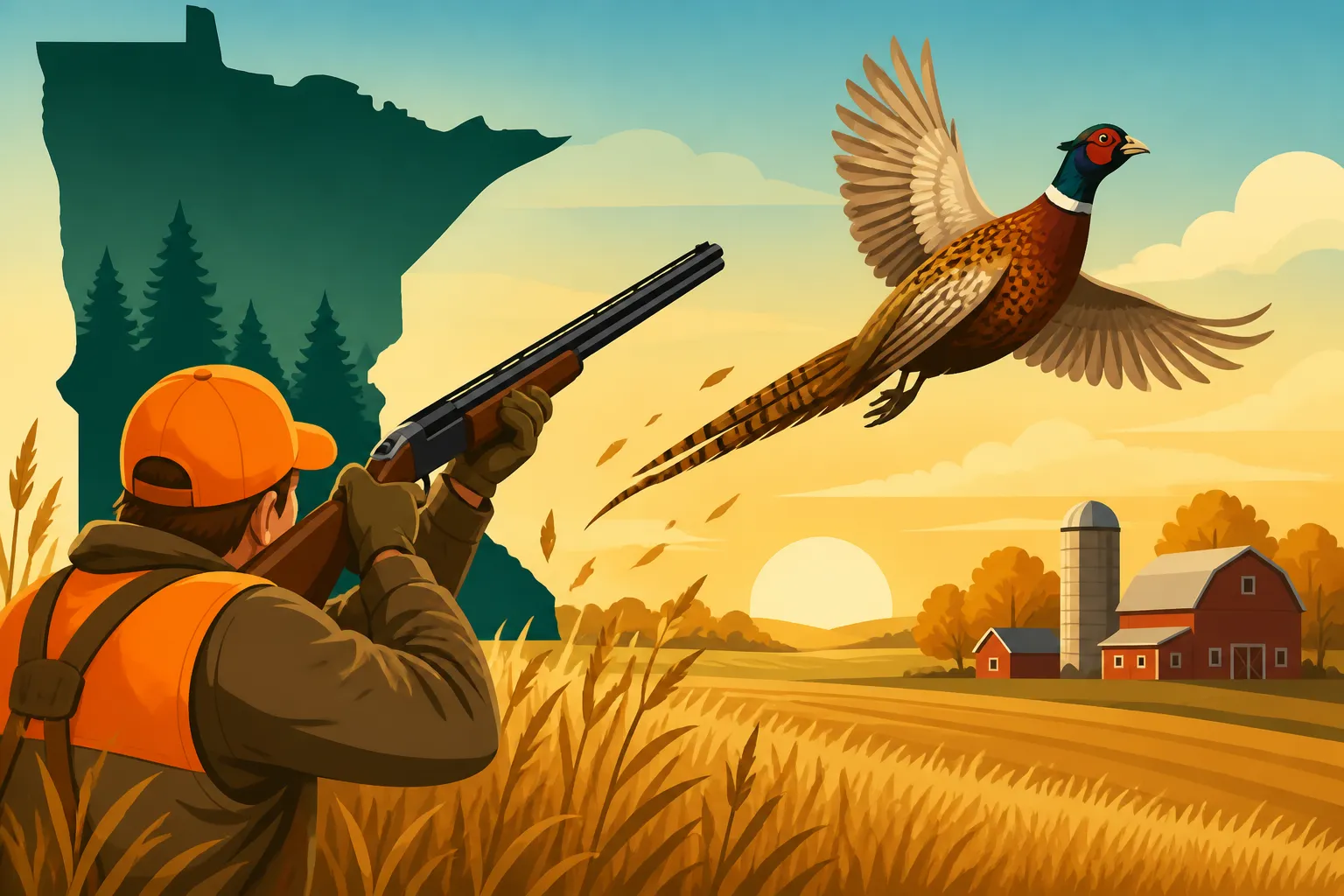
Pheasant Hunting Minnesota Farmland
The crisp autumn air, the vibrant golds and browns of harvested fields, and the thrilling explosion of a rooster pheasant rocketing skyward – there's nothing quite like it for a Minnesota upland hunter. But often, the challenge isn't just pulling the trigger; it's finding where these wily birds hide, navigating the patchwork of public and private land, and figuring out the best tactics for different field conditions. This comprehensive guide will walk you through everything you need to know to successfully hunt pheasants in Minnesota's rich farmlands, helping you fill your vest and create lasting memories.
The Allure of Pheasant Hunting in Minnesota's Farmland
There’s a special kind of magic that draws hunters to the pheasant fields of Minnesota each fall. It's more than just the pursuit of a beautiful game bird; it's the tradition, the camaraderie, and the immersive experience of working through diverse habitats. Many of us grew up hearing stories of grandfathers and fathers chasing roosters, and for good reason – Minnesota consistently ranks among the top states for pheasant hunting.
Why Minnesota is a Pheasant Hunter's Dream
Minnesota, particularly the western and southern regions, offers an incredible landscape for pheasant hunting, thanks to its extensive agricultural lands intertwined with critical wildlife habitat. When you think of prime pheasant country, you're picturing the kind of mixed farming and wildland environment that Minnesota has in spades. This mix creates perfect conditions: abundant food sources from corn and soybean fields, alongside dense cover in grasslands, cattail sloughs, and shelterbelts where pheasants can escape predators and harsh weather. It's this balance that allows Pheasants on Minnesota Farmland to thrive.
The robust pheasant population here isn't an accident; it's the result of conservation efforts, dedicated landowners, and the sheer amount of suitable habitat. From the rolling prairies of the southwest to the fertile river valleys, pheasants have found a home. You'll hear about places like Lac qui Parle County or Jackson County, but truly, good pheasant hunting can be found across a wide swath of the state where agriculture meets native grasslands. The thrill of a flushing rooster is amplified by the sheer beauty of the Minnesota landscape, painted with autumn colors, making every walk through the fields an experience in itself.
Understanding the Farmland Landscape
To effectively hunt pheasants in Minnesota's farmland, you need to think like a pheasant. These birds are masters of camouflage and cover, and they rely heavily on the diverse features of agricultural areas. The landscape isn't just one big field; it's a mosaic of different habitats, each playing a crucial role in a pheasant's daily life. You'll encounter harvested crop fields, which are primary food sources, especially corn and soybeans. Adjacent to these, you'll find critical winter cover like cattail sloughs, dense switchgrass, and CRP (Conservation Reserve Program) fields. These undisturbed areas provide thermal cover from the biting Minnesota winds and deep snow.
Then there are the "edge" habitats – where different cover types meet. This could be where a cornfield borders a grass ditch, or where a shelterbelt provides a narrow strip of trees and shrubs between two open fields. These edges are often travel corridors for pheasants, offering quick access to food and escape routes to heavy cover. Understanding this patchwork and how pheasants utilize each component throughout the day and as seasons progress is absolutely key. Ignoring these nuances means you're walking past prime holding spots, scratching your head why you're not seeing birds.
Essential Gear for Minnesota Pheasants
When you're out chasing roosters, having the right gear can make all the difference between a frustrating day and a successful one. It's not just about the gun; it's about comfort, safety, and being prepared for whatever the Minnesota elements throw at you. From your shotgun to your boots, every piece plays a role in your pheasant hunting adventure.
Shotguns, Chokes, and Ammunition
For pheasant hunting, a reliable shotgun is paramount. Most upland hunters favor 12 or 20 gauge shotguns, with personal preference often dictating the choice. A 12 gauge offers a wider pattern and more knockdown power, which can be reassuring on a fast-flying rooster, but a 20 gauge is lighter to carry all day, especially if you're putting in a lot of miles. Over-and-under, side-by-side, and semi-automatic shotguns are all popular choices, each with their own feel and advantages in the field. What matters most is that you're comfortable and proficient with your chosen firearm.
Choke selection is also critical. For early season birds that tend to flush closer and in thicker cover, an improved cylinder or modified choke is often ideal. As the season progresses and birds become wilder, flushing at longer distances, a modified or even a full choke might be more appropriate. It's a balance of pattern density and spread. For ammunition, you'll want to use lead shot, typically 4, 5, or 6 shot. Many hunters prefer 4 or 5 shot for the extra pellet energy on pheasants, ensuring a clean kill. Remember to pattern your shotgun with your chosen ammunition and choke combination before the season starts. This step is often overlooked, but it's vital for understanding your gun's effective range and pattern performance. Different brands and shot sizes can throw patterns very differently, and knowing yours can save you a lot of grief and missed opportunities in the field.
Dressing for the Upland Fields
Minnesota's pheasant season can span a wide range of weather conditions, from mild, sunny October days to frigid, snowy December outings. Layering is your best friend. Start with a moisture-wicking base layer, add an insulating mid-layer like fleece, and top it with a durable, briar-resistant outer shell. Your outer layer should also be blaze orange for safety, as required by law during the firearm deer season overlap and generally recommended year-round when hunting upland birds. You can often find vests or jackets with integrated blaze orange panels.
Good quality brush pants are non-negotiable. Walking through cattails, switchgrass, and thorny briars will tear up regular pants in a heartbeat. Look for durable materials like canvas or synthetic blends with reinforced briar-proof facings. As for footwear, waterproof, comfortable boots with good ankle support are essential. You'll be covering miles over uneven terrain, through wet grass and potentially mud or snow. Many hunters prefer rubber boots for their waterproof qualities, especially when Pheasant Hunting a Slough Edge. Don't forget a comfortable upland vest or pack with plenty of pockets for shells, water, and your harvested birds. A hydration system built into your vest is a game-changer for staying hydrated on long walks.
The Importance of a Good Bird Dog
While it's certainly possible to hunt pheasants without a dog, a well-trained bird dog elevates the experience to an entirely different level. Dogs are invaluable for finding hidden birds, pushing them into flushing range, and, most importantly, retrieving downed birds from thick cover. A dog's nose can locate birds that even the keenest human eye would miss, preventing lost birds and making your hunt far more efficient and ethical.
There are two main types of bird dogs commonly used for pheasants: flushing dogs (like Springer Spaniels or Labs) and pointing dogs (like German Shorthaired Pointers or English Setters). Flushing dogs work close to the hunter, busting birds out of cover. Pointing dogs, on the other hand, will "lock up" on a bird, indicating its location to the hunter, allowing you to move in for the flush. The choice depends on your hunting style and personal preference. Whichever breed you choose, consistent training, starting early, is crucial. A well-behaved dog that understands commands and works cooperatively makes for a much more enjoyable and successful hunt. When you're Running Pointing Dogs on Minnesota Pheasants, their partnership is truly amazing.
Navigating Minnesota's Pheasant Seasons and Regulations
Understanding the rules and regulations is just as important as knowing where to find birds. Minnesota's DNR sets specific dates, bag limits, and licensing requirements to ensure sustainable hunting practices and healthy pheasant populations. Don't let a technicality ruin your day or lead to a costly fine.
Key Dates and License Requirements
The Minnesota Pheasant Season Opening Day typically falls in mid-October, running through the end of the year, often into early January. This extended season provides ample opportunities to get out in the field, from crisp autumn days to snowy late-season hunts. Always double-check the current year's hunting regulations booklet, published by the Minnesota DNR, for exact dates. These can sometimes shift slightly, and it's your responsibility to know the most up-to-date information.
To hunt pheasants, you'll need a valid Minnesota small game license. Additionally, anyone 18 or older who hunts pheasants in Minnesota must possess a Minnesota Pheasant Stamp Requirement. This stamp, often purchased alongside your small game license, provides crucial funding for pheasant habitat restoration and management projects, so it's a direct investment in the future of the sport. Non-residents are welcome to hunt pheasants in Minnesota, but they will need a non-resident small game license and the pheasant stamp. All licenses and stamps can be purchased online through the Minnesota DNR's eLicense system, at license vendors, or by phone. Make sure to carry proof of your license and stamp while hunting, either physically or digitally on your phone.
Understanding Permit Areas and Bag Limits
Unlike deer hunting, pheasant hunting in Minnesota doesn't typically involve specific permit areas for general season hunting. The state is generally open to pheasant hunting where suitable habitat exists, with the exception of certain refuges or closed areas. However, it's always wise to consult the DNR's Minnesota Small Game and Upland Bird Seasons map and regulations for any localized restrictions or special hunts. Some areas, like state parks, might have very limited or special hunting opportunities that require additional permits or have different season dates.
The daily bag limit for pheasants is usually two roosters, with a possession limit of six. A "rooster" is a male pheasant, easily identifiable by its vibrant plumage, long tail feathers, and the distinctive white neck ring on ring-necked pheasants. Only roosters are legal to harvest in Minnesota, helping to ensure the reproductive success of the population by leaving hens to nest. It’s imperative to positively identify a rooster before shooting. If you're ever in doubt, let the bird fly. Violations of bag limits or shooting hens carry significant penalties, so know your targets and count your birds carefully.
Public vs. Private Land Access Rules
Finding a place to hunt is often the biggest hurdle for pheasant hunters, especially on the fertile farmlands of southern and western Minnesota. The state offers a variety of public hunting lands, including Wildlife Management Areas (WMAs) and Waterfowl Production Areas (WPAs), which are often excellent places to find pheasants. These areas are specifically managed for wildlife habitat and public recreation. The Minnesota DNR's "Recreation Compass" map tool or mapping apps like GoHunt can be invaluable resources for finding Public Ground for Southwest Pheasants and identifying boundaries.
However, a significant portion of prime pheasant habitat is on private land. This is where landowner relations become critical. Always secure explicit permission before stepping foot on private property. It's not just polite; it's the law. Trespassing can result in fines and loss of hunting privileges. The best approach is often to knock on doors well in advance of the season, introduce yourself, and respectfully ask for permission. Many landowners are open to granting access, especially if you offer to share some of your harvest or help with small tasks. Building these relationships can unlock some fantastic hunting opportunities and is a cornerstone of ethical hunting. Remember to always close gates, pick up any trash, and leave the property better than you found it.
Scouting and Locating Roosters on Farmland
Pheasant hunting isn't just about walking fields; it's about smart hunting, and that starts with effective scouting. Knowing where birds are likely to be, and why, will drastically increase your success rate and minimize wasted effort. These birds are masters of their environment, and understanding their daily routines and preferred habitats is key.
Reading the Habitat: Food, Water, and Cover
Pheasants, like all wildlife, need three basic things: food, water, and cover. In Minnesota's farmland, food is usually abundant in the form of waste grain from harvested corn and soybean fields. Water sources can be anything from small potholes and sloughs to drainage ditches and even heavy dew on vegetation. The trickiest part is often finding consistent, high-quality cover.
Cover needs vary by time of day and weather. In the early morning, pheasants often move from dense roosting cover (like cattails or thick grasslands) to feeding areas. Midday, especially on warm, sunny days, they might loaf in more open, lighter cover, often near field edges or sunny slopes. As evening approaches, they'll head back to heavy cover for roosting. Look for areas where these elements are in close proximity. A harvested cornfield next to a brushy ditch that leads into a dense cattail slough is a textbook pheasant hotspot. Also, pay attention to subtle changes in elevation or cover density; pheasants will often gravitate to the thickest, nastiest stuff you can find, especially when pressured.
Using Technology for Effective Scouting
In today's age, technology is a pheasant hunter's best friend. Satellite imagery and digital mapping apps have revolutionized scouting. Platforms like GoHunt, onX Hunt, or the DNR's Recreation Compass allow you to virtually "walk" properties from your couch. You can identify potential food sources, locate dense cover, pinpoint shelterbelts, and even mark potential access points and boundaries before you ever set foot in the field. This saves valuable time and helps you prioritize areas for in-person scouting.
Look for areas of diverse habitat: transitions from agriculture to native grasses, CRP fields, shelterbelts, and most importantly, cattail sloughs or thick brushy drainages. These dense, often wet, areas provide thermal cover and protection from predators. By layering different maps (satellite, topographic, and public land boundaries), you can develop a comprehensive plan. Many of these apps also allow you to track your movement in the field, mark flushes, and record crucial details about bird activity, helping you refine your strategy throughout the season. Don't be afraid to embrace these tools; they can be a serious game-changer.
Understanding Pheasant Behavior and Patterns
Pheasants are incredibly wary birds, and their behavior shifts throughout the season and even within a single day. Early in the season, particularly on opening weekend, birds might be less pressured and hold tighter, offering easier flushes. As the season progresses and hunting pressure increases, pheasants become much warier. They'll run far ahead of hunters and dogs, often flushing at extreme ranges or disappearing into the deepest cover imaginable.
Weather also plays a huge role. On cold, windy days, pheasants will burrow deep into thick, protective cover. On sunny, mild days, they might be found loafing in more open areas, soaking up the sun. After a fresh snowfall, they tend to concentrate in thermal cover like cattail sloughs or thick shelterbelts, and their tracks become highly visible, which can be an excellent scouting indicator. Understanding these patterns—when they feed, when they loaf, when they head for heavy cover—will help you time your hunts and focus your efforts on the most productive areas. It's a constant learning process, but observing their habits is part of the fun.
Proven Tactics for Flushing and Shooting Pheasants
Once you've done your scouting and understand pheasant behavior, it's time to put boots on the ground. Effectively flushing birds and getting them into shooting range requires a combination of strategy, teamwork (if hunting with others), and patience.
Working Field Edges and Sloughs
Field edges are prime real estate for pheasants, offering quick access to food and cover. When hunting a field edge, walk slowly and deliberately, paying close attention to any changes in cover or topography. Pheasants often sneak along these edges, using any available ditch, brush pile, or tall grass for concealment. Work into the wind whenever possible; this allows your dog (if you have one) to pick up scent more easily, and birds tend to flush into the wind, giving you a slightly slower, more predictable shot.
Cattail sloughs are absolute magnets for pheasants, especially as the season progresses and temperatures drop. These dense, often wet, areas offer incredible thermal cover. Hunting sloughs can be physically demanding, requiring waterproof boots and a willingness to push through thick vegetation. When Pheasant Hunting a Slough Edge, it's often effective to have hunters spaced out, pushing through the slough toward a blocker or two positioned at the far end or along an escape route. The birds will try to run to the densest part of the slough or bust out the end, presenting shooting opportunities. Always be aware of your hunting partners and know where they are before you shoot.
Hunting Shelterbelts and Tree Rows
Shelterbelts, also known as tree rows or windbreaks, are often overlooked but can be incredibly productive pheasant cover. These narrow strips of trees and shrubs, often planted between fields or along property lines, provide excellent protection from wind and predators. They act as natural travel corridors and loafing areas for pheasants. Working a Shelterbelt for Roosters often involves positioning hunters at both ends of the shelterbelt and having a line of pushers walk through its length.
The key to hunting shelterbelts is to push them thoroughly. Pheasants will often run the entire length of a shelterbelt before flushing, or they might hold incredibly tight in a dense thicket. Don't be afraid to take your time, pause, and let your dog work every inch. If the shelterbelt connects to a larger patch of cover, such as a creek bottom or a dense cattail slough, pay extra attention to that transition point, as birds will often try to escape into the thicker cover. These areas can be fantastic, especially on windy days when birds seek refuge from the elements.
Effective Push and Block Strategies
For groups of hunters, a well-coordinated push-and-block strategy is incredibly effective, especially in larger fields or areas of extensive cover. This involves "pushers" walking through the habitat, driving birds towards "blockers" strategically positioned at the other end or along escape routes. This tactic is particularly useful in wide-open Pheasant Hunting Minnesota Grassland or expansive CRP fields where birds have a lot of room to run.
The key to a successful push-and-block is communication and discipline. Pushers need to maintain a consistent line, walking at a steady pace to keep the birds moving. Blockers must remain hidden and absolutely silent until the birds are within range. Before starting, clearly define the boundaries of the push, the walking path of the pushers, and the exact positions of the blockers. Always emphasize safety: no shooting towards the line of pushers or outside the designated safe shooting lanes. This method, when executed properly, can result in multiple flushing birds and plenty of action, but it requires teamwork and a clear understanding of everyone's role.
Hunting with Dogs: Maximizing Your Success
As mentioned earlier, hunting pheasants with a dog is not only more effective but also incredibly rewarding. The bond with your canine partner and their natural abilities truly enhance the entire experience. However, it’s not as simple as just letting them loose in a field; proper strategy, training, and care are paramount.
Pointing Dog vs. Flushing Dog Tactics
The choice between a pointing dog and a flushing dog often comes down to personal preference and hunting style. Both are incredibly effective when properly trained.
Pointing Dogs: A pointing dog, like a German Shorthaired Pointer or a Brittany, will "point" a pheasant when it scents it, freezing in place to indicate the bird's location. This allows the hunter to walk in, prepare for the shot, and flush the bird. The advantage here is that you know exactly where the bird is, giving you time to get into position. When Running Pointing Dogs on Minnesota Pheasants, the hunter controls the flush. This can be particularly beneficial for solo hunters or small groups, as it allows for more controlled shooting opportunities. However, pointing dogs require extensive training to hold their points and remain steady to wing and shot, meaning they don't break point until commanded or after the shot.
Flushing Dogs: Flushing dogs, such as Labrador Retrievers or Springer Spaniels, are bred to quarter through cover, locate birds, and "flush" them into the air, driving them towards the hunter. The action is often fast and furious. Labs are especially popular for their retrieving prowess and adaptability to both upland and waterfowl hunting. With a flusher, the element of surprise is always there, and you need to be ready for an instant shot. They excel at covering ground quickly and pushing birds out of dense cover where a pointing dog might have trouble getting scent or where birds are prone to running. Both types of dogs are excellent retrievers, which is crucial for preventing lost birds in thick cover.
Training and Conditioning Your Upland Partner
A good pheasant dog isn't born; it's made through consistent training and conditioning. Training should start early with basic obedience commands like "sit," "stay," "heel," and "come." These are the building blocks for more advanced upland work. Introduce your dog to birds (pigeons, quail, or planted pheasants) in a controlled environment to develop their prey drive and scenting abilities. Steadiness to wing and shot, meaning the dog doesn't chase flushing birds or immediately retrieve before commanded, is a crucial skill for safety and effective hunting.
Physical conditioning is just as important as mental training. Upland hunting can be incredibly demanding, with miles of walking through tough cover. Start conditioning your dog weeks, if not months, before the season opens. Regular walks, runs, and swims will build stamina and toughen their pads. Pay attention to their diet and ensure they're at a healthy weight. During the hunt, bring plenty of water and offer it frequently. Overheating is a serious risk, especially on warmer early-season days. Regular vet check-ups are also essential to ensure your dog is fit for the field.
Safety and Care for Your Hunting Dog
Your dog is a vital member of your hunting party, and their safety and well-being should always be a top priority.
- Identification: Ensure your dog has up-to-date ID tags and is microchipped. Consider a GPS collar, especially if hunting vast public lands like those mapped on GoHunt; it's a lifesaver if your dog gets separated.
- First Aid: Carry a basic canine first-aid kit. This should include bandages, antiseptic wipes, vet wrap, super glue (for minor cuts), and tweezers (for thorns or ticks). Knowing basic dog first aid can literally save your dog's life.
- Pads and Paws: Inspect your dog's paws regularly during and after the hunt for cuts, thorns, or excessive wear. Musher's Secret or paw balm can help protect their pads. Consider Bird Dog Boots and Cut Pads for hunting in abrasive terrain or deep snow.
- Hydration and Nutrition: Always carry plenty of water for your dog. A collapsible water bowl is handy. High-energy dog food is recommended during hunting season to meet their increased caloric needs.
- Temperature Control: Be mindful of weather extremes. On hot days, hunt in the early morning or late evening, and avoid overworking your dog. On cold days, consider a protective vest, especially for short-haired breeds, and ensure they have a warm, dry place to rest.
- Blaze Orange: A blaze orange vest for your dog is not just for style; it's a crucial safety measure that makes them more visible to you and other hunters, reducing the risk of accidents.
Late Season Challenges and Strategies
As the season progresses into late November and December, pheasant hunting in Minnesota transforms. The landscape changes, the birds behave differently, and hunters need to adapt their strategies to continue finding success in colder, often snowier, conditions.
Adapting to Snow and Extreme Cold
Late-Season Pheasant Tactics in Deep Snow require significant adjustments. Snow cover can be both a blessing and a curse. On the one hand, it makes bird sign, like tracks, much easier to spot, helping you pinpoint areas of activity. On the other hand, deep snow makes walking incredibly difficult for both hunters and dogs, draining energy quickly. Pheasants themselves seek out the densest thermal cover they can find – thick cattail sloughs, heavy shelterbelts, and unharvested standing corn or switchgrass are key.
When hunting in extreme cold, layering your clothing becomes even more critical. Prioritize insulated, waterproof outerwear, and don't forget quality gloves or mittens and a warm hat. Your dog will also need extra protection; a neoprene vest can help retain body heat, especially if they're working in wet snow or icy water. Pay close attention to your dog for signs of hypothermia or frostbite. Hunts might need to be shorter and more focused to conserve energy and ensure safety for everyone involved.
Locating Birds in Deep Cover
Late-season pheasants are experts at evading hunters. They've been pressured for weeks, and they know the drill. They'll often run far ahead, using dense cover to their advantage, before flushing at the last possible second, if at all. This means you need to be more aggressive and deliberate in your approach to deep cover. Don't be afraid to really push through the thickest stuff – that's precisely where they'll be holding.
Focus your efforts on areas with the best thermal and escape cover, such as large cattail marshes, vast tracts of switchgrass, or deep, brushy draws. These are the refuges where birds will congregate when temperatures drop and winds howl. Consider focusing on smaller, isolated patches of heavy cover that might hold a few birds but are often overlooked by other hunters. A single, small cattail patch surrounded by harvested fields can often be a late-season goldmine, as birds are reluctant to leave the safety of their chosen refuge.
Group Hunts and Deer Drives for Pheasants
For late-season pheasants, especially in large areas of dense cover, a group hunt is often the most effective strategy. This isn't just about fun; it's about sheer numbers. With multiple hunters and dogs, you can effectively cover larger tracts of land and create more pressure, forcing reluctant birds to flush. These hunts often resemble mini-deer drives, with a line of "pushers" walking abreast through thick cover, and "blockers" strategically positioned at the ends or along escape routes.
The larger the area of dense cover, the more hunters you might need to adequately cover it. Think about a massive, several-acre cattail slough. It's almost impossible for one or two hunters to effectively push that. But with a group of four to eight hunters, you can form a line, maintaining consistent spacing, and ensure every corner of the cover is worked. This organized approach prevents birds from simply running around the ends of the line or slipping out the back. Again, safety and communication are paramount when coordinating group hunts; everyone must know their role and shooting lanes.
Ethical Hunting and Post-Harvest Care
Beyond the thrill of the hunt, ethical considerations and proper post-harvest care are vital for respecting the game, the land, and ensuring you get the best possible table fare from your hard-earned pheasants.
Respecting the Resource and Landowners
Ethical hunting begins with respecting the game you pursue and the land you hunt on. Only shoot at roosters you can positively identify, and only when they are within safe and effective shooting range. A clean kill is the goal, and that means knowing your limits and the capabilities of your shotgun. Make every effort to retrieve downed birds; a good dog is invaluable for this, but even without one, meticulous searching is your responsibility. Wounded birds should be pursued relentlessly and dispatched quickly and humanely.
When hunting on private land, always be an exemplary guest. Thank the landowner, follow all their rules, and leave their property in better condition than you found it. This includes picking up spent shotgun shells, closing gates, and avoiding damage to crops or fences. Good landowner relations are the bedrock of private land hunting opportunities. Remember, every hunter is an ambassador for the sport, and your actions reflect on all of us. Supporting conservation efforts, like purchasing your Minnesota Migratory Bird Stamp Cost, also contributes to respecting the resource.
Field Dressing and Transporting Your Birds
Proper field dressing of your pheasant immediately after the shot is essential for preserving meat quality, especially on warmer days. While some hunters simply pluck or skin their birds at home, a quick field dress can make a big difference. The simplest method is to remove the entrails (guts) right in the field. This cools the bird down quickly and removes any digestive material that could taint the meat. You can also breast out the bird in the field, which means removing just the breast meat, and sometimes the legs, leaving the rest of the carcass. This reduces weight for carrying and makes for easier processing later.
Once field-dressed, place your birds in a game bag or a breathable bag, never in a plastic bag where heat can build up and spoil the meat. Transport them out of the field and keep them cool. A cooler with ice packs is ideal for longer drives or warmer weather. According to Minnesota Deer Registration Rules, proper handling starts in the field, and it's no different for pheasants. At home, you can either pluck the birds whole (which gives you skin-on meat that stays moister when cooking) or simply skin them. Skinning is faster, but you lose the protective and flavorful skin.
Best Practices for Game Meat
Pheasant meat is a delicious, lean, and healthy protein source. To ensure you get the best flavor and texture, proper preparation is key. After skinning or plucking, rinse the bird thoroughly and pat it dry. You can cook pheasants whole, but many hunters prefer to break them down into breasts, thighs, and drumsticks, as these cook at different rates.
Pheasant meat can sometimes be a bit drier than domestic chicken due to its leanness. To combat this, consider brining the bird for a few hours before cooking. This adds moisture and flavor. Popular cooking methods include roasting, grilling, pan-frying, or slow-cooking in stews or casseroles. Marinating the meat can also add moisture and tenderize it. Pheasant pairs wonderfully with rich, earthy flavors like mushrooms, bacon, and herbs. Don't be afraid to experiment with different recipes; there are countless ways to enjoy your wild game birds, from a simple pan-fried breast to a hearty Cooking a Wild Turkey Breast (with pheasant) for a special dinner. Enjoying the fruits of your labor is truly the best part of the hunt.
| Pheasant Hunting Considerations | Early Season (Oct/Nov) | Late Season (Dec/Jan) |
|---|---|---|
| Bird Behavior | Hold tighter, less wary | Run more, flush wilder, hold in thickest cover |
| Preferred Cover | Grasslands, CRP, field edges | Cattail sloughs, heavy shelterbelts, standing corn |
| Weather | Mild, cool, possibility of rain/light snow | Cold, windy, deep snow, extreme temperatures |
| Gear Adjustments | Lighter clothing, good boots | Heavy layering, insulated waterproof boots, dog vest |
| Hunting Strategy | Smaller groups, slow pushes, work edges | Larger groups, coordinated drives, focus on thermal cover |
| Dog Care | Monitor for overheating, hydration | Monitor for hypothermia, paw protection, deep hydration |
Disclaimer
Please remember that hunting regulations, season dates, and specific rules for public and private lands can change. Always consult the official Minnesota Department of Natural Resources (DNR) regulations booklet for the current year before planning any hunting trip. This guide is for informational purposes only and should not be considered a substitute for official DNR publications or professional advice. Stay safe, hunt ethically, and enjoy Minnesota's incredible pheasant hunting opportunities!