Bowhunting Minnesota’s Long Archery Season
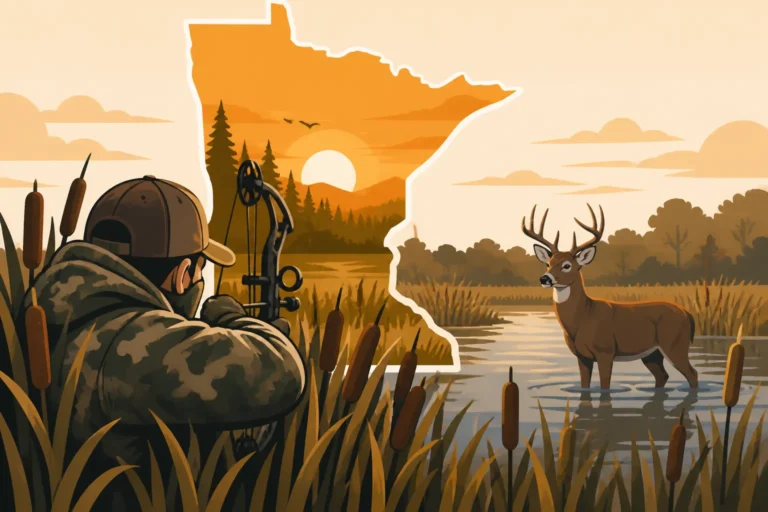
Minnesota's archery season is a marathon, not a sprint, offering bowhunters an incredibly long and diverse window to pursue whitetails. But with that extended opportunity comes its own set of challenges, from stifling early-season heat to the bone-chilling cold of late December. Knowing how to adapt your strategy, gear, and mindset through these shifting conditions is crucial for success, and this comprehensive guide will walk you through everything you need to know to make the most of every archery moment.
Understanding Minnesota's Archery Season Structure
The sheer length of Minnesota's archery season is both a blessing and a curse. It kicks off in mid-September and typically runs straight through December 31st, providing months of opportunity. This extended window means you'll encounter deer in every phase of their annual cycle, from their summer patterns to the lean, cold survival mode of winter. But it also means you can't just hunt one way; flexibility is key.
Early Season Dates and Opportunities
The Minnesota archery season traditionally opens around mid-September. This early start offers unique opportunities, often coinciding with still-warm weather and deer still relatively patterned to summer food sources. It's a fantastic time for hunters who prefer to get out before the crowds of the firearm season hit. Many areas also allow for an early antlerless harvest, which can be a great way to fill the freezer or manage herd numbers if you're hunting private land or certain public areas. Keep in mind that specific dates and regulations can vary slightly year to year, so always double-check the current Minnesota DNR regulations. If you're looking for exact dates, you can often find them in resources like Minnesota Archery Season Dates.
For many hunters, the early season is a time of high hopes and high temperatures. You're typically dealing with deer still in their summer patterns, meaning they might be more visible in agricultural fields or around prime oak stands where acorns are dropping. However, the dense foliage can make shot opportunities tricky, and warm weather raises immediate concerns about meat care after a successful harvest. It's a delicate balance of trying to capitalize on predictable patterns while battling the heat and mosquitoes.
Navigating CWD and Carcass Movement Restrictions
Chronic Wasting Disease (CWD) is a serious concern for Minnesota deer management, and as bowhunters, we all have a role to play in monitoring and preventing its spread. The Minnesota DNR has designated CWD management and surveillance zones, primarily in the southeastern and north-central parts of the state. If you harvest a deer in one of these zones, there are often mandatory sampling requirements and strict rules regarding carcass movement.
These restrictions are designed to limit the spread of CWD to new areas. For example, you might not be able to move a whole carcass out of a CWD zone, requiring you to quarter it or bone it out before transporting it home. It's vital to stay informed about the current CWD zones and regulations before you head into the woods. Ignorance of these rules isn't an excuse, and violating them can have serious consequences. Always check the DNR website for the most up-to-date information on Minnesota Carcass Movement Restrictions.
License Requirements and Permit Areas
Before you even think about nocking an arrow, you need to ensure you have the proper licenses and understand the permit area you're hunting in. A valid Minnesota deer license for the archery season is non-negotiable. Additionally, many parts of the state are designated as "permit areas," which dictate how many deer you can harvest, whether you need to apply for an antlerless tag, or if it's an "hunter choice" area.
Some permit areas are designated as "lottery" areas for antlerless deer, meaning you need to apply by a specific deadline (usually early September) to get a tag. Other areas might be "managed" or "intensive," allowing for more liberal antlerless harvests. Understanding these designations is paramount to a legal and ethical hunt. Tools like GoHunt can be invaluable for cross-referencing permit area boundaries with public land opportunities. Don't rely on old information or hearsay; always refer to the official Minnesota DNR regulations for your specific hunting zone.
Pre-Season Scouting for Archery Success
You wouldn't run a marathon without training, and you shouldn't bowhunt Minnesota's long season without serious pre-season scouting. The more you know about your hunting area before opening day, the higher your chances of success. Scouting helps you identify key travel corridors, feeding areas, bedding cover, and potential stand sites, saving you precious hunting time once the season begins.
E-Scouting and Map Study
Before you ever set foot in the woods, the best place to start your scouting is from the comfort of your home. Modern mapping tools and satellite imagery have revolutionized how we approach pre-season reconnaissance. Services like GoHunt, onX Hunt, or the Minnesota DNR's own Recreation Compass map tool allow you to digitally explore your chosen hunting grounds, whether it's vast public forests or a private woodlot.
Look for terrain features that naturally funnel deer, such as pinch points between swamps, ridges, or clear-cuts. Identify potential food sources like agricultural fields, oak ridges, or areas with berry bushes. Pay attention to changes in cover density—thicker areas often serve as bedding cover. Use historical satellite images to see how forest cuts or agricultural rotations have changed over time. Mark potential stand locations, access routes, and egress paths. This digital legwork can help you narrow down areas of interest, making your boots-on-the-ground efforts far more efficient. You might even want to check out Reading Aerial Photos for Big Woods Deer to refine your e-scouting skills.
Boots-on-the-Ground Reconnaissance
Once you've identified promising spots from your e-scouting efforts, it's time to hit the dirt. There's simply no substitute for walking the ground and seeing it with your own eyes. Look for fresh deer sign: tracks, droppings, rubs (especially in late summer/early fall), and scrapes. Pay attention to subtle trails, especially those that connect bedding areas to feeding grounds.
During this phase, try to move quietly and observe without disturbing the area too much, especially if it's close to the season opener. Identify specific trees that would make good stand locations, considering prevailing winds, sun angle, and shooting lanes. Consider your entry and exit routes—can you get in and out undetected? Are there any natural barriers like thick briars or water that might prevent easy access or recovery? This ground truthing solidifies your e-scouting assumptions and helps you fine-tune your actual hunting spots. For more detailed advice, consider Scouting Minnesota Public Land Before Season.
Trail Camera Strategies
Trail cameras are an invaluable tool for bowhunters, providing round-the-clock surveillance of deer activity without you needing to be there. During pre-season, set up your cameras on known travel corridors, active scrape lines (once they appear), or near prime food sources. They can help you determine deer patterns, identify specific bucks, and even give you an idea of the herd's overall health and age structure.
Make sure your camera placement is strategic. Angle them to avoid sun glare, secure them high enough to deter theft or tampering, and clear away any brush that might trigger false detections. Check your cameras regularly, but not so often that you educate the deer to your presence. The data you gather from your trail cameras, combined with your e-scouting and boots-on-the-ground efforts, creates a powerful picture of deer movement and helps you pinpoint the absolute best times and places to hunt. Just remember to always follow Minnesota's specific rules regarding trail camera usage on public lands.
Essential Bowhunting Gear and Setup
Bowhunting is a gear-intensive pursuit, and having the right equipment that's properly tuned and maintained is critical for success in Minnesota's varied conditions. From your bow itself to your clothing, every piece of gear plays a role in your effectiveness and comfort in the field.
Bow and Arrow Setup
Your bow is, of course, the heart of your archery setup. Whether you shoot a compound or a recurve, it needs to be properly tuned and sighted in. A good archery pro shop can help ensure your bow is shooting true, your arrows are flying consistently, and your draw weight is comfortable yet powerful enough for an ethical kill. For Minnesota deer, a minimum draw weight of 40 pounds is typical, but check the latest regulations to be certain.
Arrows should be matched to your bow's draw weight and length, and topped with razor-sharp broadheads. Fixed-blade broadheads are known for their reliability and penetration, while mechanical broadheads often offer a larger cutting diameter. Practice with your hunting broadheads before the season to ensure they fly identically to your field points. Knowing your effective range, and strictly sticking to it, is perhaps the most important aspect of responsible bowhunting. For more on this, you might find Bow Draw Weight for Minnesota Whitetails and Broadheads for Timber Shots helpful.
Optics and Accessories
While not as critical as a rifle scope, good optics are still a valuable asset for the bowhunter. A quality pair of binoculars, perhaps 8×42 or 10×42, can help you identify deer at a distance, scout new areas, and pick apart thick cover. Even when deer are close, binoculars can help you determine antler size and sex without having to move or draw your bow. A rangefinder is an absolute must-have for bowhunting. Knowing the exact distance to your target is crucial for accurate shot placement. Practice ranging objects from your stand to build proficiency.
Other useful accessories include a reliable headlamp for pre-dawn walks and post-shot tracking, a sharp field dressing knife, and a grunt tube or deer call. Consider investing in a good GPS unit or a phone app like GoHunt that offers offline mapping capabilities, especially if you're venturing deep into public lands where cell service is spotty. These tools help you navigate, mark stand locations, and track recovered game.
Treestands and Ground Blinds
Choosing how you'll hunt from above or below can dramatically impact your success. Treestands offer a clear advantage in terms of visibility and scent control, keeping you out of a deer's direct line of sight and helping your scent dissipate higher in the air. Portable treestands, whether climbers, hang-ons, or saddle hunting setups, are perfect for run-and-gun tactics or hunting public land where permanent stands aren't allowed. Always use a safety harness when in a treestand, no exceptions. Refer to Treestands and Saddles on Public Land for more detailed information.
Ground blinds, on the other hand, offer excellent concealment and warmth, especially beneficial during the late season. They are ideal for hunting field edges, food plots, or thick bedding areas where trees might be scarce or unsuitable for a stand. Ensure your ground blind is brushed in naturally to blend with its surroundings. Practice shooting from your blind to familiarize yourself with the angles and shooting lanes. Both options have their place in a bowhunter's arsenal, and your choice often depends on the specific terrain and hunting situation.
Tactics for Early Season Bowhunting
The early archery season in Minnesota, typically from mid-September through early October, presents a unique set of challenges and opportunities. Deer are still operating on their summer patterns, but the weather can be a real wildcard. Successfully hunting this period means paying close attention to food sources, daily routines, and adapting to the warmth.
Pinpointing Early Food Sources
During the early season, food is the primary driver of deer movement. As the season kicks off, whitetails are still focused on packing on calories, so finding their preferred food sources is paramount. This could be anything from lush agricultural fields (alfalfa, soybeans, standing corn) to natural mast crops like acorns, apples, or soft mast such as wild plums and berries.
Scouting for these key food sources is critical. If acorns are dropping, focus on oak ridges, especially white oaks which deer often prefer first. If it's a poor mast year, deer will shift their attention to other natural browse or agricultural crops. Setting up between a bedding area and these primary food sources, or directly on a main trail leading to them, can yield fantastic results. Remember, deer will often hit these food sources in the late afternoon and evening, and move off them towards bedding cover at first light. You can find more specific intel by understanding Hunting After a Poor Acorn Year.
Exploiting Morning and Evening Patterns
Deer in the early season often have fairly predictable patterns, moving between bedding areas and food sources at dawn and dusk. This predictability is a bowhunter's best friend. Focus your efforts on morning hunts near bedding cover as deer return from feeding, or evening hunts closer to food sources as they emerge.
The challenge lies in getting into and out of your stand undetected. Early season often means dense foliage, which can make stealthy approaches difficult. Plan your entry and exit routes carefully, using terrain features, ditches, or dense cover to conceal your movement. Pay close attention to wind direction, as even a slight shift can carry your scent directly to wary deer. Often, morning hunts are best approached from a side that allows the wind to carry your scent away from bedding areas, while evening hunts demand a setup where your scent doesn't blow into the feeding area.
Dealing with Warm Weather
Warm early-season temperatures can throw a real wrench into bowhunting plans. Not only does it make for uncomfortable sitting, but it dramatically impacts deer behavior and meat care. Deer tend to move less during daylight hours in warmer weather, often preferring to browse at night. When they do move, it's usually in the cooler parts of the day—very early morning or late evening.
Hydration is key for hunters during this time, and dressing in light, breathable layers is essential. More importantly, warm weather presents a significant challenge for meat preservation. If you shoot a deer, you need to get it field dressed and cooled down as quickly as possible. This might mean having a plan for immediate quartering, or having ice and coolers ready back at the truck or camp. Ignoring proper meat care can lead to spoilage, which is heartbreaking after a successful hunt.
Hunting the Minnesota Rut with Archery Gear
For many bowhunters, the rut is the most exciting and anticipated time of the deer season. In Minnesota, this typically falls in late October and early November, offering a frantic few weeks of increased deer movement and bucks actively searching for does. This period demands aggressive tactics and a keen understanding of deer behavior. For a deeper dive, check out Hunting the Peak Rut in Early November.
Identifying Peak Rut Windows
While the entire month of November is often considered "the rut," there are typically peak windows when breeding activity intensifies, leading to the most consistent daytime buck movement. In Minnesota, this often occurs during the first two weeks of November, though it can fluctuate based on factors like weather, doe estrus cycles, and moon phase. During this time, bucks become less cautious, abandoning their nocturnal tendencies in pursuit of receptive does.
You can often observe signs of the approaching peak by noting an increase in fresh rubs and scrapes. Bucks will start "locking down" with does, sometimes for a day or two, before moving on to find another. Don't be discouraged if you don't see constant movement; sometimes a buck will be holed up with a doe for a while. Patience is still key, but during the peak, your odds of encountering a cruising buck at any time of day dramatically increase. Knowing when to be in the stand during these peak days can mean the difference between seeing a lot of action and seeing very little.
Aggressive Calling and Decoy Strategies
The rut is prime time for aggressive hunting tactics that might be counterproductive during other parts of the season. Bucks are less wary and more susceptible to calls and decoys as they seek out competition or potential mates. Grunt calls, doe bleats, and rattling antlers can be highly effective. A simple grunt can pique a buck's curiosity, while aggressive rattling sequences can often bring a dominant buck charging in looking for a fight.
Combining calls with a deer decoy can be incredibly potent. A buck decoy or even a doe decoy can draw in a curious or territorial buck within bow range. Position your decoy so that an approaching buck will present a broadside shot as he comes in to confront or check out the "intruder." Always consider wind direction when using decoys, as you want the buck to approach from a direction that keeps your scent out of his nose. For more tips on effective calling, explore Rattling and Grunting in Minnesota.
Funneling Deer Movement
During the rut, bucks are constantly on the move, covering vast amounts of ground searching for does. Your goal as a bowhunter is to position yourself in areas that naturally "funnel" or restrict their movement, increasing the likelihood of an encounter. These funnels can be natural terrain features like narrow strips of timber between open fields, saddles on ridges, creek crossings, or pinch points caused by water bodies or thick, impenetrable cover.
Scout for these natural bottlenecks and look for sign indicating heavy deer traffic. Even subtle changes in elevation or cover can act as funnels. Setting up a stand overlooking a well-used scrape line along one of these funnels can also be highly effective, as bucks will often check these communication hubs as they cruise. The more you can predict and direct a buck's movement, the higher your chances of getting a shot opportunity. Consider how you might use features like those described in Hanging a Stand on a Big Woods Funnel to your advantage.
Late-Season Archery Strategies in Cold Weather
As Minnesota's archery season stretches into December, conditions become significantly tougher. The landscape transforms into a frozen, often snow-covered world, and deer behavior shifts dramatically. Late-season bowhunting is a grind, but it can be incredibly rewarding for those willing to brave the cold and adapt their tactics.
Prioritizing Late-Season Food
Once the rut winds down and the temperatures plummet, a deer's focus shifts entirely to survival. Their primary driver becomes food and thermal cover. Natural food sources like acorns are likely gone or buried under snow, making agricultural waste grains (standing or cut corn, soybeans) and persistent browse (red osier dogwood, sumac, specific evergreens) absolutely crucial.
Find the most reliable, high-calorie food sources in your area, and you'll find deer. This might mean hunting field edges, food plots, or even tracking deer into areas of heavy browse. Deer will often yard up in groups during this time, concentrating around these limited food sources. Identifying these crucial areas during your Late-Season Food Sources for Minnesota Whitetails research will be the key to late-season success.
Thermal Cover and Bedding Areas
Along with food, thermal cover is critical for deer survival in the harsh Minnesota winter. Thick conifer stands (pines, spruces, cedars), dense stands of young popple, or even south-facing slopes that catch more sun provide crucial protection from the biting wind and cold. Deer will often bed in these areas during the day, emerging only briefly to feed in the coldest parts of winter.
Hunting the transition zones between these thermal bedding areas and late-season food sources can be highly effective. Focus on trails that lead directly from thick cover to food, particularly in the mid-to-late afternoon. Deer will conserve energy by not moving far, so finding those tight corridors between bedding and feeding is essential. They may not move until the last hour of daylight, so patience and endurance are paramount.
Cold Weather Gear and Endurance
Late-season bowhunting in Minnesota demands serious cold-weather gear and an iron will. Temperatures can easily drop below zero, with wind chills making it feel even colder. Proper layering is non-negotiable. Start with moisture-wicking base layers, add insulating mid-layers (wool or synthetic fleece), and finish with a windproof, waterproof outer shell. Don't forget insulated boots, hand warmers, and a good facemask or balaclava.
A comfortable, warm sit is a longer sit. Consider using a ground blind for added protection from the elements, or ensure your treestand is positioned out of the direct wind. Thermos of hot coffee or soup can also make a huge difference in your endurance. The mental fortitude required to sit still for hours in freezing temperatures, waiting for that one shot opportunity, is often what separates successful late-season bowhunters from the rest. For a detailed guide on staying warm, check out Cold-Weather Sitting Strategy in Minnesota.
Public Land Considerations for Bowhunters
Minnesota boasts an incredible amount of public land, offering bowhunters vast opportunities across the state. However, hunting public land comes with its own unique set of challenges, primarily increased hunting pressure and specific regulations. Navigating these effectively is crucial for a successful season.
Navigating Hunter Pressure
One of the biggest realities of hunting public land, especially in Minnesota, is hunter pressure. Whether it's the opening weekend rush or consistent activity throughout the season, you're likely to encounter other hunters. This pressure can significantly impact deer behavior, often pushing them into more remote, thicker cover or causing them to become more nocturnal.
To overcome this, you need to be willing to work harder than most. Go deeper into the woods than others are willing to walk. Utilize mapping tools like GoHunt to identify areas that are difficult to access, perhaps requiring a longer hike, a paddle across a small lake, or navigating thick swamp. These out-of-the-way spots are where weary deer often seek refuge. Hunting mid-week instead of weekends can also reduce encounters with other hunters and allow deer to settle back into more natural patterns. Check out Hunting Pressure on Minnesota Public Land for more strategies.
Utilizing WMAs and State Forests
Minnesota's Wildlife Management Areas (WMAs) and State Forests offer excellent bowhunting opportunities. WMAs are specifically managed for wildlife habitat and public recreation, often featuring diverse landscapes that cater to deer. State Forests provide vast tracts of timber, which can be fantastic for finding big woods bucks.
When hunting WMAs, be aware that some may have specific regulations regarding stand placement, vehicle access, or even designated "no-hunting" zones. Always check the individual WMA rules. For State Forests, access roads can be a boon, but also a source of pressure. Look for areas away from easy road access. Both types of public land can be incredibly productive for bowhunters who are willing to put in the time to scout and adapt. Learning about Minnesota Wildlife Management Areas will give you a better grasp of these valuable resources.
Leave No Trace Principles
Hunting on public land is a privilege, and it's our responsibility as bowhunters to be good stewards of the land. This means practicing "Leave No Trace" principles. Pack out everything you pack in, including trash, spent broadheads, and any flagging tape. If you're using a portable treestand, remove it at the end of the season (or according to specific WMA/State Forest rules). Minimize your impact on vegetation and soil.
Respecting other hunters is also part of this ethos. Avoid setting up too close to another hunter, and be mindful of your presence in the woods. By leaving the area better than you found it, we ensure these valuable public hunting grounds remain accessible and healthy for future generations of bowhunters.
Common Challenges and How to Overcome Them
Bowhunting Minnesota's long season is rife with challenges. From deer that seem to vanish to unpredictable weather, and the ever-present need for ethical decision-making, it takes resilience and adaptability to succeed consistently.
Overcoming Wary Deer
As the season progresses, especially after the firearm openers, deer can become incredibly wary. They learn quickly, becoming more nocturnal and avoiding open areas during daylight hours. This can be one of the most frustrating aspects of bowhunting, leaving you scratching your head after long hours in the stand.
To overcome wary deer, you need to adapt your strategy. Focus on hunting pinch points and heavy cover that deer use for escape routes or bedding, rather than just food sources. Hunt closer to bedding areas, especially in the late afternoon. Get into your stand well before daylight and stay until after dark, as these crepuscular hours are when wary deer are most likely to move. Minimize your scent signature by meticulous scent control practices. Sometimes, simply moving your stand 50 yards can put you in a prime spot that wary deer feel comfortable using. Consider reading about Entry Routes Through a Cattail Slough for ideas on approaching wary deer.
Adapting to Minnesota's Unpredictable Weather
Minnesota weather is famously fickle, and the long archery season will throw everything at you: hot and humid early season days, torrential downpours, high winds, early blizzards, and bitter cold. Each weather pattern brings its own set of challenges and opportunities.
Table: Adapting Bowhunting Tactics to Minnesota Weather
| Weather Condition | Deer Behavior Impact | Bowhunting Adaptation |
|---|---|---|
| Warm/Humid | Reduced daytime movement, nocturnal | Hunt low-light, near water/shade, focus on food |
| Heavy Rain | Movement may cease; seeks shelter | Hunt immediately after rain, near thick cover |
| Light Rain/Drizzle | Increased movement, cover scent | Excellent for still-hunting, stalking, in the open |
| High Wind | Movement reduced, seeks sheltered areas | Hunt thick cover, leeward side of ridges, ground blinds |
| Cold Front (after warm) | Increased activity, feeding frenzy | Hunt food sources aggressively, all day if possible |
| Extreme Cold (<0°F) | Minimal movement, focused on survival | Hunt thermal cover to food routes, late afternoon |
| First Snowfall | Often increased movement, good tracking | Track fresh sign, hunt food sources, use ground blinds |
Being prepared for any weather is crucial, not just for comfort but for safety. Pack appropriate layers, rain gear, and extra supplies. Check the forecast regularly but be prepared for sudden changes. Sometimes, the nastiest weather can offer the best hunting, as other hunters stay home, and deer are forced to move.
Ethical Shot Placement and Recovery
The ultimate responsibility of a bowhunter is to make an ethical, lethal shot and ensure a swift, humane harvest. This requires diligent practice, knowing your limits, and understanding deer anatomy. Always aim for the vital organs—the heart and lungs—which lie just behind the shoulder.
After the shot, resist the urge to immediately pursue the deer. Give it time to lie down and expire, typically 30 minutes to an hour for a good lung hit, or several hours for a liver shot. If you're unsure of the hit, or if it's a gut shot, give it significantly more time, even overnight if conditions allow. When you begin tracking, move slowly and methodically, looking for blood, tracks, and disturbed vegetation. A wounded deer will often leave a clear blood trail for the first 50-100 yards. If you lose the trail, spread out and grid-search. Tools like GoHunt can help you mark the last blood and track your grid pattern. Never give up on a wounded animal. Always be prepared for a long and difficult tracking job, even if it means Blood Trailing After Dark in Minnesota.
Disclaimer
Please remember that hunting regulations in Minnesota can change. Always consult the most current Minnesota Department of Natural Resources (DNR) regulations and guidelines before heading into the field. This article is intended for informational purposes only and should not be considered a substitute for official legal advice or regulations.