Which Duck Zone You Hunt in Minnesota
You've just poured a fresh cup of coffee, maybe flipped through some old hunting magazines, and now you're eyeing the calendar, dreaming of crisp fall mornings and the rush of wings overhead. But then the familiar headache sets in: "Which duck zone am I even in? And what are the rules this year?" Navigating Minnesota's duck hunting zones can feel like trying to hit a teal going 60 mph in a crosswind – confusing, frustrating, and if you're not careful, you might just end up off target. This guide is here to clear the fog, walking you through the ins and outs of Minnesota's duck zones so you can plan your season with confidence and spend less time scratching your head and more time looking to the skies.
Understanding Minnesota's Duck Zone System
Minnesota, like many states along major flyways, divides its vast and varied waterfowl habitat into specific zones. This isn't just about making things complicated for hunters; there's a real method to the madness, driven by biological science, waterfowl migration patterns, and the desire to provide fair hunting opportunities across the state. Without these zones, you'd have hunters in the far north, where birds migrate early, sitting on empty water, while those in the south might be hunting during peak breeding.
Why Zones Exist and What They Mean for Hunters
The primary reason for Minnesota's duck zones boils down to managing a migratory resource in a state with diverse geography and climate. Ducks and geese don't follow arbitrary lines on a map; they respond to temperature, food availability, and the ancient urge to migrate. The northern reaches of Minnesota, with their vast boreal forests, numerous shallow lakes, and wild rice beds, often see an earlier migration push as cold fronts move in. Further south, in the agricultural heartland, ducks might linger longer, drawn to abundant waste grain in fields and more temperate conditions.
These zones, established by the Minnesota Department of Natural Resources (DNR) in coordination with federal frameworks, allow for tailored season dates. This means that hunters in the northern zone can open their season earlier, capitalizing on the initial wave of migrants, while those in the central and southern zones get later openers, aiming to coincide with the main body of the migration or capitalize on late-season opportunities. It's an attempt to give everyone a chance at good hunting, regardless of their location, and to manage harvest pressure across different phases of the migration. Understanding Minnesota Waterfowl Zones and Seasons is the first step in successful planning.
The Three Primary Duck Zones: North, Central, and South
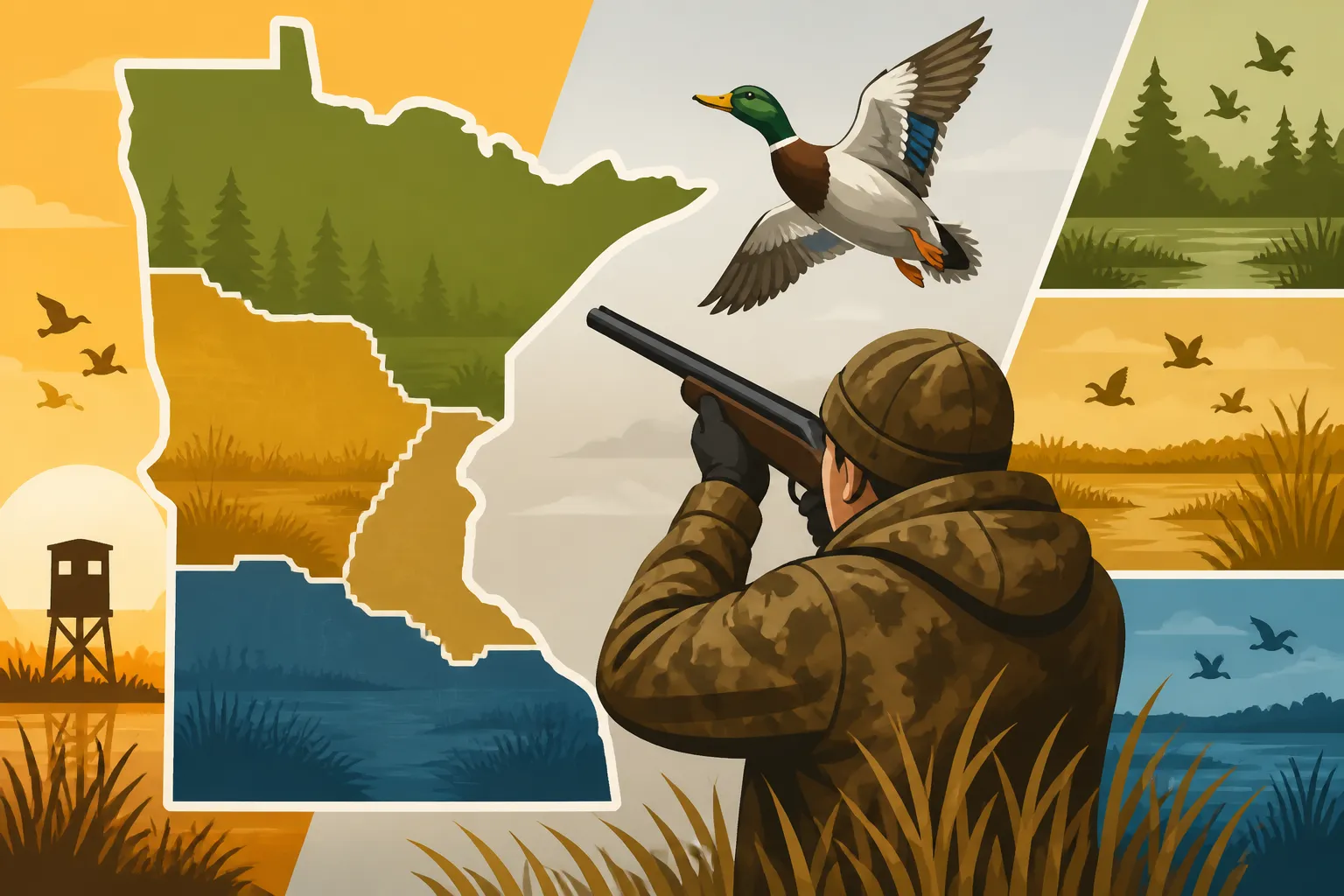
Minnesota is neatly, or perhaps not so neatly depending on your perspective, divided into three distinct duck zones: the North Zone, the Central Zone, and the South Zone. Each of these zones has its own unique geographic characteristics, typical hunting conditions, and most importantly, specific opening and closing dates for duck season. While daily bag limits for specific duck species are generally statewide, the timing of those seasons is entirely dependent on which of these three zones you choose to hunt in.
It’s crucial to remember that these aren't just suggestions; they are hard-and-fast legal boundaries. Hunting outside the legal dates for the zone you're in can lead to serious penalties, including fines and license revocation. So, while it might seem like a hassle, taking the time to truly understand the boundaries and season dates for the Minnesota Duck Zone Boundaries is absolutely essential before you ever load a shell.
Detailed Breakdown of Each Zone's Boundaries and Key Features
To truly grasp which duck zone you're in, you need to get down to the nitty-gritty of the boundaries. These lines aren't always intuitive, often following highways, county lines, or rivers, which can make things a bit tricky if you're not paying close attention. Let's break down each zone so you know exactly where you stand.
The North Zone: Early Opener, Big Water Opportunities
The North Zone encompasses the vast northern forests and the myriad of lakes that define Minnesota's wild character. It's often the first zone to open, reflecting the earlier migration push that often occurs in this colder part of the state. Think of those crisp September mornings where the air already has a hint of winter, and the leaves are just starting to turn.
Boundaries: The North Zone is generally considered everything north of a line formed by U.S. Highway 2, west to U.S. Highway 59, south on U.S. Highway 59 to State Highway 10, and then east along State Highway 10. For instance, if you're hunting north of Bemidji along Highway 2, you're firmly in the North Zone. Similarly, lakes like Lake of the Woods, Rainy Lake, and much of the Red Lake complex fall within this zone.
Hunting Conditions and Species: This zone is characterized by abundant shallow lakes, wild rice beds, and vast expanses of forest. Early season hunting here can be fantastic for local puddle ducks like mallards, wood ducks, and green-winged teal, especially around those wild rice lakes. As the season progresses, and cold fronts push down from Canada, hunters will often see good numbers of divers like bluebills (scaup), ring-necked ducks, and canvasbacks on larger, deeper bodies of water. Hunters focused on Diver Hunting on Mille Lacs Open Water would find themselves in a region often associated with this zone's characteristics, even if Mille Lacs itself technically straddles zones. The challenge here is the early freeze-up, which can cut the season short if a sustained cold snap arrives.
The Central Zone: The Heart of the Migration
The Central Zone is, as its name suggests, situated right in the middle, acting as a crucial corridor for birds moving south. It's often a blend of habitats, from large recreational lakes to smaller potholes and agricultural fields, offering a diverse array of hunting opportunities. This zone typically sees its opener a week or two after the North Zone, aiming to catch the bulk of the main migration.
Boundaries: The Central Zone lies south of the North Zone boundary (U.S. Highway 2, U.S. Highway 59, State Highway 10) and north of a line formed by U.S. Highway 212, east from the South Dakota border to State Highway 22, then north on State Highway 22 to U.S. Highway 14, then east on U.S. Highway 14 to U.S. Highway 52, and then south on U.S. Highway 52 to the Iowa border. This includes major metropolitan areas and the surrounding agricultural lands. A hunter on the Minnesota River near Mankato or on the western edge of the Twin Cities would be in the Central Zone.
Hunting Conditions and Species: This zone is where many Minnesota hunters find their rhythm, offering a balance of early and mid-season opportunities. You'll find a mix of big water, smaller wetlands, and river systems. Mallards, wood ducks, and teal are staples, but as the season progresses, pintails, gadwalls, and wigeon become more common. Many of the state's popular Wildlife Management Areas (WMAs) and Minnesota Waterfowl Production Areas are found within this zone, providing crucial staging and feeding grounds. Hunters in this zone might find themselves chasing ducks on a sprawling lake in the morning and jump-shooting sloughs in the afternoon.
The South Zone: Late Season Opportunities and Farm Fields
The South Zone is where the season lingers the longest, often offering fantastic late-season hunting, especially for big greenheads that have become wise to hunting pressure further north. It's heavily influenced by agriculture, with corn and bean fields providing rich food sources for migrating waterfowl. The season here typically opens last, giving southern birds maximum time to mature and northern birds time to arrive.
Boundaries: The South Zone is defined as the area south of the Central Zone boundary (U.S. Highway 212, State Highway 22, U.S. Highway 14, U.S. Highway 52 to the Iowa border). This encompasses the state's southwestern, south-central, and southeastern corners, including the famed bluff country along the Mississippi River. If you're hunting anywhere south of Redwood Falls or Rochester, you're likely in the South Zone.
Hunting Conditions and Species: This zone shines in the late season, particularly for mallards and geese that flock to waste grain in agricultural fields. Hunters often utilize Layout Blind Hunting Minnesota Farm Fields to intercept birds. While potholes and smaller wetlands are present, larger river systems like the Minnesota River and especially the Mississippi River backwaters become critical waterfowl magnets. Hunting the Mississippi River Backwaters offers unique challenges and rewards. Geese, both resident and migratory Canada geese, are a major draw here throughout the season. Diver ducks can also be found on larger lakes and rivers. The milder climate means fewer early freeze-ups, extending hunting opportunities well into November and sometimes even December, depending on the year.
Practical Implications for Hunters
Knowing the zones is one thing, but actually applying that knowledge to your hunting plans is another. This is where the rubber meets the road, and taking a few proactive steps can save you a lot of grief and ensure you're hunting legally and effectively.
How to Determine Your Hunting Location's Zone
The simplest and most reliable way to figure out which zone you're in is to consult the official Minnesota DNR website or their annual waterfowl hunting regulations booklet. These resources will have detailed maps and written descriptions of the zone boundaries. Here's a quick breakdown:
- DNR Website: Head to the Minnesota DNR's waterfowl hunting page. They usually have an interactive map or a static map you can download that clearly delineates the zones. This is your most up-to-date source.
- Regulations Booklet: Every year, the DNR publishes a physical and digital booklet containing all the hunting regulations. Always grab the newest one, as boundaries or dates can sometimes shift slightly.
- Mapping Apps: Modern mapping applications like GoHunt, onX Hunt, or similar platforms can be incredibly helpful. Many of these apps have layers that show public land boundaries, property lines, and often, even hunting zone overlays. By dropping a pin on your intended hunting spot, you can usually verify its zone status within seconds. Just ensure your app's data is updated for the current hunting season.
- Ask a Local: If you're completely new to an area, don't be afraid to ask a local conservation officer, a trusted hunting mentor, or even a reputable bait shop owner. They often know the nuances of the local boundaries.
Always double-check. It's far better to spend five minutes verifying your location than to face a conservation officer because you misread a boundary line on an old map.
Planning Your Season Around Zone Dates
Once you know the zones, you can start strategically planning your season. For many Minnesota waterfowl hunters, especially those with some flexibility, the existence of different zone openers offers a unique opportunity to extend their hunting season.
- Chasing the Opener: Some hunters might focus their early efforts on the North Zone to catch the first push of ducks before heading south to the Central or South Zone as those seasons open. This "chasing the opener" strategy allows for multiple opening weekends, maximizing time in the field. Remember to consult the Minnesota Duck Opener Date for each specific zone.
- Dedicated Zone Hunters: Others prefer to stick to one zone, becoming intimately familiar with its specific lakes, rivers, and potholes. For example, a hunter committed to the South Zone might be less interested in an early September teal season up north, instead focusing on developing late-season strategies for wary mallards and geese in cut fields or on unfrozen rivers.
- Migration Timing: Pay close attention to weather forecasts and migration reports. A strong cold front can push birds from the North Zone into the Central Zone rapidly, or from the Central into the South. Being flexible and scouting is key. What might be a prime spot one week could be barren the next. Understanding Reading a Pothole for a Morning Flight and adapting to migration can be the difference between a full strap and an empty one.
Beyond Zones: Other Important Duck Hunting Regulations
While zones dictate when you can hunt, a few other critical regulations determine how and what you can harvest. These apply statewide, regardless of which duck zone you're in.
- Federal Duck Stamp: Anyone 16 years of age or older must purchase a Federal Migratory Bird Hunting and Conservation Stamp (often called a "duck stamp") to hunt waterfowl. This stamp helps fund wetland conservation efforts, so it's a purchase you can feel good about. Make sure you understand the Minnesota Federal Duck Stamp Requirement.
- HIP Certification: All migratory bird hunters (including ducks, geese, woodcock, snipe, coots, rails, and gallinules) must register with the Harvest Information Program (HIP). This is a free registration that helps wildlife agencies gather data on harvest numbers. Don't forget your Minnesota HIP Certification for Bird Hunters.
- Nontoxic Shot: In Minnesota, and across the nation, you must use nontoxic shot (steel, bismuth, tungsten-iron, etc.) for all waterfowl hunting. Lead shot is prohibited to protect waterfowl from lead poisoning. This includes both ducks and geese.
- Daily Bag Limits: Each duck species has a specific daily bag limit and possession limit. It's essential to know these limits for common species like mallards, wood ducks, teal, and pintails. The overall Minnesota Duck Daily Bag Limit often has sub-limits for specific species or sexes. Always consult the most current regulations to ensure you're compliant.
It's a lot to keep track of, but taking the time to understand these rules is part of being a responsible hunter and helps ensure that Minnesota's incredible waterfowl resource remains strong for generations to come.
Minnesota Duck Zone Quick Reference
To help simplify things, here's a quick overview of the key differences between Minnesota's duck zones. Always refer to the most current DNR regulations for precise boundaries and season dates, as these can be updated annually.
| Feature / Zone | North Zone | Central Zone | South Zone |
|---|---|---|---|
| General Location | Northern Minnesota, encompassing the boreal forests and numerous lakes. | Central Minnesota, a blend of large lakes, potholes, and agriculture, including the metro area. | Southern Minnesota, heavily agricultural, with major rivers and late-season opportunities. |
| Season Opener | Typically the earliest opener, often in mid-to-late September. | Opens after the North Zone, usually late September or early October. | Opens last, usually early October. |
| Typical Habitat | Wild rice lakes, forested wetlands, large deep lakes. | Diverse: large lakes, prairie potholes, river systems, mixed agriculture. | Agricultural fields (corn, beans), smaller potholes, major river systems (e.g., Mississippi, Minnesota Rivers). |
| Primary Species | Early season puddle ducks (mallards, wood ducks, teal), later season divers (bluebills, ringnecks, canvasbacks). | All puddle ducks, divers (mid-season), geese. | Late-season mallards, Canada geese, some divers on larger waters. |
| Key Advantage | Earliest hunting opportunities, often good for first push of northern birds. | Catches peak migration, diverse hunting options. | Longest season, excellent late-season mallard and goose hunting over food. |
| Potential Drawback | Early freeze-up can cut season short, fewer agricultural food sources. | Can experience hunting pressure, migration can be unpredictable. | Later opener means missing early teal flights, often requires more private land access or strategic public land scouting due to higher pressure. |
Disclaimer
The information provided in this guide is for informational purposes only and is based on general knowledge and publicly available regulations at the time of writing. Hunting regulations, including season dates, zone boundaries, and bag limits, are subject to change by the Minnesota Department of Natural Resources (DNR) and federal agencies. It is the sole responsibility of each hunter to review and comply with the most current official Minnesota Hunting and Trapping Regulations Handbook and any specific updates or advisories issued by the DNR before engaging in any hunting activities. Failure to do so may result in legal penalties.