Minneapolis and St. Paul Bow Hunts
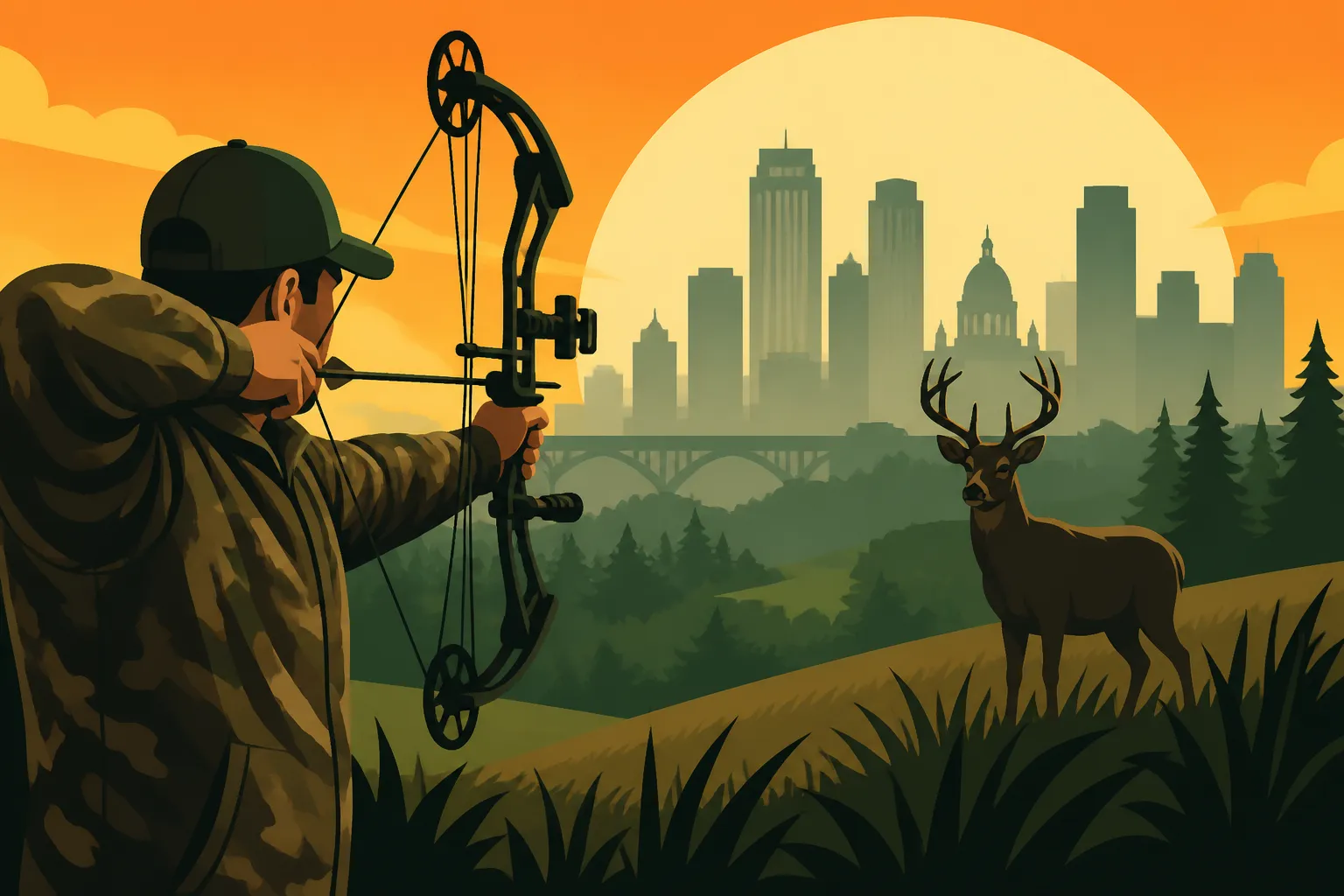
The idea of bowhunting for deer right within the metropolitan sprawl of Minneapolis and St. Paul might sound like a contradiction in terms, a fantasy for some, or an overwhelming challenge for others. Yet, deer populations in and around the Twin Cities are a very real concern, leading to unique hunting opportunities that require a specific understanding of regulations, access, and tactics. This guide aims to demystify urban bowhunting, providing you with the knowledge to navigate these distinctive hunts safely and successfully.
Navigating the Unique Landscape of Metro Bow Hunts
The concrete jungle might not seem like prime deer habitat, but the fringes and even some surprisingly green pockets within Minneapolis and St. Paul host thriving, sometimes overabundant, deer populations. This reality has shaped the existence of specialized bow hunts designed to manage these herds.
Why Urban Bow Hunts Exist (and Why They're Necessary)
It's a common scenario across many urban centers: once-sparse deer populations have exploded, finding refuge in green spaces, undeveloped parcels, and even suburban backyards. With fewer natural predators and abundant landscaping acting as an all-you-can-eat buffet, deer numbers can quickly outpace the carrying capacity of these areas. This isn't just an ecological issue; it becomes a public safety and property concern.
Think about the sheer number of deer-vehicle collisions on I-35W or Highway 36 every year. It’s not just a rural phenomenon anymore. These incidents cause significant property damage and pose a serious risk of injury or worse to motorists. Beyond that, the aesthetic and economic impact on residential and commercial landscaping can be substantial. Gardens are decimated, shrubs are stripped bare, and young trees are heavily browsed or antler-rubbed to death. Local authorities and park systems often turn to regulated bow hunts as the most effective and quiet method for population control in areas where firearm discharge is simply not feasible or safe. These hunts aren't just about recreation; they're a vital part of managing wildlife and mitigating conflicts in densely populated areas.
Understanding Special Regulations and Permit Areas
Urban bow hunts operate under a completely different set of rules than your typical statewide archery season. You can't just wander into a city park with your bow and expect to hunt. These are highly controlled, often lottery-based opportunities within specific boundaries. Cities and counties, in coordination with state wildlife agencies, designate certain areas for these hunts, usually public parks, nature preserves, or large tracts of undeveloped land that are otherwise inaccessible for hunting.
These hunts often come with specific, highly localized regulations. For example, some hunts might only allow for antlerless deer to be harvested, focusing solely on population reduction. Others might have very strict hours of operation, entry and exit points, and even specific weapon requirements beyond just "bow." You'll often find that traditional "shotgun-only" or "rifle-legal" distinctions might not apply in these designated metro zones, with archery being the preferred or only legal method due to safety concerns and noise ordinances. It’s crucial to research the exact rules for each specific hunt or permit area you are considering. These hunts typically require a special application, often with a lottery system, meaning you might not draw a tag every year, or ever, depending on demand and availability. The Applying for the Antlerless Lottery Before September 10 post might offer insights into general lottery dynamics, though metro-specific rules can be even more nuanced.
Finding and Accessing Hunting Opportunities in the Twin Cities
The biggest hurdle for urban bowhunters often isn't the deer itself, but finding a place to hunt and gaining legal access. This requires diligent research and, often, a good dose of persistence.
Identifying Public Land Options and Special Programs
While sprawling public forests are scarce in the metro, there are surprisingly many public lands that host special, managed bow hunts. These can include certain state parks, regional parks, and even some smaller Wildlife Management Areas (WMAs) that are specifically opened up for limited periods. The key is that these are special programs, not general open access. You need to be on the lookout for announcements from local parks departments, city governments, and the state's wildlife agency.
Many of these opportunities are managed as special hunts to control deer populations. For example, some Minnesota State Parks or Regional Parks might open for a specific bowhunting period in the fall, often through an application and lottery system. These hunts often have strict boundaries, check-in/check-out procedures, and may even limit the number of hunters allowed in a given area at one time. Finding these can be a bit like piecing together a puzzle, but online resources and agency websites are your best bet. Tools like onX Hunt can be incredibly valuable here, not just for general public land identification, but for overlaying parcel data once you know a specific area is open for a hunt. It helps you visualize boundaries, understand topography, and plan your approach, identifying potential bottlenecks or cover. Using Recreation Compass Without Cell Service discusses another mapping tool that can be beneficial, particularly in more remote areas, but onX Hunt often provides more detailed ownership data critical for urban environments.
The Role of Private Land and Permission in Urban Settings
Beyond public land, private land access becomes incredibly important in urban bowhunting. Many of the areas with high deer populations are residential lots, business parks, or undeveloped private tracts. Gaining permission here is often the most direct route to a successful metro hunt. However, this is a delicate dance.
When approaching landowners, especially in a metro area, you're not just asking for permission to hunt; you're often asking them to trust you with their property and their neighbors' peace of mind. You need to be impeccably polite, professional, and clear about your intentions. Explain that you are a bowhunter, that you adhere to all safety regulations, and that your goal is to help manage the local deer population ethically. Be prepared to discuss liability, specific hunting times, and how you will handle a harvested animal discreetly. Often, a property owner who has experienced deer damage firsthand will be more receptive. Mapping tools, again, like onX Hunt, can show you property lines and owner information, helping you identify potential contacts. While GoHunt is primarily known for its extensive western big game draw odds and harvest data analysis, keeping up with general hunting intelligence and conservation efforts can make you a more informed and articulate advocate when talking to landowners or participating in local hunting forums. Remember, even with private land permission, you must still adhere to any city ordinances regarding discharge of archery equipment, minimum distances from dwellings, and transporting game. Do You Need Written Permission in Minnesota? is a relevant read, as written permission is always a good idea in such sensitive areas.
Essential Gear and Tactics for Urban Bowhunters
Urban bowhunting isn't just about where you hunt, but how you hunt. The close proximity to non-hunters and residential areas demands an even higher level of safety, stealth, and ethical consideration than a deep-woods hunt.
Bow Setup and Broadhead Selection for Close Quarters
When you're hunting in a metro environment, shots are generally shorter, but the consequences of a missed or unethical shot are far greater. Precision and reliability are paramount. Your bow setup needs to be tuned to perfection, ensuring every arrow flies true. This means a well-maintained bow, properly spined arrows, and consistent shooting form.
Consider fixed-blade broadheads over mechanicals. While mechanicals are popular, a fixed blade can sometimes offer more predictable penetration, especially at close range, reducing the chance of deflection on bone or a less-than-perfect shot. Ensure your broadheads are razor-sharp. You want the quickest, most humane kill possible. Noise is also a factor; a quiet bow that doesn't "twang" loudly on release is always a benefit, but especially so when you might have houses within earshot. A bow press for adjustments and a reliable target are essential for practice. Broadheads for Timber Shots provides more detail on selection.
| Feature | Urban Bowhunting Consideration | Traditional Wilderness Hunting Consideration |
|---|---|---|
| Shot Distance | Often shorter, 10-30 yards. Focus on precision. | Varied, 20-60+ yards. Focus on range adaptability. |
| Broadhead Type | Fixed-blade often preferred for maximum penetration, reliability. | Fixed or mechanical, depending on hunter preference and range. |
| Noise Level | Extreme importance for quiet setup (bow, clothing, movement). | Important, but less critical than in residential areas. |
| Safety Zone | Strict adherence to setback rules, aware of all surroundings. | Awareness of hunting partners, clear shot lanes. |
| Discretion | Paramount for field dressing, transport, public perception. | Less emphasis on public visibility, more on practicalities. |
| Entry/Exit | Stealthy, planned routes to avoid detection. | Focus on minimizing disturbance to deer. |
Stealth, Safety, and Ethical Considerations
Stealth in urban bowhunting isn't just about not spooking deer; it's about not alarming residents. You need to move like a ghost, both physically and visually. This means wearing appropriate camouflage, using quiet fabrics, and planning your entry and exit routes meticulously, ideally during low-light hours. Consider setting up your stand or blind well before dawn and exiting well after dark to minimize your visibility to non-hunters. Treestand Setups in Minnesota Hardwoods offers good foundational advice, but in an urban context, your choice of stand location also needs to prioritize safety and discretion above all else.
Safety is non-negotiable. Always know what's beyond your target. In an urban environment, this often means houses, roads, or walking trails. Your shot angle needs to be downward, into the ground, to ensure any missed arrow is safely stopped. A proper safety harness and lifeline are critical for any elevated stand. You are a representative of all hunters in this environment, and any lapse in safety or ethical conduct can quickly lead to public backlash and the closure of these valuable hunting opportunities. Transporting your gear and harvested deer discreetly is also vital. Use game bags, tarps, or coolers to keep the animal out of public view as much as possible.
Navigating Logistics: From Application to Harvest
The process for urban bow hunts can feel a bit more bureaucratic than simply buying a license and heading to your favorite woods. Understanding the logistical steps is key to participating.
The Application Process and Lottery Systems
As mentioned, most metro bow hunts operate on a special permit or lottery system. This means you won't typically find these opportunities listed on a general hunting license. You'll need to research specific city, county, or regional park websites, or keep an eye on announcements from the state's wildlife agency (Minnesota's Department of Natural Resources). Often, these applications have specific windows, and missing a deadline means missing the hunt entirely.
The lottery system, like that for Why Carlos Avery Needs a Lottery in A Season, is designed to limit hunter numbers and allocate tags fairly for areas with restricted capacity. You'll apply for a specific zone or park, and if drawn, you'll receive a special permit. There might be an application fee, and the tags themselves will have their own cost. Pay close attention to orientation requirements; some metro hunts mandate that successful applicants attend a mandatory safety briefing or site tour before hunting. These sessions are invaluable for understanding the specific rules, boundaries, and any unique challenges of the hunting area.
Field Dressing, Transport, and Registration in an Urban Environment
Once you've made a successful harvest, the next steps require careful planning and discretion. Field dressing in an urban area is different from doing it deep in the Superior and Chippewa National Forest Hunting. You need to be as tidy and out of sight as possible. Consider having a plan for immediate removal of the animal if possible, rather than leaving it in place for an extended period. Some hunters opt for the gutless method to minimize visible mess and facilitate transport.
Transporting the deer from the field to your vehicle, and then from your vehicle home, needs to be handled respectfully and discreetly. Game carts can be useful for moving the animal quietly through trails or residential areas. Have tarps or heavy-duty bags ready to cover the deer in your truck bed or SUV. The last thing you want is to cause alarm among non-hunting residents. Finally, registration is mandatory. Like all deer harvests in Minnesota, you'll need to register your deer by the deadline. This can usually be done online or via phone. Be prepared to provide details about the permit area and the deer harvested. Registering a Minnesota Deer Online offers general guidance, which applies here too. Handling your deer with professionalism from start to finish not only honors the animal but also maintains positive public perception of urban hunting programs.
Disclaimer
This article is for general informational purposes only and does not constitute professional advice. Laws, prices and regulations vary by location and change over time. Consult a qualified professional for guidance on your specific situation.