Layout Blinds for Minnesota Cut Corn
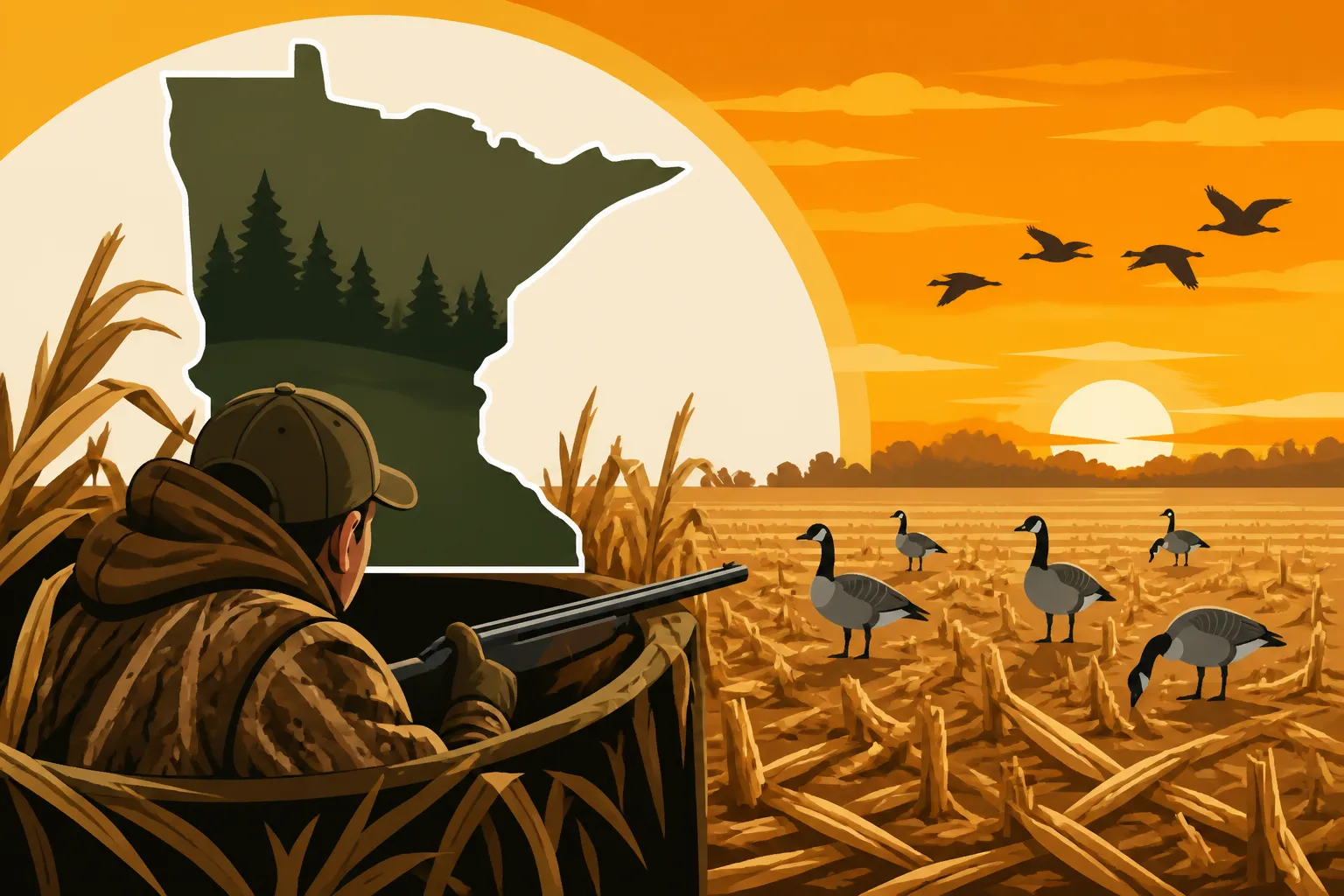
Hunting geese and ducks in Minnesota's vast cut cornfields can be incredibly rewarding, but it presents a unique challenge: how do you disappear when there's so little natural cover? Birds, especially seasoned veterans of the flyway, have an uncanny ability to spot anything out of place in these barren landscapes. This guide will walk you through everything you need to know about effectively using layout blinds to vanish into the stubble, ensuring more successful hunts and fewer flaring birds in the wide-open spaces of Minnesota's agricultural country.
Why Layout Blinds Are Essential for Hunting Cut Corn in Minnesota
When you're out in the wide-open expanse of a recently harvested cornfield in Minnesota, it quickly becomes clear that there isn't much to hide behind. Unlike timber or cattail sloughs, these fields offer very little natural concealment. This lack of cover is precisely why layout blinds have become an indispensable tool for waterfowl hunters who want to fool wary geese and ducks. Without them, you're essentially standing in the middle of a dinner plate, an easy target for any passing flock with keen eyesight.
The Unique Challenges of Cut Cornfields
Imagine a flock of Canada geese, or even a smaller group of mallards, circling high above a cut cornfield. Their eyesight is truly incredible, honed over generations to spot the slightest irregularity in the landscape. A traditional ground blind, even one camouflaged for timber, sticks out like a sore thumb. The vertical lines, the unnatural shape, the darker shadow — it's all a giant red flag to birds that have seen it all. This is the core frustration for hunters trying to ambush birds in these environments. The birds simply won't commit if they see anything that doesn't belong, and in a cut cornfield, almost everything looks out of place.
The topography of most Minnesota farm fields is relatively flat, offering no natural ridges or thickets to tuck into. The remaining corn stubble, while providing some texture, isn't enough to break up the human silhouette. Trying to simply squat or lie down behind minimal stubble usually results in flaring birds that peel off well out of range, leaving you wondering what went wrong. The wind can also flatten what little cover there is, making concealment even harder. This is where the specialized design of a layout blind truly shines, turning a frustrating open-field scenario into a potential honey hole.
The Advantage of a Low Profile
A layout blind's greatest asset is its incredibly low profile. Designed to allow you to lie nearly flat on your back, these blinds reduce your visible height to mere inches above the ground. When properly brushed in, they become virtually indistinguishable from the surrounding field, mimicking natural lumps, dirt clods, or small piles of stubble. This ability to disappear completely is crucial for drawing in those educated birds that have survived countless hunting seasons. They fly over, looking for danger, and see nothing but an inviting spread of decoys.
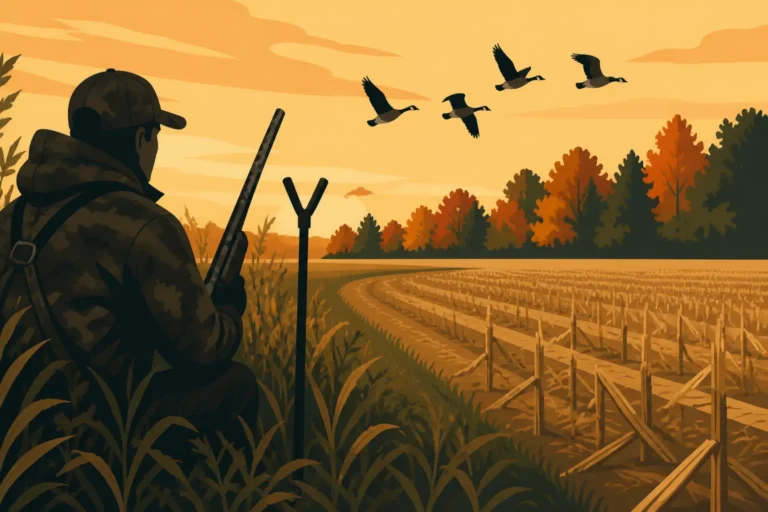
The design also means you're not casting a tall, unnatural shadow that birds can easily pick out from above. Instead, you blend seamlessly with the texture and shadows of the field itself. This makes all the difference when you're trying to coax a flock of honkers to commit to your decoy spread, or trying to bring a group of greenheads into shotgun range. With a layout blind, you're not just hiding; you're becoming part of the landscape, and that's the ultimate goal in open-field waterfowl hunting. Layout Blind Hunting a Cut Cornfield truly illustrates how this low profile turns the tables on wary birds.
Choosing the Right Layout Blind for Minnesota Conditions
Selecting the perfect layout blind isn't just about picking one that looks cool. Minnesota's weather can be notoriously unpredictable, and the ground in cut cornfields can range from dry and dusty to muddy and frozen. Your blind needs to be up to the task, offering comfort, durability, and excellent concealment, no matter what Mother Nature throws your way. Thinking through these features before you buy will save you a lot of grief—and cold, uncomfortable mornings—down the road.
Key Features to Look For
When you're eyeing a layout blind, start with its overall construction. Durability is paramount; you'll be dragging this thing through stubble, mud, and maybe even snow. Look for robust fabrics that resist tears and abrasions, and a sturdy frame that won't bend or break under normal use. A solid aluminum or steel frame is usually a good indicator of quality. Check the zippers and buckles – they should be heavy-duty and easy to operate even with cold, gloved hands. Nothing is worse than fumbling with a flimsy zipper when birds are circling.
Weather resistance is another non-negotiable feature. Many Minnesota mornings start with dew, frost, or even a light rain or snow. Your blind needs to keep you dry. Look for waterproof or highly water-resistant materials, especially on the bottom. Comfort, though often overlooked, is crucial for those long, motionless waits. A padded backrest and headrest can make a huge difference, as can enough interior room to shift positions without broadcasting your presence. Flag ports, which allow you to easily use a goose flag to draw in birds, are also a major plus. Finally, consider how easy it is to set up and break down, and how compact it folds for transport. You don't want to wrestle with your gear in the dark or waste precious hunting time struggling with a finicky blind. Many hunters looking for Layout Blinds and Marsh Boats also consider how portable their blinds are.
Camouflage Patterns and Concealment
The right camouflage pattern for a cut cornfield is usually one that mimics dead, dried vegetation, stubble, and dirt. Think shades of tan, brown, straw, and muted greens. Patterns like Mossy Oak's Bottomland or RealTree's Max-5 are popular choices because they excel at breaking up your outline in these types of environments. However, the pattern is only part of the equation. True concealment comes from brushing in your blind effectively.
You want a pattern that acts as a good base layer, but then you need to integrate natural materials from the field itself. This means tucking real corn stalks, dried weeds, and clods of dirt into the blind's stubble straps and mesh. The goal isn't just to match the color, but to replicate the texture and three-dimensionality of the field. A pattern that features a mix of larger, irregular shapes will help disrupt your outline, preventing you from looking like a solid block of color to birds high above. The better your pattern blends with the surrounding field, the less work you'll have to do with natural brush, but you should never skip the brushing-in step.
Here's a quick comparison of general layout blind feature considerations:
| Feature Category | Basic Blinds (Entry-Level) | Mid-Range Blinds (Popular) | Premium Blinds (High-End) |
|---|---|---|---|
| Frame Material | Fiberglass, light aluminum | Aluminum, steel | Aircraft-grade aluminum |
| Fabric Durability | Standard polyester | Heavy-duty polyester, nylon | Ripstop nylon, Cordura |
| Water Resistance | Water-repellent coating | Water-resistant, sealed seams | Waterproof, fully taped seams |
| Comfort | Minimal padding, basic headrest | Padded back & headrest, adjustable | Ergonomic design, thick padding, roomy |
| Packed Size/Weight | Lighter, can be bulky | Moderate, good balance | Compact, often heavier duty |
| Setup Speed | Quick, straightforward | Very quick, intuitive | Fast, robust hinges |
| Stubble Straps | Basic, limited quantity | Ample, well-placed | Extensive, varied sizes/locations |
| Flag Ports | Sometimes one | Often two, well-placed | Multiple, strategic placement |
| Price Point | Budget-friendly | Mid-tier investment | Significant investment |
Mastering the Art of Concealment in Cut Corn
Having the best layout blind money can buy won't guarantee success if you don't know how to use it properly. The true magic happens in the details of placement and concealment. This is where you transform a piece of hunting gear into an invisible extension of the landscape, convincing even the wariest waterfowl that your spread is the safest spot in the entire field. It requires a bit of planning, a keen eye for terrain, and a willingness to get a little dirty.
Scouting and Placement
Effective layout blind hunting starts long before you even set foot in the field with your gear. Scouting is paramount. You need to know where the birds want to be. Are they landing on a specific rise, in a slight depression, or along a particular feeding lane? Observe their flight patterns, where they land, and how they approach. If you're hunting geese during the Early Goose Season Tactics in Minnesota, they often hit predictable spots. Pay attention to wind direction, as birds almost always land into the wind. Your blinds should be positioned so that birds approaching your decoys into the wind are presenting broadside or slightly quartering shots when they hit the sweet spot.
When placing your blinds, look for any natural irregularities in the field. A slight dip, a small rise, or even a row of thicker stubble can offer an extra edge for concealment. Never place your blinds in a perfectly straight line or in a pattern that looks unnatural. Scatter them, angle them slightly, and use existing contours to your advantage. Think about your shooting lanes too; you want to be able to sit up and shoot without hitting another hunter or getting tangled in a decoy. This strategic thinking sets the stage for a successful hunt. Hunting a Standing Cornfield in Farm Country offers insights into cornfield dynamics that can be adapted for cut fields.
Brushing In Your Layout Blind
This is the most critical step and one where many hunters fall short. You cannot just plop a camouflaged blind down in a field and expect birds to ignore it. You must brush it in. The goal is to break up the blind's outline and make it disappear into the surrounding environment. Start by gathering plenty of material from the field itself: corn stalks, dried weeds, dirt clods, and even mud. These materials are already naturally camouflaged for that specific field, so they're your best bet.
Begin by tucking smaller pieces of stubble and weeds into the stubble straps and mesh on the blind. Don't be shy; over-brushing is always better than under-brushing. Pay special attention to the edges and the top, as these are the most visible parts from above. Throw dirt on the blind, especially if the field is muddy. The more it looks like a natural part of the ground, the better. When you're done, step back and look at your blind from various angles, including from a distance and from a slightly elevated position, to spot any tell-tale straight lines or unnatural shapes. Have a hunting partner do the same. Many dedicated hunters who use resources like GoHunt often share photos of their meticulously brushed-in blinds, showing just how much effort goes into making them truly invisible. The time you spend brushing in is directly proportional to your success rate.
The Importance of Decoy Spreads
Layout blinds and decoy spreads work hand-in-hand; neither is fully effective without the other. Your layout blinds provide the invisibility, but your decoys provide the irresistible invitation. For geese, a spread of full-body goose decoys, often combined with shells or silhouettes, is common. Place your blinds strategically within or just downwind of your spread, allowing birds to comfortably commit to landing among the "feeding" decoys. A common tactic is the "landing zone" – an open area within your spread where you want the birds to land, positioned ideally for your shots.
For ducks in cut corn, smaller spreads of field decoys or even regular floating decoys placed near puddles or sheet water can be effective. Consider using a mix of species that are common in Minnesota, like mallards, pintails, and wigeon. The exact pattern of your spread will vary based on bird behavior, wind direction, and field conditions, but the key is to create a realistic, inviting scene that draws birds away from any suspicion they might have about your well-concealed blinds. Waterfowl Loads for Minnesota Divers are important, but the decoy spread is what brings them into range.
Staying Warm and Comfortable During Long Waits
Hunting from a layout blind often means long periods of motionless waiting in potentially cold and damp conditions. Unlike a deer stand where you might have more room to move or a cabin nearby, you're essentially lying on the ground, exposed to the elements. Minnesota weather, especially during the waterfowl seasons, can swing from mild to brutally cold, often with biting winds. Prioritizing warmth and comfort isn't just about personal preference; it's about maintaining focus and stamina, which directly impacts your success.
Layering for Minnesota's Variable Weather
The key to staying warm and comfortable in a layout blind is proper layering. Forget bulky, single-layer jackets; you need a system that allows you to adapt to changing temperatures and activity levels. Start with a moisture-wicking base layer against your skin. This helps pull sweat away, preventing you from getting chilled. On top of that, add an insulating mid-layer, like fleece or a down vest, to trap body heat. Finally, an outer shell that is both windproof and waterproof is absolutely essential. This protects you from the biting Minnesota winds and any precipitation, whether it's freezing rain or snow.
Since you'll be lying relatively still, consider adding an extra insulating layer specifically for your back and bottom, as these areas will be in direct contact with the cold ground. A small, inflatable sleeping pad or extra thick closed-cell foam pad inside your blind can make a huge difference in comfort and warmth. Don't forget your extremities! A warm hat, gloves or mittens, and insulated, waterproof boots are critical. Even if the forecast seems mild, bring extra layers; it's always easier to shed clothes than to conjure warmth when you're shivering. Many of these principles apply whether you're chasing waterfowl or hunkered down in a tree stand, as explored in Layering for a Minnesota November.
Essentials for a Successful Hunt from a Layout Blind
Beyond clothing, a few other items are crucial for comfort and success in a layout blind. A thermos filled with hot coffee, tea, or broth can be a game-changer on a frigid morning, providing internal warmth and a morale boost. Bring plenty of hand warmers and foot warmers, especially if you're prone to cold extremities. Place them in your gloves, boots, and even in a pocket for quick relief. Snacks high in protein and fat can help fuel your body and keep your internal furnace burning.
Organization within your blind is also important. Keep extra shotgun shells easily accessible but protected from moisture. A small blind bag that fits inside your layout blind can hold calls, snacks, and other necessities, preventing you from fumbling around or exposing yourself when birds are approaching. If using electronics like a phone or GPS, ensure they are charged and protected from the cold to preserve battery life. Carrying all this gear into the field requires a good system, and considerations for Packs for a Day on Public Land can be quite useful. While GoHunt might not track weather for your blind, their apps can assist with scouting and mapping your approach, helping you find the most efficient way to haul your essential gear into a productive spot in the vastness of Minnesota's cut corn.
Disclaimer
This article is for general informational purposes only and does not constitute professional advice. Laws, prices and regulations vary by location and change over time. Consult a qualified professional for guidance on your specific situation.