Bobcat Range and Harvest in Minnesota
Minnesota bobcats and their preferred forest habitats, physical characteristics, and prey base explained for hunters and trappers.
Know what you’re after.
Big game, small game, upland birds, and waterfowl — identification, behavior, rut and migration timing, and how each species moves through the season.
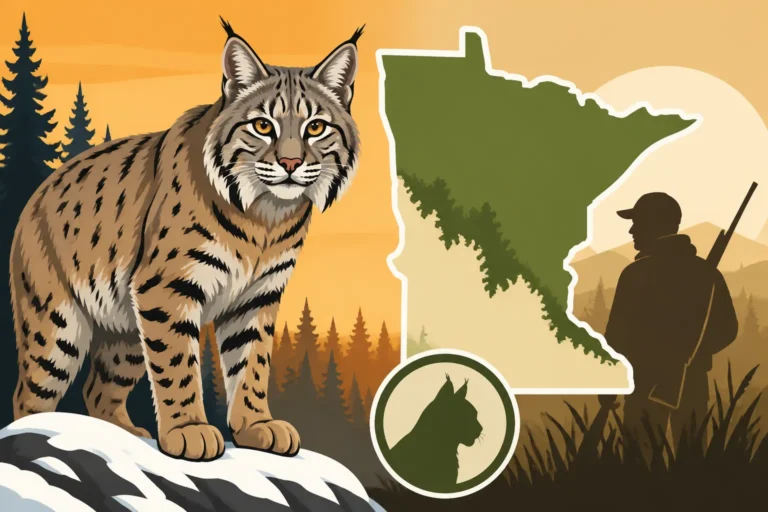
Minnesota bobcats and their preferred forest habitats, physical characteristics, and prey base explained for hunters and trappers.
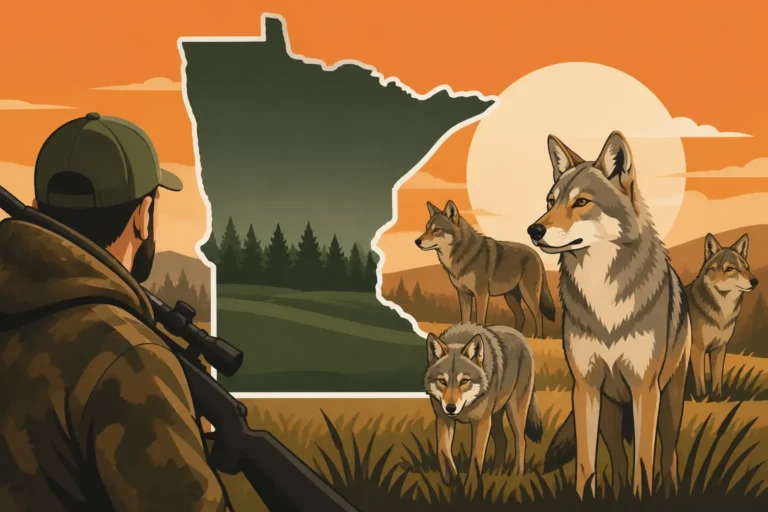
Minnesota coyote numbers remain uncounted, but regional population trends and distribution patterns help outdoor enthusiasts understand local wildlife.
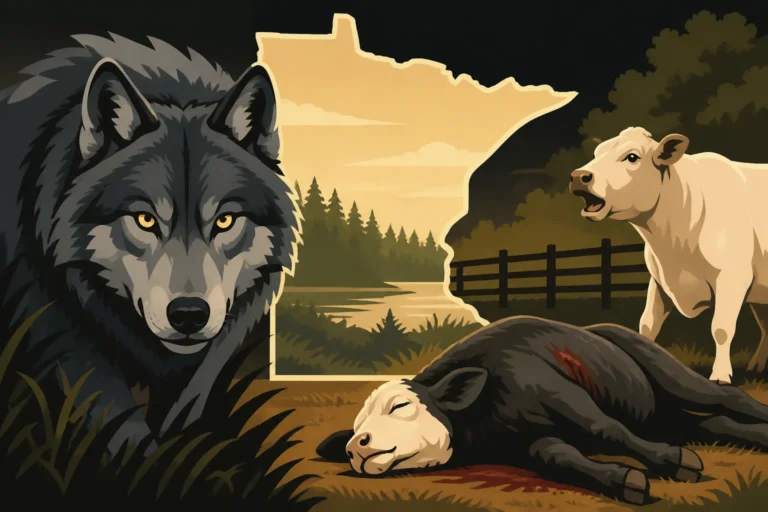
Minnesota wolf depredation on livestock causes financial losses for farmers while presenting complex wildlife conservation challenges.
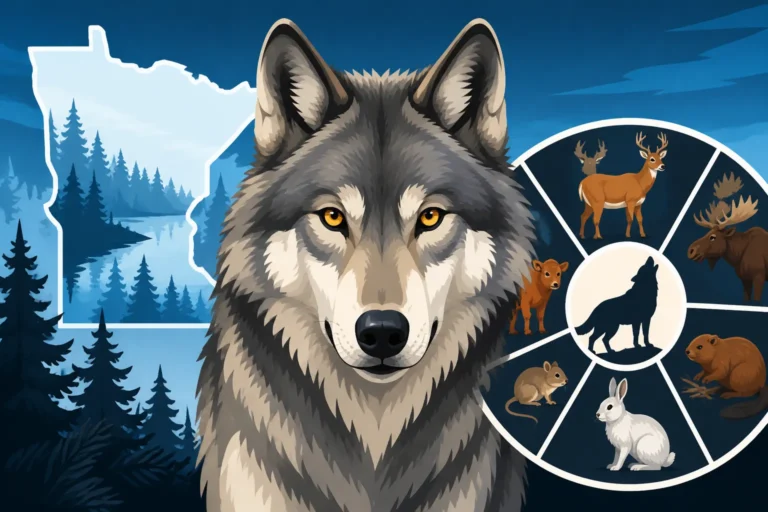
Northern Minnesota timber wolves eat white-tailed deer and moose, focusing on fawns, calves, and weakened adults for survival.
Minnesota wolf delisting history explains federal protection under the Endangered Species Act, successful population recovery, and ongoing legal battles.
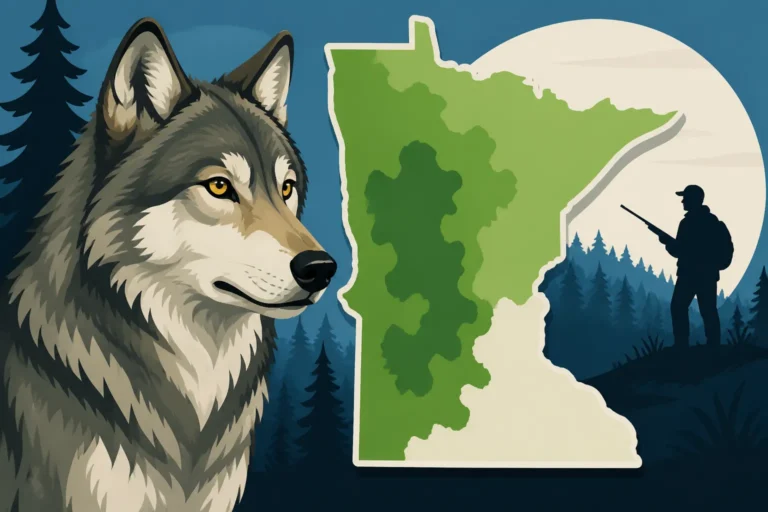
Minnesota wolf populations predominantly reside in the northern forests, expanding from the northeastern stronghold into western and central regions.
Minnesota wolf population estimates and historical context, including recovery efforts under the federal Endangered Species Act.
Minnesota squirrel harvest data collected through annual hunter surveys helps evaluate gray and fox squirrel population trends.
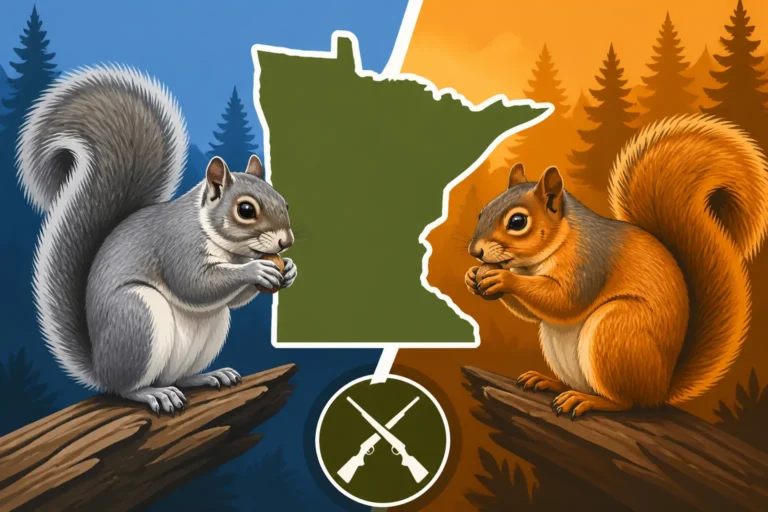
Gray and fox squirrels in Minnesota have distinct physical traits, habitats, and behaviors that help hunters identify them.
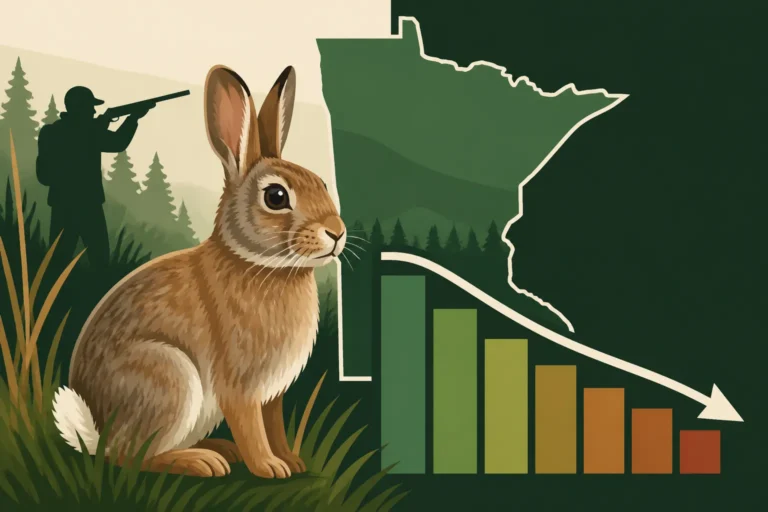
Minnesota cottontail population cycles, driven by habitat changes and predators, explain why rabbit numbers fluctuate across seasons.