Why Minnesota Hares Turn White
Minnesota snowshoe hares undergo a seasonal molt driven by photoperiod, turning white to survive harsh winter environments.
Know what you’re after.
Big game, small game, upland birds, and waterfowl — identification, behavior, rut and migration timing, and how each species moves through the season.
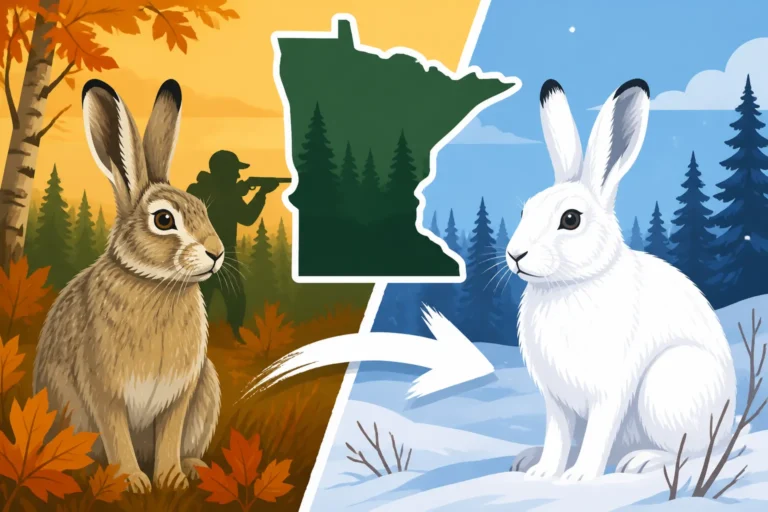
Minnesota snowshoe hares undergo a seasonal molt driven by photoperiod, turning white to survive harsh winter environments.
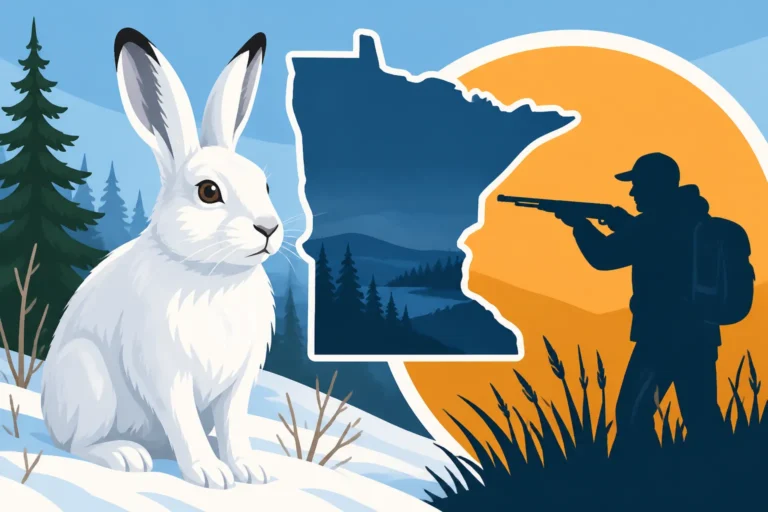
Minnesota snowshoe hare population cycles, tracking 8 to 11 year peaks and crashes driven by predators, disease, and habitat.
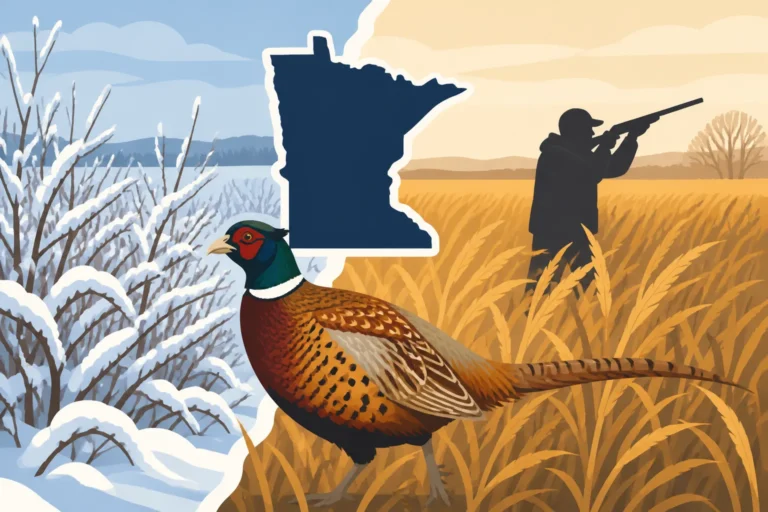
Winter cover loss and deep snow reduce Minnesota pheasant survival by limiting mobility, blocking food sources, and causing starvation.
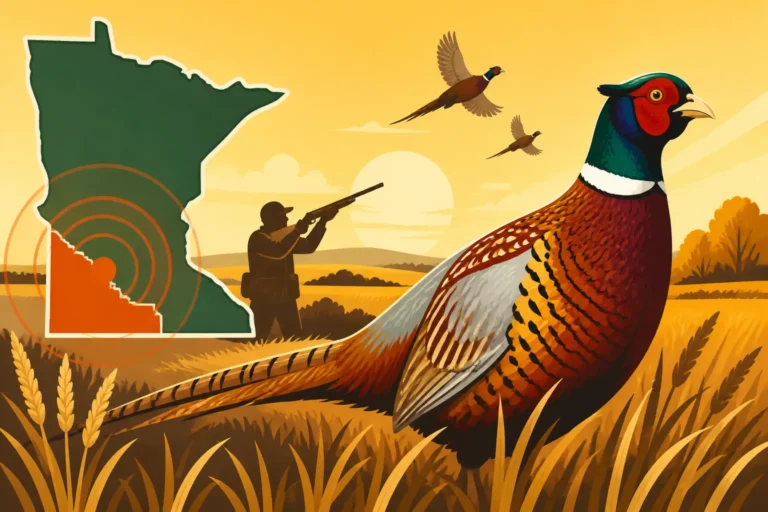
Southwest Minnesota pheasant populations thrive due to fertile soils, historical tallgrass prairies, and productive agricultural land use.
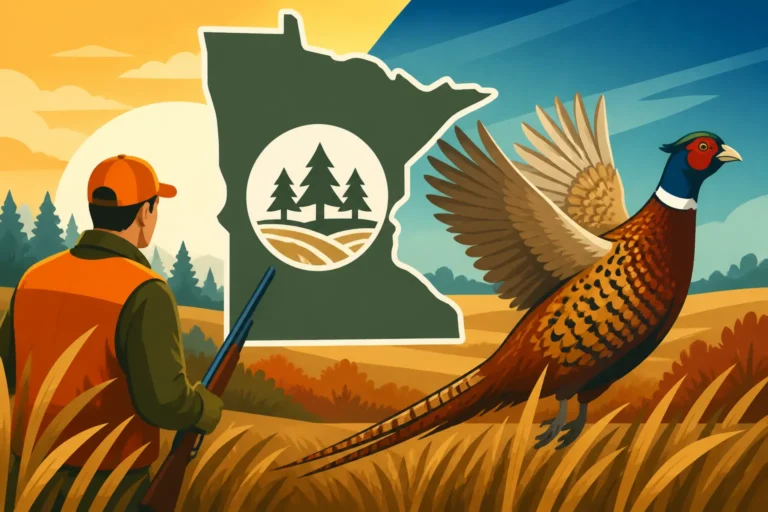
The Minnesota Pheasant Index Survey measures ringneck population trends, helping hunters plan seasons and wildlife managers track breeding success.
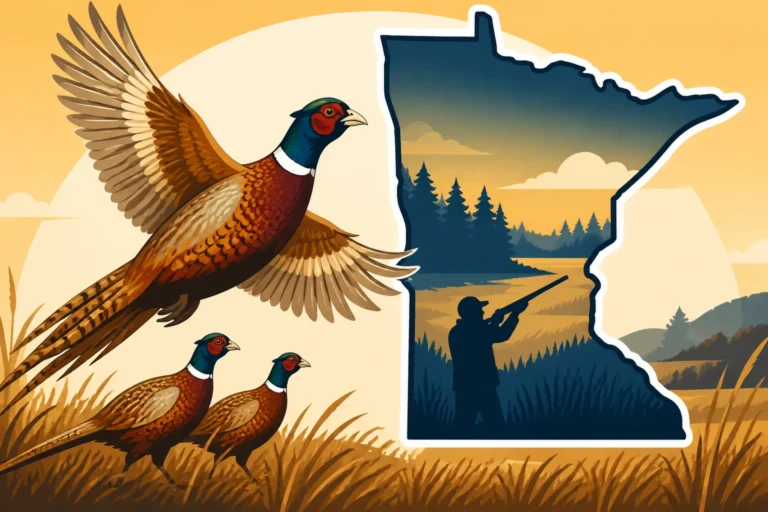
Minnesota pheasant population trends depend on seasonal weather, nesting habitat quality, and agricultural practices impacting bird survival.
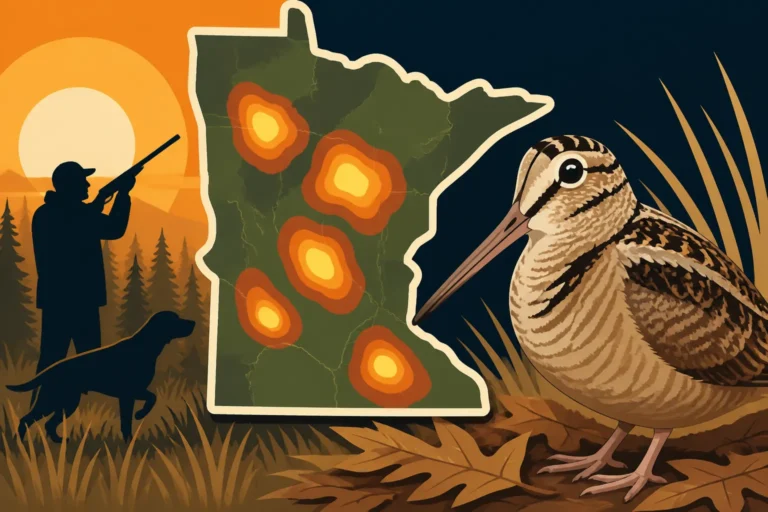
Minnesota woodcock habitat locations, featuring moist soil, dense alder covers, and open roosting areas for earthworm foraging.
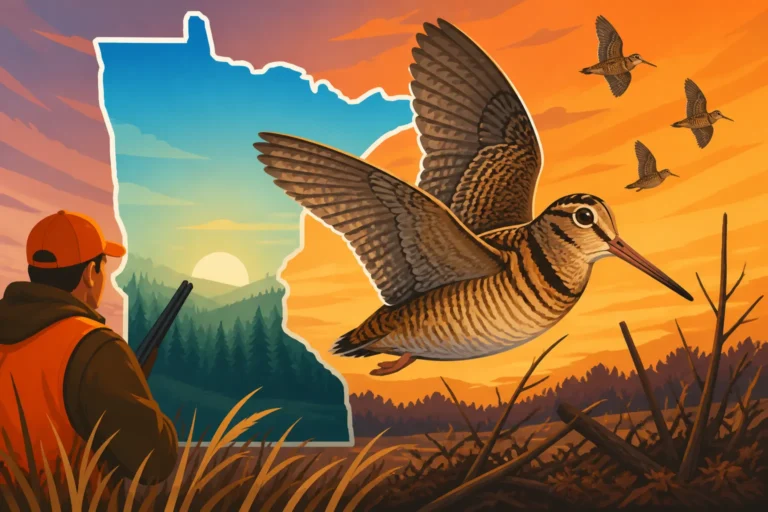
American woodcock migration patterns through Minnesota help hunters time trips using weather, daylight, and food availability factors.
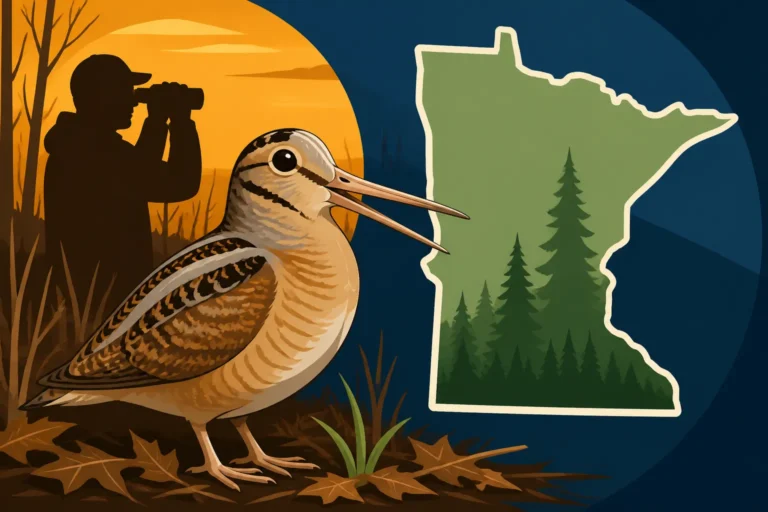
Minnesota woodcock singing ground surveys track male breeding populations along fixed routes using standardized spring listening protocols.
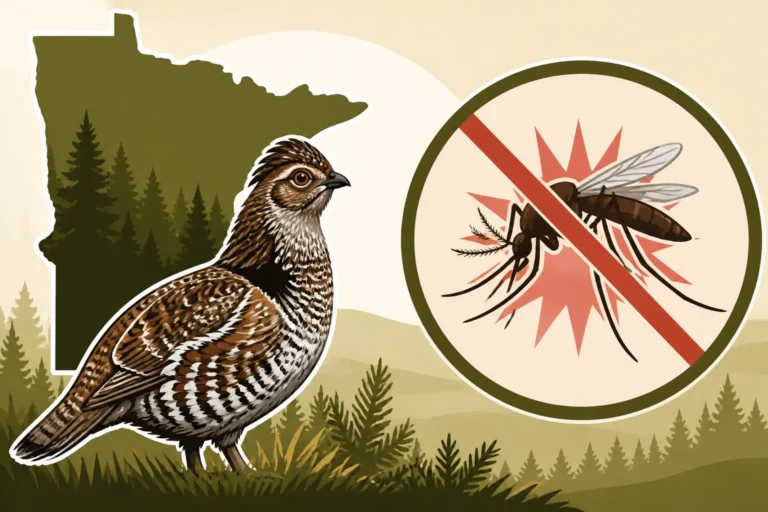
West Nile Virus in Minnesota grouse explains mosquito transmission, neurological symptoms, and population impacts for hunters.