When Minnesota Bucks Shed Antlers
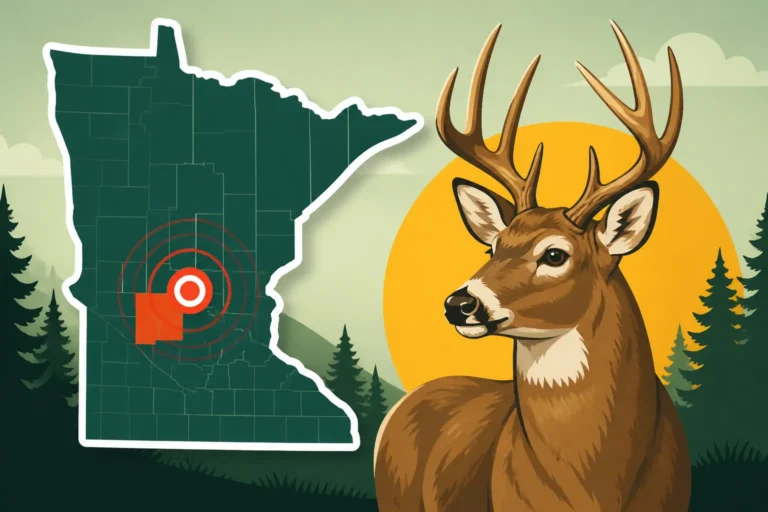
Antler shedding in Minnesota white-tailed deer depends on testosterone levels, daylight, nutrition, and winter severity.

Antler shedding in Minnesota white-tailed deer depends on testosterone levels, daylight, nutrition, and winter severity.
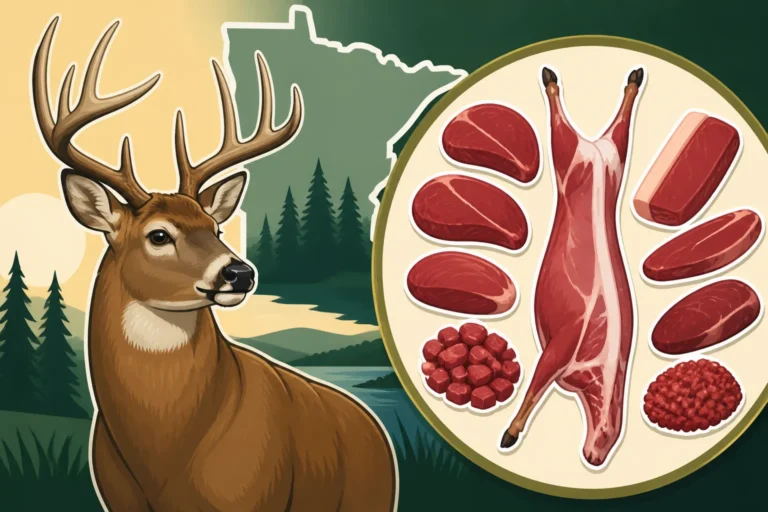
Minnesota deer meat yield depends on live weight, processing techniques, and bullet damage from shoulder or heart-lung shots.

Minnesota deer-vehicle collisions occur frequently due to seasonal patterns, daily routines, and thriving animal populations on roads.

Epizootic Hemorrhagic Disease causes sudden deer die-offs in Minnesota through virus transmission from tiny biting midges.
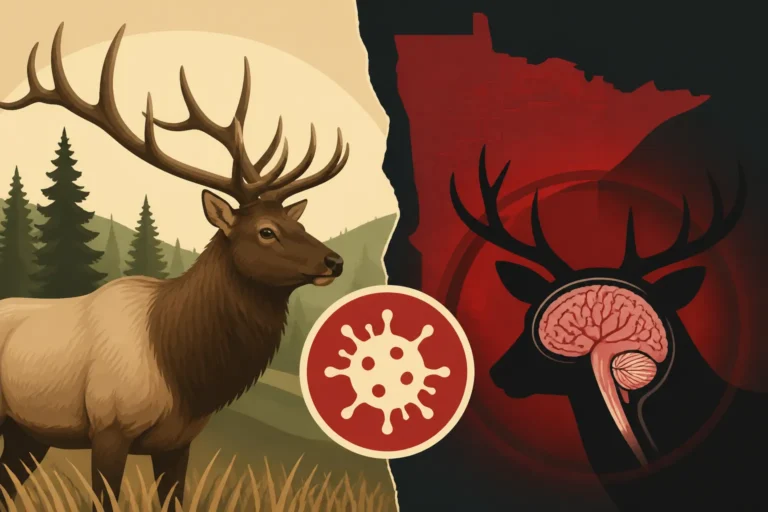
Chronic Wasting Disease threats and prions affecting vulnerable northwestern elk herds in Kittson and Marshall counties.
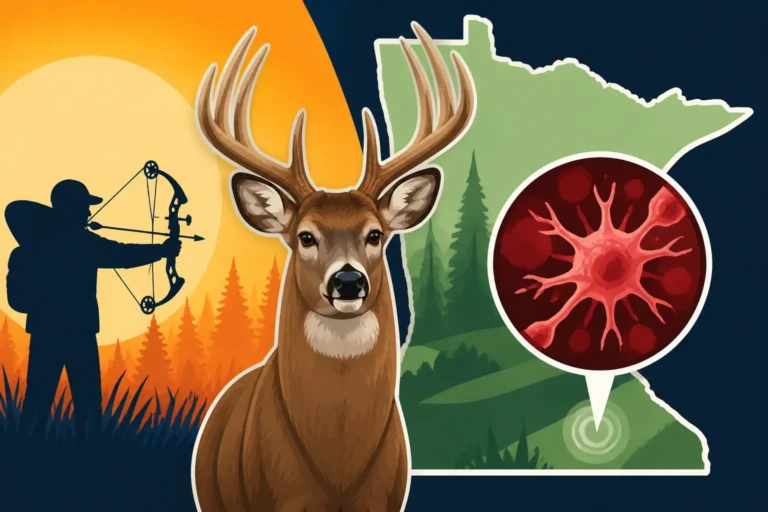
The Stillwater Chronic Wasting Disease case threatens Minnesota deer herds, moving the fatal neurological disease near the Twin Cities.

Minnesota deer chronic wasting disease prevalence rates indicate the percentage of specific populations testing positive for the disease.
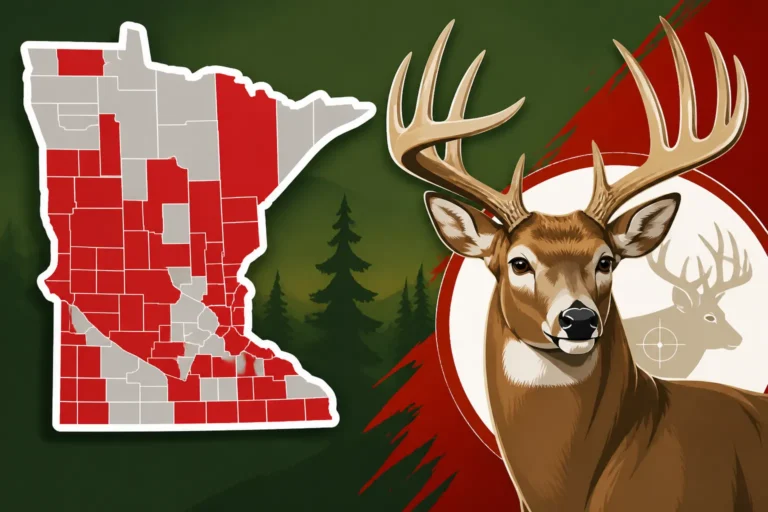
Minnesota counties with confirmed Chronic Wasting Disease in wild deer, and the testing regulations hunters must follow.
Chronic Wasting Disease first appeared in Minnesota in 2010 at an Olmsted County cervid farm before reaching wild deer in 2016.

Minnesota buck age structure details the proportion of yearlings and older deer in populations, explaining herd behavior and hunting success.