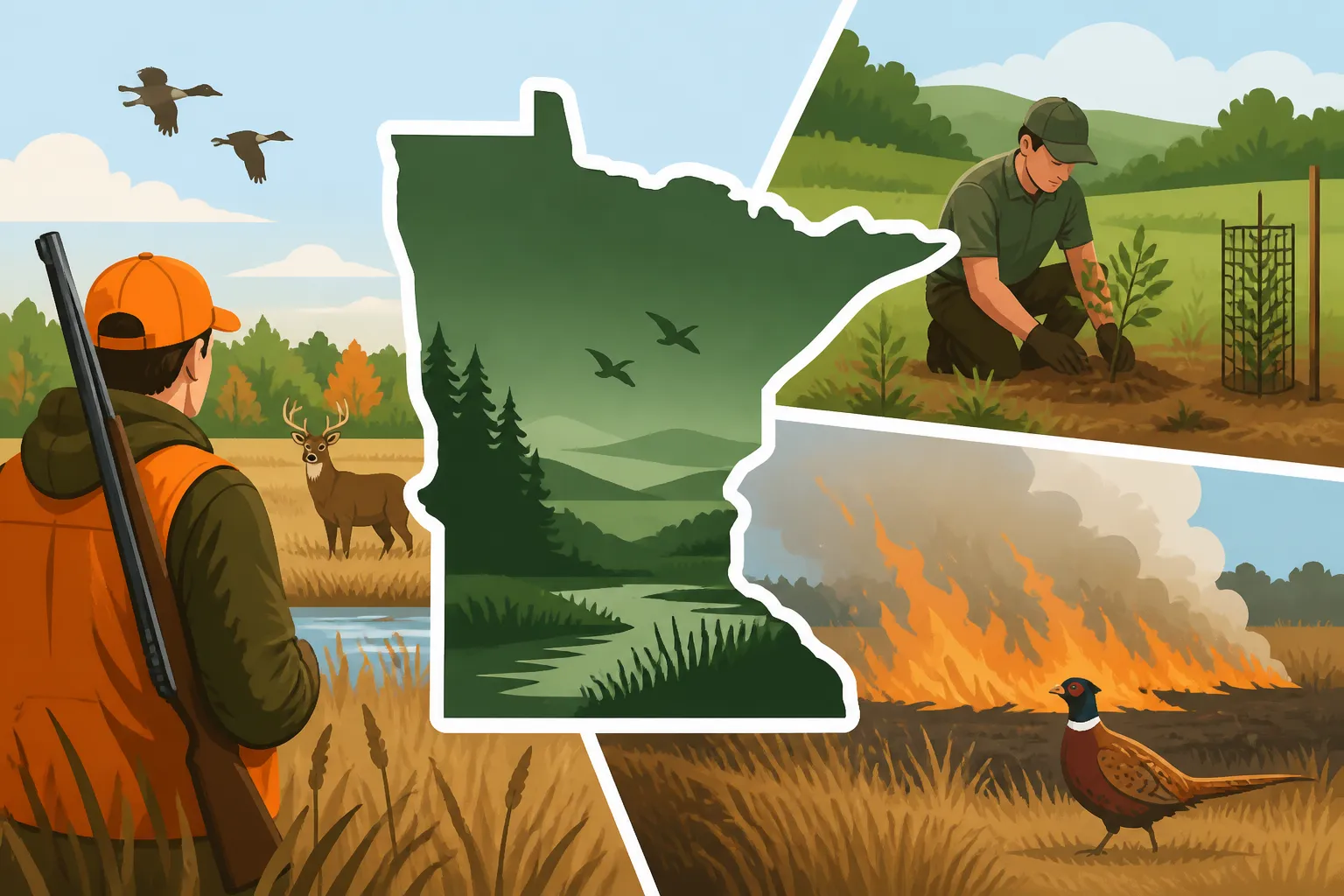
How Minnesota WMAs Are Managed
It's easy to drive past a sign for a Minnesota Wildlife Management Area, park the truck, and head into the woods or marsh without a second thought. But have you ever really considered what goes into making that public land available and productive? It's far more than just a piece of property; it's a dynamic, actively managed ecosystem. This guide is all about peeling back the curtain to show you the dedicated work, funding, and thoughtful strategies that bring Minnesota's WMAs to life for both wildlife and hunters.
The Core Mission of Minnesota's WMAs
Minnesota's Wildlife Management Areas aren't just random parcels of land; they are the backbone of our public hunting and wildlife viewing opportunities. Their existence is a testament to decades of foresight and the unwavering commitment of conservationists, many of whom were hunters themselves. Understanding their fundamental purpose helps us appreciate the intricate management strategies employed.
A Legacy of Conservation for All
WMAs were established with a clear, dual-purpose mission: to protect and enhance critical wildlife habitats, and to provide public access for hunting, trapping, fishing, and wildlife observation. This might sound straightforward, but it's a complex endeavor. Imagine trying to create a thriving home for whitetails, pheasants, wood ducks, and a host of non-game species, all while ensuring that thousands of people can ethically enjoy it. The legacy isn't just about preserving what's left, but actively restoring and improving landscapes that might have been degraded by past land uses. It's a proactive approach to ensure that future generations have the same, or even better, opportunities to connect with nature and pursue game.
For many years, hunters have been the driving force behind this conservation legacy. Through license fees and excise taxes on hunting equipment, they've funded much of the land acquisition and ongoing management. It's a direct investment model that proves the value of sustainable resource use. Beyond just providing places to hunt, these areas contribute significantly to broader ecological health, offering clean water, diverse plant communities, and refuge for numerous species that might not be hunted.
Defining Management Goals
Managing a WMA is far from a one-size-fits-all approach. Each area presents unique challenges and opportunities, requiring tailored strategies to meet overarching goals. The management team isn't just thinking about deer season next fall; they're planning for decades, considering how to create resilient habitats that support a wide array of wildlife. This means balancing the needs of different game species – perhaps promoting early successional forests for ruffed grouse in one part, while maintaining native prairie for pheasants in another, or managing water levels for migrating waterfowl.
It's a delicate dance, ensuring that actions taken for one species don't inadvertently harm another. For example, a prescribed burn to improve pheasant habitat might also benefit nesting turkeys or specific grassland birds. The goals extend beyond simply maximizing game animal populations to fostering complete, healthy ecosystems. Managers also contend with the challenges of invasive species, changing climate patterns, and increasing pressure from various user groups, all while aiming for long-term ecological stability and recreational access. How Many Acres Minnesota WMAs Cover gives you a sense of the scale of this complex management.
Funding the Future of Wildlife Habitat
You might wonder how all this intricate habitat work, land acquisition, and maintenance is paid for. It's not magic, and it certainly isn't free. The financial backbone of Minnesota's WMAs is built on a diverse funding model, heavily reliant on the contributions of hunters and anglers.
Where the Money Comes From
At the heart of WMA funding are the dedicated conservation dollars generated by hunting and fishing licenses. When you purchase your Minnesota Hunting Licenses and What They Cost or a waterfowl stamp, a significant portion of that money goes directly back into habitat projects and land management. This system, bolstered by the federal Pittman-Robertson Act (which levies an excise tax on firearms, ammunition, and archery equipment), forms a powerful "user pays, beneficiary benefits" model that has been incredibly successful across the nation. It's not just a small contribution; these funds are substantial and critical for the day-to-day operations and ambitious long-term plans for our public lands.
Beyond direct license sales and federal excise taxes, WMAs also benefit from state general funds, bonding initiatives for land acquisition, and crucial partnerships with non-profit conservation organizations. These groups often contribute significant financial resources, volunteer labor, and advocacy to support WMA goals. The sale of special stamps, like the Minnesota Pheasant Stamp or the Waterfowl Stamp (often required for migratory bird hunters as part of Minnesota Migratory Game Bird Certification), earmarks specific funds for the habitat work relevant to those species, creating a direct feedback loop between sportsmen and the resources they cherish.
Allocating Resources Strategically
With finite funds and a seemingly endless list of projects, WMA managers face the challenging task of allocating resources strategically. Decisions are made based on a variety of factors: biological priority (what habitat is most degraded or critical?), public demand (where are hunters and wildlife watchers concentrated?), and opportunities (is there a grant available for wetland restoration, for example?). It's a continuous balancing act, trying to stretch every dollar to achieve the greatest conservation impact. You'll often see specific WMAs prioritizing different types of work depending on their dominant habitat types and the target species for that region.
This allocation isn't just about spending money; it's about smart, science-based investment. It might mean purchasing new equipment for prescribed burns, hiring temporary staff for invasive species removal, or funding research to understand local wildlife populations better. The perennial challenge is that maintaining hundreds of thousands of acres of diverse habitat requires a consistent and robust budget, and there's always more work to be done than funds available. That's why every license purchase and every dollar contributed truly makes a difference in sustaining these vital public resources.
Hands-On Habitat Work: What Managers Actually Do
When you're out hunting on a Minnesota WMA, you might not always notice the direct impact of habitat management, but believe me, it's there. From the dense cover that holds a deer to the restored wetlands that draw ducks, these landscapes are actively shaped by dedicated professionals using a variety of tools and techniques.
Forest and Upland Management
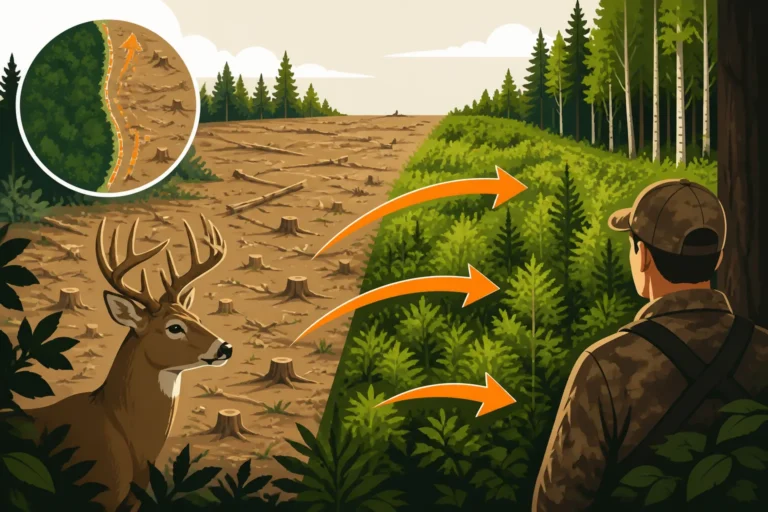
In forested WMAs, especially in the north and central regions, active timber management is a cornerstone. It might seem counterintuitive to cut down trees for wildlife, but strategic clear-cuts, selective thinning, and timber stand improvements are vital for creating diverse age classes of forest that benefit different species. Young clear-cuts, often dominated by regenerating aspen, provide crucial browse and dense cover for deer, as well as prime habitat for ruffed grouse and woodcock. Older, more mature stands, on the other hand, offer different food sources, nesting sites, and thermal cover. Managing these areas involves careful planning, often on a rotation over many decades, to ensure a continuous cycle of beneficial habitat.
In prairie and upland areas, especially in southern and western Minnesota, prescribed burns are an indispensable tool. Fire, when used thoughtfully, revitalizes native grasslands, controls invasive woody vegetation like sumac and buckthorn, and releases nutrients back into the soil, promoting fresh growth that pheasants, deer, and turkeys crave. It's a controlled chaos that mimics natural processes and is far more effective than mechanical clearing in many instances. Beyond fire, managers might plant native grasses and wildflowers, or even strategically placed food plots – though the latter are less common on WMAs compared to private land, the focus is generally on enhancing natural food sources. You can learn more about these efforts in Habitat Work on Minnesota WMAs.
Wetland and Waterfowl Focus
For WMAs with significant wetland components, especially those in the prairie pothole region or along major river systems, water level management is paramount. This can involve intricate systems of dikes, culverts, and pumps that allow managers to actively draw down water in some areas to promote moist-soil plant growth (which produces abundant seeds for waterfowl) or flood others to create ideal foraging and resting areas. This kind of flexibility is critical for responding to seasonal variations in rainfall and ensuring optimal conditions for migrating ducks and geese.
Many wetlands in Minnesota were historically drained for agriculture. A significant part of WMA management involves wetland restoration – plugging ditches, breaking drain tiles, and allowing natural hydrology to return. These restored potholes and shallow lakes become magnets for nesting and migrating waterfowl, as well as a host of amphibians, insects, and other wetland-dependent species. Combatting invasive aquatic species, such as curly-leaf pondweed or common reed (Phragmites), is also a constant battle, as these plants can choke out native vegetation and reduce habitat quality for wildlife. Minnesota Waterfowl Production Area Basics delves deeper into these specific efforts.
Here's a look at some common habitat management techniques you might encounter:
| Technique | Primary Goal | Benefits For | Common Locations (MN) |
|---|---|---|---|
| Prescribed Burning | Restore prairie, control invasives, nutrient cycling | Pheasants, turkeys, deer, grassland birds | Southwest & Western WMAs, Southeast Bluffs |
| Timber Harvesting | Create diverse forest age classes, improve browse | Deer, grouse, woodcock, bear | Northern & Central Forest WMAs |
| Water Level Control | Enhance moist-soil plants, create shallow water | Ducks, geese, shorebirds | Wetland WMAs, Mississippi River Backwaters |
| Native Grass Planting | Restore prairie, nesting cover | Pheasants, turkeys, deer, small game, grassland birds | Southern & Western WMAs |
| Invasive Species Removal | Reduce competition, restore native plant communities | All wildlife, habitat diversity | All WMAs |
| Wetland Restoration | Reestablish historical wetlands, improve hydrology | Waterfowl, furbearers, amphibians, diverse plants | Prairie Pothole Region, drained farm fields |
Infrastructure and Access
Beyond the ecological work, managers also spend a considerable amount of time maintaining the infrastructure that allows us to access and enjoy WMAs. This includes grading gravel roads, maintaining parking areas, and sometimes even clearing walking trails. Without proper access, even the best habitat can go unused by the public. Clear signage is also a priority, indicating WMA boundaries, identifying specific regulations, and guiding users.
As hunters, it's our responsibility to understand these regulations. This includes knowing where we can park, whether ATVs are allowed, and specific rules regarding tree stands or ground blinds. For instance, Ground Blind Rules on Minnesota WMAs often stipulate that blinds must be removed after the season to prevent litter and permanent structures. Using tools like the onX Hunt app can be incredibly helpful for identifying WMA boundaries versus private land, ensuring you stay on public ground and respect property lines. This helps managers focus on habitat work rather than dealing with trespass issues.
Navigating WMAs: Hunter Responsibilities and Tools
Hunting on a Wildlife Management Area is a privilege, and with that comes a responsibility to understand and abide by the specific rules that govern these vital public lands. Modern technology, thankfully, offers incredible tools to help us be more informed and ethical hunters.
Understanding WMA Regulations
While many general state hunting regulations apply across Minnesota, WMAs often have additional specific rules designed to protect the habitat, manage wildlife, or ensure public safety. For example, some WMAs, particularly those with a strong waterfowl focus, might require the use of non-toxic shot for all hunting, even for upland species. Others might have restrictions on motorized vehicle access, limiting travel to designated roads and parking areas. It's not uncommon to find rules regarding camping, open fires, or even the placement and removal of hunting stands and blinds. It's your job to know these localized rules before you hunt. The Minnesota DNR website is the best place to start, usually offering specific WMA pages with detailed regulations.
Failing to understand these nuances can lead to citations, or worse, inadvertently harming the resource we all value. A good rule of thumb is "leave no trace" – whatever you carry in, you must carry out. This applies to spent shell casings, food wrappers, and especially old treestands or ground blinds. By adhering to these guidelines, we contribute to the long-term health and accessibility of WMAs for everyone.
Using Technology for Smart Hunting
In today's world, there's no excuse for not knowing where you stand, literally. Mapping applications have revolutionized how hunters navigate public land, and onX Hunt is a prime example of a brand that has made this process incredibly simple. With onX Hunt, you can overlay public and private land boundaries directly onto detailed topographic and aerial maps right on your phone. This is invaluable for identifying WMA borders, understanding property ownership, and planning your approach to hunting spots. onX Layers for Minnesota Land Status can show you which specific layers to use for this. Before you even set foot on the ground, you can use these apps to scout potential access points, identify dense cover, locate water sources, and pinpoint likely travel corridors.
Beyond commercial mapping apps, the Minnesota DNR's own Recreation Compass map tool is an excellent resource for general WMA information, including boundaries and sometimes even specific habitat projects. Using the Recreation Compass Map Tool is free and provides a wealth of information. While GoHunt might be more geared towards Western big game draws, the principles of using digital tools for pre-season research and in-field navigation apply universally. Combine these digital tools with boots-on-the-ground scouting, and you'll dramatically increase your understanding of any WMA you choose to hunt, helping you avoid crowded areas and find overlooked pockets of game. This is especially useful when trying to get away from Hunting Pressure on Minnesota Public Land.
The Future of Minnesota's WMAs
Minnesota's Wildlife Management Areas have a rich history, but their future is far from static. They face evolving challenges, and their continued success depends on ongoing adaptation, innovation, and, critically, the sustained support of the hunting and conservation community.
Facing Modern Challenges
The landscape of wildlife management is constantly shifting. Climate change, for instance, poses significant threats, altering habitats, influencing migration patterns, and changing water availability in critical wetland areas. WMAs might need to adapt to more frequent droughts, heavier rainfall events, or shifts in plant communities due to warming temperatures. Invasive species, whether terrestrial plants like buckthorn or aquatic invaders, continue to be a relentless battle, requiring ongoing effort and significant resources to control their spread and mitigate their impacts on native ecosystems.
Increasing user demand is another challenge. As more people seek outdoor recreation, WMAs experience greater pressure from hunters, hikers, birdwatchers, and other groups. This requires careful planning to balance competing interests and ensure that wildlife isn't unduly disturbed. Then there's the pervasive threat of Chronic Wasting Disease (CWD) in our deer herd. WMAs in CWD management zones may have specific regulations, such as mandatory testing or carcass movement restrictions, which directly impact hunters and management strategies designed to slow the spread of this devastating disease. These issues demand constant vigilance and evolving management techniques.
Sustaining the Legacy Through Engagement
Despite these challenges, the future of Minnesota's WMAs remains bright, largely because of the passionate individuals who care about them. Sustaining this legacy requires ongoing engagement from all of us. One of the most direct ways to help is by volunteering your time. Many WMAs rely on volunteers for habitat projects, such as planting trees, removing invasives, or maintaining trails. These efforts not only directly help the land but also foster a deeper connection to the resource.
Beyond direct action, advocacy for robust conservation funding is paramount. Contacting your elected officials and supporting organizations that champion public land and wildlife funding ensures that managers have the resources they need. And for hunters, mentoring new generations is a critical part of the puzzle. Passing on the ethics, skills, and appreciation for public land ensures that the constituency for conservation remains strong. Encouraging new hunters to complete their Minnesota Hunter Safety Requirements and experience the joys of WMA hunting secures the future of these invaluable areas. Whether it's picking up litter, donating to a conservation group, or introducing a youngster to the outdoors, every action contributes to the enduring health and accessibility of Minnesota's Wildlife Management Areas.
Disclaimer
This article is for general informational purposes only and does not constitute professional advice. Laws, prices and regulations vary by location and change over time. Consult a qualified professional for guidance on your specific situation.