Moose Sightings in Northeast Minnesota
For many of us who cherish the wild corners of Minnesota, the thought of encountering a moose is a powerful draw. These majestic creatures are a symbol of the north woods, but actually seeing one can feel like winning the lottery – you know they're out there in northeast Minnesota, but they're often elusive. It's a real frustration to spend days exploring only to find tracks, or worse, nothing at all. This guide is dedicated to helping you understand where and when to increase your chances of spotting a moose, offering practical advice and insight into their behavior in our beautiful state.
Understanding Minnesota's Moose Population and Range
Minnesota holds the southernmost population of moose in the continental United States, primarily concentrated in the vast wilderness of the northeast. It's a truly special place, but the moose here face significant challenges, which is Why Minnesota Closed Moose Hunting remains a hot topic among hunters and conservationists. Their numbers have fluctuated, and while they aren't as abundant as deer, they are certainly present if you know where to look and what signs to watch for.
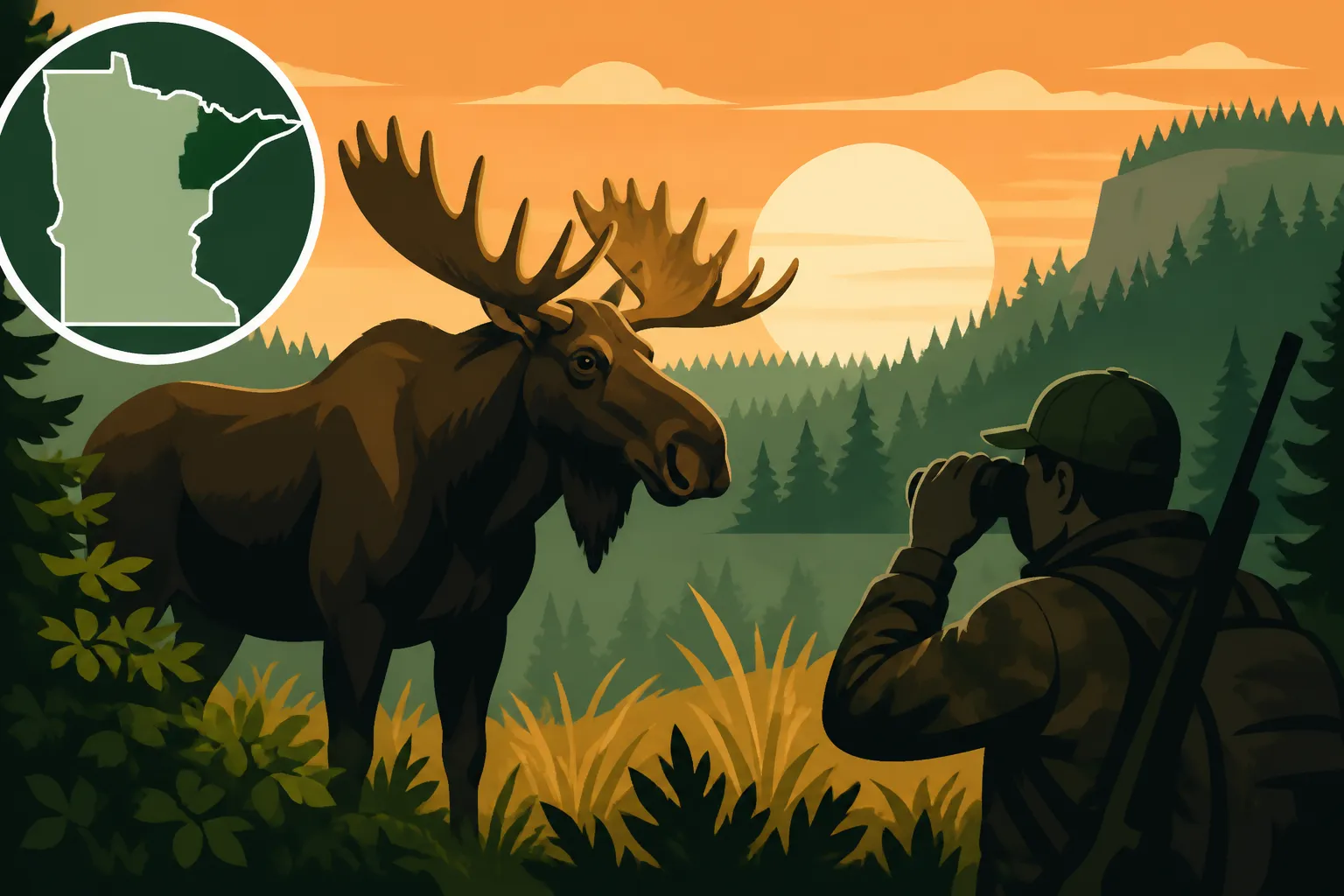
The core of the moose range stretches across counties like Lake, Cook, St. Louis, and parts of Carlton and Aitkin. These areas provide the ideal mix of boreal forest, wetlands, and young regenerating timber that moose rely on. It's not like seeing deer in a cornfield; moose require a specific habitat, and understanding that habitat is your first step to a sighting. They thrive in areas with abundant browse like willow, aspen, and balsam fir, often near water sources that offer aquatic vegetation in summer and an escape from insects.
While they are generally found in these specific regions, moose are incredibly mobile. A bull in the rut can cover impressive distances, and even cows will shift their home ranges based on food availability and calving needs. So, while we focus on the northeast, don't rule out the occasional wanderer, though your best bet for consistent sightings will always be in the established strongholds.
Prime Locations and Habitats for Moose Sightings
If you're serious about seeing a moose, you need to think like one. That means understanding their preferred real estate. Northeast Minnesota offers a mosaic of landscapes, but certain features consistently attract these giants.
Boreal Forest and Wetlands
Moose are creatures of the boreal forest. They thrive in areas characterized by dense stands of spruce, fir, and pine, interspersed with significant wetland complexes. Think of vast tracts of public land like those found in the Superior and Chippewa National Forest Hunting areas. These aren't just pretty backdrops; they're vital for moose survival. Look for lowland swamps, alder thickets, and willow-choked creek bottoms. These areas offer both food and crucial thermal cover, protecting moose from harsh winter winds and providing shade during hot summer days. The thick cover also makes them feel secure, especially when they're bedding down.
Beyond the major national forests, many state forests and Wildlife Management Areas in the northeast offer excellent moose habitat. Areas around the Boundary Waters Canoe Area Wilderness are famously good, though accessing them requires a different kind of effort, often involving canoes and portages. Even seemingly impenetrable cedar swamps can be moose magnets, offering a cool refuge in summer and abundant browse. Using a mapping tool like GoHunt can be invaluable here. Its satellite imagery and public land overlays let you pick apart these mosaics from the comfort of your home, identifying potential moose travel corridors, bedding areas, and feeding grounds long before you ever step foot in the woods.
Regenerating Timber Stands and Clear-Cuts
Moose are browsers, meaning they primarily eat the twigs, leaves, and bark of woody plants. This makes younger forest growth incredibly important to their diet. Logging practices, while sometimes controversial, can actually create prime moose habitat by opening up the canopy and allowing sunlight to reach the forest floor, stimulating the growth of palatable shrubs and saplings. Look for clear-cuts that are 5-20 years old. These areas are often choked with aspen, willow, and balsam fir saplings – a veritable buffet for a moose.
When scouting these areas, pay attention to the edges where these younger stands meet older, thicker timber. Moose will often feed heavily in the regenerating areas during dawn and dusk, then retreat into the denser cover to bed down during the day. Logging roads and ATV trails that cut through these areas can be excellent travel routes for moose, making them prime places to find tracks and other sign. Remember, when you're Finding Sign in Minnesota Big Woods, you're not just looking for a moose, you're looking for evidence of their daily lives. The fresh browse in these cuts is a huge indicator of their presence.
Optimal Times for Moose Viewing
Timing your visit can dramatically increase your odds of encountering a moose. Their activity patterns shift with the seasons and even throughout the day.
Seasonal Movements and Activity
Moose behavior is largely dictated by the calendar.
- Spring (April-May): As the snow melts, moose are eager to access fresh green-up. They'll often be found in lowland areas and along the edges of swamps, feasting on new growth and aquatic vegetation. This is also when cows are calving, so they might be more reclusive and protective. While less visible, it’s a time of renewal for the herd.
- Summer (June-August): Hot weather can be tough on moose. They are prone to heat stress and will seek relief in cool, shaded areas, often spending significant time in water. Look for them wading in ponds, lakes, and rivers, especially during the warmest parts of the day. They're trying to escape both the heat and biting insects. Early mornings and late evenings will see them moving and browsing more actively.
- Fall (September-October): This is arguably the best time for moose sightings, especially in late September and October when the rut begins. Bulls become much more active and vocal, calling to cows and sparring with rivals. They're less cautious and often move into more open areas, making them easier to spot. The changing leaf colors also provide a stunning backdrop for a sighting.
- Winter (November-March): Deep snow can restrict moose movements, but they are incredibly well-adapted to the cold. They'll concentrate in areas with abundant browse, often moving through dense conifer stands for thermal cover. Tracking fresh snow can be an excellent way to locate them, as their large tracks are unmistakable. However, their dark coloration against a snowy background can make them surprisingly hard to spot if they're not moving.
Daily Activity Patterns
Just like deer, moose have peak activity periods during the day.
- Dawn and Dusk: These crepuscular periods are prime viewing times. Moose are most active, feeding and moving between bedding and feeding areas, when the light is low. Plan to be in your chosen location well before sunrise and remain until after sunset.
- Midday: During the middle of the day, especially in warmer months, moose will often bed down in dense cover or stand in water to escape heat and insects. While less active, it’s not impossible to spot them. If you’re exploring dense timber or wetlands, you might surprise one in its bed.
Here’s a quick overview of moose activity:
| Season | Activity Level | Key Behaviors | Best Time of Day | Prime Locations |
|---|---|---|---|---|
| Spring | Moderate | Grazing new growth, calving (cows) | Early morning/Late afternoon | Lowland edges, swamps, roadsides |
| Summer | Moderate | Wading for aquatic plants, seeking shade | Early morning/Late evening | Lakes, ponds, rivers, dense shade |
| Fall | High | Rutting, vocalizing, sparring (bulls), feeding | All day, especially dawn/dusk | Clear-cuts, forest edges, open bogs |
| Winter | Moderate | Browsing, seeking thermal cover, tracking possible | Mid-morning/Early afternoon | Conifer swamps, dense young growth, sheltered areas |
Techniques for Successful Moose Spotting
Finding a moose isn't always about luck; it's often about strategy, patience, and knowing what to look for.
Reading the Landscape and Interpreting Sign
Moose leave plenty of clues about their presence. Learning to read these signs is crucial, especially when you're Scouting Minnesota Public Land Before Season.
- Tracks: Moose tracks are unmistakable – large, cloven, and often quite deep. Look for them along muddy shorelines, soft logging roads, or in fresh snow. Pay attention to the direction of travel and how fresh the tracks appear. A fresh track could mean the moose is still very close.
- Droppings: Moose droppings are typically distinct pellets, similar to large deer pellets but more elongated and often larger. In warmer months, or if they've been eating very moist browse, they might be clumped. Fresh droppings are another excellent indicator of recent activity.
- Rubs and Scrapes: Bulls will rub their antlers on saplings and small trees to remove velvet or to mark their territory during the rut. These rubs are often higher up than deer rubs and can be quite substantial. While moose don't "scrape" the ground like deer, they might create shallow depressions by pawing the ground.
- Browsed Vegetation: Moose are heavy browsers, and their feeding habits leave distinct marks. Look for broken branches and stripped bark, often higher than a deer could reach. They prefer aspen, willow, balsam fir, and mountain ash. Freshly browsed twigs with ragged ends (unlike the clean cut of a rabbit or hare) are a clear sign.
- Bedding Areas: Moose often bed down in thick cover, typically where they can maintain a view of their surroundings while remaining hidden. Look for flattened areas in tall grass, ferns, or under dense evergreens.
Using tools like GoHunt can help you visualize the terrain and potential moose hotspots. You can mark areas where you find sign, create waypoints for potential bedding or feeding zones, and analyze features like water sources, timber stands, and elevation changes. This kind of detailed Reading Aerial Photos for Big Woods Deer can be adapted to moose, helping you predict where these big animals might be moving.
Patience and Quiet Observation
Unlike hunting, where direct confrontation is the goal, moose spotting requires a gentle touch.
- Move Slowly and Silently: Moose have excellent hearing and a keen sense of smell. Rushing through the woods crashing branches will only push them deeper into cover. Move at a snail's pace, pausing frequently to listen and scan. Wear quiet clothing.
- Use Optics: Good binoculars (8x or 10x power are ideal) are your best friend. Moose can blend into the shadows of the forest surprisingly well. Systematically glassing areas – especially dense cover, swamp edges, and open clearings – can reveal a moose you would otherwise walk past. Even a spotting scope can be useful if you're observing a large open bog or distant shoreline.
- Wind Direction: Always try to keep the wind in your favor, especially when approaching an area where you suspect moose are present. Their sense of smell is powerful, and if they catch your scent, they'll be gone before you know they were there.
- Listen: Sometimes, you'll hear a moose before you see one. The sound of heavy footsteps, branches breaking, or even the distinct call of a cow or grunt of a bull during the rut can give away their location. In late fall, you might even hear the splashing of a bull walking through water.
Remember, moose are wild animals, and their behavior can be unpredictable. Always maintain a respectful distance, especially if you encounter a cow with a calf or a bull during the rut. While mostly docile, a defensive moose can be dangerous. The thrill of a sighting is always worth the effort and the patience it takes to achieve it.
Disclaimer
This article is for general informational purposes only and does not constitute professional advice. Laws, prices and regulations vary by location and change over time. Consult a qualified professional for guidance on your specific situation.