Game You Cannot Hunt in Minnesota
It's easy to get excited about the vast wilderness and diverse wildlife Minnesota offers, imagining all the incredible hunting opportunities that lie within our borders. But, as any seasoned hunter will tell you, the woods and waters hold a lot more than just game animals. There's a whole world of creatures out there, and knowing which ones are fair game and which are strictly off-limits is absolutely critical. This guide is here to cut through the confusion and highlight the animals you cannot hunt in Minnesota, helping you stay legal, ethical, and safe in the field.
Protected and Off-Limits Species You Might Encounter
Minnesota is home to an amazing array of wildlife, from the smallest shrew to the largest ungulate. While many species offer incredible hunting opportunities, a significant number are either fully protected by state and federal law, have extremely limited seasons, or are simply not classified as game animals. Understanding these distinctions is the first step in being a responsible hunter. It's not just about what you can shoot, but what you absolutely cannot.
Federally Protected Animals
Sometimes, even if a species seems abundant, federal regulations can override state laws, making it illegal to hunt. These are often migratory birds or species that have faced significant conservation challenges across their range. The Migratory Bird Treaty Act, for example, protects most non-game migratory birds, meaning you can't just hunt any bird you see. This includes songbirds, raptors, and many water birds that aren't specifically designated for hunting. It's a common misconception, especially for those new to hunting, to think that if it flies, it might be fair game. But the truth is, the vast majority of bird species in Minnesota are protected, making target identification paramount. If it's not on the approved list for ducks, geese, pheasants, grouse, woodcock, or turkey, leave it alone.
Then there are iconic species like eagles and owls. These majestic birds of prey are not only awe-inspiring to behold in the wild, but they are also completely protected by federal law, specifically the Bald and Golden Eagle Protection Act and the Migratory Bird Treaty Act. Even possessing a feather from one of these birds can land you in serious legal trouble. Their populations have made incredible comebacks thanks to these protections, and it's our duty as outdoors enthusiasts to ensure they continue to thrive.
State-Protected Wildlife
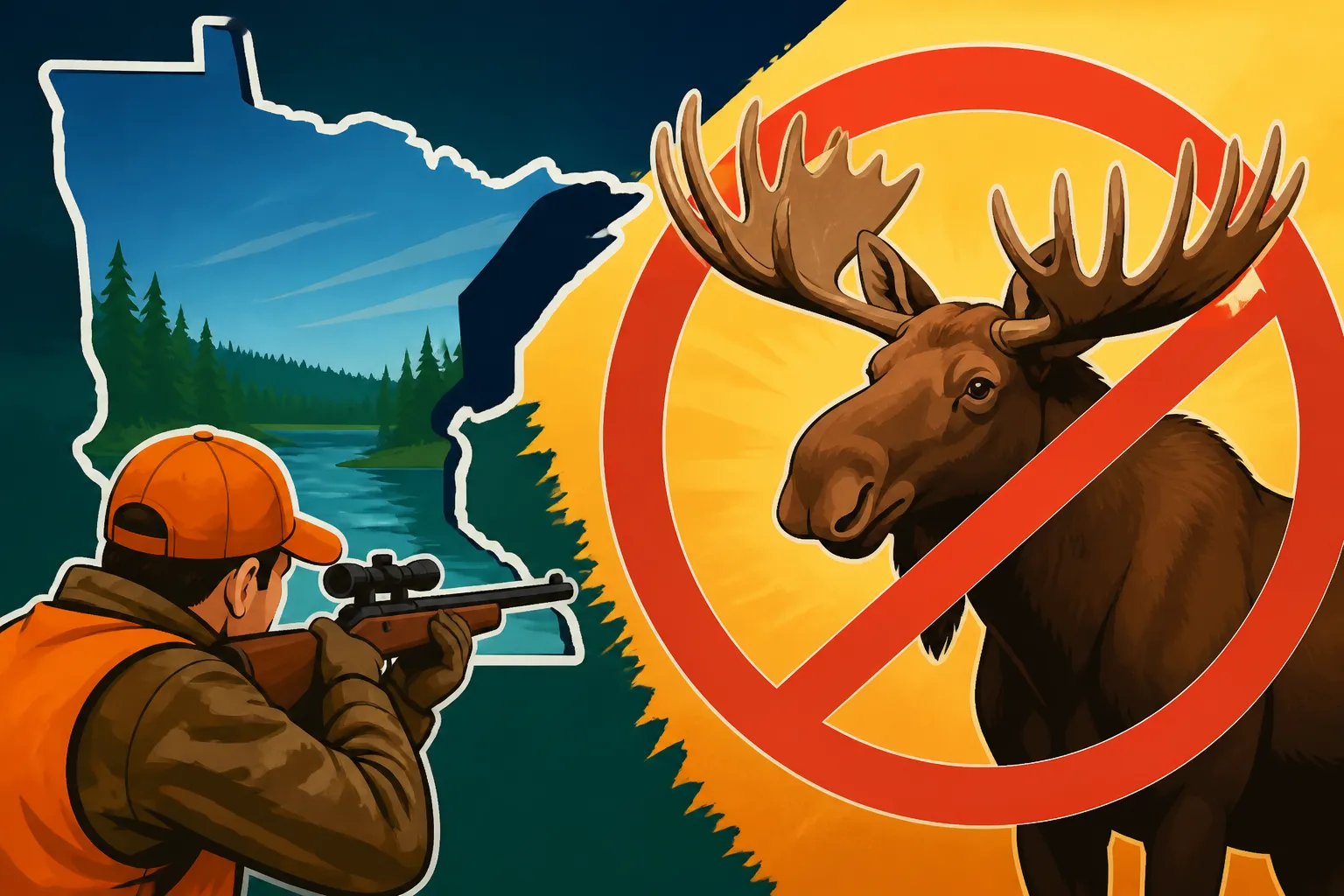
Beyond federal protections, Minnesota has its own set of rules for species that are protected, either due to low population numbers, conservation efforts, or simply their status as non-game animals. A prime example that often comes up in conversation is the moose. While they once roamed more widely, Minnesota's moose population, particularly in the northwest, has faced severe declines. Because of these challenges, the moose season in Minnesota has been closed indefinitely. It's a tough pill to swallow for many hunters who dream of a moose hunt, but it's a critical conservation measure to allow these magnificent animals a chance to recover. If you're lucky enough to spot a moose while hunting deer in the northern woods, enjoy the sight, but keep your weapon pointed in another direction.
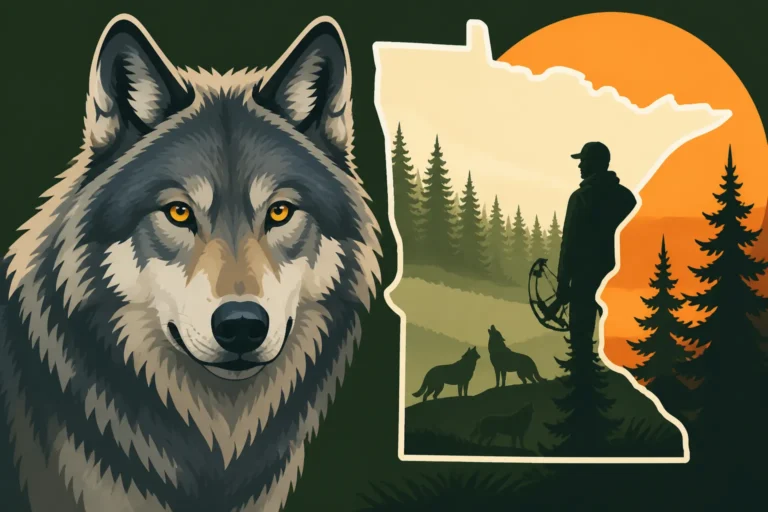
Another species that generates a lot of discussion is the wolf. Minnesota's Wolf Population has fluctuated over the years, and their hunting status has been a hot topic. As of now, wolf hunting and trapping seasons are closed in Minnesota. They are a federally protected species under the Endangered Species Act in parts of their range, and while Minnesota's population is robust, the state adheres to federal guidelines and management plans that currently do not allow for a hunting season. Encountering a wolf in the woods can be an incredible experience, offering a glimpse into true wilderness, but remember they are off-limits. Tools like GoHunt can often provide real-time updates on such regulatory changes, which is invaluable for staying current.
Animals with Extremely Limited or No Lottery Chances
While some animals are completely off the table, others exist in a gray area where hunting is technically possible but statistically improbable for the average hunter due to severe restrictions. The most prominent example here is Minnesota's elk. Minnesota Elk Lottery Rules are among the strictest in the nation, reflecting the small, carefully managed herds found primarily in the northwestern part of the state, in Kittson and Marshall counties. The number of tags issued annually is incredibly low, making it a true once-in-a-lifetime draw for the fortunate few. The vast majority of hunters will never draw an elk tag in Minnesota, meaning for all intents and purposes, elk are effectively unhuntable for most of us.
This limited opportunity is a conservation success story in itself, as the elk were reintroduced to the state after being extirpated. Their continued presence is a testament to careful management and protection. Even for those applying year after year, the odds remain incredibly slim, so if you're out scouting public land in the northwest, focus on your other game species. You can use platforms like GoHunt to track your preference points, but don't hold your breath for that elk tag anytime soon.
| Species | Hunting Status in Minnesota | Primary Reason for Status |
|---|---|---|
| Moose | Closed Season | Conservation/Population Decline |
| Wolves | Closed Season | Federal Protection/Management Plan |
| Elk | Extremely Limited Lottery | Small, Reintroduced Populations; Strict Management |
| Bald Eagles | Federally Protected | Historical Decline, Federal Law (Migratory Bird Treaty Act) |
| Loons | Federally Protected | State Bird, Federal Law (Migratory Bird Treaty Act) |
| Owls/Hawks | Federally Protected | Raptors, Federal Law (Migratory Bird Treaty Act) |
| Mountain Lion | No Season (Incidental sightings only) | Extremely Rare, No Breeding Population Confirmed |
| Feral Swine | No Season (Encouraged reporting/removal by landowners) | Invasive Species, Disease Risk, Not Classified as Game |
Animals You Might Be Surprised Aren't Huntable (Or Are Heavily Restricted)
Beyond the big, obvious protected species, there are a few other animals that sometimes catch hunters off guard. These might be common animals that just aren't considered game, or species that are incredibly rare but occasionally spotted. Understanding these nuances helps paint a complete picture of Minnesota's hunting landscape.
Non-Game Animals That Are Not Fair Chase
When you're afield, you'll encounter countless squirrels, rabbits, and raccoons. Many of these are game animals with defined seasons, but not all. For instance, while you can hunt Squirrel Hunting a Minnesota Oak Ridge or Rabbit and Hare Hunting in Minnesota, there are other small mammals that are not considered game. Woodchucks, for example, are a common sight in some areas, but they are generally not classified as game animals in Minnesota. While a landowner might be able to take a nuisance woodchuck on their own property, they are not a species with an open hunting season for the general public. It's a subtle distinction, but an important one.
Another category includes small predators like skunks, weasels, and opossums. While some furbearers like coyotes and bobcats have hunting or trapping seasons, these smaller furbearers typically do not have a dedicated hunting season. Trapping Minnesota Furbearers covers many of these, but pure "hunting" as we typically think of it, for sport or meat, isn't a classification for them. Their management often falls more under nuisance control or trapping regulations rather than traditional hunting. Always double-check the current regulations if you're unsure about any specific small game or furbearer.
Rare or Unestablished Species
Minnesota, being a large state with diverse habitats, occasionally has sightings of animals that are not commonly found here or whose populations are not established enough to warrant a hunting season. The mountain lion (or cougar) is a prime example. While there are confirmed Cougar Reports in Minnesota every now and then, these are typically transient animals, often young males dispersing from established populations out west. There's no evidence of a breeding population in Minnesota, and as such, there is no hunting season for mountain lions. If you're lucky enough to see one, consider it an extremely rare and special encounter.
Similarly, while the state has a healthy bear population and an established Minnesota Bear Lottery and Permit Areas system, any talk of other large predators like grizzly bears is purely theoretical; they are not found in Minnesota. It's important to differentiate between the occasional wanderer and an established, huntable population. Always operate under the assumption that if a species isn't specifically listed with an open season and bag limits, it's not huntable.
The Importance of Checking Regulations and Avoiding Misinformation
Navigating hunting regulations can sometimes feel like trying to untangle a bowl of spaghetti. Seasons change, rules are updated, and what was legal last year might be prohibited this year. This is why it's incredibly important to rely on official sources and understand the reasoning behind certain closures or restrictions.
Why Regulations Exist (Beyond Just Protecting Animals)
Regulations aren't just there to make life difficult for hunters; they serve a crucial purpose in wildlife management. For species like the moose, closing the season is a direct response to population decline. It allows researchers to study the causes of the decline, whether it's disease, climate change, or predation, and gives the population a chance to stabilize or rebound. Why Minnesota Closed Moose Hunting is a complex issue that highlights the delicate balance of wildlife management.
For lottery species like elk, the regulations ensure that the limited harvest doesn't negatively impact the small herds. It's about sustainability and ensuring that future generations might also have a chance, however slim, to pursue these animals. How Many Minnesota Elk Tags Are Issued is often a single-digit number, underscoring the extreme rarity and the conservation-first approach.
Sometimes, regulations exist to manage invasive species. Feral swine, for example, are a growing concern in many states, including Minnesota. They are highly destructive to habitats and can carry diseases. While there's no official "hunting season" for them, landowners are often encouraged to remove them, and their presence is something the DNR monitors closely. It's a unique situation where eradication, not management for sport, is the goal. Feral Swine Reports in Minnesota are taken seriously because of the potential ecological and agricultural damage these animals can cause.
How to Stay Informed and Avoid Violations
The absolute best way to stay informed is to consult the official Minnesota Department of Natural Resources (DNR) website and their annual hunting regulations handbooks. These resources are updated yearly and provide the most accurate and up-to-date information on seasons, bag limits, and protected species. Don't rely on word-of-mouth or old regulations you might have lying around.
Moreover, utilizing modern tools can be a game-changer. Apps and platforms like GoHunt offer incredible resources for mapping, understanding land ownership, and even providing insights into species distribution and population trends. While always cross-reference with official DNR documents, these tools can help you plan your hunts more effectively and give you a better understanding of the species in a particular area. For example, before heading to the woods, you can use GoHunt to scout for public land and see what game species are typically found there, helping you tailor your expectations and avoid targeting protected animals.
Ignorance of the law is never an excuse. Violating hunting regulations, even unintentionally, can lead to significant penalties, including fines, license revocation, and even jail time. Minnesota Wildlife Violation Penalties can be severe, so take the time to learn the rules before you head out. If you ever have a doubt about whether a species is legal to hunt, or if you witness a suspected violation, it's always best to err on the side of caution and contact the DNR. Reporting a Poacher in Minnesota is a vital part of responsible wildlife conservation.
Disclaimer
This article is for general informational purposes only and does not constitute professional advice. Laws, prices and regulations vary by location and change over time. Consult a qualified professional for guidance on your specific situation.