How Many Geese Winter on Minnesota Farmland
For many years, the idea of Canada geese meant big, migratory flocks heading south for the winter. But if you spend any time driving through Minnesota's vast stretches of farmland in December or January, you'll quickly realize that image doesn't always hold true anymore. Hunters and wildlife watchers alike are noticing a significant number of geese choosing to stick around, creating new challenges and opportunities. This guide will dive deep into why more geese are wintering on Minnesota farmland, what that means for their populations, and how it impacts hunting and conservation efforts in our beautiful state.
The Shifting Patterns of Wintering Geese in Minnesota
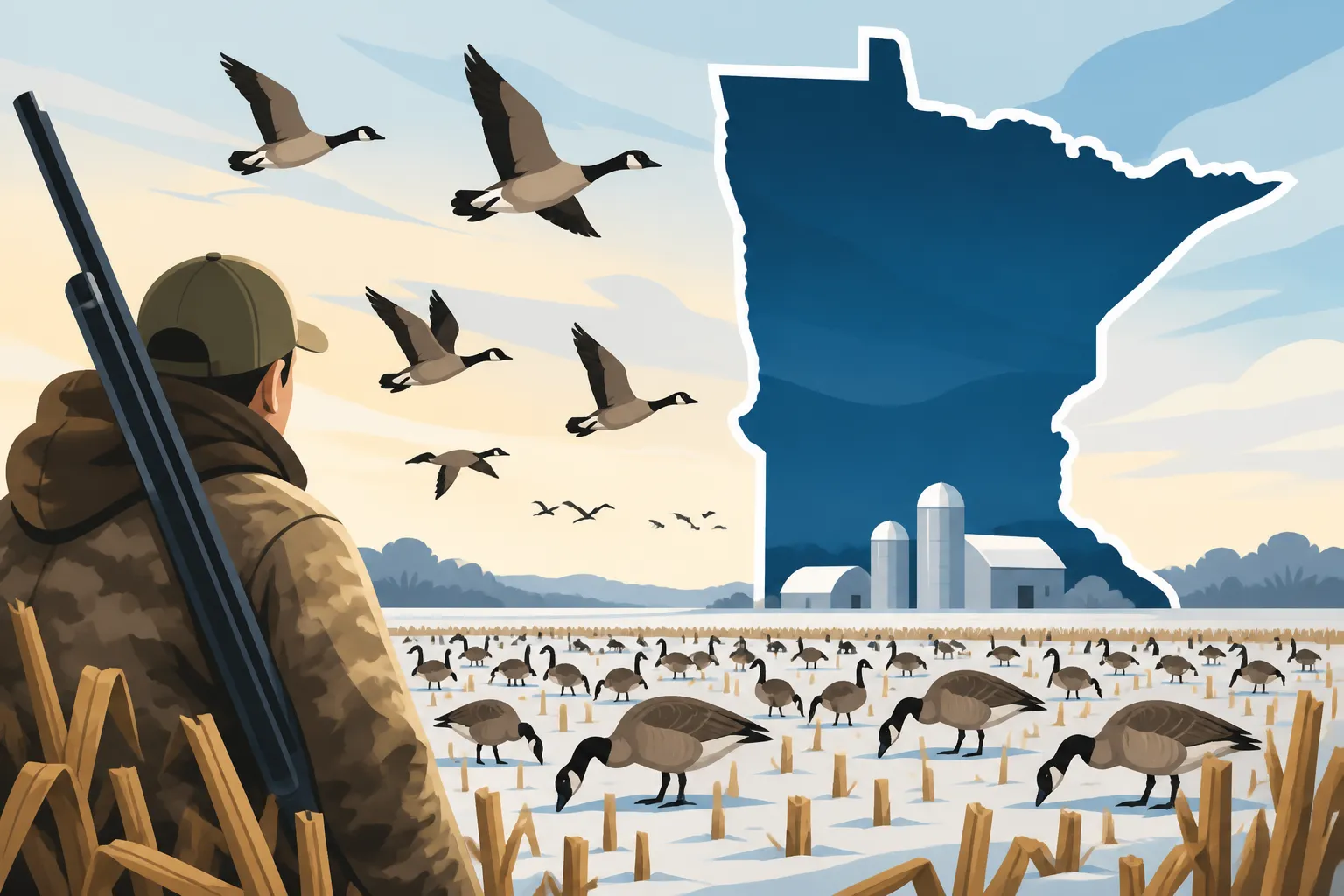
It's a common sight these days: frozen fields blanketed in snow, yet dotted with hundreds, sometimes thousands, of Canada geese. They're not just passing through; they've decided to call Minnesota home, at least for the colder months. This wasn't always the case, and understanding this shift requires looking at several interconnected factors that have made our farmlands more appealing than ever.
Why Geese Are Sticking Around
The primary reasons geese are choosing to winter in Minnesota are straightforward: food, water, and relative safety. Our agricultural landscape, particularly the vast corn and soybean fields, provides an incredibly rich and accessible food source. After harvest, a significant amount of waste grain is left behind, turning these fields into enormous, readily available buffets for hungry geese. A goose needs a lot of energy to survive cold temperatures, and picking through fallen corn kernels or leftover beans is far easier than trying to forage in deep snow or frozen marshes elsewhere.
Beyond the bounty of grain, milder winters play a huge role. We've seen a trend of warmer temperatures and less persistent snow cover in recent decades, particularly in the southern and central parts of the state. This means fields remain accessible for longer, and open water sources, which are crucial for geese to drink, bathe, and escape predators, are more plentiful. Rivers like the Minnesota and Mississippi, along with their tributaries, often remain open in stretches due to currents or even industrial discharges. These provide vital refuges when shallower lakes and ponds freeze solid. The combination of abundant food and reliable water, often within a short flight of each other, creates an irresistible draw for these adaptable birds.
Resident Versus Migratory Birds
It's important to distinguish between the different populations of geese we see. Minnesota is home to a thriving population of "resident" Canada geese, often referred to as Giant Canada geese. These are the birds that nest and raise their young right here in the state. They have very little migratory instinct, or at least a much shorter one, than their northern counterparts. When autumn arrives, they might move a bit, perhaps from a smaller marsh to a larger river system, but they largely aim to stay within the state if conditions allow. These resident geese form the core of our wintering population on farmland, as they have no strong drive to fly thousands of miles south.
However, they're not alone. As winter progresses, some "migratory" Canada geese, coming from breeding grounds further north in Canada or the northern reaches of Minnesota, might also pause or even settle in Minnesota if they find ideal conditions. Instead of pushing all the way to Missouri or Arkansas, they might find our relatively milder winters and abundant food sufficient for their needs. This creates a fascinating blend, where locally bred birds mingle with those that have traveled hundreds of miles, all taking advantage of the same resource-rich agricultural lands. Understanding this distinction is key to comprehending the overall goose numbers you might encounter.
The Role of Food and Water Sources
The sheer volume of waste grain on Minnesota farmlands after harvest is staggering. Modern agricultural practices, while efficient, still leave behind a substantial amount of corn, soybeans, and other small grains. For geese, these fields are a goldmine. They can spend hours, even an entire day, systematically walking through stubble, picking up enough calories to sustain themselves through the cold nights. This high-energy diet is critical for building fat reserves needed to endure sub-zero temperatures.
Coupled with this food source, access to open water is non-negotiable. Geese need water for hydration, for preening their feathers to maintain insulation, and as a safe haven from predators like coyotes. A frozen lake is useless to them for these purposes. Therefore, areas with reliable open water, such as stretches of the Mississippi River, parts of the Minnesota River, or even wastewater treatment ponds that remain ice-free, become magnets. These water bodies often have adjacent fields, creating a perfect wintering complex. Hunters know this, too, and will often scout river systems and surrounding fields using tools like the Scouting Minnesota Public Land Before Season to identify these prime locations. Without both plentiful food and accessible water, even a mild Minnesota winter would be too harsh for large numbers of geese to comfortably remain.
Estimating Wintering Goose Numbers on Minnesota Farmland
Pinpointing an exact number of geese wintering on Minnesota farmland is a bit like trying to count snowflakes in a blizzard – it's incredibly challenging. Wildlife agencies conduct surveys, but the dynamic nature of these populations makes a precise, static figure elusive. However, we can still understand the scale and factors at play.
The Challenges of Counting Wintering Populations
One of the biggest hurdles in getting an accurate count is the sheer mobility of geese. They're not static. A flock you see in a cornfield today might be 20 miles away tomorrow, depending on weather, food availability, or perceived pressure. They often move between feeding fields and roosting waters throughout the day, and sometimes make longer movements if a severe cold snap freezes up their usual spots. This constant movement makes aerial surveys, while valuable, prone to under- or over-counting in specific areas.
Furthermore, wintering geese are often spread out across a vast landscape. While some large flocks congregate in obvious locations, many smaller groups might be tucked away in less conspicuous fields or remote river bends, making them difficult to spot and tally. Observer bias, the timing of surveys relative to weather events, and even the simple vastness of Minnesota's agricultural areas all contribute to the inherent difficulty in getting a definitive, real-time census of wintering geese.
Factors Influencing Annual Fluctuations
The number of geese choosing to winter in Minnesota can swing considerably from one year to the next, primarily driven by environmental factors. Weather is, without a doubt, the most significant influencer. A mild autumn and early winter, with minimal snow cover and sustained open water, will naturally encourage more geese to stay. Conversely, an early, brutal cold snap that brings deep snow and freezes solid large water bodies will push birds further south.
Harvest conditions also play a critical role. A late harvest, or a wet one, might mean more waste grain is left in the fields, providing a richer food source. The amount of hunting pressure in Minnesota and states immediately to our south can also influence where birds decide to settle. If central Minnesota offers ample, relatively unpressured feeding and roosting sites, geese might opt for that over moving into areas with heavier hunting activity. Hunter feedback, often shared on platforms like GoHunt, can sometimes give a localized picture of bird numbers, though it's anecdotal. These dynamic factors mean that while we know substantial numbers of geese winter here, the exact population varies annually.
Data Sources and What They Tell Us
While precise annual figures are hard to come by, wildlife agencies like the Minnesota Department of Natural Resources (DNR) monitor goose populations through various surveys, including mid-winter waterfowl counts. These counts provide valuable indices and trend data, showing a consistent presence of Canada geese in the state even in the heart of winter. They also track breeding populations, particularly those of the Giant Canada Goose, which form the backbone of our resident wintering birds. The trends indicate a robust and adaptable population that has increasingly learned to exploit available resources.
Hunters, too, are an invaluable source of observational data. Their reports, whether informal conversations at local coffee shops or more organized data collection through hunting forums, consistently point to a strong wintering goose presence, especially in the central and southern agricultural zones. These observations, combined with formal surveys, confirm that wintering geese on Minnesota farmland are not an anomaly but an established part of our winter wildlife scene. For specific season dates and regulations related to these populations, hunters can consult resources like Minnesota Goose Zones and Seasons.
Impact on Farmland and Hunting Opportunities
The presence of so many wintering geese has a ripple effect, impacting everything from agricultural operations to the winter hunting landscape, and even shaping long-term conservation strategies.
Agricultural Considerations
While large flocks of geese might seem like a concern for farmers, the reality on Minnesota farmland in winter is often less problematic than one might imagine. Geese primarily feed on waste grain left behind after the harvest. This means they are largely cleaning up what would otherwise go unused, potentially having a beneficial impact by removing volunteer crop seeds that could sprout the following spring. Instances of significant crop damage from wintering geese are relatively rare, especially compared to their impact during spring planting or early growth stages.
However, concentrations of geese can compact soil in certain areas, and their droppings can accumulate. For the most part, though, the benefits of them consuming waste grain and providing a winter spectacle often outweigh any minor agricultural drawbacks. Farmers generally tolerate their presence, understanding that the geese are part of the broader ecosystem that surrounds their fields. This coexistence is a testament to the adaptability of both the birds and the agricultural community.
Winter Hunting Strategies and Challenges
For hunters, the increasing number of wintering geese presents unique opportunities, but also specific challenges. The late seasons, often extending through December and into January in some zones, mean enduring colder temperatures. Effective hunting requires specialized gear for extreme cold, like robust layering systems, as discussed in Layering for a Minnesota November, and insulated, waterproof boots, perhaps even waders if hunting near partially open water, as covered in Waders for Minnesota Marsh Hunting.
Scouting becomes paramount. Finding the specific fields where geese are feeding and identifying their flight paths between fields and open water roosts is crucial. Many hunters utilize mapping apps, perhaps even those from providers like GoHunt, to pinpoint feeding patterns and identify potential access points on public or permissioned private land. Concealment is another major hurdle; geese are incredibly wary. Layout blinds, well-brushed in on field edges, are often essential for successful hunts, similar to strategies outlined in Layout Blind Hunting Minnesota Farm Fields. The sheer number of eyes in a large flock makes approaching them nearly impossible without good cover. While "early goose season" tactics might be familiar, Early Goose Season Tactics in Minnesota often focus on smaller, less wary birds. Late-season geese are seasoned veterans, demanding even more finesse and strategic planning from hunters.
Conservation and Management Efforts
The changing patterns of wintering geese also influence how wildlife managers approach conservation and population control. The large resident goose populations, combined with wintering migratory birds, mean that overall goose numbers are robust. This allows for generous hunting seasons and bag limits, which serve as a primary management tool. The DNR uses harvest data, collected through hunter registration and surveys, to monitor population health and adjust regulations to maintain a sustainable balance.
Moreover, understanding where geese are wintering helps managers identify critical habitats. Protecting or enhancing key open water areas and ensuring access to waste grain fields are informal, but important, aspects of ensuring these birds continue to thrive. The data gathered from hunter activity, sometimes aggregated through platforms that help manage hunting logistics like GoHunt, provides valuable real-world insights into bird distribution and pressure, aiding in more informed management decisions. It's a continuous cycle of monitoring, adapting, and managing to ensure that Minnesota's goose populations remain healthy for both hunters and the environment.
Understanding the Species: Canada Geese Dominance
When we talk about wintering geese in Minnesota, we're almost exclusively talking about Canada geese. Their adaptability and the specific subspecies found here are central to why they thrive in our winter landscape.
Giant Canada Geese and Their Resurgence
The vast majority of Canada geese wintering on Minnesota farmland are the Giant Canada Goose (Branta canadensis maxima). This subspecies was once thought to be extinct but was famously rediscovered and has made a spectacular comeback across the Midwest, thanks to dedicated conservation and reintroduction efforts. These are larger, heavier-bodied geese than their northern migratory cousins, and they tend to have a stronger fidelity to their breeding and wintering grounds.
Their large size means they can carry significant fat reserves, helping them endure colder temperatures. They are also incredibly intelligent and resourceful, quickly learning to exploit human-altered landscapes like agricultural fields and urban ponds. This combination of physical resilience and behavioral adaptability makes them perfectly suited to spending winter in Minnesota's agricultural heartland, forming the core of the flocks you'll see braving the snow and ice. The incredible success of the Minnesota Canada Goose Population is a true conservation success story.
Other Goose Species and Their Wintering Habits
While Giant Canada geese dominate the wintering landscape in Minnesota, you might occasionally spot other goose species. Snow geese, for example, do migrate through Minnesota in massive numbers, particularly during spring and fall. However, large wintering populations of snow geese on Minnesota farmland are far less common than Canada geese. Snow geese generally prefer to push further south to states like Missouri, Arkansas, and Louisiana, where vast agricultural fields offer even milder conditions and less consistent snow cover.
Some smaller Canada goose subspecies, such as Lessers, might also pass through or temporarily halt their migration in Minnesota, mingling with the Giants. However, they are typically more inclined to continue their journey south. The occasional white-fronted goose might show up, but again, these are typically anomalies rather than consistent winter residents. Therefore, if you're out observing or hunting geese on Minnesota farmland in the deep winter, you can almost always bet they're primarily Canada geese, and often the hardy Giant subspecies.
Behavioral Adaptations for Cold Weather
Geese have a remarkable array of behavioral and physiological adaptations that allow them to endure Minnesota's frigid winters. Physiologically, they have a highly efficient counter-current heat exchange system in their legs and feet, minimizing heat loss to the cold ground or water. Their dense layer of feathers, meticulously preened and waterproofed, provides excellent insulation against wind and cold. They can also fluff up their feathers to trap more air, creating an even thicker insulating layer.
Behaviorally, they are masters of energy conservation. They'll often feed intensely during daylight hours, consuming large quantities of high-calorie waste grain, then roost together in large, compact flocks on open water or in fields. Huddling together reduces heat loss, and being on open water provides a level of safety from nocturnal predators. They'll face into the wind to minimize heat penetration through their feathers and will remain relatively inactive during the coldest parts of the day, conserving precious energy. These adaptations, combined with the abundance of food and available open water, explain why so many can successfully call Minnesota home even when the mercury plummets.
Below is a table summarizing the key factors that contribute to Canada geese wintering on Minnesota farmland:
| Factor | Description | Impact on Geese |
|---|---|---|
| Waste Grain | Abundant corn, soybean, and other crop residue left after harvest across vast agricultural areas. | Provides a high-calorie, easily accessible food source for sustained energy in cold. |
| Open Water | Stretches of major rivers (Mississippi, Minnesota), tributaries, and industrial discharges remain ice-free. | Essential for drinking, bathing, preening, and as a safe roosting site from predators. |
| Milder Winters | A trend towards less severe cold and reduced persistent snow cover in recent decades. | Keeps food sources accessible and prevents widespread freezing of critical water bodies for longer. |
| Resident Birds | A robust population of Giant Canada Geese that breed in Minnesota and have short migratory instincts. | Forms the core of the wintering population, with a strong inclination to stay local. |
| Reduced Pressure | Some areas offer less consistent hunting pressure compared to traditional southern wintering grounds. | Provides a sense of security, encouraging birds to settle rather than continue migrating. |
In conclusion, the sight of hundreds, even thousands, of geese blanketing a snow-dusted cornfield is no longer a rare event in Minnesota. It's a testament to the adaptability of these incredible birds and the changing landscape of our agricultural heartland.
Disclaimer
This article is for general informational purposes only and does not constitute professional advice. Laws, prices and regulations vary by location and change over time. Consult a qualified professional for guidance on your specific situation.